
For many travelers planning a trip to the United States and specifically the tropical paradise of Hawaii, marine life is often at the top of the itinerary. While the islands are synonymous with sea turtles, spinner dolphins, and the majestic humpback whales that migrate annually, a common question arises among wildlife enthusiasts: Are there orcas in Hawaii? The answer is a fascinating “yes,” but with significant caveats that distinguish the Hawaiian experience from more traditional whale-watching destinations like British Columbia or Washington.
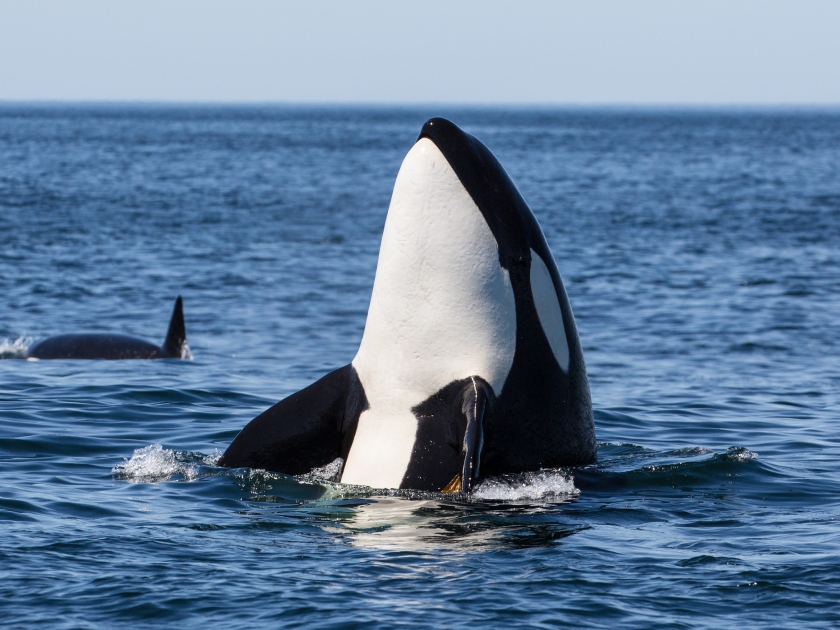
Orcas, also known as killer whales, do inhabit the waters of the Pacific Ocean surrounding the archipelago. However, they are among the most elusive residents of the islands. Unlike the predictable resident pods found in Alaska, seeing an orca in Hawaii is often considered a “once-in-a-lifetime” event even for seasoned boat captains and local researchers. Understanding the behavior, frequency, and specific locations where these apex predators appear is essential for any traveler hoping to catch a glimpse of the black-and-white dorsal fin against the backdrop of a Hawaiian sunset.

Understanding the Presence of Killer Whales in Hawaiian Waters
The orcas found in Hawaii are not the same “resident” whales that tourists might see in the Pacific Northwest. Instead, the individuals spotted around the islands are typically part of a tropical population that ranges across the vast open ocean. Because they are not tied to a specific coastline for feeding or breeding in the same way other marine mammals are, their appearances are sporadic and highly unpredictable.
The Rare Frequency of Sightings
Data from the National Oceanic and Atmospheric Administration and groups like the Cascadia Research Collective suggest that while orcas are present year-round, they are rarely seen near the shore. Statistical records indicate that sightings occur only a few times per year across the entire island chain. This rarity adds a layer of mystique to the travel experience. For a tourist, spotting an orca is not something that can be guaranteed by a brochure; it is a moment of pure serendipity.
These whales are wide-ranging and travel long distances. While a pod might be seen off the coast of Kailua-Kona one day, they could be hundreds of miles away in the deep ocean the next. Unlike humpback whales, which congregate in shallow waters to calve, orcas in the tropics prefer the deep-water drop-offs where they can hunt a variety of prey, including other marine mammals and large fish.
Scientific Insights and Pod Dynamics
Research conducted by the Pacific Islands Fisheries Science Center has helped categorize the orcas seen in Hawaii. These pods are generally smaller than the massive groups found in colder climates, often consisting of just three to ten individuals. They are highly social and intelligent, displaying complex hunting strategies that allow them to thrive in the nutrient-poor tropical waters.
Interestingly, these orcas are often referred to as “transient” in nature, though they are genetically distinct from the transients found near North America. Their diet in Hawaii is diverse. Sightings have recorded them preying on melon-headed whales, pantropical spotted dolphins, and even the occasional humpback whale calf. This predatory role places them at the very top of the Hawaiian marine food chain, yet they remain one of the most mysterious components of the local ecosystem.
Prime Locations and Best Times for Whale Watching
While orcas can appear anywhere in the island chain, certain islands and coastal areas have historically recorded more frequent sightings. Travelers looking to maximize their chances should focus on areas with steep underwater drop-offs and significant marine biodiversity.
The Big Island and the Kona Coast
The Big Island of Hawaii is arguably the best place for a potential orca sighting. The Kona Coast is famous for its deep waters that sit very close to the shoreline. Because the island is a massive volcanic mountain, the seafloor drops to thousands of feet just a short distance from landmarks like Kailua-Kona.
This deep-water access attracts a variety of pelagic species, which in turn attracts orcas. Tours departing from Honokohau Harbor or Keauhou Bay occasionally report sightings, particularly during the winter months when more marine life is active in the area. However, it is important to manage expectations; most travelers visit the Big Island to see manta rays or volcanoes, with an orca sighting being an incredible, unexpected bonus.
Maui and the Auau Channel
Maui is the whale-watching capital of the islands, primarily due to the Auau Channel. This shallow area between Maui, Lanai, and Molokai is part of the Humpback Whale National Marine Sanctuary. While orcas prefer deeper water, they have been known to enter the channel in pursuit of prey.
Boat tours departing from Lahaina or Maalaea Harbor provide the most eyes on the water. If orcas are in the vicinity, the tight-knit community of captains and naturalists usually shares the information quickly via radio. Viewing these predators against the backdrop of the West Maui Mountains is a sight that rivals any wildlife experience in the world.
Oahu and the Waianae Coast
On the island of Oahu, the Waianae Coast on the leeward side offers the best opportunities. This side of the island is protected from the prevailing trade winds, resulting in calmer, clearer waters. Towns like Waianae serve as the starting point for many dolphin and whale watching excursions.
While Honolulu and Waikiki Beach are more famous for surfing and shopping, the west side of the island is where the wilder marine interactions occur. Sightings have been documented near Kaena Point, where the island’s tip meets the deep currents of the open sea.
Identifying Orcas versus Other Marine Species
One reason orca sightings are often debated is the presence of “look-alike” species in Hawaii. For the untrained eye, several other members of the dolphin family can be mistaken for a killer whale.
Orcas vs. False Killer Whales
The most common “mistaken identity” involves the false killer whale (Pseudorca crassidens). Unlike the orca, the false killer whale is entirely dark grey or black and lacks the iconic white eye patch and saddle patch. However, they are large, social, and exhibit similar hunting behaviors. False killer whales are much more common in Hawaii and are frequently seen by residents of Oahu and Kauai.
Another species often confused with orcas is the pilot whale. These whales have bulbous heads and are often found in large, slow-moving pods. While they are beautiful in their own right, they lack the speed and striking coloration of the true orca (Orcinus orca).
Humpback Whales: The Stars of the Season
It is impossible to discuss Hawaiian whale watching without mentioning the humpback whale. From December through May, thousands of humpbacks migrate from Alaska to Hawaii. Most “whale watching” tours are specifically designed to find these gentle giants.
If you are traveling specifically to see whales, you are almost guaranteed to see humpbacks during the winter. Seeing an orca during this time is an entirely different experience; it is the “white whale” of Hawaiian tourism. Travelers should look for the tall, straight dorsal fin of a male orca, which can reach up to six feet in height—a feature far more prominent than the small, hooked dorsal fin of a humpback.
Planning Your Wildlife Adventure in Hawaii
If your travel goal is to experience the marine wonders of Hawaii, planning is key. While you cannot “book” an orca encounter, you can choose experiences that put you in the right place at the right time.
Choosing the Right Tour Operator
When selecting a tour in Kailua-Kona or Lahaina, look for operators that prioritize education and conservation. Organizations like the Pacific Whale Foundation offer cruises led by certified naturalists who can provide in-depth information about the species you encounter.
Small-group rafting tours are often a better choice for those seeking rare wildlife. These smaller vessels are faster and more maneuverable, allowing them to cover more distance and reach areas where orcas might be traveling. Furthermore, the captains of these boats are often the first to hear about unusual sightings from the local fishing fleet.

Ethical Wildlife Viewing and Safety Regulations
The United States has strict laws regarding marine mammal protection. The Department of Land and Natural Resources and federal law require vessels to maintain a safe distance from whales. It is illegal to approach humpback whales within 100 yards, and similar ethical guidelines apply to orcas.
Travelers should ensure their tour operator follows “Whale Sense” or similar ethical viewing programs. Responsible tourism ensures that these rare visitors to the islands are not stressed by human interaction. If you are lucky enough to see orcas while snorkeling or diving near Molokini Crater or the Kona Coast, remember to maintain your distance and let the animals dictate the interaction.
In summary, while orcas are not a primary tourist attraction in Hawaii due to their rarity, they are a vital and breathtaking part of the island’s marine tapestry. A trip to the Garden Isle of Kauai or the bustling shores of Maui offers the chance to see some of the world’s most incredible creatures. Keep your eyes on the horizon—you never know when the elusive killer whales of Hawaii might make a surprise appearance.
LifeOutOfTheBox is a participant in the Amazon Services LLC Associates Program, an affiliate advertising program designed to provide a means for sites to earn advertising fees by advertising and linking to Amazon.com. Amazon, the Amazon logo, AmazonSupply, and the AmazonSupply logo are trademarks of Amazon.com, Inc. or its affiliates. As an Amazon Associate we earn affiliate commissions from qualifying purchases.