
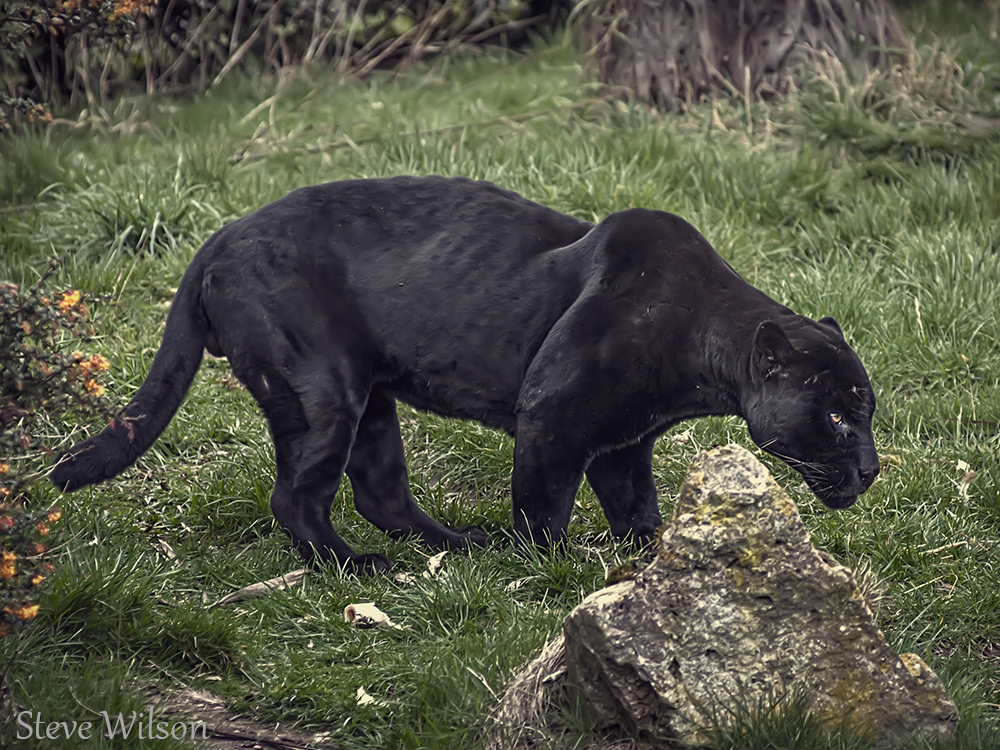
The question “Are there panthers in Texas?” frequently sparks intrigue and vivid images of sleek, powerful predators roaming the vast, untamed landscapes of the Lone Star State. For tourists and nature enthusiasts contemplating an adventure in Texas, understanding the state’s wildlife, especially its apex predators, is crucial for both appreciation and safety. While the term “panther” can be ambiguous, often conjuring images of black leopards or jaguars, in the context of Texas, it almost exclusively refers to the mountain lion, also known as a cougar or puma. These magnificent cats are indeed present, though elusive, and their existence profoundly shapes certain tourism activities and conservation efforts across the state. This article delves into the reality of panthers in Texas, providing insights for those looking to explore its wilder side responsibly and safely, aligning perfectly with the ethos of nature tourism.
The Elusive Texan Predator: Unmasking the “Panther” Reality
The mystique surrounding “panthers” in Texas often stems from a lack of clear definition. To truly understand their presence and how it impacts tourism, it’s essential to clarify what kind of “panther” we’re discussing.
Defining the Texan “Panther”: Mountain Lions vs. Florida Panthers
In Texas, when people speak of panthers, they are almost invariably referring to the mountain lion (Puma concolor), which is an unspotted, tawny cat. Despite its multiple common names – cougar, puma, catamount – it is the same species. There is no confirmed population of the distinct Florida Panther (a critically endangered subspecies of Puma concolor) outside of Florida. Historically, Jaguars (Panthera onca), true “panthers” in the zoological sense due to their genus, once roamed parts of Texas, especially the southern regions. However, they are now considered extirpated from the state, with only extremely rare, transient individuals documented near the Mexican border. Therefore, for practical tourism purposes, the “panther” of Texas is the mountain lion, a formidable and beautiful creature that plays a vital role in the state’s ecosystem. Its presence adds a layer of raw wilderness to certain destinations, appealing to adventurers seeking an authentic natural experience.
Where They Roam: Prime Mountain Lion Habitats in Texas
Mountain lions are incredibly adaptable but prefer rugged, remote, and sparsely populated areas with ample cover and a good prey base (primarily deer). In Texas, their stronghold is unequivocally West Texas. This includes the vast and dramatic landscapes of the Trans-Pecos region, encompassing ranges like the Davis Mountains, the Chinati Mountains, and perhaps most notably, within and around Big Bend National Park and Guadalupe Mountains National Park. These areas offer the perfect blend of dense brush, rocky canyons, and mountainous terrain where these stealthy predators can thrive away from human disturbance. While less common, sightings and evidence of their presence have also been reported in parts of the Texas Hill Country and the South Texas Brush Country, especially in areas bordering larger ranches or undeveloped tracts. For tourists, knowing these prime habitats means that visits to these regions offer the highest (though still very low) chance of experiencing true wilderness where such majestic creatures reside.
Tourism Activities: Encountering Texas’s Wild Side (Responsibly)
The presence of mountain lions makes certain parts of Texas exceptionally wild and appealing for adventurous tourism. However, engagement must always be respectful and responsible.
Wildlife Viewing: A Rare but Rewarding Pursuit
Directly spotting a mountain lion in the wild is an incredibly rare event, even for seasoned trackers and researchers. These animals are naturally shy, largely nocturnal or crepuscular, and masters of camouflage. Therefore, tourists should manage expectations: a trip to West Texas is unlikely to guarantee a panther sighting. However, the possibility of encountering such an animal adds an unparalleled thrill to exploring its habitat. Wildlife viewing activities in these areas often involve searching for signs of their presence (tracks, scat, scratch marks), participating in guided tours focused on predator ecology, or observing prey animals, which are a good indicator of a healthy predator population. Some remote ranches or conservation initiatives in areas like Big Bend Ranch State Park might even offer unique opportunities for camera trapping projects, allowing visitors to indirectly “see” these elusive cats through technology. The reward is not just the sight, but the profound experience of knowing you are in truly wild country.
Exploring Panther Country: Hiking, Camping, and Photography
The areas where mountain lions live are often breathtakingly beautiful and ideal for various outdoor tourism activities. Hiking through the rugged trails of Big Bend National Park or the Guadalupe Mountains National Park offers stunning vistas, diverse flora, and the remote feel of true wilderness. Campers can immerse themselves in the quiet solitude of the desert nights, under skies brimming with stars, knowing that they are sharing this space with apex predators. Photographers, too, are drawn to these landscapes, not only for the chance (however slim) of capturing a mountain lion but also for the dramatic geological formations, unique desert wildlife, and expansive natural beauty that define these habitats. Davis Mountains State Park provides excellent opportunities for exploring high-altitude desert ecosystems, while regions in the Texas Hill Country offer diverse natural areas, albeit with lower densities of these cats. These activities foster a deeper connection to nature, even in the absence of a direct panther encounter.
Eco-tourism and Conservation Initiatives
Responsible tourism in panther habitats extends beyond mere observation; it involves active participation in and support for conservation. Many organizations in Texas are dedicated to researching and protecting mountain lions and their habitats. Tourists can contribute by choosing eco-friendly tour operators, visiting national and state parks (where entrance fees support conservation), and donating to wildlife conservation groups. Some programs may offer volunteer opportunities or educational workshops that allow visitors to learn directly about mountain lion ecology, tracking techniques, and the challenges of coexisting with large carnivores. This type of engaged tourism not only enhances the visitor’s experience but also provides crucial support for the long-term survival of these animals, ensuring that future generations can also ponder the question: “Are there panthers in Texas?” and receive a resounding “yes.”
Safety and Awareness: Essential Tips for Adventurers
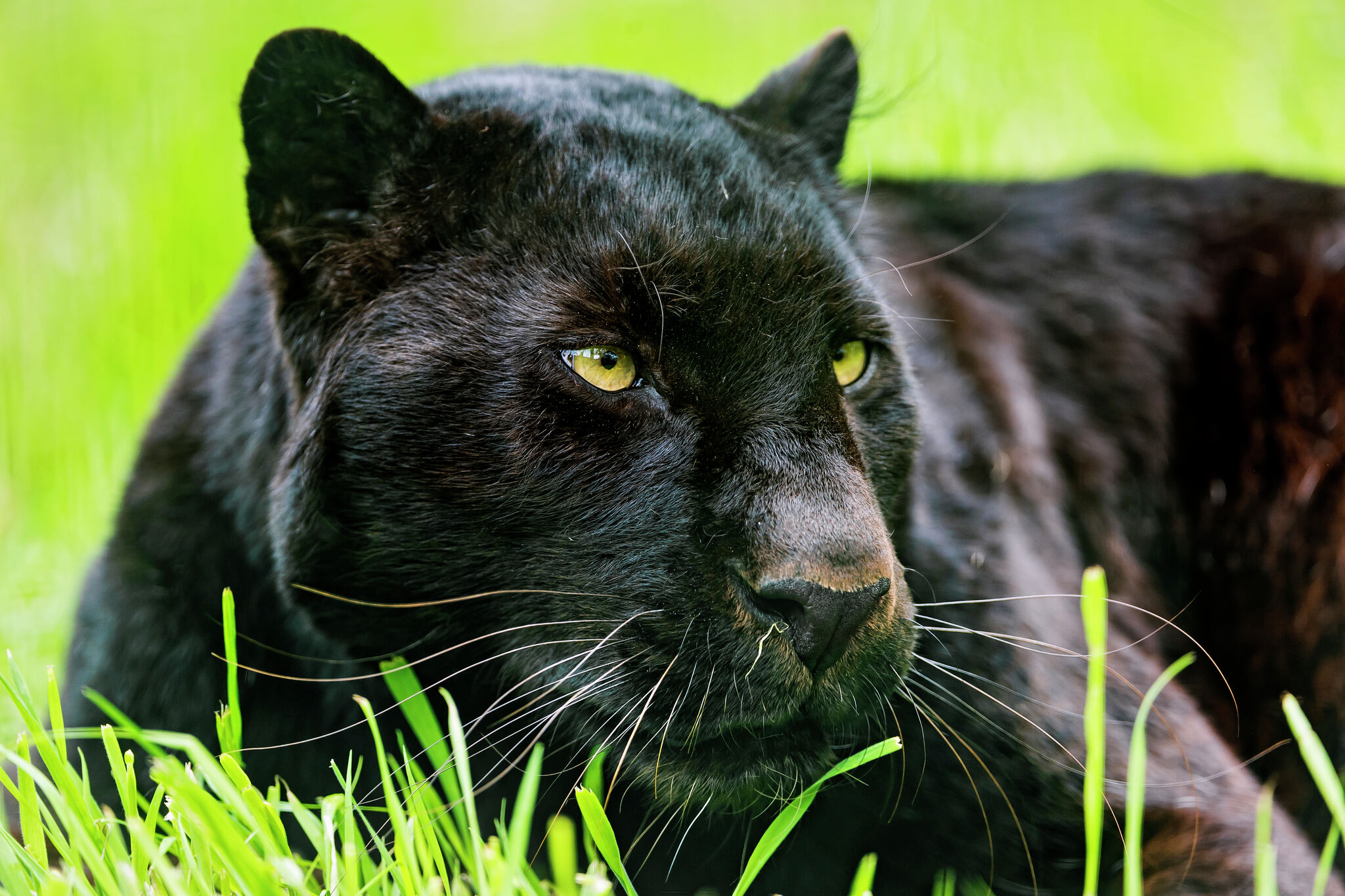
While mountain lion attacks on humans are exceedingly rare, particularly in Texas, awareness and preparedness are paramount for anyone venturing into their territory. Responsible tourism includes knowing how to minimize risks and react appropriately.
Minimizing Risk: Staying Safe in Panther Territory
When hiking, camping, or exploring remote areas known to house mountain lions, several safety precautions can significantly reduce the already low risk of an encounter:
- Travel in Groups: Mountain lions are less likely to approach a group of people.
- Make Noise: Talk, sing, or whistle while hiking to avoid surprising a cat.
- Keep Children and Pets Close: Never let children or small pets run ahead or wander far. They can be perceived as easier prey.
- Avoid Dawn and Dusk: These are prime hunting times for mountain lions. If possible, plan activities during midday.
- Secure Food and Trash: Proper food storage and waste disposal prevent attracting other wildlife, which in turn might attract predators.
- Be Aware of Your Surroundings: Pay attention to animal trails, tracks, and any unusual sounds or smells.
These tips are not meant to instill fear, but to foster respect and an informed approach to exploring wild spaces, enhancing the safety aspect of nature tourism.
What to Do in an Encounter
Should the extremely rare event of a mountain lion sighting occur, knowing how to react is vital:
- Do Not Run: Running can trigger a chase instinct.
- Stand Your Ground and Make Eye Contact: This can convey that you are not prey.
- Make Yourself Look Big: Raise your arms, open your jacket, pick up small children or pets.
- Make Noise: Yell loudly and aggressively.
- Throw Objects: If the cat doesn’t retreat, throw rocks, sticks, or anything you can reach.
- Fight Back: If attacked, fight back fiercely with anything at your disposal. People have survived attacks by fighting back.
Again, these scenarios are incredibly uncommon, but responsible tourism dictates being prepared for all possibilities in truly wild environments.
Respecting Wildlife and Their Habitat
The cornerstone of sustainable tourism in panther country is respect. This means adhering to “Leave No Trace” principles: packing out everything you pack in, staying on marked trails, and never disturbing wildlife. It also means understanding that mountain lions are a natural and necessary component of the ecosystem. Their presence indicates a healthy wilderness, and human responsibility is to coexist without encroaching on their natural behaviors or habitats. Educational signage in parks like Big Bend often provides specific guidelines, reinforcing the message that we are visitors in their home.
The Cultural and Ecological Significance for Texas Tourism
The existence of mountain lions in Texas contributes significantly to both the cultural identity and ecological integrity of the state, making it a unique destination for certain types of tourism.
The Icon of the Wild West
The mountain lion is more than just a predator; it’s a living symbol of the wild, untamed spirit of Texas and the broader American West. Its stealth, power, and solitary nature resonate with the romanticized image of rugged frontier life. For many tourists, especially those from urban areas or international visitors, the idea of a wild landscape vast enough to support such an apex predator is a powerful draw. It represents an authentic, raw experience distinct from more curated attractions. This contributes to a niche tourism market focused on adventure, wilderness exploration, and a connection to a disappearing wild heritage. The allure of “panther country” adds to the narrative of Texas as a place where nature still reigns supreme in certain corners.

Mountain Lions as an Indicator Species
Ecologically, mountain lions serve as an indicator species; their presence signifies a relatively healthy, intact ecosystem capable of supporting a complex food web. A robust mountain lion population suggests healthy populations of deer, rabbits, and other prey animals, as well as sufficient habitat. For eco-tourists, this ecological health is a key attraction. Areas where panthers roam are often rich in biodiversity, offering excellent opportunities for birdwatching, plant identification, and observing other wildlife, such as black bears in West Texas or javelinas. The pursuit of understanding and experiencing an ecosystem healthy enough for its top predator enhances the overall tourism value, providing a holistic and educational natural encounter.
In conclusion, yes, there are “panthers” in Texas, specifically mountain lions or cougars, predominantly in the remote West Texas and mountainous regions. Their presence enriches the tourism landscape of Texas by offering unparalleled opportunities for wilderness exploration, wildlife appreciation, and responsible adventure. While direct encounters are rare, the knowledge that these magnificent creatures inhabit the vast lands of Texas adds an undeniable layer of mystique and excitement to any visit. By understanding their habitats, practicing safety, and supporting conservation, tourists can engage with the wild heart of Texas in a meaningful and memorable way, ensuring these elusive predators continue to roam for generations to come.
LifeOutOfTheBox is a participant in the Amazon Services LLC Associates Program, an affiliate advertising program designed to provide a means for sites to earn advertising fees by advertising and linking to Amazon.com. Amazon, the Amazon logo, AmazonSupply, and the AmazonSupply logo are trademarks of Amazon.com, Inc. or its affiliates. As an Amazon Associate we earn affiliate commissions from qualifying purchases.