
Navigating the vibrant natural landscapes of Florida offers an unparalleled experience for tourists, from its pristine beaches to its lush wetlands. As visitors explore the diverse ecosystems, encounters with wildlife are common, including various species of frogs and toads. A frequent concern for many is whether these amphibians pose a danger, specifically if they are “poisonous.” Understanding the difference between native and invasive species, and knowing which ones carry toxins, is crucial for a safe and enjoyable trip to the Sunshine State.
Navigating Florida’s Amphibian World: A Tourist’s Guide
Florida’s’s warm, humid climate and abundant water sources create an ideal habitat for a wide array of amphibians. While most native frog species are harmless to humans, the presence of certain invasive species does warrant caution. The term “poisonous” in this context refers to animals that are toxic if ingested or if their secretions come into contact with mucous membranes (eyes, mouth). Unlike venomous animals, which inject toxins through a bite or sting, poisonous animals typically release toxins from their skin. For tourists, this means that handling certain amphibians or allowing pets to interact with them can lead to adverse health effects.
The key to safe enjoyment of Florida’s natural beauty lies in awareness and responsible interaction. Understanding which species to be wary of and how to react in an encounter can mitigate risks, ensuring that your focus remains on the breathtaking scenery and unique activities Florida has to offer. This guide will illuminate the specific amphibian concerns for tourists, helping you distinguish between harmless native inhabitants and potentially dangerous invasive species.
Identifying Key Species: What Tourists Might Encounter
Florida’s amphibian population is diverse, consisting of both endemic species and introduced ones that have become established. Knowing the difference is paramount for tourist safety.
Native Species: Generally Harmless
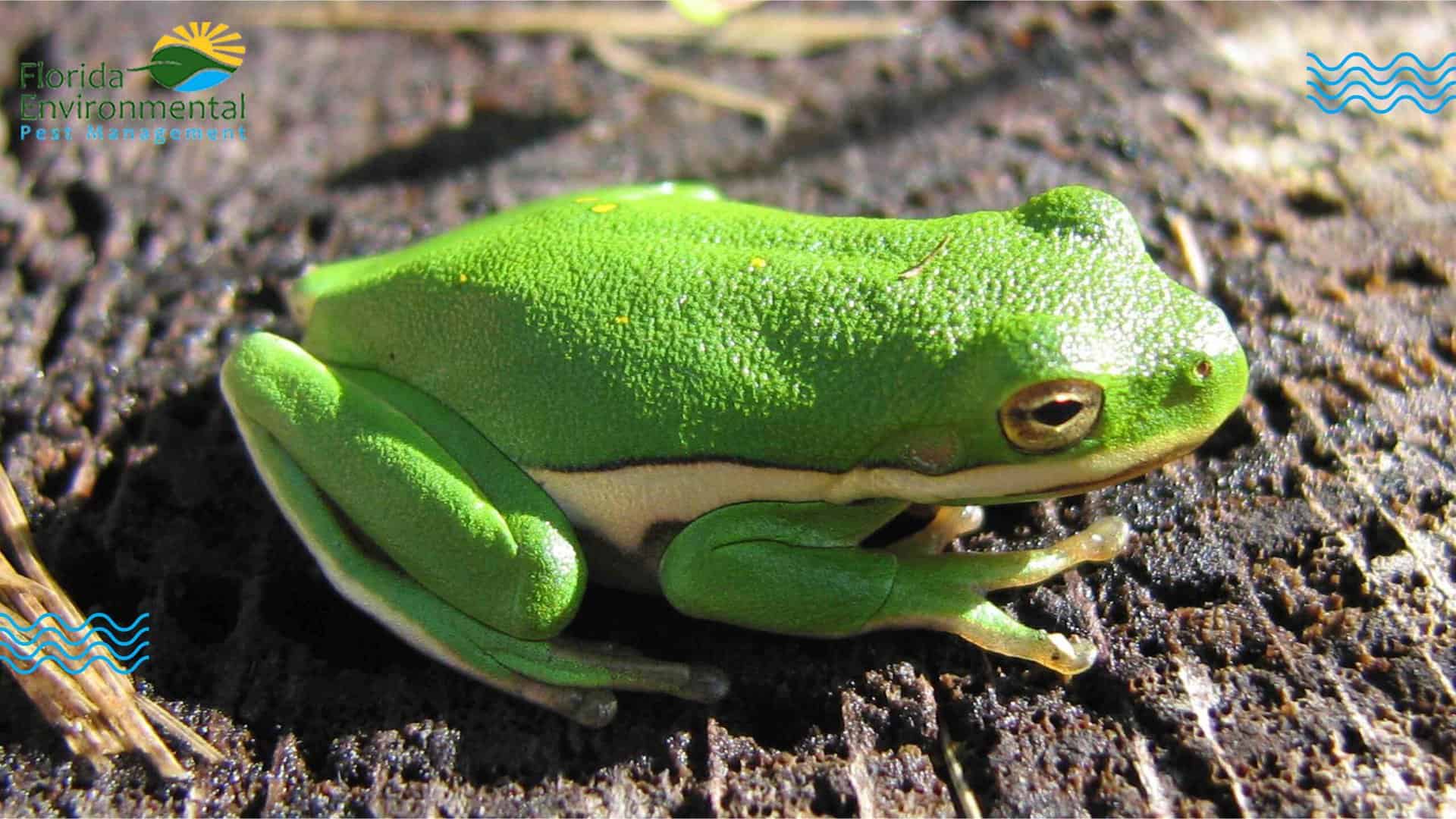
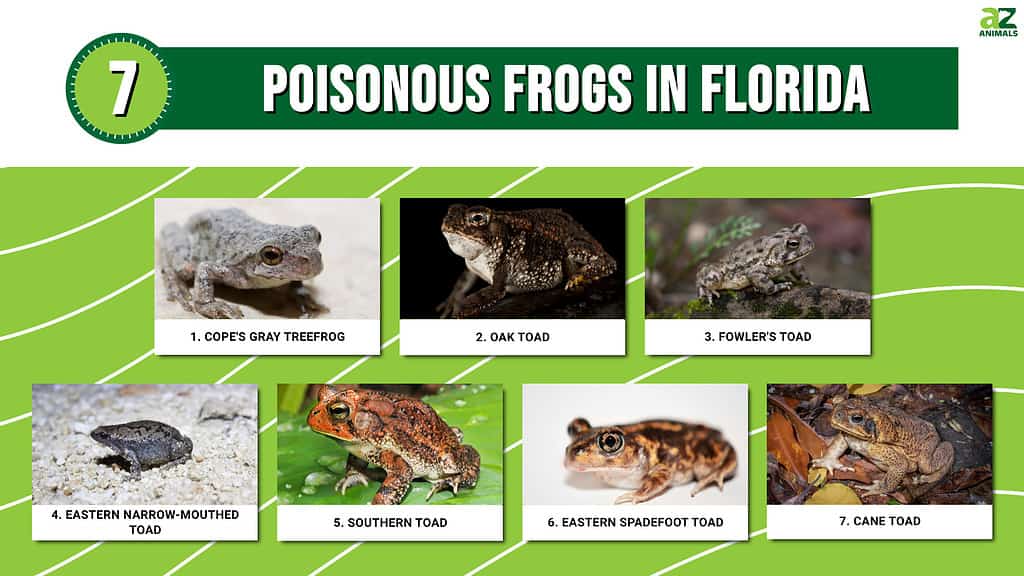
Many of Florida’s native frogs and toads are benign and an integral part of the local ecosystem. Species like the Green Tree Frog (Hyla cinerea), known for its vibrant color and melodic calls, are frequently spotted in gardens, on windows, and near water bodies. The Squirrel Tree Frog (Hyla squirella) and various species of chorus frogs also contribute to the state’s natural symphony, especially after rain. Even native toads, such as the Oak Toad (Anaxyrus quercicus), are generally harmless to humans, though they do possess small glands that secrete mild irritants as a defense mechanism. Accidental contact might cause slight skin irritation, but serious harm is rare. These creatures primarily pose a threat to insects, playing a vital role in pest control, and are generally best observed from a respectful distance.
The Invasive Cane Toad (Rhinella marina): A Significant Concern
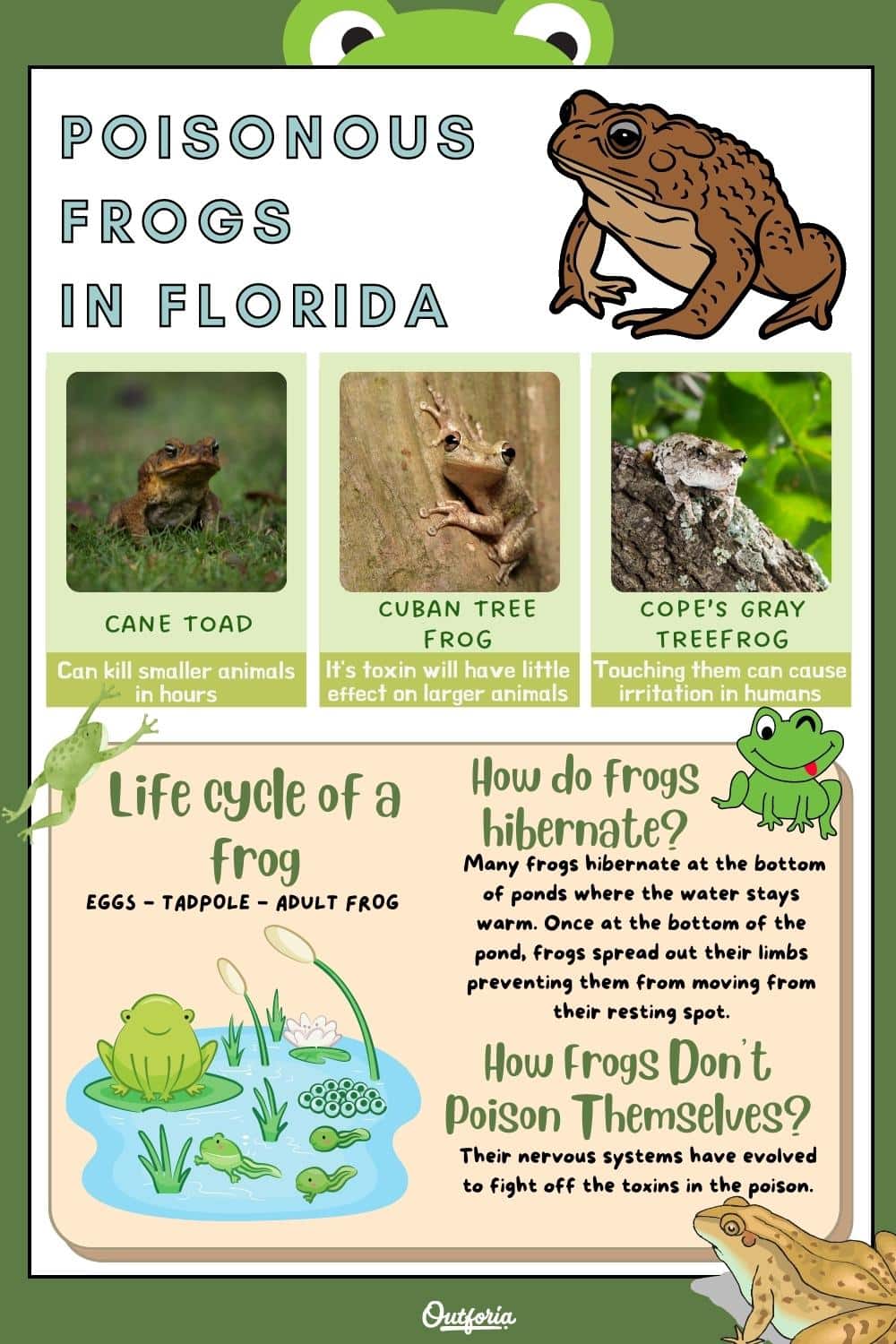
The most significant “poisonous” amphibian concern for tourists in Florida is the invasive Cane Toad, also known as the Bufo Toad or Giant Toad. Originally introduced to control agricultural pests, these large, warty toads have become an ecological problem and a health hazard. Cane Toads are easily identifiable by their large size (up to 9 inches long), prominent bony ridges above their eyes, and large, triangular parotoid glands located behind their eyes. These glands secrete a milky, highly toxic substance called bufotoxin.
Bufotoxin is a cardiac glycoside that can be lethal if ingested, especially by small animals like curious pets. For humans, contact with the toxin can cause skin irritation, temporary blindness if rubbed into the eyes, and in severe cases, nausea, irregular heartbeat, and even death, though human fatalities are extremely rare. Cane Toads are most active at night, particularly after rain, and are commonly found in suburban gardens, golf courses, and near water features, making encounters frequent in populated tourist areas. Their presence necessitates careful attention, particularly for families traveling with young children or pets.
The Cuban Tree Frog: Another Invasive Presence
Another prevalent invasive species is the Cuban Tree Frog (Osteopilus septentrionalis). These frogs are known for their large size compared to native tree frogs (up to 5 inches), rough skin, and often variable coloration, ranging from white to brown or green. They are often found clinging to walls, windows, and plants, especially near lights at night where they hunt insects. While not as lethally toxic as the Cane Toad, the Cuban Tree Frog also secretes a sticky mucus that can be irritating to human skin and eyes. If these secretions get into the eyes, they can cause a burning sensation and temporary discomfort. Tourists should avoid handling these frogs directly. Their invasive nature also means they prey on native Florida frogs, making their presence a concern for ecological balance.
Tourist Safety and Interaction Tips in Florida
Ensuring safety while enjoying Florida’s’s natural wonders, especially regarding its amphibian inhabitants, requires a few practical precautions.
Observe, Don’t Touch
The most fundamental rule when encountering any wildlife, including frogs and toads, is to observe them from a distance and never attempt to handle them. Even seemingly harmless native species can excrete mild irritants, and distinguishing between native and invasive species can be challenging for the untrained eye. Keeping hands to oneself prevents accidental contact with toxins and protects both humans and the animals. Remember, these creatures are part of Florida’s unique biodiversity and should be respected in their natural habitat.
Pet Safety
For tourists traveling with pets, particularly dogs, awareness of poisonous toads is critical. Dogs are often curious and may attempt to lick, mouth, or even eat a Cane Toad. Symptoms of bufotoxin poisoning in pets can include excessive drooling, pawing at the mouth, vocalization, vomiting, loss of coordination, seizures, and even death. If you suspect your pet has come into contact with a Cane Toad:
- Immediately flush your pet’s mouth with water using a hose, aiming from the side of the mouth to wash the toxin out, not down the throat.
- Wipe the gums and tongue with a damp cloth to remove any remaining residue.
- Seek immediate veterinary attention. Time is critical in these situations.
Keep dogs on a leash, especially at night or in areas with dense vegetation, and be vigilant about what they investigate.
Nighttime Awareness
Many amphibians, especially toads, are nocturnal. They become most active at dusk and after dark, particularly following rain showers. When walking in gardens, near ponds, or on paths in natural areas during these times, carry a flashlight and be aware of your surroundings. Look down at your path to avoid stepping on or accidentally disturbing any frogs or toads. This awareness extends to children, who should be supervised and educated about not approaching nocturnal wildlife.
Educate Children
Children, with their natural curiosity, are more likely to attempt to pick up or play with frogs and toads. It is vital to educate them about the potential dangers, especially concerning the Cane Toad and Cuban Tree Frog. Teach them to simply look at the amphibians but never to touch. Explaining the importance of respecting wildlife and maintaining a safe distance is a crucial lesson for young travelers.
Hand Hygiene
Even without directly touching an amphibian, toxins can be transferred indirectly. For instance, a toad might have crawled across a patio chair or a garden tool. It’s a good practice to wash hands thoroughly with soap and water after spending time outdoors, especially before eating or touching your face. This simple measure significantly reduces the risk of accidental exposure to irritants or toxins.
Florida’s Ecosystem: Appreciating Amphibians Responsibly
While the presence of poisonous toads necessitates caution, it’s important not to let this overshadow the incredible natural beauty and diversity that Florida offers. Frogs and toads are fascinating creatures that play vital roles in their ecosystems, from consuming insects to serving as food for other wildlife. They are an integral part of Florida’s’s unique soundscape and natural allure.
For tourists, engaging in responsible tourism means appreciating these animals in their natural settings without disturbing them. Many nature centers and state parks throughout Florida offer educational programs and guided tours that provide insights into the state’s amphibians, highlighting their biology, ecological importance, and conservation needs. These experiences can deepen a visitor’s understanding and appreciation for the local environment.
By combining awareness of the potentially harmful species with respectful observation, tourists can safely enjoy Florida’s’s vibrant natural world. A little knowledge goes a long way in turning potential risks into opportunities for insightful and memorable wildlife encounters, ensuring your Florida vacation is not only fun but also safe and enriching.
LifeOutOfTheBox is a participant in the Amazon Services LLC Associates Program, an affiliate advertising program designed to provide a means for sites to earn advertising fees by advertising and linking to Amazon.com. Amazon, the Amazon logo, AmazonSupply, and the AmazonSupply logo are trademarks of Amazon.com, Inc. or its affiliates. As an Amazon Associate we earn affiliate commissions from qualifying purchases.