
Hawaii, the paradisiacal archipelago in the Pacific Ocean, is renowned for its breathtaking natural beauty, vibrant local culture, and a plethora of outdoor adventures. Visitors flock to the Hawaiian Islands for their pristine beaches, lush rainforests, dramatic volcanic landscapes, and the chance to experience a unique Polynesian way of life. However, as with any travel destination, it’s natural for curious minds to ponder the presence of potential hazards. One question that frequently arises, especially for those planning a trip to this tropical haven, is: “Are there poisonous snakes in Hawaii?”
The answer, in short, is a resounding no, with a crucial caveat. Hawaii is famously free of native venomous snakes. This remarkable absence is a significant factor in the islands’ appeal and safety for both residents and tourists. Unlike many other tropical regions around the globe, you won’t encounter pit vipers, rattlesnakes, or cobras slithering through the jungles or across your path on a hike. This is a fact that significantly contributes to the relaxed atmosphere and peace of mind for many who explore the diverse terrains, from the volcanic slopes of Maui to the verdant valleys of Kauai.
The Unique Ecological Landscape of Hawaii
The unique ecological situation in Hawaii is a result of its extreme geographic isolation. Formed by volcanic activity millions of years ago, the islands are thousands of miles from the nearest continental landmass. This isolation meant that very few terrestrial animals, including snakes, could naturally reach the islands without human intervention. Over millennia, the native Hawaiian ecosystem evolved in the absence of reptilian predators that might prey on native birds or other small creatures. This evolutionary path has shaped a unique biodiversity, and the absence of venomous snakes is a cornerstone of that.
The Role of Isolation in Native Ecosystems
The concept of island biogeography highlights how isolation drives unique evolutionary pathways. In the case of Hawaii, this isolation prevented the colonization of many species that are common elsewhere. For snakes to reach Hawaii naturally would require an incredible feat of survival, perhaps clinging to floating debris during ocean currents, a statistically improbable event. Consequently, the native flora and fauna developed without the evolutionary pressure of snakes, leading to a delicate balance that could be easily disrupted by invasive species.
The Impact of Invasive Species
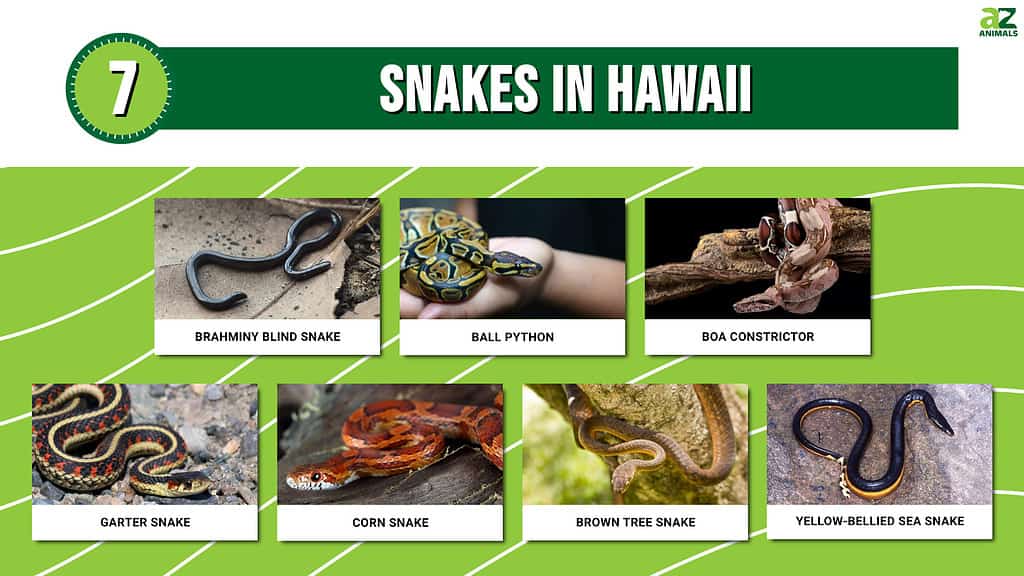
While native venomous snakes are absent, the story of snakes in Hawaii is not entirely devoid of reptilian presence. The islands have faced challenges with invasive species, and this includes snakes. The most infamous of these is the brown tree snake (Boiga irregularis). This non-native reptile was accidentally introduced to Guam in the late 1940s and has since caused devastating ecological damage, decimating native bird populations. Thankfully, and crucially for Hawaii, rigorous biosecurity measures are in place to prevent the introduction and spread of such species.
The Hawaii Department of Agriculture employs strict protocols at airports and seaports, including cargo inspections and public awareness campaigns. These measures are designed to intercept any potential invasive snakes before they can establish a population. While the threat is real, and vigilance is paramount, the success of these efforts means that the average visitor to Hawaii is highly unlikely to encounter any snake, let alone a venomous one, in their travels. This meticulous approach ensures that the natural beauty and delicate ecosystems of Hawaii are protected.
What About Non-Venomous Snakes and Other Reptiles?
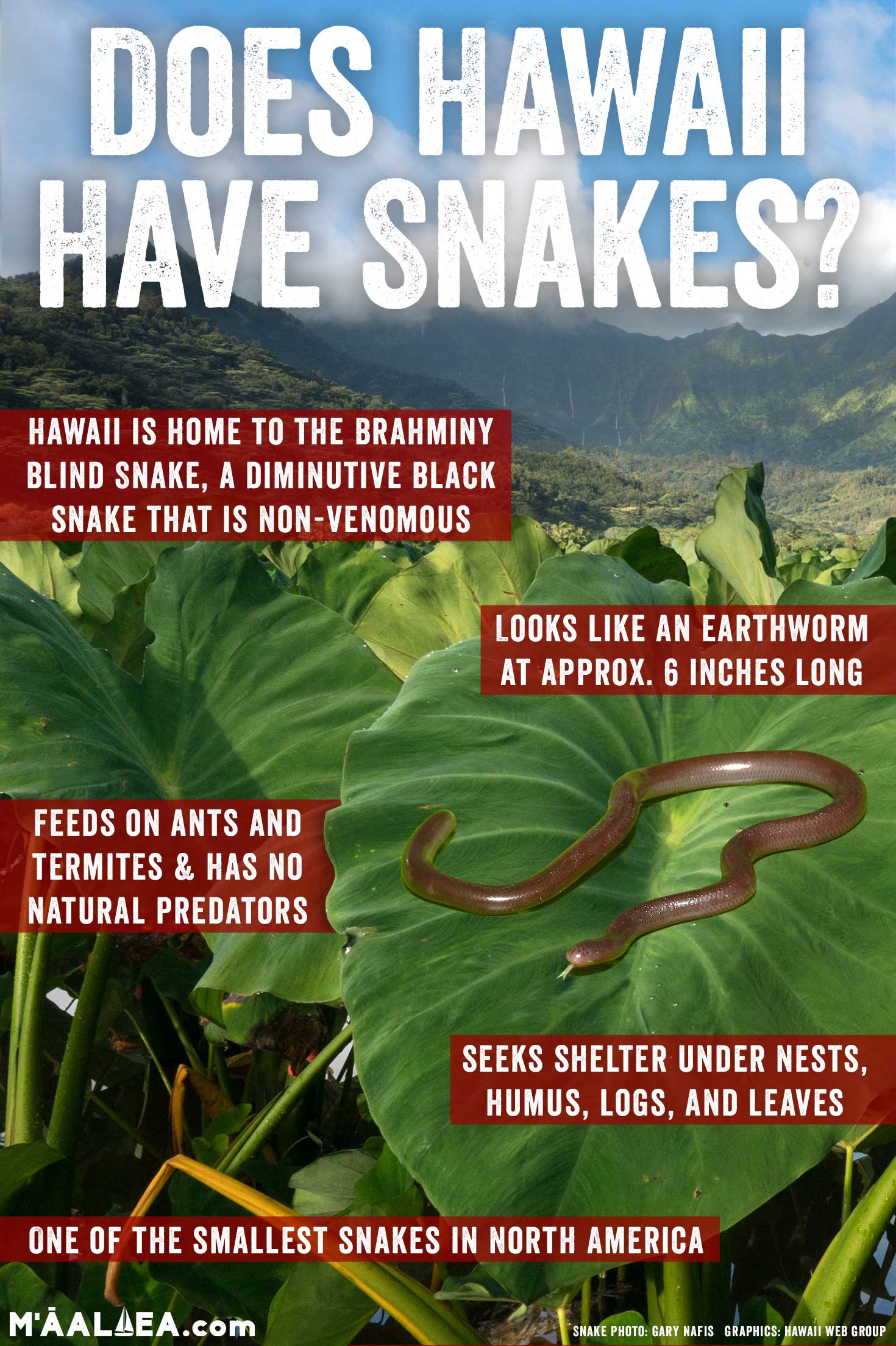
While the fear of poisonous snakes is a primary concern for many travelers, it’s worth clarifying that Hawaii also has a very limited population of non-venomous snakes. These are typically small, shy creatures that are rarely seen. The most common non-venomous snake you might theoretically encounter is the thread snake, which is small and lives underground. However, sightings are exceedingly rare, and these snakes pose absolutely no threat to humans or pets.
Beyond snakes, Hawaii does have some native and introduced reptiles. For instance, geckos are ubiquitous on the islands and are often seen on walls and ceilings, both in hotels and in natural settings. These small lizards are completely harmless and are generally considered a good omen by many locals, as they help control insect populations. You might also encounter sea turtles while snorkeling or diving, such as the green sea turtle (Chelonia mydas), which is a protected species and a magnificent sight to behold in the turquoise waters off Hawaii’s coast.
The Presence of Geckos and Other Lizards
Geckos are a familiar sight across the Hawaiian Islands. These small, often colorful lizards are masters of camouflage and are most active at dawn and dusk. They are an integral part of the Hawaiian ecosystem, primarily feeding on insects. You’ll find them on the grounds of resorts like the Grand Hyatt Hotel Kauai Resort & Spa or scampering across the walls of your villa in Maui. Their presence is a testament to the islands’ thriving biodiversity, and they are entirely beneficial creatures.
Introduced Reptiles and Their Impact
While geckos are a welcome addition to the Hawaiian landscape, other introduced reptiles have had a more mixed impact. For instance, green anoles and Jackson’s chameleons have been introduced to the islands and can be found in various habitats. The Jackson’s chameleon, with its distinctive three horns, is a particular favorite for photographers due to its unique appearance and slow, deliberate movements. These introductions, while not posing a direct threat of venom, can sometimes compete with native species for food or habitat. However, they are generally not considered dangerous to humans.
Ensuring a Safe and Enjoyable Trip to Hawaii
The absence of poisonous snakes in Hawaii significantly enhances the safety and appeal of the islands for travelers. This allows visitors to fully immerse themselves in the natural wonders, from hiking through the lush valleys of the Na Pali Coast on Kauai to exploring the volcanic craters of Hawaii Volcanoes National Park on the Big Island. You can relax on the beaches of Waikiki on Oahu or enjoy a scenic drive along the Road to Hana in Maui without the concern of encountering venomous serpents.
Planning Your Hawaiian Adventure
When planning your Hawaiian adventure, whether you’re looking for luxury resorts, charming apartments, or spacious villas, the focus can remain squarely on the incredible experiences awaiting you. From the historical significance of Pearl Harbor to the natural grandeur of Diamond Head, Hawaii offers a diverse range of attractions. The ease of exploring its natural beauty, knowing you are not at risk from venomous snakes, allows for a truly carefree vacation.
Tips for Travelers
To further ensure a safe and enjoyable trip, it’s always wise to be aware of your surroundings and respect the natural environment. While venomous snakes are not a concern, it’s good practice to stay on marked trails when hiking, avoid disturbing wildlife, and be mindful of other potential natural hazards such as strong ocean currents or uneven terrain. For those interested in marine life, consider a snorkeling or diving excursion in places like Molokini Crater for a chance to see the vibrant underwater world.
Ultimately, the peace of mind that comes from knowing Hawaii is free from native poisonous snakes allows visitors to fully embrace the spirit of Aloha and enjoy all the spectacular experiences the islands have to offer. The focus can be on the warm Hawaiian hospitality, the delicious local cuisine, and the unforgettable landscapes, making your trip to the Aloha State a truly magical and worry-free experience. Whether you are on a budget travel adventure, a luxurious family trip, or a serene business stay, the absence of venomous snakes contributes to the overall tranquility and pleasure of your Hawaiian escape.
LifeOutOfTheBox is a participant in the Amazon Services LLC Associates Program, an affiliate advertising program designed to provide a means for sites to earn advertising fees by advertising and linking to Amazon.com. Amazon, the Amazon logo, AmazonSupply, and the AmazonSupply logo are trademarks of Amazon.com, Inc. or its affiliates. As an Amazon Associate we earn affiliate commissions from qualifying purchases.