
Florida, often lauded for its sun-drenched beaches, vibrant theme parks, and burgeoning real estate market, is a perennial favorite for both vacationers and permanent residents. For many considering a move or an extended stay, understanding the financial implications is paramount. Among these considerations, property taxes frequently surface as a key point of inquiry. This article delves into the intricacies of property taxes in the Sunshine State, offering a comprehensive overview for potential homeowners, investors, and even long-term renters seeking to grasp the full picture of Florida’s financial landscape.
Understanding Florida’s Property Tax System
Florida’s property tax system is characterized by its local administration and a commitment to limiting excessive tax burdens on its residents. Unlike some states where property taxes are a significant state-level concern, in Florida, they are primarily levied by local government entities such as counties, municipalities, and special taxing districts (e.g., school districts, water management districts). This decentralized approach means that tax rates can vary considerably from one locale to another, even within the same county.
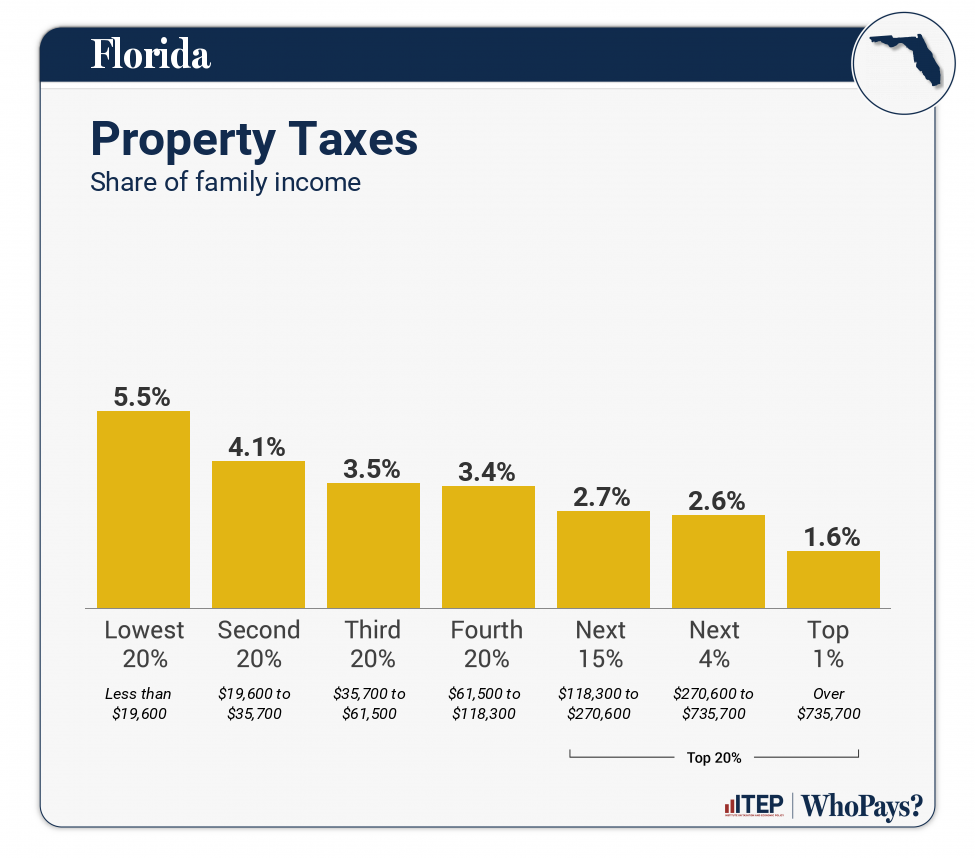
The fundamental principle behind property taxes is that they are based on the assessed value of real estate. This assessed value is determined by the county property appraiser’s office. The process typically involves annual revaluations, though the methodology and frequency can be subject to specific exemptions and protections afforded to homesteaded properties.
Assessment and Valuation
The initial step in the property tax process is the assessment of a property’s value. This is conducted by the County Property Appraiser. The appraiser’s office uses various methods to determine the fair market value of properties within their jurisdiction. These methods can include:
- Sales Comparison Approach: Analyzing recent sales of comparable properties in the same area.
- Cost Approach: Estimating the cost to replace the property with a similar one, accounting for depreciation.
- Income Approach: For income-producing properties, assessing the potential rental income it can generate.
Once the fair market value is established, the assessed value is calculated. For properties that are not homesteaded, the assessed value is generally the same as the fair market value. However, for homesteaded properties (primary residences), Florida offers significant protections.
Homestead Exemption: A Cornerstone of Florida Property Taxation
The Homestead Exemption is arguably the most critical feature of Florida’s property tax system for individual homeowners. It provides a substantial reduction in the taxable value of a primary residence. To qualify, an individual must own the property, reside in it as their permanent home, and file for the exemption with their county property appraiser’s office by March 1st of the tax year.
The basic homestead exemption reduces the assessed value of a homesteaded property by $25,000 for all tax levies. Additionally, for tax levies imposed by county-wide taxing authorities, there is a further exemption of $25,000 on the assessed value between $50,000 and $75,000. This means that the first $25,000 of assessed value is exempt, then the portion from $25,001 to $50,000 is taxed, and then another $25,000 exemption applies to the portion from $50,001 to $75,000. Effectively, this can lead to a significant reduction in the overall tax bill for primary residences.
Beyond the basic homestead exemption, Florida offers numerous other exemptions that can further reduce property tax liability. These include exemptions for:
- Senior Citizens: Available to those who meet certain age and income requirements.
- Disabled Veterans: Providing substantial relief for those who have served the country.
- Surviving Spouses: Offering a continuation of the deceased spouse’s homestead exemption.
- First Responders: Recognizing the service of law enforcement officers, firefighters, and emergency medical technicians.
- Affordable Housing: For properties designated as affordable housing.
These exemptions are crucial for managing the cost of homeownership in Florida and are a primary reason why many individuals choose to establish residency in the state.
Millage Rates and Tax Calculation
Once the taxable value of a property is determined (after exemptions), it is multiplied by the applicable millage rate to calculate the actual tax amount. A mill is one-tenth of a cent, or $0.001. Millage rates are set annually by each taxing authority (county, city, school district, etc.) and are expressed in mills per $1,000 of taxable value.
For example, if a property has a taxable value of $150,000 and the combined millage rate for all taxing districts in that area is 20 mills (or 0.020), the annual property tax would be:
$150,000 * 0.020 = $3,000
The total millage rate is the sum of the rates set by each individual taxing district that levies taxes on that particular property. This means that a property located within a city might have a higher combined millage rate than a similar property in an unincorporated area of the same county, due to the additional city tax levy.

The process of setting millage rates typically involves public hearings where local officials present their proposed budgets and justify the required tax revenue. The rates are ultimately adopted by the respective governing bodies.
Florida’s Save Our Homes Amendment
Another significant protection for Florida property owners is the Save Our Homes (SOH) Amendment. This amendment, enshrined in the Florida Constitution, limits the annual increase in assessed value for homesteaded properties to the lower of 3% or the Consumer Price Index (CPI) for the preceding year.
This provision prevents drastic annual increases in property tax bills due to soaring market values. Even if the market value of a homesteaded property increases significantly, its assessed value for tax purposes can only rise by a capped percentage. This creates a divergence between the assessed value and the market value over time, especially in rapidly appreciating real estate markets. When a homesteaded property is sold, the Save Our Homes benefit is reset to the new buyer’s initial assessed value, which will then be subject to the SOH cap in subsequent years.
Property Taxes for Non-Homesteaded Properties
While homesteaders enjoy considerable protections, properties that are not the owner’s primary residence, such as vacation homes, investment properties, or second homes, do not qualify for the homestead exemption or the Save Our Homes limitation on assessment increases. This means their assessed value will generally track closer to their market value, and their tax bills can be more volatile.
Vacation Homes and Second Residences
For individuals who own a vacation home or a second residence in Florida, property taxes will be calculated based on the full assessed value, with no homestead exemption applied. The annual assessment increases for these properties are not capped at 3% or the CPI and can rise in line with market appreciation. This is an important financial factor to consider for those who frequently visit or rent out their properties in the Sunshine State.
Investment Properties
Investment properties, including rental homes and commercial real estate, are also subject to property taxes based on their assessed value without homestead protections. These properties are particularly susceptible to market fluctuations in both value and millage rates. Owners of investment properties should carefully monitor annual assessment notices and be prepared for potential tax increases.
Special Considerations for Tourists and Short-Term Visitors
While tourists and short-term visitors to Florida are not directly responsible for property taxes in the way that homeowners are, they do indirectly contribute through sales taxes and often through the accommodation taxes levied on hotel stays and vacation rentals. These taxes help fund local services and infrastructure, including those that benefit the tourism industry.
For individuals considering a long-term stay or a vacation rental, it’s important to be aware that the cost of accommodation often includes these embedded taxes. While not a property tax in the traditional sense, these fees are part of the overall cost of enjoying Florida’s attractions.
Navigating Property Tax Regulations
Understanding Florida’s property tax laws can seem complex, but it is essential for making informed decisions about property ownership and financial planning.
Staying Informed and Proactive
- Review Assessment Notices: Property owners should meticulously review their annual Notice of Proposed Property Taxes and Truth in Millage (TRIM) notices. These documents detail the property’s assessed value, exemptions applied, and the proposed millage rates.
- Appeal Assessments: If a property owner believes their property has been over-assessed, they have the right to appeal the valuation to the Value Adjustment Board in their county. This process typically involves providing evidence to support a lower valuation.
- Understand Exemptions: Thoroughly research all available exemptions for which you might qualify, especially if you are establishing Florida residency. The property appraiser’s office is the best resource for this information.
- Monitor Millage Rate Changes: Keep an eye on local government budget discussions and the adoption of millage rates. Changes can impact your tax liability.

Seeking Professional Advice
For those new to Florida or for owners of significant real estate holdings, consulting with a qualified real estate attorney or a tax professional specializing in Florida property law can be invaluable. They can provide tailored advice, assist with exemption applications, and represent clients in assessment appeals.
In conclusion, while Florida does indeed have property taxes, its system is designed with significant protections for primary residents, particularly through the Homestead Exemption and the Save Our Homes Amendment. For non-homesteaded properties and investment ventures, understanding the dynamics of market-based assessments and local millage rates is crucial for effective financial management. By staying informed and proactive, property owners can navigate these regulations with confidence and maximize their enjoyment of all that Florida has to offer.
LifeOutOfTheBox is a participant in the Amazon Services LLC Associates Program, an affiliate advertising program designed to provide a means for sites to earn advertising fees by advertising and linking to Amazon.com. Amazon, the Amazon logo, AmazonSupply, and the AmazonSupply logo are trademarks of Amazon.com, Inc. or its affiliates. As an Amazon Associate we earn affiliate commissions from qualifying purchases.