
Florida, a state renowned for its sun-drenched beaches, vibrant ecosystems, and diverse wildlife, often conjures images of palm trees swaying in the breeze and perhaps the occasional alligator sighting. However, a less visible, yet significantly impactful, reptilian resident has become a prominent feature of the Sunshine State: the python. Specifically, the Burmese python, an invasive species, has established a formidable presence, particularly within the southern reaches of Florida. Understanding their presence is crucial for anyone exploring or planning to explore these unique natural landscapes.
The Invasive Species Phenomenon
The arrival and proliferation of Burmese pythons in Florida represent a classic case of an invasive species disrupting a native ecosystem. These large constrictors, native to Southeast Asia, were not always a part of the Florida wild. Their introduction is largely attributed to the exotic pet trade. For decades, Burmese pythons were popular pets, and unfortunately, many escaped or were intentionally released into the wild by owners who could no longer care for them. The warm, humid climate and abundant food sources in Florida provided an ideal environment for these pythons to not only survive but thrive and reproduce.

Origins and Introduction
The exotic pet trade served as the primary conduit for Burmese pythons entering Florida. Individuals seeking exotic companions acquired these impressive snakes, and a subset of these pets eventually found their way into the environment. This accidental or deliberate release, compounded over years, laid the foundation for a burgeoning wild population. The absence of natural predators and the availability of a rich prey base allowed these pythons to rapidly establish a foothold.
Environmental Impact
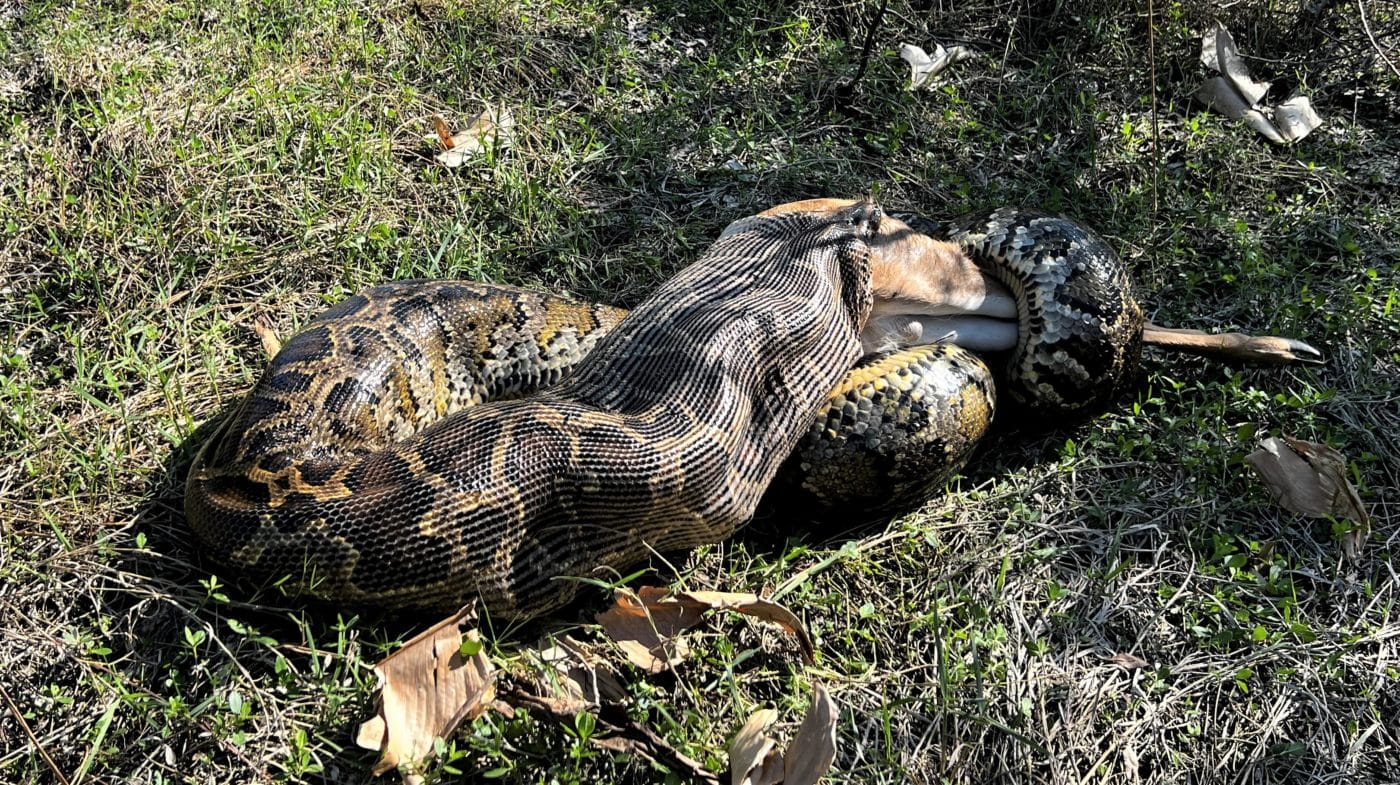
The ecological consequences of this invasive presence are profound and far-reaching. Burmese pythons are apex predators, meaning they sit at the top of the food chain. Their diet consists of a wide variety of native Florida wildlife, including mammals, birds, and other reptiles. The sheer predatory pressure exerted by these large snakes has led to dramatic declines in populations of many native species. Researchers have documented alarming drops in the numbers of raccoons, opossums, bobcats, marsh rabbits, and various bird species in areas with high python densities. This imbalance has cascading effects throughout the food web, potentially altering the very fabric of the Everglades ecosystem.
Where to Encounter Pythons (and How to Stay Safe)
The primary habitat for Burmese pythons in Florida is the vast and ecologically significant Everglades National Park and surrounding areas in South Florida. This sprawling wetland ecosystem provides the ideal conditions—warm temperatures, ample water, and a diverse array of prey—for these reptiles to flourish. While pythons can be found in various parts of this region, including marshlands, sawgrass prairies, and even suburban canals, their presence is most concentrated in the more remote and undeveloped areas.
Understanding Python Habitats
Burmese pythons are highly adaptable and can be found in a range of environments within South Florida. Their preferred habitats include:
- Wetlands: The Everglades are a prime example, offering dense vegetation, water sources, and abundant prey.
- Sawgrass Prairies: These open, grassy wetlands are also favored hunting grounds.
- Urban and Suburban Edges: As populations grow, pythons have been observed in canals, drainage ditches, and even backyards in areas bordering the Everglades, such as Miami-Dade County and Collier County. This expansion into human-populated areas raises concerns for pet safety and human encounters.
Safety Precautions for Visitors
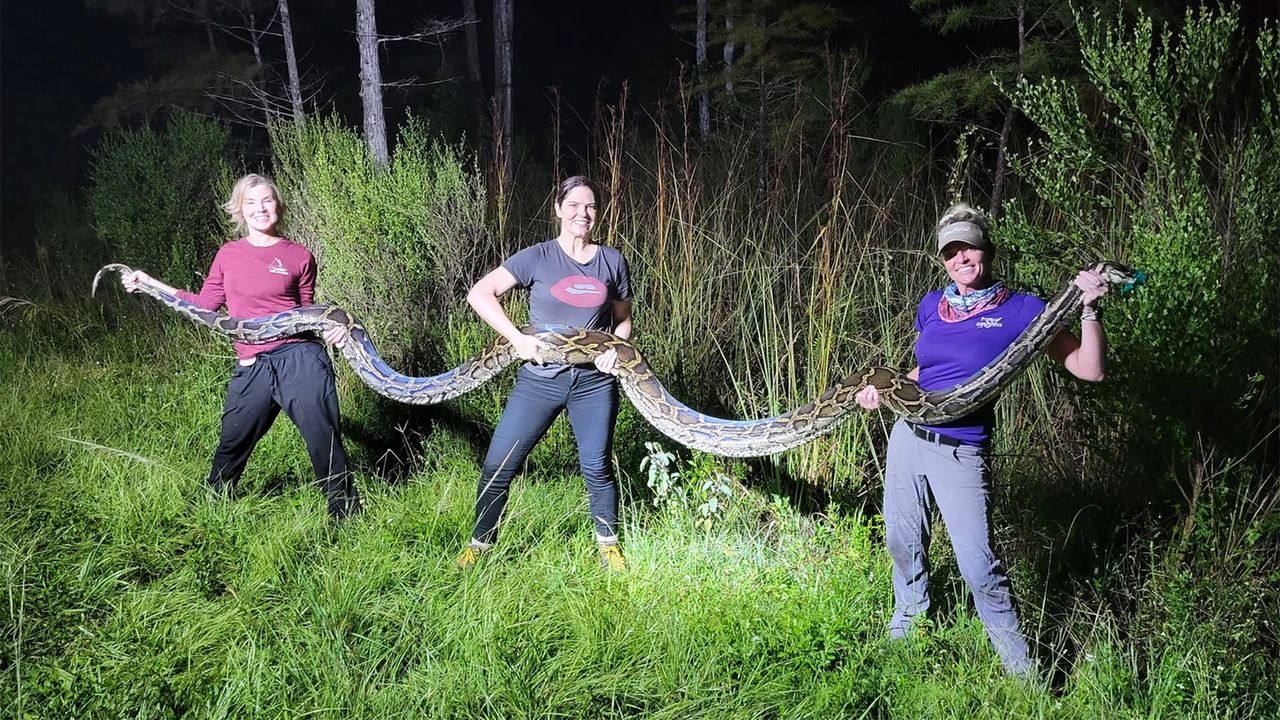
While the idea of encountering a python in the wild can be intriguing for some, it is crucial to approach these encounters with caution and respect for both the animal and your own safety. The Florida Fish and Wildlife Conservation Commission (FWC) provides guidelines for managing invasive pythons and interacting with them safely.
- Observe from a Distance: If you are fortunate (or unfortunate) enough to spot a python, maintain a significant distance. These are powerful wild animals, and approaching them can be dangerous.
- Do Not Handle: Under no circumstances should you attempt to capture or handle a wild python. They are venomous and can inflict serious bites, and their constricting ability can be dangerous. Only trained and authorized personnel should attempt capture.
- Report Sightings: If you see a python in an area where they are not typically found, or if it is posing a direct threat, report it to the FWC. This information is vital for tracking and managing the invasive population.
- Supervise Children and Pets: When visiting areas known for python activity, always supervise children and pets closely. Keep pets on a leash and do not allow them to wander into dense vegetation or near water bodies where pythons may be hiding.
- Be Aware of Your Surroundings: When hiking or exploring in python territory, be mindful of where you step and place your hands. Pythons are excellent at camouflage and can blend seamlessly into their environment.
Efforts to Control and Eradicate Pythons
The challenge of managing and controlling the Burmese python population in Florida is immense. The sheer size of the invaded area and the reproductive capacity of the snakes make eradication a formidable, if not impossible, goal. However, various agencies and organizations are actively engaged in efforts to mitigate the impact of these invasive reptiles.
Government Initiatives and Research
The Florida Fish and Wildlife Conservation Commission (FWC) plays a leading role in python management. They implement strategies that include:
- Permit Programs: The FWC issues permits to individuals and organizations for the capture and removal of Burmese pythons. This allows for the controlled removal of snakes from sensitive areas.
- Public Awareness Campaigns: Educating the public about the dangers of releasing exotic pets and the importance of reporting python sightings is a crucial component of their strategy.
- Research and Monitoring: Scientists are continuously conducting research to understand python biology, movement patterns, and their impact on native ecosystems. This data informs management decisions and conservation efforts.
- South Florida Water Management District (SFWMD): This district is also involved in python control efforts, particularly within the lands they manage, which often overlap with python habitats. They employ python removal contractors and conduct research on effective removal methods.
Python Removal Programs
Several innovative programs are in place to actively remove pythons from the wild:
- FWC Python Removal Program: This program allows trained and permitted individuals to hunt and capture pythons. Successful hunters are often compensated for their efforts, providing an economic incentive for removal.
- Contracted Removal: The FWC and SFWMD contract with professional snake hunters to systematically remove pythons from high-priority areas. These individuals possess specialized skills and equipment for safe and effective capture.
- Trapping and Genetic Studies: Research also involves trapping pythons to study their genetic makeup, which helps understand the origins and spread of the population. This can also involve placing devices on captured snakes to track their movements.
The Role of Conservation and Public Engagement
Beyond official programs, conservation organizations and engaged citizens play a vital role. Efforts focus on:
- Habitat Restoration: While not directly removing pythons, restoring degraded habitats can help native species become more resilient to python predation.
- Citizen Science: Encouraging the public to report python sightings through dedicated apps and hotlines provides valuable data for researchers and management agencies. This widespread reporting helps map python distribution and identify hotspots.
- Education and Outreach: Informing the public about the issue and encouraging responsible pet ownership is key to preventing future introductions. Many organizations offer educational programs to schools and the public.
The presence of pythons in Florida is a complex issue with significant ecological implications. While they are a stark reminder of the challenges posed by invasive species, ongoing research, dedicated removal efforts, and public awareness are crucial in the ongoing battle to protect Florida’s unique natural heritage. For visitors and residents alike, understanding this aspect of Florida’s ecosystem is part of appreciating the delicate balance of its wild spaces.
LifeOutOfTheBox is a participant in the Amazon Services LLC Associates Program, an affiliate advertising program designed to provide a means for sites to earn advertising fees by advertising and linking to Amazon.com. Amazon, the Amazon logo, AmazonSupply, and the AmazonSupply logo are trademarks of Amazon.com, Inc. or its affiliates. As an Amazon Associate we earn affiliate commissions from qualifying purchases.