
For travelers venturing into the stunning landscapes of Colorado, a common question often arises, particularly for those planning to explore the state’s vast wilderness: are there rattlesnakes in Colorado? The unequivocal answer is yes. Colorado is home to several species of rattlesnakes, and understanding their presence, habitats, and behaviors is an essential part of responsible and safe travel within the state. Far from being a deterrent, this knowledge empowers visitors to appreciate Colorado’s natural beauty while respecting its diverse wildlife. This guide will delve into what travelers need to know about rattlesnakes in Colorado, ensuring an informed and enjoyable experience amidst its majestic mountains, plains, and deserts.

The Untamed Beauty of Colorado and Its Reptilian Inhabitants
Colorado’s appeal lies in its dramatic contrasts, from the towering peaks of the Rocky Mountains to the sprawling eastern plains and the arid canyons of the western slope. This geographical diversity creates a myriad of ecosystems, each supporting a unique array of flora and fauna. Among these fascinating creatures are rattlesnakes, an integral part of Colorado’s natural heritage. Understanding their role in the ecosystem and their presence helps travelers appreciate the state’s untamed character.
A Diverse Ecosystem
Colorado boasts an incredible range of elevations and climates, influencing everything from the types of plants that grow to the animals that thrive. While the high-altitude alpine tundras are generally too cold for rattlesnakes, the warmer, lower elevations, particularly those with rocky outcrops, scrublands, and grasslands, provide ideal habitats. These reptiles play a crucial role as predators, helping to control rodent populations, which in turn impacts the health of vegetation and other wildlife. For the discerning traveler, recognizing the interconnectedness of these natural elements enriches the entire journey.
Common Rattlesnake Species in Colorado
Three primary species of rattlesnakes are found in Colorado, each with specific characteristics and preferred habitats:
-
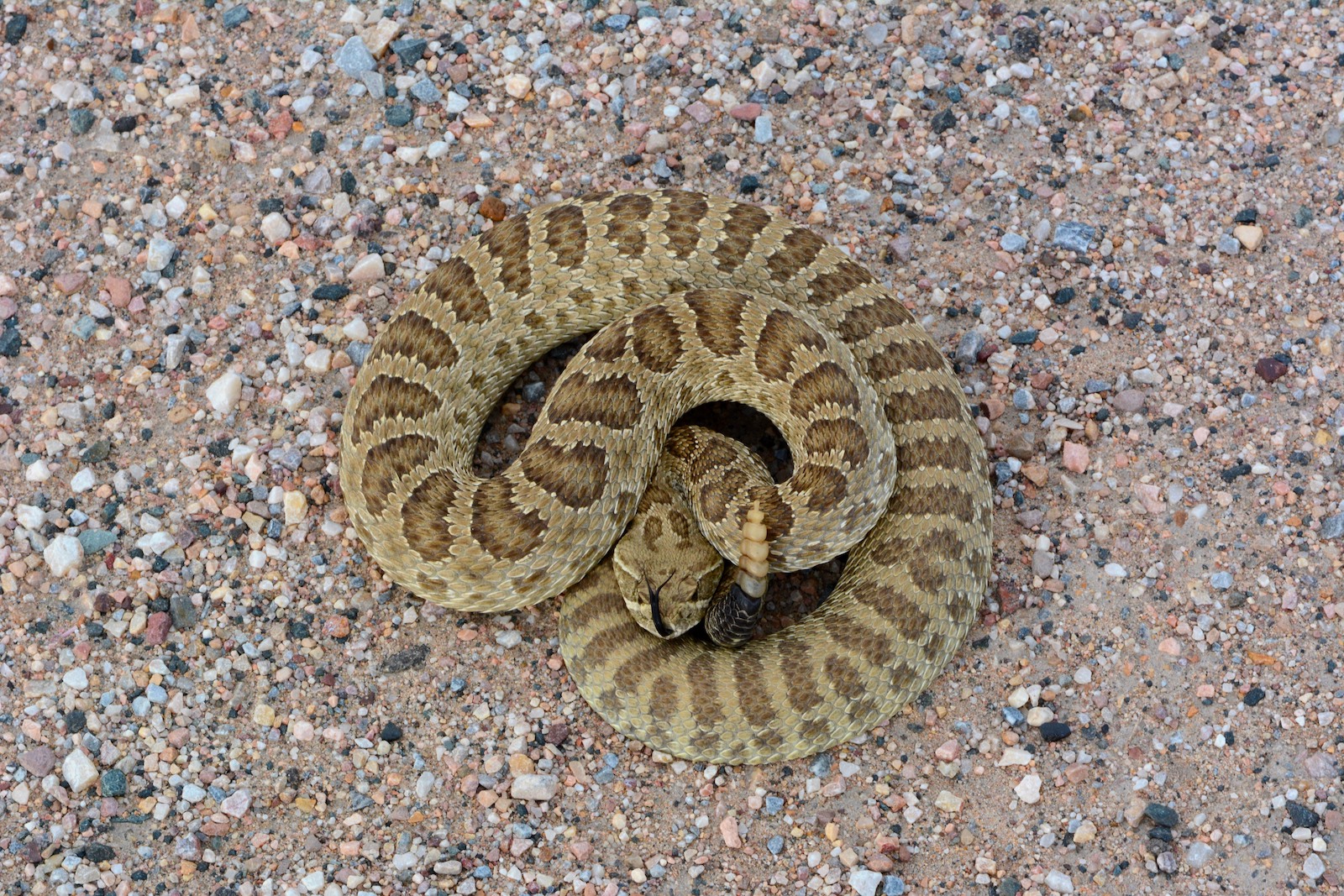
Prairie Rattlesnake (Crotalus viridis): This is by far the most widespread and commonly encountered rattlesnake in Colorado. As its name suggests, it primarily inhabits the eastern plains and the Front Range foothills, extending into the western slopes in some areas. They are typically light brown, olive green, or grayish, with dark, irregular blotches along their backs. Travelers hiking or camping in grasslands, open prairies, and lower elevation rocky areas are most likely to encounter a Prairie Rattlesnake.
-
Midget Faded Rattlesnake (Crotalus concolor): A smaller and less common species, the Midget Faded Rattlesnake is primarily found in the semi-arid, rocky canyons and shrublands of western Colorado, particularly around the Grand Junction area. Their coloration tends to be paler, often matching the sandy, rocky terrain, making them incredibly difficult to spot. Their venom is potent, but due to their smaller size and limited range, bites are less common.
-
Western Rattlesnake (Crotalus oreganus): While the Prairie Rattlesnake is often considered a subspecies of the Western Rattlesnake, some classifications list the Western Rattlesnake as present in Colorado in its own right, particularly in the western and southwestern parts of the state. Generally, travelers can consider the characteristics and precautions for the Prairie Rattlesnake to be broadly applicable for most rattlesnake encounters in Colorado.
Where Rattlesnakes Reside: Habitats and Hotspots
Knowing where rattlesnakes prefer to live is critical for travelers planning their Colorado adventures. Their distribution is not uniform across the state, and certain environments increase the likelihood of an encounter. Awareness of these habitats allows for better planning and increased vigilance, making for a safer and more enjoyable trip.
Preferred Environments
Rattlesnakes are cold-blooded reptiles, meaning their body temperature is regulated by their external environment. This influences their habitat preferences:
- Rocky Outcrops and Ledges: These provide ideal basking spots for thermoregulation and offer crevices for shelter from predators and extreme temperatures.
- Grasslands and Prairies: Especially prevalent in eastern Colorado and along the Front Range, these open areas provide ample hunting grounds for rodents, a primary food source.
- Shrublands and Deserts: Found in western and southern Colorado, these arid environments support species like the Midget Faded Rattlesnake.
- Near Water Sources: While not aquatic, rattlesnakes may venture near water to hunt or seek relief from heat, especially during dry periods.
- Disturbed Areas: Construction sites, abandoned buildings, and woodpiles can also attract rodents and, subsequently, rattlesnakes seeking prey or shelter.
Rattlesnakes are most active during warmer months, typically from April to October. They are often crepuscular (active at dawn and dusk) or nocturnal during the hottest summer days to avoid extreme heat, but they can be found basking during cooler daylight hours.
Geographic Distribution Across the State
Travelers exploring specific regions of Colorado should be particularly mindful of rattlesnake presence:
- Front Range Urban Interface: Cities like Denver, Boulder, and Colorado Springs are nestled against the foothills, where the Prairie Rattlesnake is common. Trails in areas like Jefferson County Open Space or Garden of the Gods often have signage warning of rattlesnakes.
- Eastern Plains: The vast grasslands east of the Front Range are prime Prairie Rattlesnake territory, extending through towns like Limon and Sterling to the state borders.
- Western Slope: Arid and semi-arid regions around Grand Junction, Montrose, and Delta are home to both Prairie Rattlesnakes and the elusive Midget Faded Rattlesnake. Areas along the Colorado River and its tributaries are particularly relevant.
- Southern Colorado: Regions near Pueblo, Cañon City, and the San Luis Valley also have rattlesnake populations, especially in the lower, drier areas.
- High Mountains: Generally, rattlesnakes are not found above 9,000 feet in elevation due to colder temperatures and shorter warm seasons. Travelers in Rocky Mountain National Park or other high-alpine areas are far less likely to encounter them.
Safety First: Encountering Rattlesnakes While Traveling in Colorado
While the thought of encountering a venomous snake might be daunting, rattlesnakes are generally not aggressive. They prefer to avoid human interaction and will typically only strike if they feel threatened or provoked. The key to safe travel in Colorado is awareness, respect for wildlife, and knowing how to react if an encounter occurs.
Precautionary Measures for Hikers and Outdoor Enthusiasts
Prevention is always the best approach. By taking a few simple precautions, travelers can significantly reduce the risk of a rattlesnake encounter:
- Stay on Marked Trails: This minimizes the chance of surprising a snake hidden in tall grass or dense vegetation.
- Watch Where You Step: Be mindful of your footing, especially when stepping over logs, rocks, or through tall grass. Avoid placing hands or feet where you cannot see clearly.
- Wear Appropriate Footwear: Sturdy, ankle-high hiking boots provide a layer of protection against accidental bites.
- Be Aware of Your Surroundings: Scan the ground ahead and listen for the distinctive rattle, which is a warning sign.
- Avoid Hiking at Dawn/Dusk or Night: Rattlesnakes are most active during these cooler periods, especially in summer. If hiking at these times, use a powerful flashlight.
- Do Not Use Headphones: Keeping your ears open for rattles or other wildlife sounds is crucial.
- Control Pets: Keep dogs on a leash to prevent them from disturbing or provoking snakes. Consider snake avoidance training for dogs that frequently hike in snake country.
- Educate Children: Teach them about rattlesnake safety and the importance of leaving snakes alone.
What to Do if You Encounter a Rattlesnake
Despite precautions, encounters can happen. Knowing how to respond calmly and correctly is paramount:
- Stop and Assess: Freeze immediately. Locate the snake and determine its distance and behavior.
- Maintain Distance: Rattlesnakes can strike about half their body length. Give them a wide berth – at least 6 feet (2 meters) is recommended.
- Do Not Approach or Provoke: Never try to capture, handle, or harass a rattlesnake, even if it appears dead. Do not try to move it off the trail.
- Retreat Slowly: Once you’ve assessed the situation and ensured a safe distance, slowly and carefully back away from the snake. Give it ample space to retreat if it chooses.
- Warn Others: Alert fellow hikers to the snake’s presence.
- Do Not Panic: Most rattlesnakes are not aggressive and would rather escape than engage. Staying calm helps you think clearly.
First Aid and Emergency Preparedness
While rare, a rattlesnake bite is a medical emergency. Travelers should be prepared:
- Stay Calm: Panic can increase heart rate and circulate venom more quickly.
- Call for Help Immediately: Dial 911 or your local emergency number. Provide your exact location.
- Immobilize the Affected Limb: Keep the bitten area at or below heart level to slow the spread of venom.
- Remove Jewelry/Tight Clothing: Swelling can occur rapidly.
- Do NOT:
- Apply a tourniquet.
- Cut the wound or try to suck out venom.
- Apply ice or heat.
- Drink alcohol or caffeine.
- Take pain relievers unless advised by medical professionals.
- Seek Medical Attention: Even if symptoms seem mild, all rattlesnake bites require professional medical evaluation and treatment with antivenom if necessary.
Consider carrying a basic first-aid kit, a fully charged phone, and informing someone of your hiking plans, especially if venturing into remote areas.
Dispelling Myths and Understanding Rattlesnake Behavior
A significant part of responsible travel involves dispelling common misconceptions and fostering a respectful understanding of local wildlife. Rattlesnakes are often unfairly demonized, leading to fear and misunderstanding. By learning about their true nature, travelers can approach encounters with confidence and respect.
Common Misconceptions
- “Rattlesnakes are aggressive and will chase you.” This is false. Rattlesnakes are defensive and will only strike if they feel cornered, threatened, or stepped on. Their primary defense mechanism is to rattle a warning and then escape.
- “Baby rattlesnakes are more dangerous because they can’t control their venom.” While baby rattlesnakes do lack full venom control, their venom quantity is often less than an adult’s. Any rattlesnake bite, regardless of age, should be treated as a medical emergency.
- “All rattlesnakes rattle before striking.” Not always. A rattlesnake might not rattle if it feels suddenly surprised or immediately threatened. It’s why vigilance is so important.
- “You can identify a rattlesnake’s age by its rattles.” While a new segment is added with each shed skin, the rattle can break off, making it an unreliable indicator of age.
Respecting Wildlife for a Safe Travel Experience
Rattlesnakes are a vital component of Colorado’s natural environment. They help maintain ecological balance by preying on rodents, which in turn helps control diseases and protect plant life. As travelers, our role is to observe and appreciate nature without interfering. This means giving wildlife, including rattlesnakes, the space they need to thrive undisturbed. Responsible travel practices ensure that these magnificent creatures continue to play their part in Colorado’s ecosystem for generations to come.
Colorado Travel: Coexisting with Nature
Visiting Colorado offers an unparalleled opportunity to connect with nature. From the majestic Rocky Mountains to the serene eastern plains, the state is a haven for outdoor enthusiasts. Understanding the presence of rattlesnakes, and how to safely share their habitat, enhances this experience rather than detracting from it. It’s a testament to the wildness and authenticity of Colorado that these fascinating creatures continue to thrive.
Responsible Tourism
Embracing responsible tourism means educating oneself about the local environment, respecting its inhabitants, and minimizing one’s impact. For Colorado travelers, this includes being aware of rattlesnakes, adhering to safety guidelines, and understanding their ecological importance. By doing so, visitors contribute to the conservation of Colorado’s unique biodiversity and ensure that its natural beauty remains pristine for future generations.

Embracing the Wild Side
The presence of rattlesnakes is a reminder that Colorado is still wild, a place where nature reigns supreme. Rather than fearing these reptiles, travelers can view them as another captivating element of the state’s diverse ecosystem. With proper preparation, vigilance, and respect, an encounter with a rattlesnake can simply be a memorable, albeit brief, moment in a truly wild and wonderful Colorado adventure. So pack your bags, lace up your boots, and explore the unparalleled beauty of Colorado, knowing you’re prepared for all its natural wonders, rattlesnakes included.
LifeOutOfTheBox is a participant in the Amazon Services LLC Associates Program, an affiliate advertising program designed to provide a means for sites to earn advertising fees by advertising and linking to Amazon.com. Amazon, the Amazon logo, AmazonSupply, and the AmazonSupply logo are trademarks of Amazon.com, Inc. or its affiliates. As an Amazon Associate we earn affiliate commissions from qualifying purchases.