
For many, the mention of Florida conjures images of sun-drenched beaches, world-class theme parks like Walt Disney World Resort and Universal Orlando Resort, vibrant cities like Miami and Orlando, and unparalleled natural beauty. Travelers flock to the Sunshine State year-round, drawn by its diverse attractions, luxurious resorts, and an endless array of activities. From exploring the historic streets of St. Augustine to diving into the clear waters off the Florida Keys, the state offers an experience for every type of visitor. However, beyond the well-trodden tourist paths and meticulously manicured resort landscapes lies a rich and complex ecosystem, home to a variety of wildlife – including snakes.
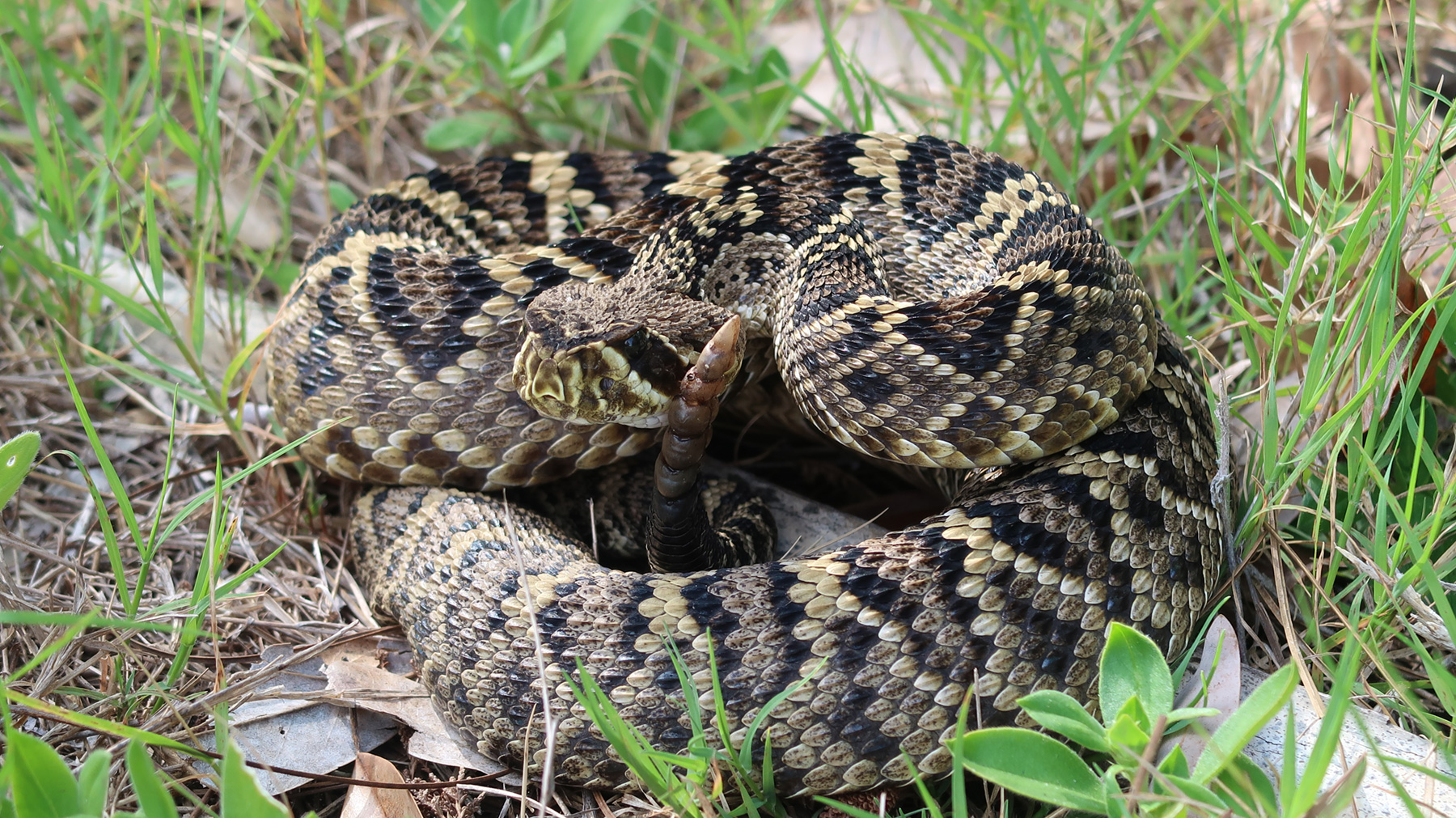
The question “Are there rattlesnakes in Florida?” is a common one, especially for those planning outdoor adventures or considering an extended stay in areas closer to nature. The answer is a resounding yes. Florida is indeed home to several species of rattlesnakes, as well as other venomous snakes. While this might sound alarming to some, understanding the facts, respecting wildlife, and taking appropriate precautions can ensure a safe and enjoyable trip. This article delves into Florida’s serpentine inhabitants, offering essential insights for travelers, from identifying common species to crucial safety tips, all while celebrating the state’s incredible biodiversity. We’ll explore how this knowledge can inform your travel plans, accommodation choices, and overall lifestyle experiences in this captivating United States destination.
Understanding Florida’s Venomous Snakes: A Traveler’s Guide
Florida’s unique geography, characterized by its subtropical climate, extensive wetlands, dense forests, and coastal environments, creates a perfect habitat for a diverse range of reptiles. Among them are several species of venomous snakes, with rattlesnakes being perhaps the most recognizable. While encountering a snake, especially a venomous one, can be startling, it’s important to remember that snakes are generally shy creatures that prefer to avoid human interaction. Bites typically occur when snakes feel threatened, are stepped on accidentally, or are intentionally provoked. As a responsible tourist or a long-term visitor, understanding which species you might encounter and where can significantly enhance your safety and appreciation for the local ecosystem.
The Rattlesnakes of the Sunshine State
Two primary species of rattlesnakes call Florida home: the Eastern Diamondback Rattlesnake and the Pygmy Rattlesnake. Each has distinct characteristics and preferred habitats, making them fascinating subjects for those interested in the state’s natural history.
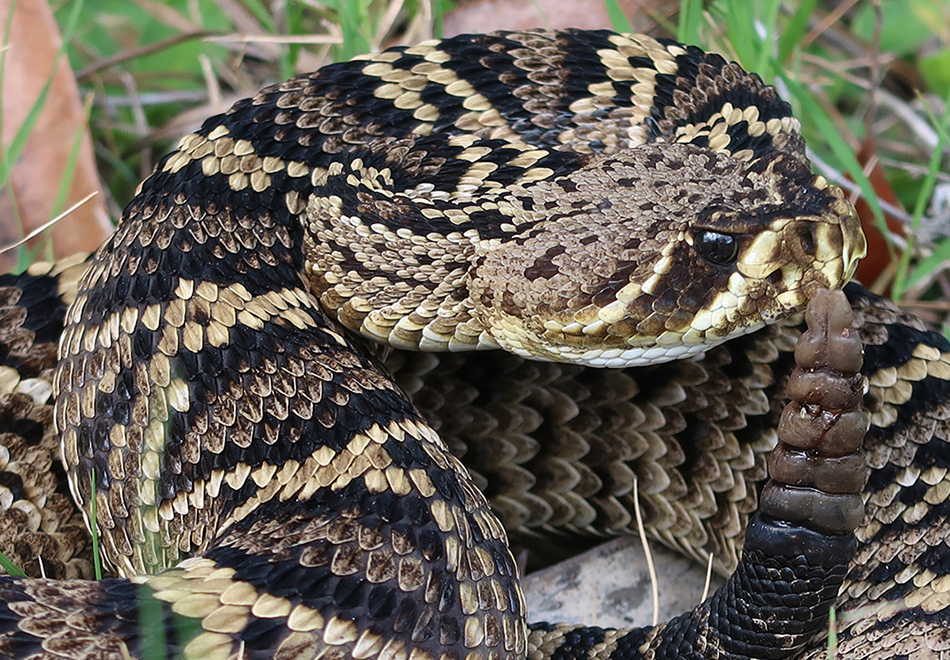
The Eastern Diamondback Rattlesnake (Crotalus adamanteus) is the largest venomous snake in North America and a true icon of the southeastern United States. In Florida, these impressive reptiles can be found throughout the peninsula, though their populations have faced decline due to habitat loss. They are easily identified by the prominent diamond-shaped pattern on their backs, outlined in black and yellow, and their distinctive rattle at the end of their tail. These snakes prefer dry habitats such as pine flatwoods, scrubland, coastal dunes, and often seek refuge in gopher tortoise burrows. Travelers exploring remote areas of state parks like Myakka River State Park or national forests like Ocala National Forest should be particularly vigilant. Their size and potent venom make them a species to respect and avoid.
The Pygmy Rattlesnake (Sistrurus miliarius) is, as its name suggests, much smaller than its diamondback cousin, rarely exceeding two feet in length. Despite its diminutive size, it possesses venom and a fully functional rattle, though its rattle is so small that its buzzing sound is often compared to that of an insect, making it difficult to hear. Pygmy rattlesnakes are widespread across Florida and can be found in a variety of habitats, including pine forests, palmetto flatwoods, prairies, and even suburban areas. Their camouflage makes them blend seamlessly with leaf litter and grassy areas, making accidental encounters more likely. This smaller species often presents less of an immediate threat due to its smaller venom yield, but any bite still requires immediate medical attention.
Other Venomous Serpents to Be Aware Of
While rattlesnakes are a significant concern, Florida hosts other venomous snakes that travelers should be aware of. Knowing about them contributes to a comprehensive understanding of the state’s wildlife.
The Cottonmouth (Agkistrodon piscivorus), also known as the Water Moccasin, is a semi-aquatic snake commonly found near bodies of water such as swamps, marshes, ponds, and canals. They are robust, dark-colored snakes that, when threatened, often display the white, cotton-like interior of their mouths – hence their name. Cottonmouths are frequently encountered by those engaging in water-based activities or exploring wetlands like those in Everglades National Park or Big Cypress National Preserve. While they are often defensive, they are not typically aggressive unless cornered or handled.
The Eastern Coral Snake (Micrurus fulvius) is perhaps the most vibrantly colored venomous snake in Florida, boasting striking red, black, and yellow bands. Its appearance often leads to confusion with non-venomous mimics, but the classic rhyme “Red touch yellow, kill a fellow; Red touch black, venom lack” is a helpful (though not infallible) guide. Coral snakes are reclusive and typically found in sandy, well-drained habitats, often beneath leaf litter, logs, or rocks. Their venom is neurotoxic, affecting the nervous system, and while bites are rare, they are extremely serious.
Navigating Florida’s Natural Beauty: Safety and Awareness for Tourists
Florida’s appeal is undeniably linked to its vast stretches of untouched nature, offering countless opportunities for exploration and adventure. From hiking winding trails through ancient forests to kayaking serene waterways, these experiences are a cornerstone of Florida tourism. However, embracing these activities requires a proactive approach to safety, particularly concerning local wildlife. Understanding the habitats and behaviors of snakes is crucial for any traveler seeking to delve beyond the beaches and theme parks.
Where Encounters Are Most Likely: Protecting Yourself on Excursions
Encounters with snakes are most probable when venturing into natural, undeveloped areas where their habitats are undisturbed. This includes:
- State Parks and National Forests: Destinations like Jonathan Dickinson State Park near Jupiter, Kissimmee Prairie Preserve State Park, or the aforementioned Ocala National Forest are prime locations for observing Florida’s natural flora and fauna. Hikers, campers, and birdwatchers should be particularly mindful.
- Hiking Trails and Wilderness Areas: Always stay on marked trails. Snakes often seek shelter in tall grass, under fallen logs, or within rock crevices. Veering off-path increases your risk of accidentally stepping on a hidden snake.
- Lakes, Rivers, and Swamps: Areas around water bodies are prime habitats for cottonmouths and other aquatic snakes. Boaters, anglers, and kayakers should exercise caution, especially when stepping ashore or reaching into dense vegetation along banks.
- Gardens and Landscaped Areas, especially in rural or semi-rural accommodations: Even properties that are not deep in the wilderness might occasionally have snakes seeking food or shelter. Gardens, woodpiles, and overgrown areas can attract rodents, which in turn attract snakes. This is particularly relevant for those staying in villas or apartments on the fringes of natural areas.
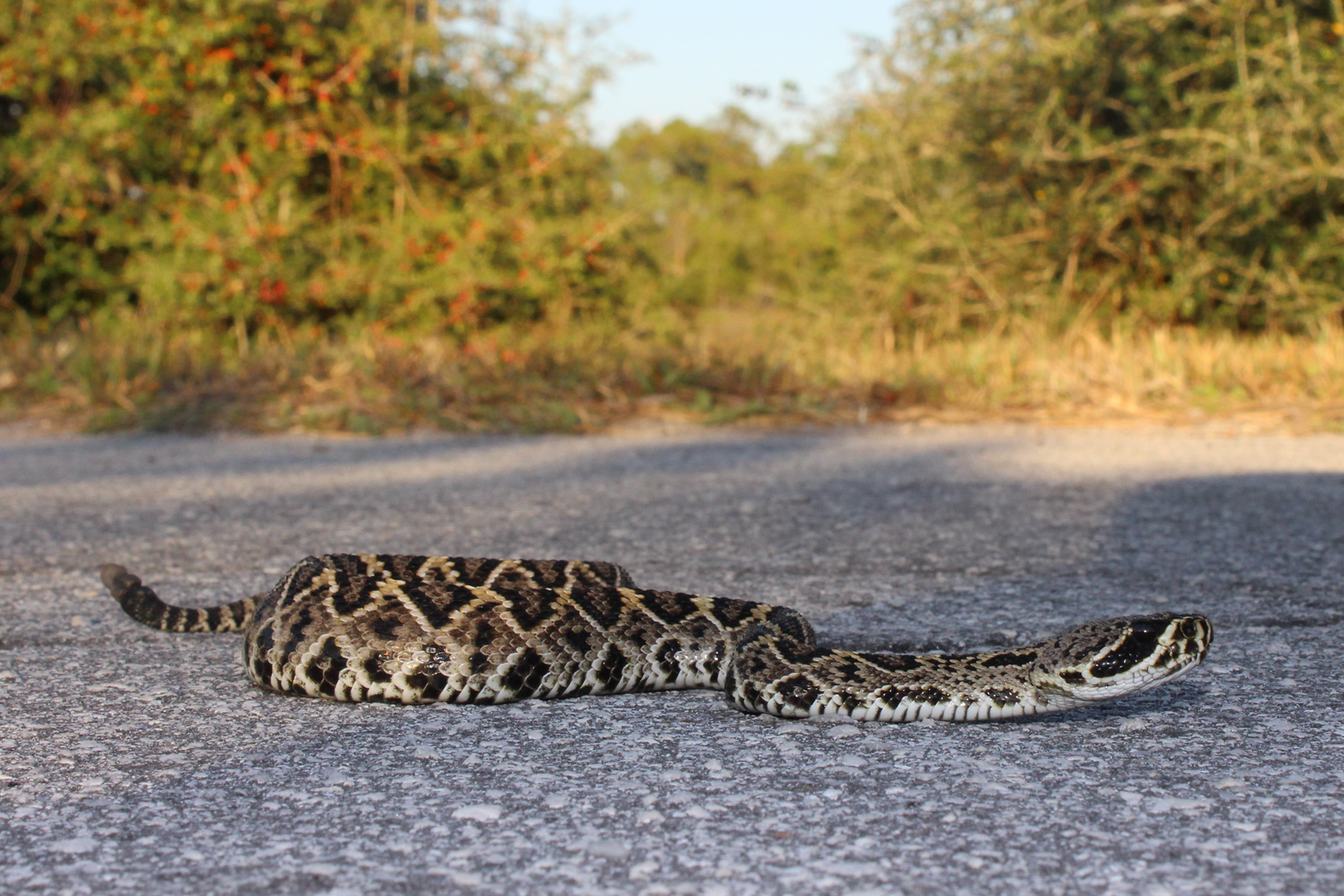
Responsible exploration means not only enjoying the scenery but also understanding and respecting the environment you are in. Guided tours offered by local tourism operators can be an excellent way to safely experience Florida’s wild side, as experienced guides are knowledgeable about local wildlife and safety protocols.
Essential Safety Tips for Travelers
Equipping yourself with knowledge is the best defense against potential snake encounters. Here are vital safety tips for any traveler venturing into Florida’s natural landscapes:
- Stay on Marked Trails: This is paramount. Most snake bites occur when people step off trails or reach into areas where snakes might be concealed.
- Watch Your Step: Always look where you are placing your feet, especially in overgrown areas, near logs, or around rocks. Do not step over logs without first looking on the other side.
- Wear Appropriate Footwear and Clothing: Closed-toe shoes, preferably sturdy hiking boots that cover your ankles, are highly recommended. Long pants can also offer an extra layer of protection.
- Do Not Touch or Provoke Snakes: If you encounter a snake, give it a wide berth. Do not attempt to pick it up, poke it, or harass it in any way, even if you believe it to be non-venomous. Snakes typically only strike when they feel threatened.
- Be Cautious Around Water: When near streams, ponds, or lakes, be aware of your surroundings, as cottonmouths are often well-camouflaged near the water’s edge.
- Use a Flashlight at Night: Many snakes are most active at dawn, dusk, or night. If walking outdoors after dark, always use a flashlight to illuminate your path.
- Know What to Do in Case of a Bite:
- Stay Calm: Panic can increase heart rate and venom spread.
- Seek Immediate Medical Attention: This is the most critical step. Call 911 or get to the nearest hospital as quickly as possible.
- Do Not Attempt Field Remedies: Avoid traditional remedies like tourniquets, cutting the wound, or sucking out venom. These are ineffective and can cause more harm.
- Keep the Affected Area Below Heart Level: If possible, keep the bitten limb still and lower than the heart.
- Note the Snake’s Appearance (from a safe distance): If safely possible, take a photo or remember key features for identification, which can help medical professionals determine the correct antivenom. However, do not risk further bites trying to identify the snake.
Responsible Tourism and Accommodation Choices in Florida’s Wilds
The presence of rattlesnakes and other wildlife in Florida doesn’t diminish its allure as a premier travel destination; rather, it adds a layer of authenticity and adventure to the experience. For travelers planning their dream getaway, whether it’s a luxury escape, a budget-friendly family trip, or a business stay, factoring in environmental awareness is an important aspect of responsible tourism. The way you choose your accommodation and engage with local activities can significantly impact your interaction with Florida’s natural world.
Choosing Your Stay: Resorts, Villas, and Wildlife Proximity
When selecting hotels, resorts, suites, or villas in Florida, travelers often consider amenities, location, and the overall “lifestyle” experience. The awareness of local wildlife, including snakes, can subtly influence these choices, especially for those venturing beyond urban centers like Tampa or Fort Lauderdale.
- Urban vs. Rural Accommodation: Properties in densely populated cities or highly developed tourist hubs are far less likely to have snake encounters. However, if your ideal stay involves a secluded villa near a nature preserve in areas like Naples or a cabin rental within or adjacent to a state park, the chances of encountering wildlife naturally increase.
- Eco-Resorts and Nature Lodges: Many accommodations in Florida pride themselves on their proximity to natural landscapes, offering guests unparalleled access to nature. These eco-friendly options often have programs that educate guests about local wildlife, including snakes, and implement measures to minimize human-wildlife conflict. When booking, consider inquiring about their wildlife safety protocols and whether they offer guided nature walks.
- Private Rentals and Long-Term Stays: For those opting for long-term stays in private apartments or villas, particularly in more rural or semi-rural settings, it’s wise to be aware of the surrounding environment. Keep outdoor areas tidy, clear brush or debris from around the property, and ensure screens on windows and doors are intact to prevent unwanted guests from entering. Property managers or hosts can often provide localized tips for wildlife awareness.
Choosing an accommodation that aligns with your desired level of immersion in nature, while also providing peace of mind through safety measures, is key to a fulfilling Florida experience. Always check reviews and consider the specific location of your booking in relation to natural areas.
Enhancing Your Florida Experience: Wildlife Education and Respect
Beyond merely avoiding risks, understanding Florida’s wildlife offers a deeper appreciation for the state’s natural heritage. Incorporating wildlife education into your travel itinerary can transform a simple vacation into an enriching cultural and ecological experience.
- Visit Wildlife Centers and Museums: Institutions like the Audubon Center for Birds of Prey near Maitland, or various nature centers located throughout the state, often have educational exhibits about local reptiles, including snakes. These centers provide a safe environment to learn about these creatures and dispel common myths.
- Participate in Guided Nature Tours: Many state parks and private tour operators offer guided hikes, airboat tours, or kayaking excursions led by experienced naturalists. These guides can point out wildlife, explain their roles in the ecosystem, and teach safe viewing practices. This is an excellent way to see animals in their natural habitats without putting yourself at undue risk.
- Support Conservation Efforts: By choosing tour operators and accommodations that demonstrate a commitment to conservation, you contribute to the protection of Florida’s diverse ecosystems, which benefit all its inhabitants, including its snakes.
- Educate Children: If traveling with family, use this opportunity to teach children about respecting wildlife and the importance of not disturbing animals in their natural environment. This fosters a sense of responsibility and curiosity about the natural world.
Embracing Florida’s wild side means recognizing that you are sharing its space with all its inhabitants. By adopting a mindset of respect and awareness, travelers can enjoy the beauty of Florida’s landscapes and the excitement of its diverse wildlife without fear.
Conclusion: Embracing Florida’s Diverse Ecosystems
So, are there rattlesnakes in Florida? Yes, they are an integral part of the state’s vibrant and complex ecosystem, along with other fascinating creatures. While the thought of encountering a venomous snake might initially seem daunting, it’s crucial to put this information into perspective for your travel plans. Millions of visitors enjoy Florida every year without incident, largely due to the fact that snakes, including rattlesnakes, are generally reclusive and prefer to avoid humans.
By understanding which species are present, recognizing their preferred habitats, and adhering to simple, common-sense safety guidelines, you can significantly mitigate any potential risks. Whether you’re planning a luxurious stay at a beachfront resort, a thrilling adventure through a national park, or a relaxed long-term stay in a charming Florida town, awareness is your best tool.
Florida’s allure lies not just in its famous attractions but also in its unparalleled natural beauty and rich biodiversity. Embracing this full picture, including its wildlife, allows for a more profound and authentic travel experience. With a little preparation and respect for nature, your journey through the Sunshine State can be entirely focused on discovery, relaxation, and creating unforgettable memories, safe in the knowledge that you are a responsible and informed explorer of its magnificent landscapes.
LifeOutOfTheBox is a participant in the Amazon Services LLC Associates Program, an affiliate advertising program designed to provide a means for sites to earn advertising fees by advertising and linking to Amazon.com. Amazon, the Amazon logo, AmazonSupply, and the AmazonSupply logo are trademarks of Amazon.com, Inc. or its affiliates. As an Amazon Associate we earn affiliate commissions from qualifying purchases.