
Colorado, a land of majestic mountains, sweeping plains, and vibrant cities, draws millions of travelers each year with its unparalleled natural beauty and diverse recreational opportunities. From the soaring peaks of the Rocky Mountains to the high desert landscapes of its western reaches, the Centennial State offers an array of experiences. As visitors plan their adventures, questions about the local wildlife often arise, and one query that occasionally surfaces is whether scorpions inhabit this picturesque state. The direct answer is yes; scorpions do reside in specific regions of Colorado, though their presence is far less widespread or notorious than in hotter, more arid states like Arizona or Nevada.
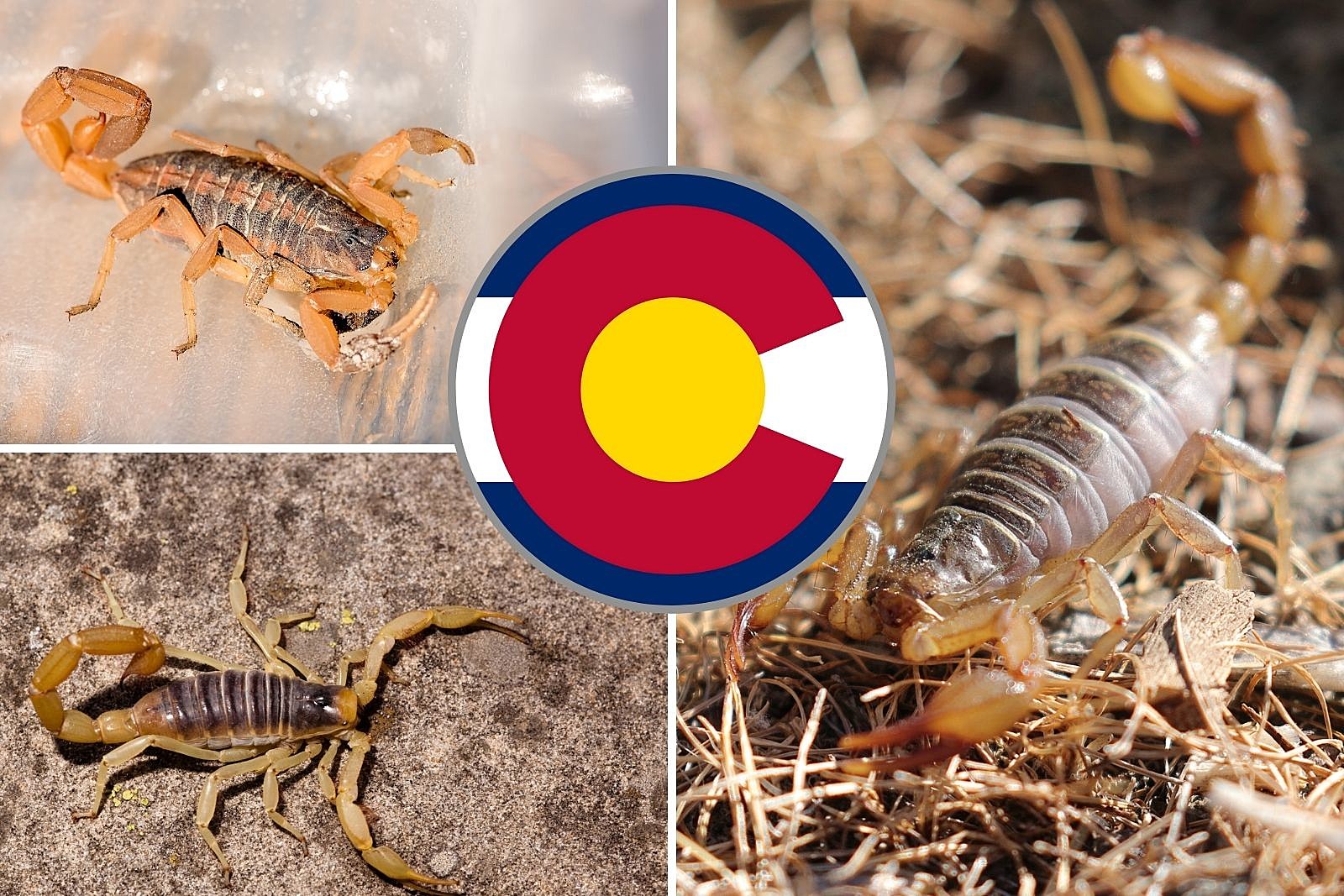
For the informed traveler, understanding the natural environment of any destination is key to a safe and enjoyable journey. While scorpions in Colorado are generally not a significant threat to humans, being aware of their habitats, common species, and simple precautions can ensure peace of mind. This guide aims to equip travelers with the knowledge needed to navigate Colorado’s diverse landscapes confidently, allowing them to focus on the breathtaking vistas and unique experiences the state has to offer. Rest assured, with a few sensible steps, your Colorado adventure can be as scorpion-free as it is unforgettable.
Scorpion Habitats and Hotspots in the Centennial State
Understanding where scorpions are most likely to be found is the first step in responsible travel. Colorado’s vast geographical diversity, from alpine tundra to semi-arid deserts, means that scorpions are not uniformly distributed across the state. Instead, they thrive in specific environmental niches, typically warmer and drier areas.
Arid and Semi-Arid Regions
The highest concentrations of scorpions in Colorado are found in the southern and western portions of the state, particularly in areas characterized by arid and semi-arid climates. These regions often feature rocky outcrops, sandy soils, scrublands, and high desert terrain, providing ideal conditions for scorpions to hide and hunt. Travelers venturing into these zones should be more vigilant, especially if their activities involve camping, hiking, or exploring undeveloped areas.
Key areas where scorpions are more commonly encountered include:
- Grand Junction and the Western Slope: This region, known for its canyons, mesas, and desert-like environment, provides prime scorpion habitat. Mesa County, in particular, is frequently cited for scorpion presence.
- Pueblo and Southeastern Colorado: The high plains and river valleys in this part of the state, with their warmer temperatures and drier conditions, also support scorpion populations. Cities like Pueblo and Cañon City, and the surrounding rural areas, fall into this category.
- Colorado Springs and the Pikes Peak Region: While perhaps less arid than the Western Slope, parts of this area, especially those bordering open space and scrubland, can have scorpions.
- Montezuma County and Southwestern Colorado: This corner of the state, with its rich archaeological sites and desert landscapes, is another area where scorpions are known to exist.
Scorpions are primarily nocturnal, seeking shelter during the day under rocks, logs, leaf litter, and other debris to avoid the sun’s heat. They emerge at night to hunt insects and other small invertebrates. Their activity tends to increase during the warmer months, typically from late spring through early autumn, when temperatures are most favorable for their metabolism and prey availability.
Unexpected Urban and Suburban Environs
While natural habitats are their primary domain, scorpions can sometimes be found in unexpected places, including suburban and even urban environments, especially in areas adjacent to their preferred natural habitats. They might seek shelter in cracks in foundations, garages, basements, or even within homes if conditions are right, particularly during periods of extreme heat or after heavy rains when their outdoor shelters might be disturbed. Travelers staying in cabins, older homes, or ground-floor accommodations in high-risk areas should be aware of this possibility, though indoor encounters remain relatively rare. The key is their attraction to dark, secluded spaces, whether natural or man-made.
Identifying Colorado’s Common Scorpion Species
Knowing which species of scorpions inhabit Colorado can offer further reassurance to travelers. Unlike some southern states, Colorado is not home to highly venomous scorpions that pose a life-threatening risk to healthy adults. The vast majority of scorpion encounters in Colorado involve species with venom comparable to a bee or wasp sting, causing localized pain, swelling, and redness, but generally not requiring extensive medical intervention.
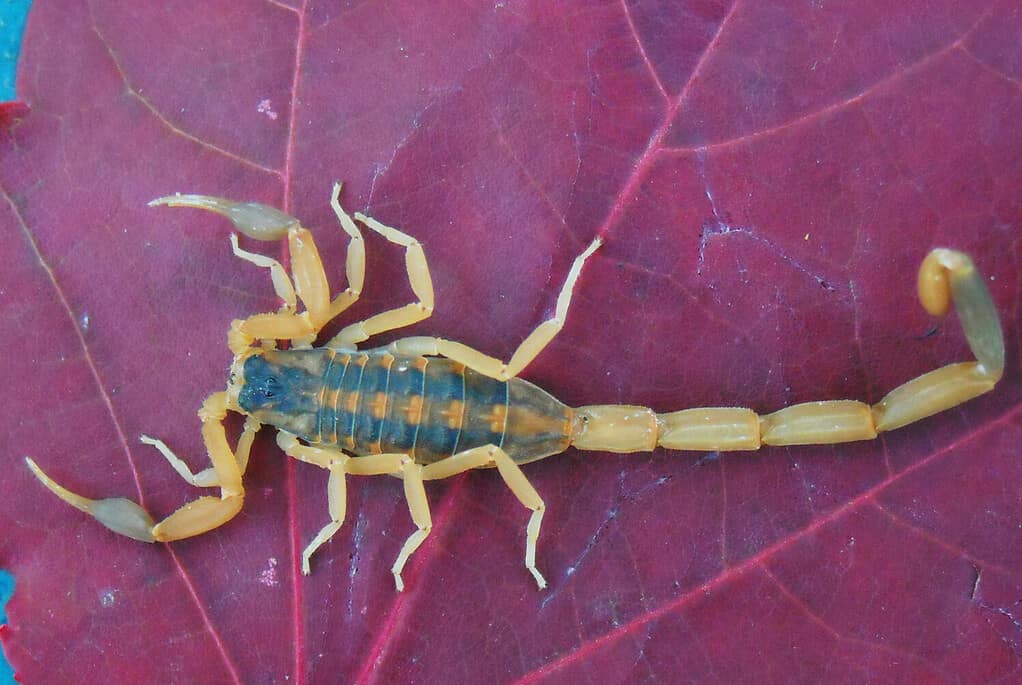
The Northern Scorpion (Paruroctonus boreus)
One of the most widespread scorpion species in Colorado, the Northern Scorpion, is also found across a broad range of western North America. These scorpions are typically small to medium-sized, ranging from yellowish to brownish in color. What makes them particularly notable in Colorado is their remarkable adaptability, allowing them to inhabit not only the arid western and southern parts of the state but also cooler, higher elevation areas where other species cannot survive. Their presence is a testament to the diverse ecological niches they can exploit. The sting of a Northern Scorpion is generally considered mild; symptoms typically include localized pain, a burning sensation, and slight swelling at the site of the sting. For most healthy individuals, these symptoms subside within a few hours to a day, similar to a minor insect bite.
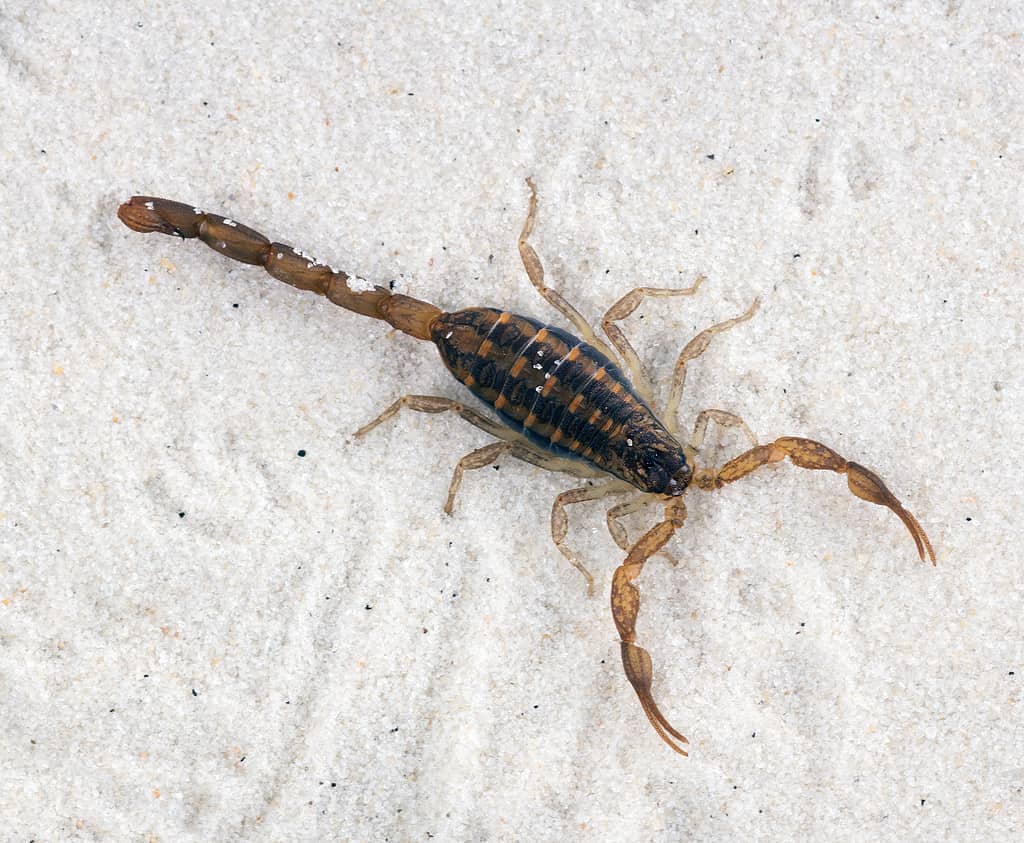
The Stripe-tailed Scorpion (Hoffmannius spinigerus, formerly Vaejovis spinigerus)
Another species commonly found in Colorado, particularly in the state’s southwestern regions, is the Stripe-tailed Scorpion. These scorpions are often more robust than their Northern counterparts and can be identified by the distinct dark stripes or markings on their metasoma (tail segments). They prefer drier, rockier habitats and are a common sight for those exploring the desert landscapes near Montezuma County and surrounding areas. Like the Northern Scorpion, the venom of the Stripe-tailed Scorpion is considered medically insignificant for healthy adults. A sting usually results in acute, localized pain, swelling, and redness. While uncomfortable, it rarely leads to systemic reactions or requires more than basic first aid.
Other Less Common Species and Venom Concerns
While the Northern Scorpion and Stripe-tailed Scorpion are the most frequently encountered species, Colorado might host a few other, less common scorpion types, often restricted to very specific microhabitats. It is crucial for travelers to understand that the dangerously venomous Arizona Bark Scorpion, infamous for its potentially severe neurotoxic venom, is generally not found in Colorado. This distinction is vital for alleviating undue fear; while caution is always prudent, the extreme danger associated with scorpions in other states does not typically apply to Colorado’s native species. For the vast majority of travelers, a scorpion encounter in Colorado will be a minor inconvenience rather than a medical emergency.
Essential Safety Tips for Colorado Travelers
While the risk posed by Colorado’s scorpions is low, adopting a few simple precautions can further reduce the chances of an unwanted encounter and ensure a more relaxed travel experience. These tips are particularly relevant for those venturing into the more arid regions of the state or engaging in outdoor activities like camping and hiking.
Outdoor Precautions
When exploring Colorado’s diverse outdoor environments, especially in known scorpion habitats, a little awareness goes a long way:
- Footwear is Key: Always wear closed-toe shoes or boots, particularly when hiking, walking through rocky or sandy areas, or exploring at night. Avoid sandals or bare feet where scorpions might be present.
- Camping Vigilance: If camping, shake out your sleeping bag, clothing, and shoes before use. Scorpions are known to seek shelter in such items. Keep tent zippers closed, and if possible, store gear off the ground.
- Hiking Awareness: Watch where you place your hands and feet when climbing rocks or moving through dense brush. Avoid reaching into dark crevices or under rocks and logs without first inspecting the area. If you must move a rock or log, do so carefully, lifting it away from your body.
- Nighttime Scanning: Since scorpions are nocturnal, use a flashlight or headlamp when moving around your campsite or lodging after dark. Interestingly, scorpions glow under ultraviolet (UV) light, so a small UV flashlight can be an effective tool for spotting them from a distance.
Indoor Awareness
While less common, scorpions can occasionally find their way indoors, especially in rural or semi-rural accommodations that border natural habitats:
- Check Your Belongings: Before putting on shoes or clothing left on the floor, especially overnight, give them a quick shake.
- Inspect Bedding: Briefly check under pillows and sheets if you’re staying in a cabin or older building in an arid area.
- Seal Entry Points: If you’re staying in a rental home for an extended period, ensure windows and doors have tight seals, and address any significant cracks in foundations or walls.
What to Do If Stung
Despite precautions, a scorpion sting can occasionally happen. Remaining calm and knowing basic first aid is important:
- Clean the Area: Wash the sting site thoroughly with soap and water.
- Apply a Cold Compress: Place ice or a cold pack on the affected area to reduce pain and swelling.
- Pain Relief: Over-the-counter pain relievers, such as ibuprofen or acetaminophen, can help manage discomfort.
- Monitor Symptoms: Observe the sting site for any signs of allergic reaction or worsening symptoms.
- Seek Medical Advice: While most Colorado scorpion stings are not serious, it’s wise to consult a medical professional if symptoms are severe, if the victim is a child or elderly, or if they have known allergies. If possible and safe, try to get a photo of the scorpion for identification, as this information can be helpful to medical personnel. Remember, for the species found in Colorado, severe systemic reactions are exceptionally rare.
Navigating Colorado with Confidence and Curiosity
The presence of scorpions in Colorado is a testament to the state’s incredible ecological diversity, encompassing far more than just its iconic snow-capped peaks. For the vast majority of travelers, an encounter with a scorpion is highly unlikely, and even if one occurs, the risk of serious harm from Colorado’s native species is minimal. The key to a worry-free trip lies in simple awareness and sensible precautions, rather than unwarranted fear.
Colorado remains an awe-inspiring destination, offering unparalleled opportunities for adventure, relaxation, and connection with nature. From the vibrant arts scene in Denver to the ancient cliff dwellings of Mesa Verde National Park, and the world-class skiing resorts in Aspen and Vail, the state promises rich experiences. By understanding the environment, including its smaller inhabitants like scorpions, travelers can approach their explorations with greater confidence and respect for the natural world. So, pack your bags, lace up your hiking boots, and prepare to be enchanted by the beauty of Colorado, knowing that with a little insight, your journey will be as safe as it is spectacular.
LifeOutOfTheBox is a participant in the Amazon Services LLC Associates Program, an affiliate advertising program designed to provide a means for sites to earn advertising fees by advertising and linking to Amazon.com. Amazon, the Amazon logo, AmazonSupply, and the AmazonSupply logo are trademarks of Amazon.com, Inc. or its affiliates. As an Amazon Associate we earn affiliate commissions from qualifying purchases.