
For travelers contemplating a visit to the expansive and diverse Lone Star State, questions about local wildlife are entirely natural. Among the many wonders and unique aspects of Texas, the presence of scorpions often sparks curiosity and, for some, a touch of apprehension. To address this directly and comprehensively for those exploring Texas as a tourist destination, the answer is unequivocally yes: scorpions do inhabit Texas. However, understanding their presence, behavior, and how to safely navigate their environment is key to an enjoyable and worry-free experience in this magnificent state. This guide aims to equip visitors with the knowledge and practical tips needed to appreciate Texas fully, without undue concern about its eight-legged residents.
The Undeniable Presence: Scorpions in the Lone Star State
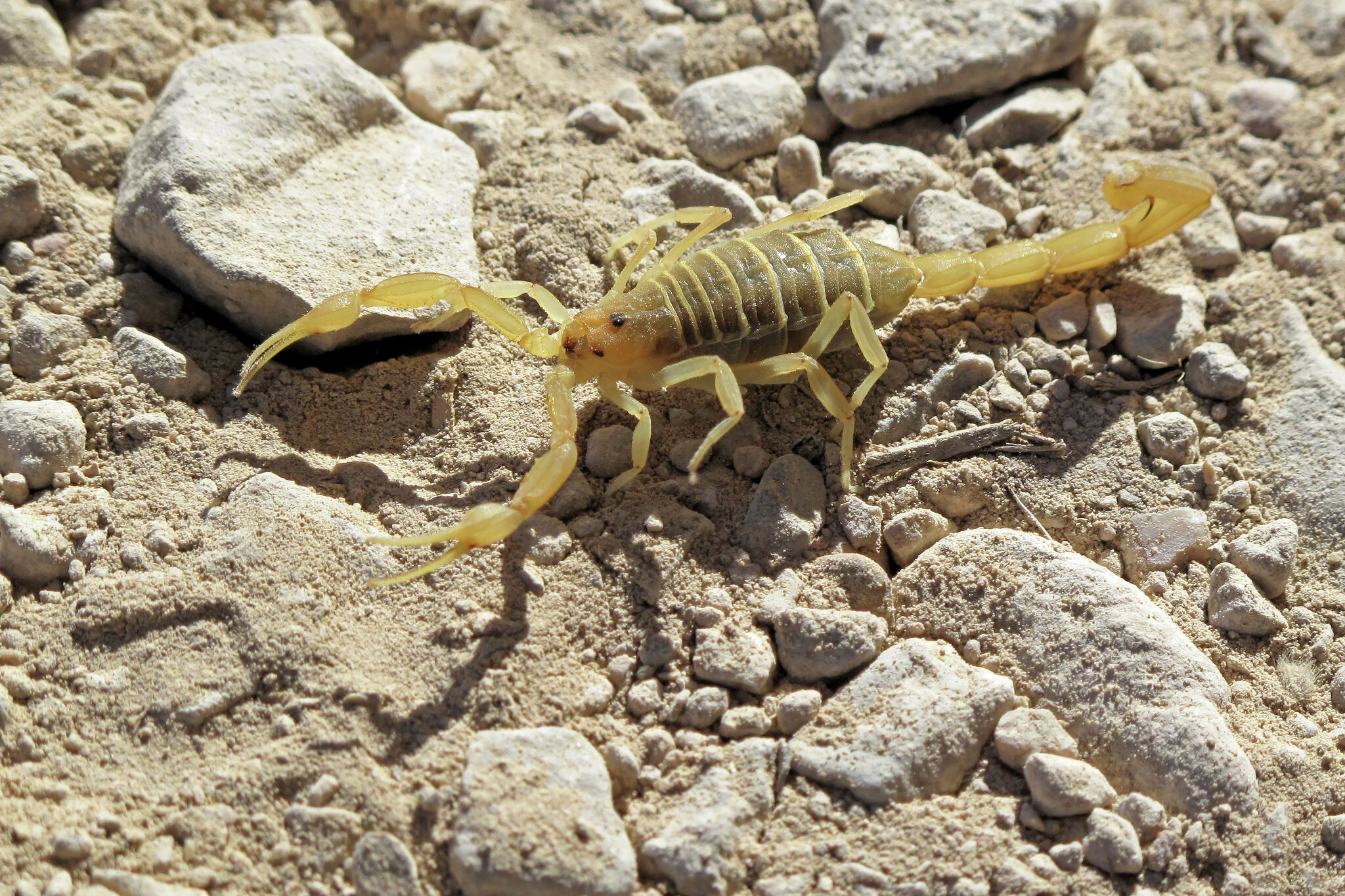
Texas’s vast and varied landscape, ranging from arid deserts to lush forests and coastal plains, provides suitable habitats for numerous scorpion species. While their presence is a reality, it’s important for tourists to approach this fact with informed awareness rather than fear. Scorpions are an integral part of the Texan ecosystem, playing a role in insect control, and are generally reclusive creatures that prefer to avoid human interaction.
Common Species Encountered
Of the approximately 18 species of scorpions found in Texas, only a handful are commonly encountered by humans, and most are not considered medically significant. The most frequently observed species, particularly in and around human dwellings, is the Striped Bark Scorpion (Centruroides vittatus). This scorpion is easily identifiable by two broad, dark stripes running lengthwise down its yellowish-tan body. While its sting can be painful, often described as similar to a bee or wasp sting, it is rarely life-threatening for healthy adults. Other species like the Lesser Striped Scorpion (Centruroides gracilis) or various species from the Vaejovis and Hadrurus genera might also be found, though typically less frequently in urban or tourist areas. The good news for visitors is that Texas is not home to the highly venomous scorpion species found in some other parts of the world.
Where Scorpions Call Home in Texas
Scorpions are remarkably adaptable and can be found across nearly all regions of Texas, from the bustling metropolitan areas of Dallas, Houston, and Austin to the remote wilderness of Big Bend National Park. They thrive in environments that offer shelter from predators and the elements, as well as a ready supply of insects for food. Common habitats include rocky areas, beneath logs and stones, in decaying vegetation, and within cracks and crevices in the ground. Critically for tourists, scorpions are also known to seek refuge indoors, especially during extreme weather conditions—be it the intense summer heat or unexpected cold snaps. This means they can sometimes be found in hotels, vacation rentals, and cabins, making awareness important for all types of accommodation.
Understanding Scorpion Behavior and Habitats
To minimize encounters and enhance safety, understanding the basic behavior and preferred habitats of scorpions is more effective than simply being aware of their existence. These arachnids operate on a different rhythm than humans, and recognizing their patterns can greatly reduce any potential risks during your Texas travels.
Nocturnal Nature and Seasonal Activity
Scorpions are primarily nocturnal creatures. They spend their days hidden away in cool, dark, secluded spots to conserve moisture and avoid predators and the scorching Texas sun. Their activity peaks after dusk, when they emerge to hunt for insects, spiders, and other small invertebrates. For tourists engaging in evening outdoor activities such as stargazing in West Texas or camping, this nocturnal pattern means a higher chance of encountering them if proper precautions aren’t taken.
Seasonally, scorpions are most active during the warmer months, typically from spring through fall, when temperatures are consistently high, and their prey is abundant. During the colder winter months, they become less active, often seeking deep shelters where they enter a state of reduced metabolic activity. Therefore, visitors traveling to Texas during the peak summer and early fall will want to be especially vigilant.
Identifying Potential Hideouts
Whether you’re staying in a five-star hotel in San Antonio, a cozy cabin near the Chisos Mountains, or pitching a tent in a state park, understanding where scorpions might hide is paramount. Outdoors, they favor undisturbed areas: under rocks, logs, firewood piles, leaf litter, landscaping timbers, and potted plants. They can also hide in gardening gloves, shoes left outside, or even within accumulated debris. Indoors, scorpions often slip through small cracks around doors and windows, or through utility pipe entry points. Once inside, they gravitate towards dark, cool places like closets, under furniture, in seldom-used drawers, attics, and surprisingly, in shoes or piles of clothing left on the floor. It’s their instinct to find tight, secure spaces, which is why checking your shoes before putting them on is a perennial Texas tip.
Scorpion Encounters: Risks and Realities for Tourists
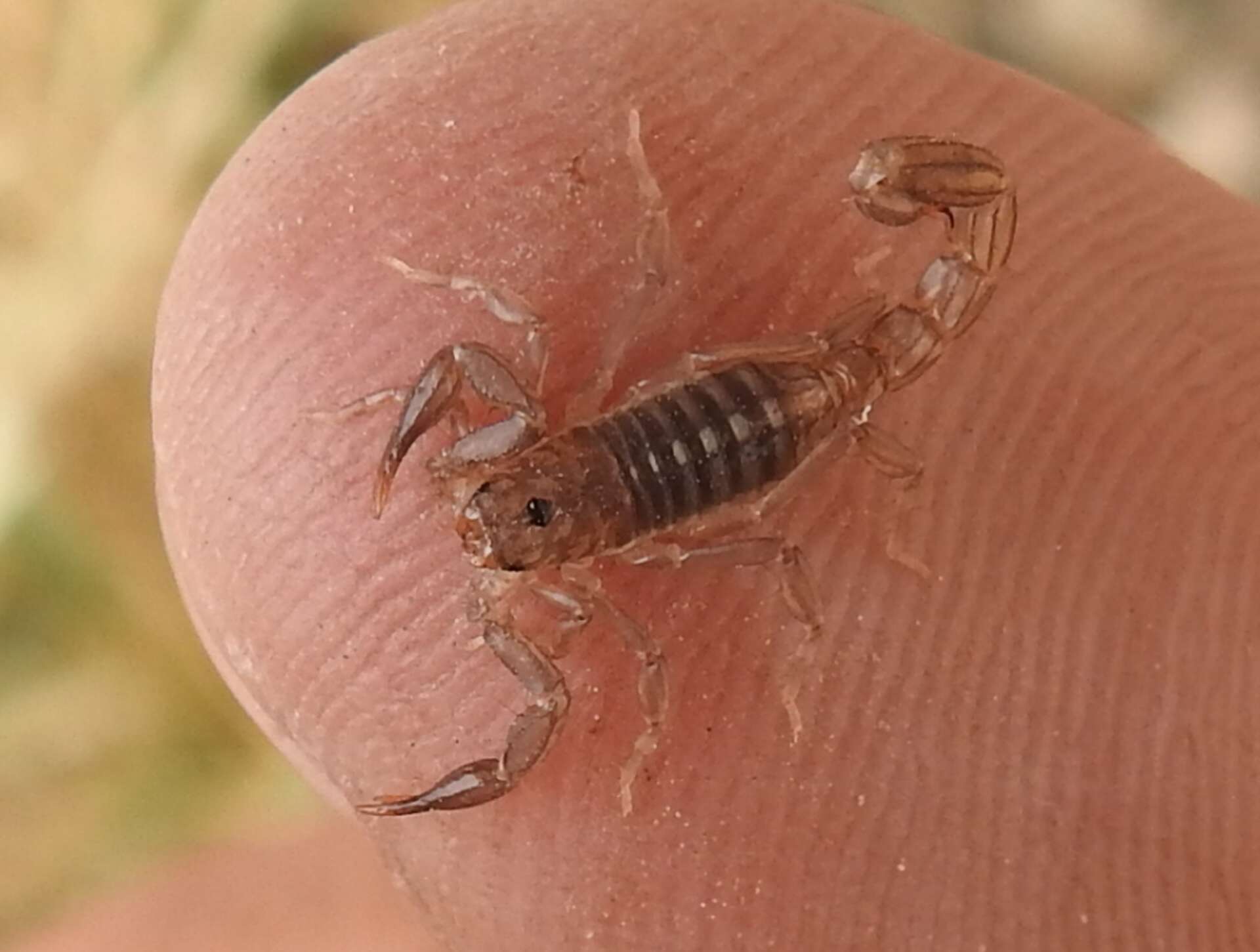
While the idea of encountering a scorpion can be unsettling, especially for those unfamiliar with them, it’s crucial to separate fact from fiction regarding the risks. For the vast majority of tourists, a scorpion sting in Texas is a minor, albeit unpleasant, inconvenience rather than a serious medical emergency.
What to Expect from a Scorpion Sting
A sting from a Striped Bark Scorpion, the most common species encountered, is typically likened to a bee or wasp sting. Symptoms usually include immediate sharp pain at the sting site, followed by numbness, tingling, or a burning sensation. Swelling and redness are common, but these localized reactions generally subside within a few hours to a day. Systemic reactions, such as nausea, muscle twitching, or difficulty breathing, are rare and usually associated with allergic reactions or stings from more venomous species not typically found in Texas. Young children, the elderly, and individuals with compromised immune systems may experience more severe reactions, making prompt medical attention advisable in these cases.
Dispelling Myths: Overcoming Undue Fear
One common myth is that all scorpions are deadly. In Texas, this is simply not true. The risk of a fatal scorpion sting from a native Texan species is extremely low. Another myth is that scorpions are aggressive and actively seek to sting humans. In reality, scorpions only sting defensively, usually when they feel threatened or are accidentally pressed against skin (e.g., when reaching into a dark space or putting on a shoe where one is hiding). They prefer to escape rather than engage. Understanding these realities can help tourists manage their perception of risk and enjoy their trip without unnecessary anxiety.
Practical Safety Tips for Tourists and Travelers
Armed with knowledge, you can easily implement practical steps to minimize your chances of an unpleasant encounter. These tips are applicable whether you’re exploring the urban jungles of Houston or the actual deserts of West Texas.
Vigilance Indoors: Securing Your Accommodation
Even in the most upscale accommodations, a tiny scorpion can find its way inside.
- Check Your Shoes and Clothing: Before putting on shoes or grabbing clothes left on the floor, give them a quick shake. This is perhaps the most important indoor tip.
- Inspect Bedding: Pull back bed covers and inspect sheets before getting into bed, especially if your room has direct outdoor access.
- Seal Entry Points: If staying in a rental home or cabin, ensure doors and windows are properly sealed, and screen repairs are in good order. Avoid leaving doors propped open, especially at night.
- Keep Your Space Tidy: Avoid leaving clothes, towels, or bags on the floor, as these provide excellent hiding spots.
- Utilize Lighting: If you suspect scorpions, a blacklight (UV light) can be very effective, as scorpions fluoresce under UV light, making them glow. Some hotels or rental properties may even provide them upon request.
Outdoor Adventures: Hiking, Camping, and Exploration
For those embracing the natural beauty of Texas through hiking, camping, or exploring attractions like Palo Duro Canyon State Park or Guadalupe Mountains National Park, outdoor precautions are essential.
- Wear Appropriate Footwear: When hiking or walking in natural areas, wear closed-toe shoes or boots, especially at night.
- Inspect Camping Gear: Before use, shake out sleeping bags, tents, and ground cloths. Keep tent zippers closed.
- Mind Your Step and Reach: When walking or reaching into areas with dense vegetation, under rocks, or in crevices, be cautious. Use a stick to poke around before reaching in.
- Gloves for Outdoor Tasks: If you are participating in any outdoor activities that involve moving rocks or logs, wear thick work gloves.
- Nighttime Precautions: Use a flashlight when walking at night. Avoid walking barefoot in outdoor areas after dark.
First Aid and When to Seek Medical Attention
Should a sting occur, remaining calm is important.
- Clean the Area: Wash the sting site thoroughly with soap and water.
- Apply Cold Compress: Apply a cold pack or ice wrapped in cloth to reduce pain and swelling.
- Pain Relief: Over-the-counter pain relievers like ibuprofen or acetaminophen can help manage pain.
- Monitor Symptoms: Observe for any signs of an allergic reaction or worsening symptoms.
- Seek Medical Attention If: You experience severe pain, widespread swelling, difficulty breathing, muscle spasms, or if the sting victim is a child or elderly individual. The Texas Parks and Wildlife Department and local health authorities are excellent resources for further guidance.
Coexisting with Scorpions: A Part of the Texas Experience
The presence of scorpions in Texas is a natural aspect of its diverse environment. For tourists, this doesn’t have to be a deterrent but rather an interesting facet of their travel experience, encouraging a respectful awareness of local wildlife. By understanding scorpion behavior, recognizing their preferred habitats, and following simple, practical safety measures, visitors can significantly reduce the likelihood of an unwanted encounter.
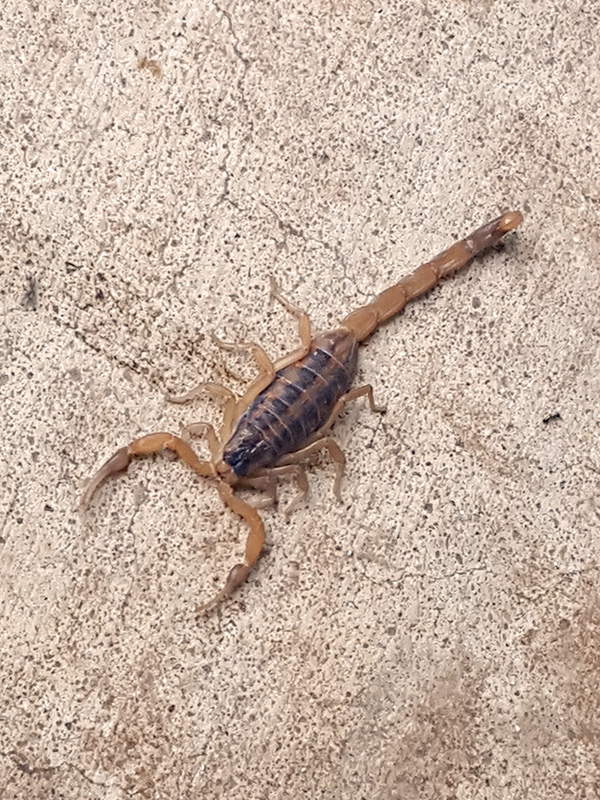
Respecting Wildlife While Enjoying Your Trip
Ultimately, a visit to Texas offers an incredible array of experiences, from exploring vibrant cities to enjoying its breathtaking natural beauty. Scorpions, like other indigenous wildlife, are part of the state’s unique character. By adopting a mindset of informed caution and respect for the natural world, tourists can fully immerse themselves in everything Texas has to offer, confident in their ability to navigate its environment safely and enjoyably. Remember, awareness is your best tool for a memorable and sting-free adventure in the Lone Star State.
LifeOutOfTheBox is a participant in the Amazon Services LLC Associates Program, an affiliate advertising program designed to provide a means for sites to earn advertising fees by advertising and linking to Amazon.com. Amazon, the Amazon logo, AmazonSupply, and the AmazonSupply logo are trademarks of Amazon.com, Inc. or its affiliates. As an Amazon Associate we earn affiliate commissions from qualifying purchases.