
The allure of Hawaii is undeniable, a collection of volcanic islands rising majestically from the vast Pacific, famous for its pristine beaches, lush landscapes, vibrant culture, and world-class surfing. Millions flock to this tropical paradise each year, seeking adventure, relaxation, and an escape from the ordinary. Yet, for many prospective travelers, a common question often surfaces, tinged with a mix of curiosity and apprehension: “Are there sharks in Hawaii?” The short answer is unequivocally yes, just as there are sharks in virtually all ocean waters globally. However, understanding the nuance behind this simple affirmative is key to appreciating the marine ecosystem and ensuring a safe, unforgettable Hawaiian experience.
The presence of sharks in Hawaiian waters is a natural and vital component of the marine environment. These apex predators play a crucial role in maintaining the health and balance of ocean ecosystems, ensuring the vibrancy of coral reefs and fish populations. Far from being a reason for alarm, their existence is a testament to the thriving biodiversity that makes Hawaii such a spectacular destination for nature lovers and adventurers alike. This comprehensive guide will delve into the types of sharks found in Hawaii, address common safety concerns, explore opportunities for responsible marine encounters, and ultimately provide a broader perspective on planning an exceptional Hawaiian getaway, where the marvels of the ocean are celebrated responsibly.
The Diverse World of Sharks in Hawaii’s Waters
Hawaii’s surrounding ocean is home to a remarkable array of shark species, each with unique characteristics and habitats. While the idea of sharks might conjure images of menacing giants, the reality is that most species are shy, elusive, and pose little to no threat to humans. Understanding which sharks inhabit these waters and their typical behaviors can greatly enhance both safety and appreciation for these magnificent creatures.
Common Shark Species
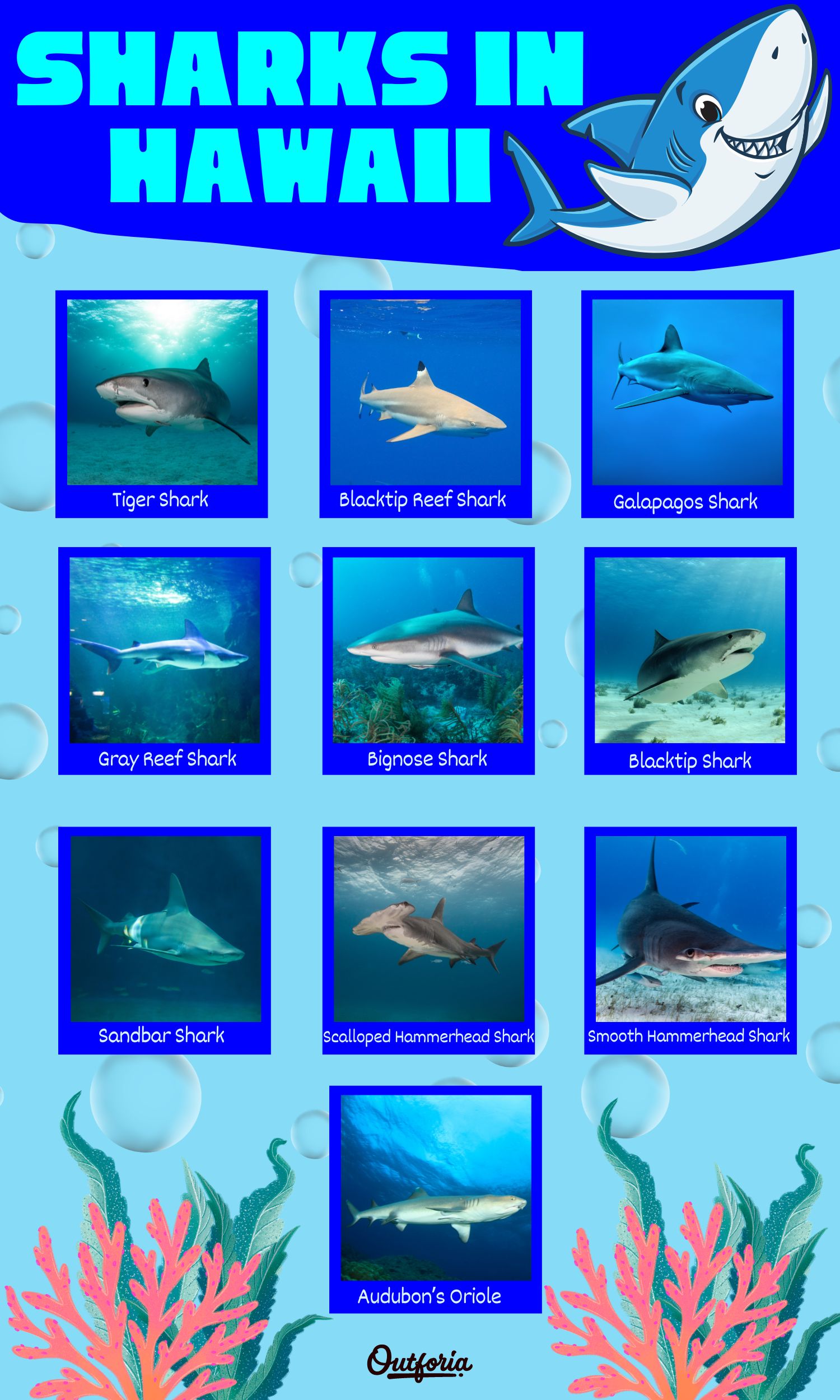
Of the approximately 40 species of sharks documented in Hawaiian waters, a few are more commonly encountered, either by divers, fishermen, or occasionally, by those nearshore.
- Tiger Sharks: These are among the most recognized and largest predatory sharks in Hawaii, easily identified by their distinctive striped patterns (more prominent in juveniles) and broad, blunt snout. Tiger sharks are generalist feeders and can be found from shallow reef environments to deeper pelagic waters. While they are responsible for the majority of shark incidents globally, actual encounters remain rare. Their presence is a reminder of the raw power and ecological importance of marine predators.
- White-tip Reef Sharks: Graceful and relatively small, white-tip reef sharks are a common sight for snorkelers and divers exploring Hawaii’s vibrant coral reefs. They are easily identified by the white tips on their dorsal and caudal fins. These nocturnal hunters typically rest in caves and under ledges during the day, emerging at night to hunt for small fish, crustaceans, and octopuses. They are generally considered harmless to humans and are a joy to observe in their natural habitat.
- Gray Reef Sharks: Also frequently encountered on deeper reef dives, gray reef sharks are medium-sized and possess a characteristic stocky body, broad snout, and dark tips on their pectoral fins and the trailing edge of their caudal fin. They are curious but rarely aggressive unless provoked, often swimming in schools around reef drop-offs.
- Scalloped Hammerhead Sharks: Distinguished by their unique hammer-shaped heads, scalloped hammerhead sharks are frequently seen in large schools around certain seamounts and deep-water cleaning stations. While impressive in size, they are typically not aggressive towards humans and primarily feed on fish, squid, and stingrays. Observing a school of these majestic creatures is often a highlight for experienced divers.
Less Common but Present Species
Beyond the regularly seen species, Hawaiian waters are also home to a fascinating array of other sharks, though encounters are less frequent. Great white sharks, while iconic, are exceedingly rare in Hawaii’s warm waters, preferring cooler temperate zones. When they are sighted, it’s typically in deeper, offshore areas. The gentle giants of the ocean, whale sharks, the largest fish in the world, also migrate through Hawaiian waters, particularly the Big Island. These filter-feeders pose no threat to humans and offer an awe-inspiring experience for lucky divers and snorkelers. Other species like the Galapagos shark, silky shark, and various deep-water species also call these waters home, further enriching Hawaii’s marine biodiversity.
Understanding Shark Behavior and Ensuring Your Safety
While the presence of sharks is an undeniable fact, it’s crucial to put the risk into perspective. Shark incidents in Hawaii are exceedingly rare, especially when compared to the millions of safe ocean entries made by residents and visitors each year. The vast majority of interactions are harmless, with sharks often avoiding humans. However, understanding general shark behavior and adopting sensible safety practices can further minimize any potential risk and enhance peace of mind.
When and Where to Exercise Caution
Sharks are wild animals, and like any wildlife, their behavior can be unpredictable. Certain conditions and locations might increase the likelihood of an encounter, though this doesn’t imply an inherent danger.
- Dawn and Dusk: These are prime feeding times for many shark species, as lower light conditions provide them with a predatory advantage. It’s often recommended to avoid swimming or surfing during these hours.
- Murky or Discolored Water: Poor visibility can make it difficult for sharks to distinguish between their natural prey and a human, increasing the chance of an investigatory bite. Heavy rain, river run-off, or strong currents can lead to murky conditions.
- Areas with Abundant Fish or Fishing Activity: Where there’s food, there are often predators. Areas where people are fishing, cleaning fish, or where there’s significant fish schooling may attract sharks. Avoid swimming near active fishing boats or where baitfish are visible.
- Near River Mouths or Canals: These areas can be particularly murky and often concentrate fish, making them attractive to sharks.
- Steer Clear of Marine Life in Distress: Injured or struggling marine animals can attract sharks. Give them a wide berth.
Essential Safety Tips for Swimmers and Surfers
Practicing common sense and respect for the marine environment are your best defenses.
- Swim and Surf with a Buddy: There’s safety in numbers.
- Avoid Isolated Beaches: Opt for beaches patrolled by lifeguards.
- Stay Close to Shore: This reduces the likelihood of encountering larger, pelagic sharks.
- Do Not Wear Shiny Jewelry: The glint can resemble fish scales, attracting curious sharks.
- Avoid Excessive Splashing: Erratic movements can mimic the distress of prey.
- Heed Warning Signs: If warning signs are posted regarding recent shark sightings, take them seriously.
- Do Not Harass Marine Life: Respect the ocean and its inhabitants.
Shark Encounters and Statistics
It’s important to remember that most shark “attacks” are not predatory in nature but rather investigatory bites, often a case of mistaken identity in poor visibility. Fatalities are exceedingly rare. According to the Hawaii Department of Land and Natural Resources, shark incidents in Hawaii are statistically very low, especially when considering the sheer volume of ocean activity. For example, in 2023, there were 10 unprovoked shark incidents reported in Hawaii waters, with zero fatalities. This underscores that while caution is always warranted, the fear of sharks should not overshadow the enjoyment of Hawaii’s incredible marine environment.
Experiencing Hawaii’s Marine Life Safely and Responsibly
Beyond the initial question of “Are there sharks in Hawaii?”, lies the exciting opportunity to responsibly engage with Hawaii’s vibrant underwater world. The islands offer a myriad of ways to explore marine ecosystems, from snorkeling in tranquil bays to exhilarating shark dives, all while fostering a deep appreciation for conservation.
Shark Diving and Encounters
For the adventurous and curious, Hawaii provides opportunities for guided shark encounters, offering a unique chance to observe these magnificent creatures up close in a controlled and educational environment.
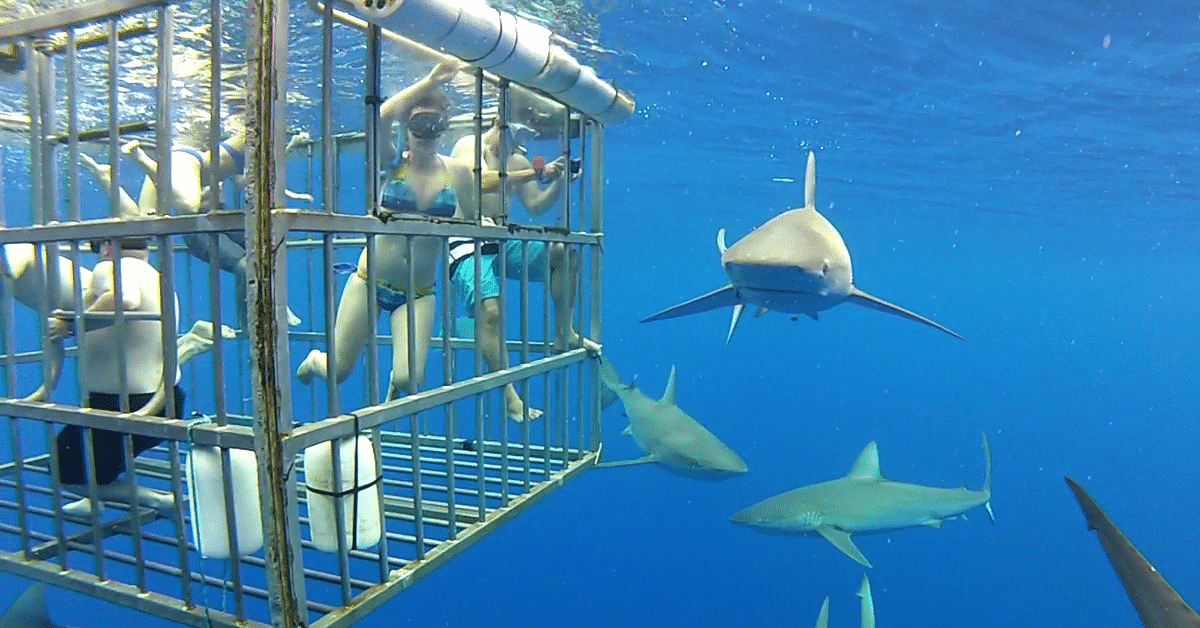
- Cage Diving: Offered primarily off Oahu’s North Shore, cage diving allows participants to safely view sharks from the security of a submerged metal cage. This experience is often focused on Galapagos sharks, sandbar sharks, and occasionally tiger sharks, providing an adrenaline rush without direct exposure. Reputable operators prioritize shark welfare and participant safety, often incorporating educational components about shark biology and conservation.
- Free Diving with Sharks: For experienced divers, a select few operators offer free-diving excursions with sharks, often without a cage. These encounters are typically with docile species like reef sharks or further offshore with larger pelagic species. These trips are led by highly experienced guides who understand shark behavior and prioritize safety protocols. It’s a profound way to witness sharks in their natural habitat, fostering respect and understanding rather than fear.
Other Marine Activities
Hawaii’s marine attractions extend far beyond shark encounters, catering to all levels of comfort and adventure.
- Snorkeling and Scuba Diving: The islands boast some of the world’s best snorkeling and diving spots. Molokini Crater off Maui, Hanauma Bay on Oahu, and Kealakekua Bay on the Big Island are renowned for their clear waters, abundant reef fish, and vibrant coral formations. While reef sharks might occasionally be spotted, they are generally accustomed to human presence and pose no threat.
- Whale Watching: During winter months (typically November to May), thousands of Humpback whales migrate to Hawaii’s warm waters for breeding and calving, offering spectacular whale-watching opportunities, especially off Maui.
- Dolphin and Manta Ray Encounters: Swimming with wild dolphins (with responsible tour operators) and night dives with giant manta rays on the Big Island are other unforgettable marine experiences that highlight Hawaii’s diverse marine life.
Conservation Efforts and Marine Sanctuaries
Hawaii is at the forefront of marine conservation, with numerous protected areas and initiatives aimed at preserving its delicate ecosystems. The Hawaiian Islands Humpback Whale National Marine Sanctuary and various marine protected areas demonstrate the state’s commitment. Visitors are encouraged to support eco-tourism operators, follow responsible wildlife viewing guidelines, and minimize their environmental footprint. By understanding and respecting marine life, including sharks, travelers contribute to the health and longevity of these precious environments.
Hawaii Beyond Sharks: A Traveler’s Paradise
While the discussion of sharks addresses a common traveler concern, it’s vital to remember that the vast majority of a Hawaiian vacation will be spent enjoying the islands’ myriad of other attractions, luxurious accommodations, and rich cultural experiences. Hawaii truly caters to every type of traveler, offering an unparalleled blend of adventure, relaxation, and cultural immersion.
Iconic Destinations and Attractions
Each Hawaiian island possesses its own unique charm and array of attractions.
- Oahu: Known as “The Gathering Place,” Oahu combines urban sophistication with natural beauty. Explore the world-famous Waikiki Beach with its iconic surf breaks and bustling energy. Delve into history at Pearl Harbor, or hike to the summit of Diamond Head for breathtaking panoramic views of Honolulu. The North Shore offers legendary surfing spots like Banzai Pipeline and Waimea Bay.
- Maui: “The Valley Isle” is celebrated for its stunning beaches, the scenic Road to Hana, and the majestic sunrise views from Haleakala National Park. It’s also a prime spot for whale watching during winter months.
- Kauai: “The Garden Isle” lives up to its name with lush, emerald valleys, dramatic cliffs, and cascading waterfalls. The Na Pali Coast is a sight to behold from a boat tour or helicopter ride, while Waimea Canyon, often called the “Grand Canyon of the Pacific,” offers stunning vistas and hiking trails.
- Big Island: Hawaii’s largest island, the Big Island, is a land of incredible diversity, from the active volcanoes of Hawaii Volcanoes National Park to black sand beaches and snow-capped peaks. It’s an adventurer’s dream, offering unique geological wonders and opportunities for stargazing.
Luxurious Stays and Unique Accommodations
Hawaii is synonymous with world-class hospitality, offering an array of accommodation options to suit every style and budget, from opulent resorts to charming boutique hotels and secluded villas.
- On Maui, the Four Seasons Resort Maui at Wailea exemplifies luxury, offering lavish suites, impeccable service, and breathtaking oceanfront views, perfect for a romantic getaway or a high-end family trip.
- For those seeking elegance on Kauai, the Grand Hyatt Kauai Resort & Spa provides a sprawling oasis with lush gardens, stunning pools, and a serene spa, blending seamlessly with the island’s natural beauty.
- In Waikiki, the iconic The Royal Hawaiian, a Luxury Collection Resort, Waikiki, affectionately known as the “Pink Palace of the Pacific,” offers a blend of historic charm and modern luxury, right on the sands of Waikiki Beach.
- Beyond these grand resorts, travelers can find charming boutique hotels that offer a more intimate experience, vacation rentals for extended stays, or even eco-lodges that provide a deeper connection to Hawaii’s natural environment. Each choice contributes to a unique lifestyle experience, whether it’s budget travel or ultimate luxury.
Embracing Hawaiian Culture and Cuisine
A trip to Hawaii is incomplete without immersing oneself in the rich, vibrant Hawaiian culture. From attending a traditional luau with hula dancing and poi tasting to exploring ancient temples (heiau) and engaging with local artisans, the opportunities are endless. The warmth of “aloha” permeates every interaction, offering a genuine sense of connection and hospitality.
Hawaiian cuisine is a delightful fusion of Polynesian, Asian, and Western influences, characterized by fresh, local ingredients. Indulge in fresh poke, kalua pig, loco moco, and an abundance of tropical fruits. Dining experiences range from fine dining restaurants featuring farm-to-table cuisine to casual food trucks serving up local favorites. Exploring the food scene is an adventure in itself, reflecting the diverse cultural tapestry of the islands.
Planning Your Ultimate Hawaiian Getaway
Planning a trip to Hawaii involves considering various aspects of travel, accommodation, and activities. Utilize comprehensive travel guides to help navigate the islands, identify must-see attractions, and discover hidden gems. Booking flights and hotels well in advance, especially during peak seasons, is advisable to secure preferred rates and availability. Consider island hopping to experience the distinct personalities of Oahu, Maui, Kauai, and the Big Island.
From luxury resorts that cater to every whim to charming local guesthouses, the accommodation choices are plentiful. Reading reviews and comparing options is crucial for finding the perfect fit for your travel style and budget. Whether you’re planning a family trip, a romantic honeymoon, or an adventurous solo journey, Hawaii promises an experience tailored to your desires.
In conclusion, while sharks are indeed a part of Hawaii’s marine ecosystem, they are rarely a threat to human safety. With a mindful approach to ocean activities and a deep respect for marine life, visitors can safely enjoy the unparalleled beauty and adventure that the islands offer. Hawaii is a destination where natural wonders, cultural richness, and world-class hospitality converge, ensuring that your journey will be filled with unforgettable memories far beyond any fleeting concern about what lies beneath the waves.
LifeOutOfTheBox is a participant in the Amazon Services LLC Associates Program, an affiliate advertising program designed to provide a means for sites to earn advertising fees by advertising and linking to Amazon.com. Amazon, the Amazon logo, AmazonSupply, and the AmazonSupply logo are trademarks of Amazon.com, Inc. or its affiliates. As an Amazon Associate we earn affiliate commissions from qualifying purchases.