
Colorado, a state celebrated for its majestic Rocky Mountains, sprawling prairies, and diverse ecosystems, offers a breathtaking tapestry of natural wonders for travelers and outdoor enthusiasts. While the allure of its landscapes often takes center stage, a common question arises for those venturing into its wilder expanses: “Are there snakes in Colorado?” The answer is a resounding yes, and understanding their presence is key to appreciating the state’s rich biodiversity and ensuring a safe and enjoyable experience.
Understanding Colorado’s Serpent Residents
Colorado is home to approximately 30 species of snakes, a testament to its varied climates and habitats. From the arid plains of the eastern part of the state to the high alpine meadows, these reptiles have adapted to a remarkable range of environments. It is important to note that the vast majority of these snakes are non-venomous and play a vital role in maintaining ecological balance by controlling rodent populations and serving as prey for other wildlife.
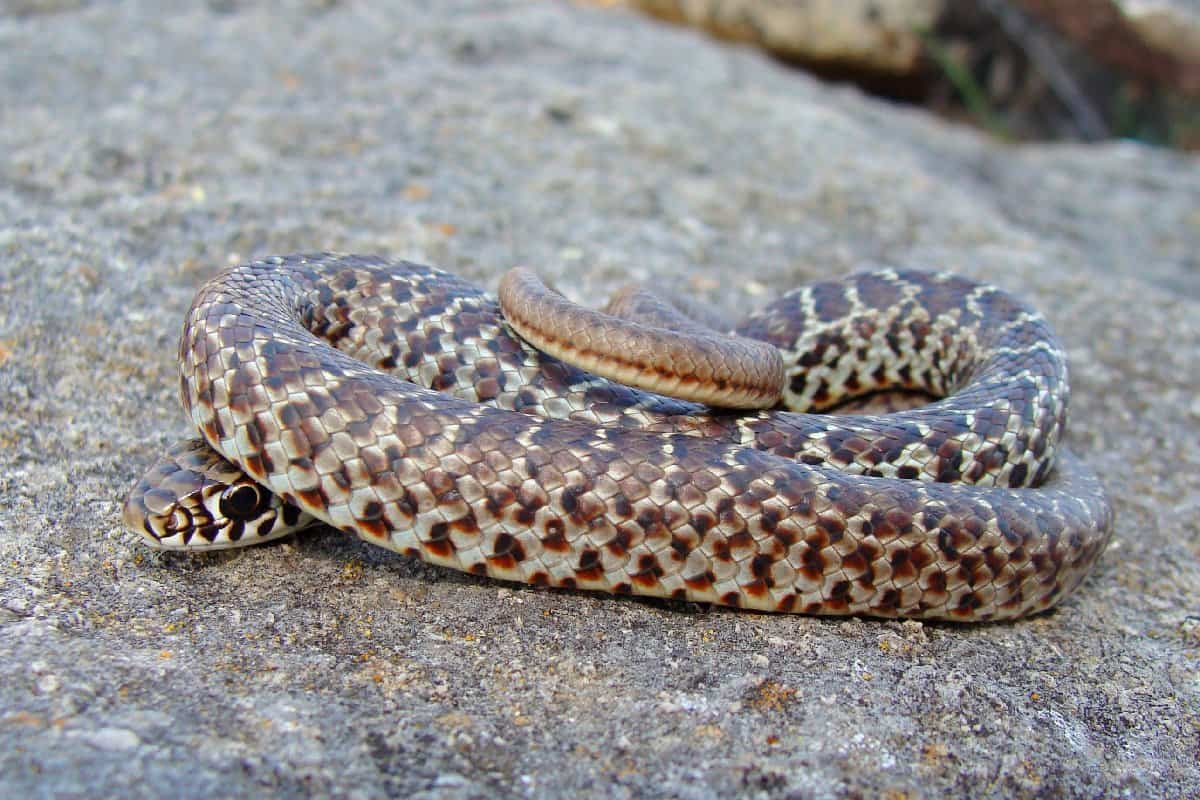
Venomous Species and Identification
While most snakes in Colorado are harmless, two venomous species warrant specific attention: the Prairie Rattlesnake and the Massasauga Rattlesnake.
The Prairie Rattlesnake (Crotalus viridis)
The Prairie Rattlesnake is the most commonly encountered venomous snake in Colorado. It is typically found in the eastern plains, foothills, and lower elevations of the western slope, favoring arid and semi-arid regions such as grasslands, shrublands, and rocky outcrops. These snakes are characterized by their distinctive rattle at the end of their tail, which they vibrate to produce a warning sound. Their coloration varies, often being a mottled brown, gray, or yellowish-tan, providing excellent camouflage against their surroundings. They can grow up to four feet in length.
The Massasauga Rattlesnake (Sistrurus catenatus)
The Massasauga Rattlesnake is much rarer and its presence in Colorado is primarily limited to specific wetland areas and riparian zones in the southeastern part of the state. This species is smaller than the Prairie Rattlesnake, typically not exceeding two to three feet in length. Instead of a true rattle, it possesses a series of fused scales that produce a buzzing sound when vibrated. Its pattern consists of dark, rounded or oval blotches down its back. Due to its rarity and preference for specific habitats, encounters are infrequent.
Non-Venomous Species and Their Roles
The vast majority of snakes in Colorado are non-venomous and contribute significantly to the state’s natural heritage. These include a variety of garter snakes, bullsnakes, kingsnakes, and racers.
Garter Snakes (Thamnophis species)
Garter snakes are perhaps the most ubiquitous snakes in Colorado, found in almost every habitat imaginable, from suburban gardens in cities like Denver and Colorado Springs to high mountain meadows. They are easily identifiable by the longitudinal stripes that run down their backs, which can be red, yellow, blue, or white, against a background of black, brown, or green. While they possess a mild venom delivered through rear fangs, it is not considered medically significant to humans, and they are quite docile. They are vital for controlling insect and amphibian populations.
Bullsnakes (Pituophis catenifer)
Bullsnakes, also known as Gopher Snakes, are large, powerful constrictors commonly found across Colorado’s plains and foothills. They are impressive snakes, often reaching lengths of six feet or more. Their coloration is typically yellowish or tan with brown or reddish blotches. Bullsnakes are beneficial as they are adept at preying on rodents, including gophers and mice, which are considered agricultural pests. When threatened, they can mimic the sound of a rattlesnake by vibrating their tail and hissing loudly.
Kingsnakes (Lampropeltis species)
Kingsnakes are a group of beautiful and highly beneficial snakes, known for their immunity to the venom of other snakes, making them natural predators of venomous species. In Colorado, the Common Kingsnake (often referred to as the California Kingsnake in broader contexts, though its presence in Colorado is more specific to certain regions) is found in arid and semi-arid environments. They are characterized by their striking banding patterns, which can be black and white, or red and black, depending on the subspecies.
Racers (Coluber and Masticophis species)
Racers are swift, slender snakes often found in open woodlands, grasslands, and rocky hillsides. The Wandering Garter Snake is a type of racer known for its speed and keen eyesight. These snakes are diurnal hunters, actively pursuing their prey, which includes insects, small mammals, and other reptiles. They are harmless to humans and are valuable in maintaining insect populations.
Traveling Safely in Snake Country
For visitors and residents alike, enjoying Colorado’s natural beauty does not require fear of snakes. With a bit of awareness and respect, interactions can be minimized, and any encounters can be managed safely.

Essential Safety Tips
When exploring Colorado’s wilderness, whether hiking in Rocky Mountain National Park, camping near Aspen, or exploring the trails around Boulder, it’s prudent to follow these guidelines:
- Stay on Marked Trails: Snakes often bask in the sun on open paths. By staying on designated trails, you reduce the chance of stepping on or disturbing them.
- Wear Appropriate Footwear: Sturdy, closed-toe shoes or boots are recommended, especially when walking through tall grass or rocky areas. This provides a layer of protection against bites.
- Be Aware of Your Surroundings: Pay attention to where you place your hands and feet. Avoid reaching into crevices, under rocks, or into dense brush without looking.
- Never Handle Wild Snakes: Even non-venomous snakes can bite if they feel threatened. For venomous snakes, attempting to handle them is extremely dangerous. Admire them from a safe distance.
- Educate Children: Teach children to observe snakes from afar and to inform an adult immediately if they see one.
- Respect Their Habitat: Snakes are an integral part of the ecosystem. Avoid disturbing their habitats by overturning rocks or logs unnecessarily.
- Know Before You Go: If you are visiting a specific park or natural area, check with local authorities or park rangers about any known snake activity or specific precautions for that region.
What to Do If You Encounter a Rattlesnake
If you are unfortunate enough to encounter a rattlesnake, the best course of action is to remain calm and slowly back away. Do not attempt to provoke, capture, or kill the snake. Most rattlesnakes will only strike if they feel cornered or threatened. Give them plenty of space to retreat.
In Case of a Snakebite
If a snakebite occurs, it is crucial to seek immediate medical attention. While venomous snakebites in Colorado are rare, they are a serious medical emergency.
- Stay Calm and Still: Movement can increase the circulation of venom.
- Call for Emergency Services: Dial 911 or your local emergency number immediately.
- Keep the Bite Area Below Heart Level: If possible, position the bitten limb lower than the heart.
- Remove Tight Clothing and Jewelry: Swelling can occur around the bite site.
- Do NOT:
- Cut the wound.
- Attempt to suck out the venom.
- Apply a tourniquet.
- Apply ice or heat.
- Drink alcohol or caffeine.
Prompt and proper medical treatment is the most effective way to manage a venomous snakebite.
Snake Encounters in Urban and Suburban Areas
While snakes are more prevalent in wilder areas, it’s not uncommon to see them in more developed parts of Colorado, especially during warmer months. Garter snakes are particularly adept at living in gardens, parks, and even near residential buildings in cities like Fort Collins and Pueblo. They are attracted to areas with access to water, insects, and potential shelter.
Creating a Snake-Resistant Environment
Homeowners can take steps to minimize the likelihood of snakes visiting their properties:
- Control Rodent Populations: Snakes are attracted to areas where they can find food. Maintaining a rodent-free yard reduces this attraction.
- Keep Lawns Mowed and Vegetation Trimmed: Dense vegetation provides hiding places for snakes.
- Seal Cracks and Openings: Ensure that your home’s foundation, walls, and any outbuildings are sealed to prevent snakes from entering.
- Remove Debris: Piles of wood, rocks, or yard waste can serve as ideal snake habitats.
- Avoid Attracting Snakes: Do not intentionally feed snakes or leave out food sources that might attract their prey.
The Ecological Significance of Snakes
Beyond the practical considerations for travelers, understanding the presence of snakes in Colorado is essential for appreciating the state’s complex and delicate ecosystems. Snakes are an integral part of the food web, performing vital roles that contribute to a healthy environment.
Predators and Prey
As predators, snakes help regulate populations of rodents, insects, amphibians, and other small animals. This control is crucial for preventing overgrazing, crop damage, and the spread of diseases. Conversely, snakes themselves are a food source for larger predators such as birds of prey (hawks, eagles), coyotes, foxes, and bobcats, forming a vital link in the natural food chain.
Indicators of Environmental Health
The presence and diversity of snake species can also serve as indicators of the health of an ecosystem. A decline in snake populations can signal underlying environmental problems, such as habitat loss, pollution, or a disruption in their prey base. Therefore, protecting snake populations is indirectly about protecting the overall health of Colorado’s natural landscapes.

Conclusion: Embracing Colorado’s Reptilian Residents
Yes, there are snakes in Colorado. From the most common garter snake to the elusive Massasauga rattlesnake, these creatures are a natural and important part of the state’s rich biodiversity. For visitors and residents, the key to enjoying Colorado’s stunning outdoors lies in awareness, respect, and informed caution. By understanding the species present, adopting safe practices while exploring, and appreciating their ecological roles, one can fully embrace the wild beauty that Colorado has to offer, without unnecessary fear. The presence of snakes is not a deterrent to experiencing the grandeur of this Western gem, but rather a reminder of the vibrant and interconnected natural world that surrounds us.
LifeOutOfTheBox is a participant in the Amazon Services LLC Associates Program, an affiliate advertising program designed to provide a means for sites to earn advertising fees by advertising and linking to Amazon.com. Amazon, the Amazon logo, AmazonSupply, and the AmazonSupply logo are trademarks of Amazon.com, Inc. or its affiliates. As an Amazon Associate we earn affiliate commissions from qualifying purchases.