
The vast, untamed wilderness of Montana, affectionately known as Big Sky Country, beckons travelers with its stunning landscapes, majestic mountains, pristine rivers, and abundant wildlife. From the iconic grizzly bears and elk to diverse bird species, the state offers an unparalleled immersion into nature. However, a common question that arises for those planning an adventure to this rugged state is about its slithering inhabitants: are there snakes in Montana? The simple answer is yes, Montana is home to several species of snakes. Understanding their presence, behaviors, and habitats is crucial for any responsible traveler looking to fully appreciate the state’s natural beauty while ensuring a safe and informed experience. Far from being a deterrent, this knowledge enhances one’s connection to the complete ecosystem, encouraging a respectful and prepared approach to exploring Montana’s wild frontiers.

Montana’s Diverse Ecosystems and Herpetofauna
Montana’s geographical diversity is breathtaking, encompassing everything from the towering peaks of the Rocky Mountains in the west to the rolling prairies and badlands of the east. This variety in terrain directly translates into a rich tapestry of habitats capable of supporting a wide array of wildlife, including reptiles. For travelers, understanding these ecological zones is key to anticipating the types of creatures they might encounter, and snakes are an integral, though often unseen, part of this intricate web of life.
The Big Sky Country’s Natural Richness
The state’s ecosystems are broadly categorized into mountain, forest, grassland, and riparian (river and stream) areas. The western part of Montana, characterized by its dense forests and alpine environments, offers different conditions than the arid plains and grasslands of the eastern regions. These diverse landscapes provide varying microclimates and food sources, which dictate where different snake species can thrive. For instance, species that prefer moisture will be found near water bodies, while those adapted to dry, open spaces will inhabit prairies. Recognizing this ecological framework helps travelers appreciate the nuanced distribution of wildlife throughout their Montana journey. The sheer scale of Montana’s natural environment means that while snakes are present, they are often widely dispersed, requiring a keen eye and a bit of luck for an encounter.
Common Snake Species in Montana
While the thought of snakes might conjure images of venomous threats, the vast majority of snake species found in Montana are non-venomous and pose no significant danger to humans. These species play vital roles in controlling pest populations and serve as food sources for birds of prey and other carnivores, contributing to the overall health of the ecosystem.
Among the most commonly encountered non-venomous snakes are:
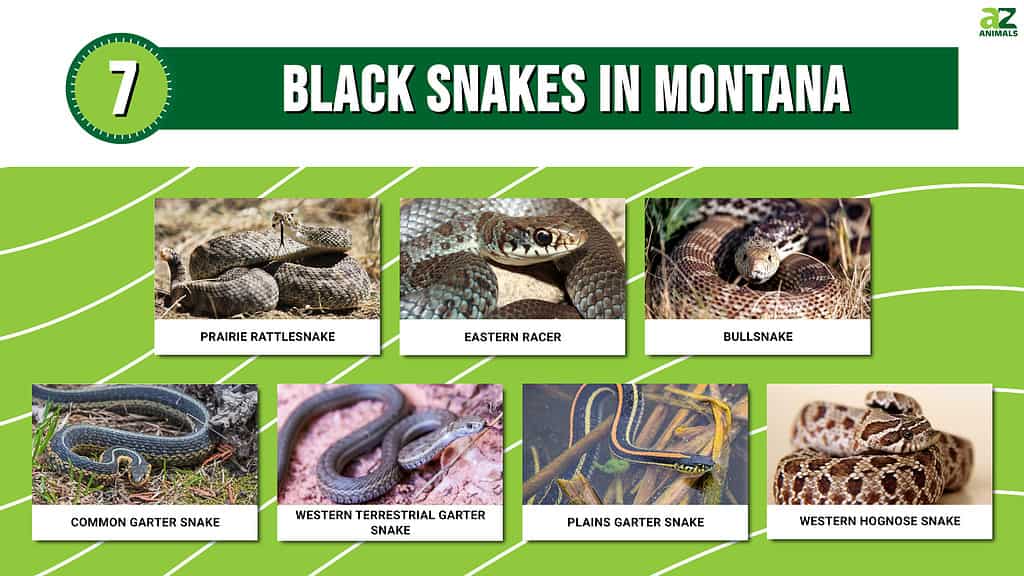
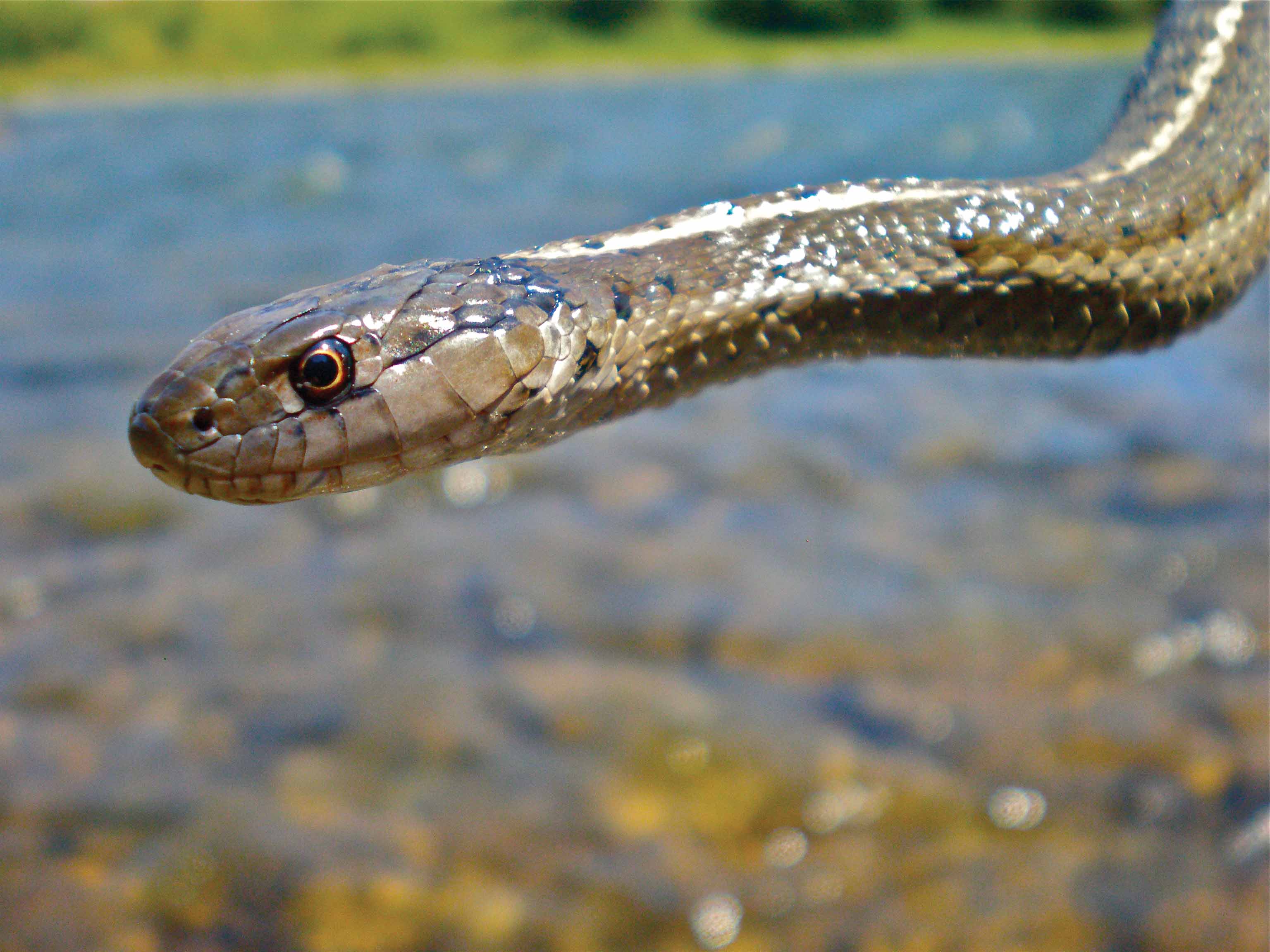
- Garter Snakes: Both the Common Garter Snake and the Terrestrial Garter Snake are widespread across Montana. They are identifiable by their stripes running down their bodies, which can vary in color from yellow to green. These snakes are often found near water sources like ponds, streams, and lakes, where they hunt amphibians, fish, and insects. They are generally small, docile, and will typically flee when approached.
- Gopher Snake (also known as Bullsnake): This is one of Montana’s largest non-venomous snakes, often mistaken for a rattlesnake due to its size, coloration, and defensive hissing. Gopher Snakes are powerful constrictors that primarily feed on rodents, making them beneficial to agricultural areas. They typically have a cream or yellow base color with dark brown or black blotches and are found in prairies, open woodlands, and rocky areas.
- Racer: True to its name, the Racer snake is known for its speed and agility. Adults are typically solid-colored, often grey, blue, or greenish-brown, without distinct patterns, though juveniles may have blotches. They are diurnal hunters, actively pursuing insects, lizards, and small rodents in open fields, grasslands, and sparse woodlands. Racers are generally shy and will quickly retreat if they feel threatened.
Encountering these snakes is usually a harmless affair, often providing a unique opportunity to observe Montana’s diverse wildlife up close.
Understanding Montana’s Rattlesnakes
While the presence of numerous non-venomous snakes enriches Montana’s ecosystems, travelers must also be aware of the state’s sole venomous snake: the Prairie Rattlesnake. Knowledge and respect for this species are paramount for safety when exploring certain regions of the state.
The Prairie Rattlesnake: Montana’s Only Venomous Snake
The Prairie Rattlesnake (Crotalus viridis) is found predominantly in the eastern and central parts of Montana, preferring the dry, open grasslands, sagebrush flats, and rocky outcrops, particularly near river valleys. These habitats provide ideal conditions for them to bask in the sun, hunt small mammals, and find shelter in burrows or rock crevices. Though venomous, the Prairie Rattlesnake is not inherently aggressive. Its venom is a defensive mechanism and a tool for subduing prey, not for attacking humans. When disturbed, its primary defense is to coil, rattle its tail as a warning, and then retreat. Bites typically occur when a snake feels trapped, is deliberately provoked, or is accidentally stepped on.
Distinguishing Features and Behavior
Identifying a Prairie Rattlesnake is crucial for safe travel in its habitat. Key features include:
- Rattle: The most distinctive characteristic, though juvenile snakes or those that have lost their rattle might not have one. The rattle is formed by segments of keratin, which produce a distinct buzzing sound when vibrated.
- Head Shape: Rattlesnakes have a triangular-shaped head, noticeably wider than their neck, due to the venom glands located on either side.
- Body Pattern: Their bodies are typically stout, with a pattern of dark, irregular blotches or hexagons on a lighter tan, brown, or olive-green background. This coloration provides excellent camouflage in their prairie environment.
- Pupils: Like all pit vipers, rattlesnakes have vertical, elliptical pupils, similar to a cat’s, which differentiates them from the round pupils of most non-venomous snakes.
Understanding their behavior is equally important. Prairie Rattlesnakes are generally most active during the warmer months, from late spring through early fall, and prefer to hunt at dawn, dusk, or night during peak summer heat. During the day, they often bask in sunny spots, sometimes near trails or rocks. They are cold-blooded, meaning their activity levels are dictated by ambient temperatures. Knowing these patterns helps travelers assess risks and plan their activities accordingly.
Safe Encounters and Responsible Travel in Snake Country
Traveling through Montana’s stunning landscapes, especially in areas where snakes are prevalent, requires a degree of mindfulness and preparation. Responsible travel means enjoying nature without inadvertently harming its inhabitants or putting oneself at undue risk.
Essential Safety Precautions for Hikers and Campers
For those venturing into Montana’s wild, particularly during the warmer months when snakes are most active, a few simple precautions can significantly reduce the chance of an unwanted encounter:
- Stay on Marked Trails: This is perhaps the most effective precaution. Snakes often seek shelter in dense vegetation, tall grasses, or under rocks just off the beaten path. Sticking to clear trails reduces the likelihood of accidentally stepping on a hidden snake.
- Wear Appropriate Footwear: Hiking boots that cover the ankles offer protection from potential bites to the feet or lower legs.
- Watch Where You Step and Place Hands: When hiking, always look ahead. If climbing, check handholds before grasping them. Be especially cautious when stepping over logs or rocks, or reaching into bushes.
- Avoid Dense Vegetation and Rocky Crevices: These are prime hiding spots for snakes. If you must enter such areas, use a hiking stick to probe ahead.
- Do Not Harass or Provoke Snakes: Never attempt to handle, capture, or kill a snake, regardless of whether you believe it’s venomous. Most bites occur when people try to interact with snakes. Give them a wide berth.
- Keep Pets on Leashes: Dogs are often curious and might investigate snakes, leading to bites. Keeping them leashed and close by can prevent such incidents.
- Camp Smart: When camping, shake out sleeping bags and inspect tents before use. Keep tent zippers closed. Store food properly to avoid attracting rodents, which in turn might attract snakes.
What to Do if You Encounter a Snake
Even with precautions, encounters can happen. The key is to react calmly and appropriately:
- Give It Space: If you see a snake, stop immediately. Maintain a safe distance (at least 6-10 feet).
- Back Away Slowly: Do not make sudden movements. Allow the snake to move away if it chooses, or slowly back away from it. Do not try to block its escape route.
- Never Attempt to Handle or Kill It: This is when most bites occur. Let the snake be.
- In Case of a Bite: This is a rare occurrence, but knowing what to do is vital.
- Stay calm and try to limit movement.
- Seek immediate medical attention. Call 911 or your local emergency number.
- Remove any tight clothing or jewelry near the bite area, as swelling may occur.
- Keep the bitten limb immobilized and below the level of the heart if possible.
- Do NOT attempt to suck out the venom, cut the wound, apply a tourniquet, or apply ice. These actions are ineffective and can cause more harm.
- Try to remember the snake’s appearance (color, size, markings) without putting yourself at further risk, as this information can be helpful for medical personnel.
Best Times and Places to Be Aware
Snakes, especially rattlesnakes, are more active during the warmer months, typically from late April or May through September. During the peak of summer, they may be more active during cooler parts of the day (morning and evening) or even at night. Areas known for rattlesnake populations in Montana include the eastern plains, the Missouri River breaks, and some river valleys like the Yellowstone and Marias River regions. Consulting local resources, such as visitor centers or the Montana Fish, Wildlife & Parks website, can provide up-to-date information on specific areas to be mindful of.
Integrating Snake Awareness into Your Montana Travel Experience
Understanding the presence of snakes in Montana isn’t about fostering fear, but rather about promoting a more informed and respectful approach to travel. For the discerning traveler, this knowledge enriches the overall experience, turning potential apprehension into a deeper appreciation for the wild.
Enhancing Your Outdoor Adventure
Embracing snake awareness as part of your Montana travel plan allows you to view these creatures not as obstacles, but as integral components of the natural world. Learning about their role in the ecosystem, their unique adaptations, and their preferred habitats can transform a simple hike into an educational wildlife observation opportunity. This perspective aligns perfectly with the ethos of ecotourism and responsible travel, encouraging visitors to respect all forms of wildlife and their environments. By being prepared and knowledgeable, you can confidently explore Montana’s vast wilderness, focusing on the awe-inspiring beauty rather than undue anxiety.
Resources for Travelers
Before embarking on your Montana adventure, it’s always wise to consult reliable local resources. The Montana Fish, Wildlife & Parks (FWP) website is an invaluable source for information on wildlife, outdoor recreation, and safety advisories. Additionally, local visitor centers, park rangers, and experienced guides can offer real-time insights into current conditions and specific areas where snakes might be more active. Consider joining guided tours, especially in more remote or less familiar areas, as local experts can provide invaluable guidance on wildlife spotting and safety protocols.
Conclusion
Yes, there are snakes in Montana, ranging from harmless garter snakes to the state’s only venomous species, the Prairie Rattlesnake. However, this fact should not deter anyone from experiencing the unparalleled beauty and adventure that Big Sky Country offers. With a professional, insightful, and engaging approach to travel, embracing knowledge about the local wildlife, including snakes, empowers travelers to explore with confidence and respect. By observing simple safety precautions, understanding snake behaviors, and leveraging available resources, visitors can ensure their Montana journey is not only safe but also deeply enriching, allowing them to truly connect with the wild heart of this magnificent destination. Montana’s wild places are meant to be explored, and a little preparation goes a long way in making those explorations memorable for all the right reasons.
LifeOutOfTheBox is a participant in the Amazon Services LLC Associates Program, an affiliate advertising program designed to provide a means for sites to earn advertising fees by advertising and linking to Amazon.com. Amazon, the Amazon logo, AmazonSupply, and the AmazonSupply logo are trademarks of Amazon.com, Inc. or its affiliates. As an Amazon Associate we earn affiliate commissions from qualifying purchases.