
For many prospective travelers, the thought of encountering unwelcome critters can be a significant concern, sometimes even influencing destination choices. Hawaii, with its lush tropical landscapes and vibrant ecosystems, naturally prompts questions about its diverse wildlife, including its arachnid inhabitants. The short answer to “Are there spiders in Hawaii?” is unequivocally yes, just as there are spiders in virtually every corner of the world. However, understanding the nature of these creatures, their habitats, and the likelihood of encountering them can transform apprehension into informed appreciation, allowing you to fully embrace the unparalleled beauty of the Hawaiian Islands without undue worry.
Addressing the Common Traveler’s Concern
The idea of spiders, particularly in an exotic locale, can conjure images of large, venomous creatures lurking in the shadows. For travelers planning their dream escape to paradise, such concerns are valid but often based on misinformation or exaggerated fears. A clear understanding of Hawaii’s arachnid population is crucial for a comfortable and enjoyable trip.
Dispelling Initial Fears and Misconceptions
It’s natural for travelers to wonder about the local fauna, especially when traveling to a new environment. Hawaii is famed for its stunning beaches, majestic volcanoes, and rich cultural heritage, not its spiders. While spiders are indeed present, the vast majority pose no threat to humans. Most are shy, nocturnal, and far more interested in insects than in vacationers. Sensationalized stories or personal phobias often create a distorted perception, but the reality is that dangerous spider encounters for tourists are exceedingly rare. The chances of being bitten by a dangerous spider are significantly lower than other common travel risks.
Why Understanding Hawaii’s Fauna is Key to Your Trip
A well-informed traveler is a confident traveler. Knowing what to expect, even about a less glamorous aspect like spiders, empowers you to navigate your surroundings with greater ease and peace of mind. For Hawaii, understanding its ecosystem means appreciating its unique biodiversity. Spiders play a vital role in maintaining the health of the islands’ delicate balance, primarily by controlling insect populations. By familiarizing yourself with the types of spiders you might (very rarely) encounter, you can differentiate between harmless residents and the few species that warrant a bit more caution, allowing you to focus on the myriad of incredible experiences Hawaii has to offer.
A Glimpse into Hawaii’s Diverse Arachnid Population
Hawaii’s geographic isolation has led to a fascinating evolutionary path for its native species, while its status as a global hub has also introduced various non-native creatures. The spider population reflects this unique blend.
The Friendly Faces: Common and Harmless Spiders
The majority of spiders you might see in Hawaii are common, widespread species that pose no threat.
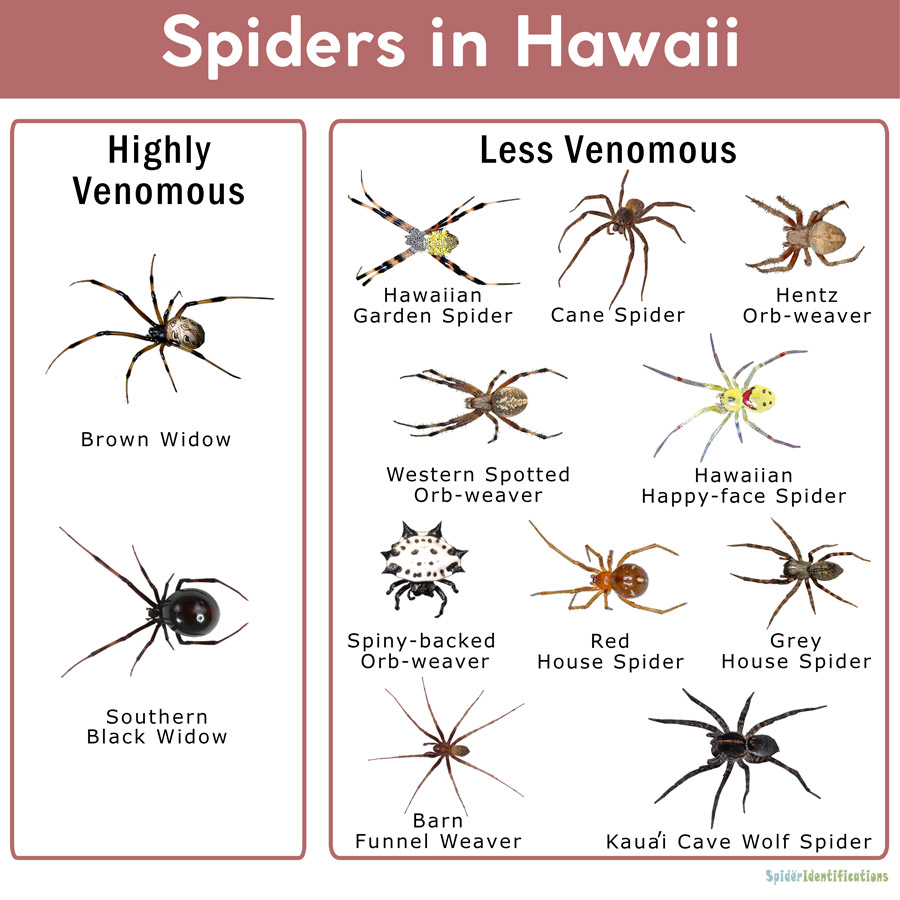
- Cane Spiders (Huntsman Spiders): These are perhaps the most visually striking spiders for many visitors. Large and fast-moving, they can induce a fright simply due to their size (often 3-5 inches including leg span). However, Cane Spiders (also known as Heteropoda venatoria) are entirely harmless to humans. They are nocturnal hunters that do not build webs for catching prey, preferring to stalk insects. You might spot them on walls or ceilings, especially in older buildings, but they are more likely to scurry away than confront you.
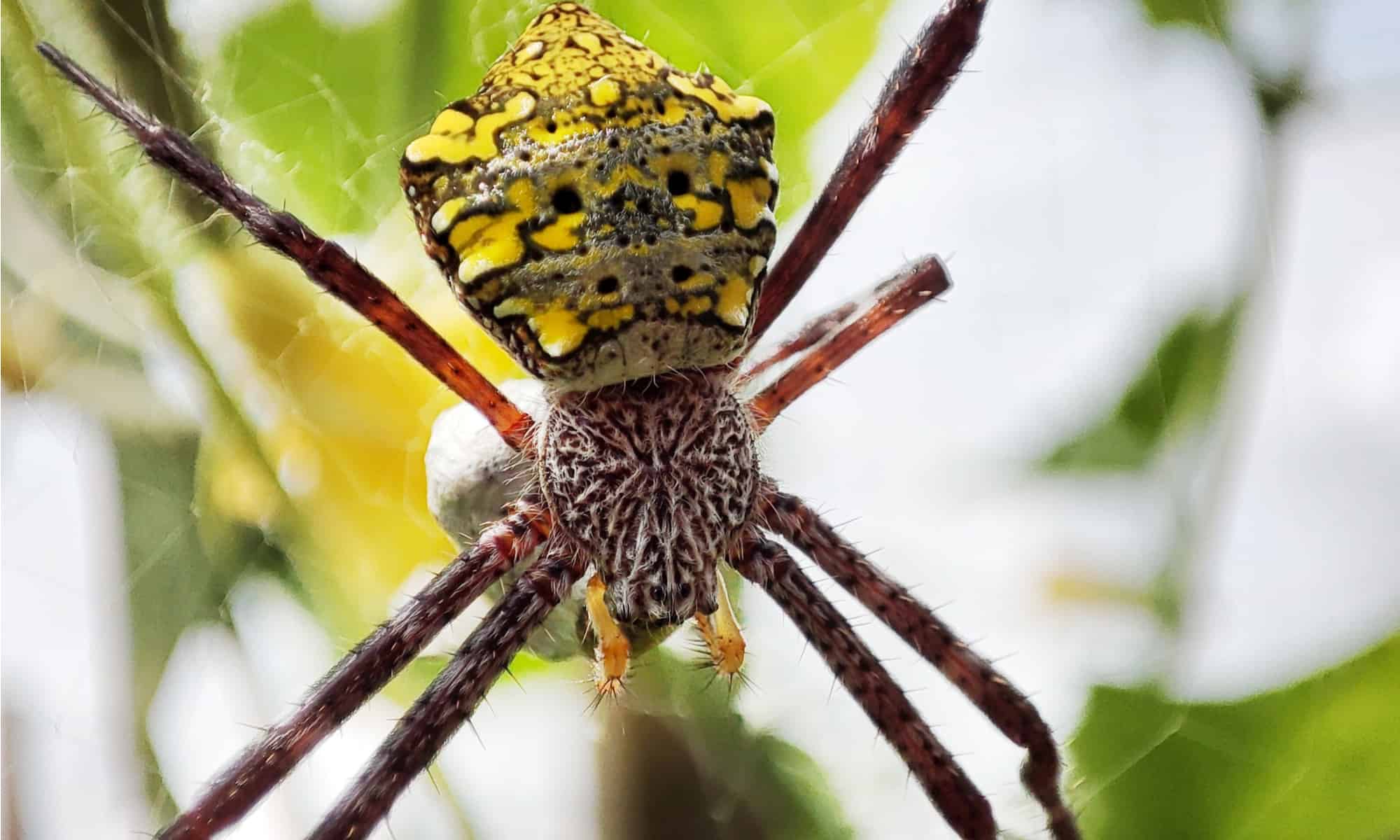
- Garden Spiders (Orb-Weavers): These spiders are frequently seen spinning intricate, circular webs in gardens, between trees, or near outdoor lights. Species like the Argiope genus (often called writing spiders due to the zigzag patterns in their webs) are abundant. They are brightly colored and fascinating to observe but are completely non-aggressive and harmless. Their webs are often beautiful examples of natural engineering.
- Spiny-Backed Orb Weavers: These small, distinctive spiders are often encountered in gardens and parks. With their flat, often brightly colored bodies and prominent spines, they are easily recognizable. Like other orb-weavers, they are harmless web-builders.
The Unique and Endemic: Hawaii’s Natural Treasures
Hawaii is home to several unique spider species, a testament to its unparalleled biodiversity.
- Hawaiian Happy-Face Spider: This tiny, endemic spider (Theridion grallator) is arguably Hawaii’s most famous arachnid. Known for the distinctive, often smiling, patterns on its abdomen, these fascinating creatures are completely harmless and are considered a symbol of Hawaii’s unique natural heritage. They are extremely small (about 5 millimeters) and live on the underside of leaves in rainforests, making them highly unlikely to be encountered by the casual traveler. Spotting one is a rare and special event for naturalists.
The Introduced Species: Occasional Concerns
Like many island ecosystems, Hawaii has seen the introduction of non-native species, some of which are more medically significant.
- Brown Widow Spider: This invasive species (Latrodectus geometricus) is now widespread in Hawaii. It is related to the black widow but generally considered less venomous. Its bite can cause localized pain, redness, and swelling, but severe systemic reactions are rare. Brown Widow Spiders typically build messy, irregular webs in secluded outdoor areas like under eaves, in trash bins, or around outdoor furniture. They are not aggressive and usually only bite if accidentally squeezed or disturbed.
- Southern Black Widow Spider: While the Southern Black Widow Spider (Latrodectus mactans) is present in Hawaii, it is far less common than the brown widow. Its venom is more potent, and a bite can cause muscle pain, nausea, and other symptoms, requiring medical attention. Encounters are very rare, as they prefer dark, undisturbed areas outdoors.
It is important to remember that even with these species, bites are uncommon and typically occur only when the spider feels threatened.
Where Travelers Might Encounter Spiders in the Islands
Understanding where spiders prefer to reside can further alleviate concerns, as most tourist activities keep visitors well clear of their primary habitats.
Nature’s Domain: Trails, Forests, and Gardens
The most likely places to encounter spiders are, unsurprisingly, in their natural environments. When exploring Hawaii’s breathtaking natural attractions—such as the hiking trails of Maui‘s Haleakala National Park, the lush rainforests of Kauai, or the volcanic landscapes of Hawaii Island (also known as the Big Island)—you might spot various spiders. These include orb-weavers spinning their webs between trees, or less commonly, a Cane Spider scuttling across a path. Even here, spiders are generally well-camouflaged and non-confrontational. If you are exploring national parks like Hawaii Volcanoes National Park on the Big Island or the botanical gardens across Oahu, remember that you are a visitor in their home.
Within Your Accommodation: An Unlikely Scenario
While an occasional Cane Spider might wander into your hotel room or rental apartment, especially if doors or windows are left open, it’s a relatively uncommon occurrence. Modern hotels and well-maintained accommodations typically employ pest control measures that minimize indoor insect and spider populations. If you do find a spider indoors, it’s almost certainly harmless. Most indoor spiders are small and inconspicuous. The chances of encountering a medically significant spider inside your accommodation are extremely low.
Minimizing Encounters: Practical Advice
For those particularly sensitive to spiders, a few simple precautions can help:
- Shake out clothing and shoes: Before dressing, especially if items have been left on the floor or outdoors.
- Check luggage: Before departure and upon arrival, to avoid unwelcome stowaways.
- Keep doors and windows screened and closed: Especially at night when many spiders are most active.
- Be aware in outdoor storage areas: If using outdoor sheds or storage, be mindful of potential spider habitats.
Navigating Hawaii with Confidence: Safety and Awareness
Your trip to Hawaii should be about relaxation and adventure, not anxiety. A sensible approach to safety involves awareness without alarm.
Identifying Potentially Concerning Spiders
The key is to avoid disturbing any spider you encounter, especially those that appear to be medically significant.
- Brown Widow: Look for irregular, messy webs, often in sheltered outdoor locations. The spider itself is usually tan to dark brown with an hourglass marking on its underside that can range from orange to yellowish. It also has distinctive spiky egg sacs.
- Black Widow: Look for a shiny black body with a red hourglass marking on the underside of the abdomen. They also build irregular webs, typically closer to the ground in dark, secluded spots.
If you are unsure about a spider’s identity, simply keep your distance. Do not attempt to handle it.
First Aid and When to Seek Help
For most spider bites, localized pain, redness, and swelling can be treated with basic first aid:
- Clean the bite area with soap and water.
- Apply a cold compress to reduce swelling.
- Take over-the-counter pain relievers if needed.
If you suspect a bite from a Brown Widow Spider or Southern Black Widow Spider, or if you experience increasing pain, muscle cramps, nausea, dizziness, or any allergic reaction, seek medical attention immediately. While rarely fatal, these bites can be uncomfortable and may require professional treatment. Rest assured, medical facilities in Hawaii are well-equipped to handle such situations.
Respecting the Ecosystem and Its Inhabitants
Part of being a responsible traveler is respecting the natural environment you are visiting. This extends to all creatures, big and small. Spiders, despite any human apprehension, are integral to Hawaii’s ecosystem. They help control pest populations, contributing to the health of the very plants and flowers that make the islands so beautiful. By understanding and respecting their role, you contribute to the conservation efforts that protect Hawaii’s unique natural heritage.
Beyond the Eight Legs: Hawaii’s Broader Natural Appeal
Ultimately, the presence of spiders in Hawaii should not deter anyone from experiencing this extraordinary destination. It’s a natural aspect of any diverse ecosystem.
Emphasizing the Destination’s True Draw
Hawaii offers a kaleidoscope of experiences: surfing world-class waves off Oahu’s North Shore, snorkeling with vibrant marine life in Maui’s protected coves, witnessing the raw power of Kilauea volcano on Hawaii Island, or hiking through the lush Na Pali Coast of Kauai. These are the experiences that define a Hawaiian vacation. The occasional spider is a minute detail in a canvas of unparalleled natural beauty and cultural richness. Focus on the breathtaking vistas, the warm aloha spirit, the incredible food, and the countless adventures awaiting you.

Sustainable Travel and Environmental Stewardship
Engaging with nature responsibly means embracing all its facets. By understanding the native and introduced species, including spiders, you become a more informed and conscientious visitor. Supporting sustainable tourism practices helps preserve Hawaii’s fragile ecosystems for future generations, ensuring that its natural wonders, from the smallest Hawaiian Happy-Face Spider to the largest whale, continue to thrive. So, pack your bags, prepare for adventure, and leave your arachnophobia at home, knowing that the magic of Hawaii far outweighs any minor concern about its eight-legged residents.
LifeOutOfTheBox is a participant in the Amazon Services LLC Associates Program, an affiliate advertising program designed to provide a means for sites to earn advertising fees by advertising and linking to Amazon.com. Amazon, the Amazon logo, AmazonSupply, and the AmazonSupply logo are trademarks of Amazon.com, Inc. or its affiliates. As an Amazon Associate we earn affiliate commissions from qualifying purchases.