
For many travelers planning a grand adventure through the rugged landscapes of the American West, the prospect of extreme weather can be a significant concern. Montana, often referred to as “Big Sky Country,” is defined by its sweeping plains, dramatic mountain ranges, and unpredictable climatic shifts. While visitors often worry about the intense thunderstorms that roll across the high prairies during the summer months, the specific question of whether tornadoes occur in this region is one of the most common inquiries from those preparing to explore the state’s vast wilderness.
Understanding the Meteorological Context of Big Sky Country
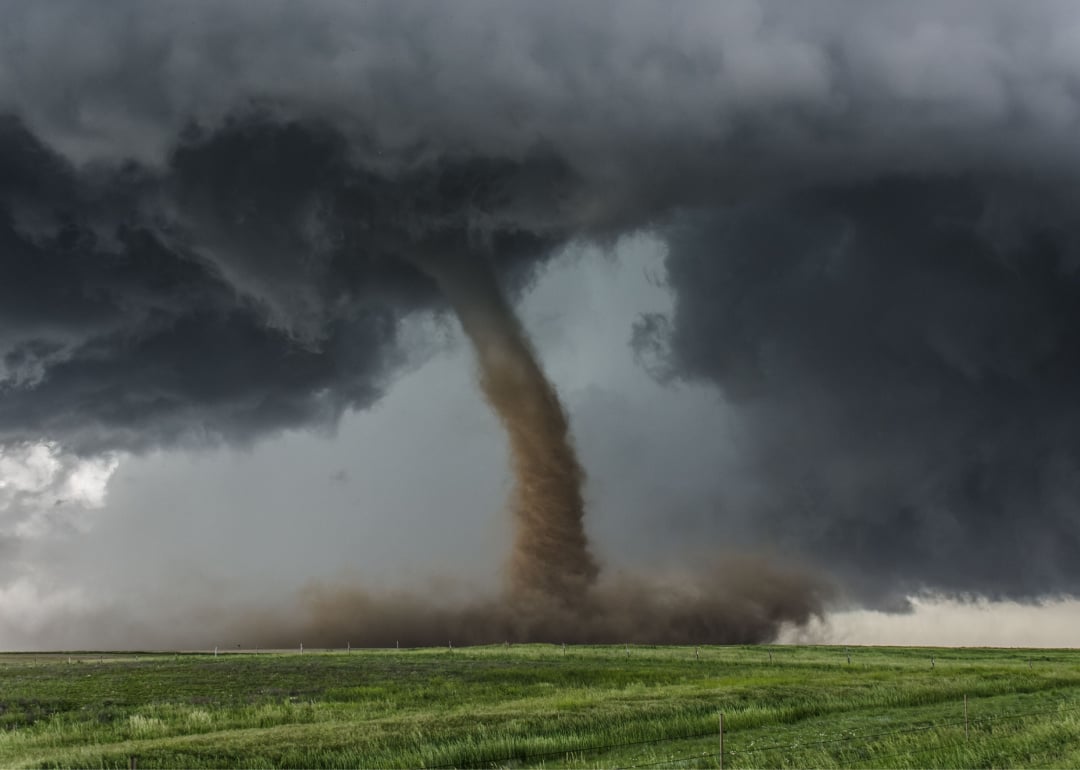
To answer the question definitively: yes, tornadoes do occur in Montana, though they are statistically less frequent and generally less intense than those found in the infamous “Tornado Alley” of the central United States.

The Geography of Storms
The unique topography of Montana plays a pivotal role in its weather patterns. The state is bisected by the Rocky Mountains, which act as a formidable barrier to moisture-laden air masses moving in from the Pacific Ocean. The western portion of the state is characterized by mountainous terrain, which generally inhibits the development of the large-scale, rotating supercells required to produce significant tornadoes.
Conversely, the eastern plains—which share more in common with the Great Plains—are susceptible to the meeting of warm, moist air from the Gulf of Mexico and cold, dry air descending from Canada. When these air masses collide over the flat, open expanses of counties near Billings or Miles City, the atmospheric instability can lead to the formation of tornadic activity.
Seasonal Patterns and Frequency
Tornado season in Montana typically aligns with the late spring and early summer months, peaking in June and July. During this window, the heating of the high-altitude landscape triggers convective thunderstorms. While the sheer number of tornadoes reported annually in Montana remains low compared to states like Oklahoma or Kansas, they are a meteorological reality that travelers should be aware of, especially those venturing into the eastern sections of the state.
Safety and Preparedness for Travelers
For those planning to visit iconic landmarks such as Glacier National Park or the historic streets of Helena, understanding how to handle severe weather is part of being a prepared traveler. Most storms in Montana are non-tornadic, manifesting as intense lightning, sudden high winds, or hail; however, vigilance is key.
Staying Informed on the Road
Modern technology has made it significantly easier to track weather patterns while on the road. Travelers should utilize mobile weather alerts and monitor local radio stations when driving through rural areas. If you are staying at a lodge or resort near Bozeman or Missoula, the staff is often well-trained in local emergency protocols and can provide real-time updates if a watch or warning is issued for the immediate vicinity.
Practical Steps During a Weather Event
If you are caught in the path of a potential storm while exploring the backcountry, it is essential to prioritize your safety:
- Seek Sturdy Shelter: If you are in a town or city, move to the lowest floor of a substantial building. Avoid structures with large, unsupported roofs like gymnasiums or shopping centers.
- Avoid Vehicles: Contrary to popular belief, a car is not a safe place to hide during a tornado. If you are driving near Great Falls and see a funnel, do not attempt to outrun it. If no sturdy building is available, find a low-lying ditch and lie flat, protecting your head.
- Monitor the Horizon: In the high plains, visibility is often exceptional. If you notice a wall cloud or a rotating base, treat the threat as imminent, even if no sirens are sounding, as rural areas may lack public warning systems.
Exploring Montana Without Weather Worries
Despite the possibility of extreme weather, the vast majority of trips to Montana are defined by the state’s incredible beauty, not its storms. The tourism industry in the state is robust, providing high-quality infrastructure for visitors. Whether you are trekking through the Absaroka-Beartooth Wilderness or enjoying the amenities of a high-end resort in Big Sky, the risk of experiencing a major tornado is statistically minuscule.
The Beauty of High-Plains Weather
For the adventure traveler, the drama of a Montana storm can actually be a highlight of the experience. Watching the sky turn an ominous shade of green or grey over the Yellowstone River provides a humbling reminder of the raw power of nature. When the storms pass, they often leave behind crisp, clear air and stunning rainbows, painting the landscapes of Paradise Valley in vibrant colors that few other places on earth can replicate.
Recommended Seasonal Travel
To minimize the chances of encountering severe weather, many travelers prefer to visit during the shoulder seasons. September and October offer cooler temperatures, lower humidity, and a significantly reduced risk of the convective storms that fuel tornado formation. During these months, the primary focus shifts to the stunning golden hues of the changing foliage in Western Montana and the wildlife migrations near Yellowstone National Park.

Final Considerations for the Modern Explorer
Ultimately, Montana is a state that demands respect for its environment. The combination of unpredictable weather and immense scale is precisely what makes it a premier destination for those seeking solitude and raw, untamed nature. Whether you are planning a luxury stay near Whitefish or a rugged camping trip in the Bitterroot Valley, being informed about the climate is part of the journey.
While the answer to “Are there tornadoes in Montana?” is yes, it should not deter you from experiencing the wonders of the Northern Rockies. By keeping a watchful eye on the horizon, staying connected to weather updates, and planning your itinerary with a balanced view of the seasons, you can enjoy all that this majestic state has to offer with complete peace of mind. The legendary “Big Sky” is meant to be admired, and with a little preparation, you will find that it is one of the safest and most rewarding places on the planet to lose yourself in the wild.
LifeOutOfTheBox is a participant in the Amazon Services LLC Associates Program, an affiliate advertising program designed to provide a means for sites to earn advertising fees by advertising and linking to Amazon.com. Amazon, the Amazon logo, AmazonSupply, and the AmazonSupply logo are trademarks of Amazon.com, Inc. or its affiliates. As an Amazon Associate we earn affiliate commissions from qualifying purchases.