
For travelers and outdoor enthusiasts planning a visit to Maine, the rugged beauty of the North Atlantic coast and the dense, verdant forests of the interior are the primary draws. Whether you are hiking the trails of Acadia National Park or exploring the quiet woodlands near Bar Harbor, concerns about local wildlife are common. Among the most frequent inquiries from those unaccustomed to the region is whether they need to worry about venomous snakes while exploring the great outdoors.
The short answer is clear: there are no venomous snakes in Maine. While the state is home to a diverse array of reptile species, none of them possess venom that is harmful to humans. This natural reality makes the Pine Tree State a premier destination for those who want to hike, camp, and forage without the persistent anxiety often associated with snake-heavy climates in the southern or western United States.
Understanding Maine’s Native Snake Population
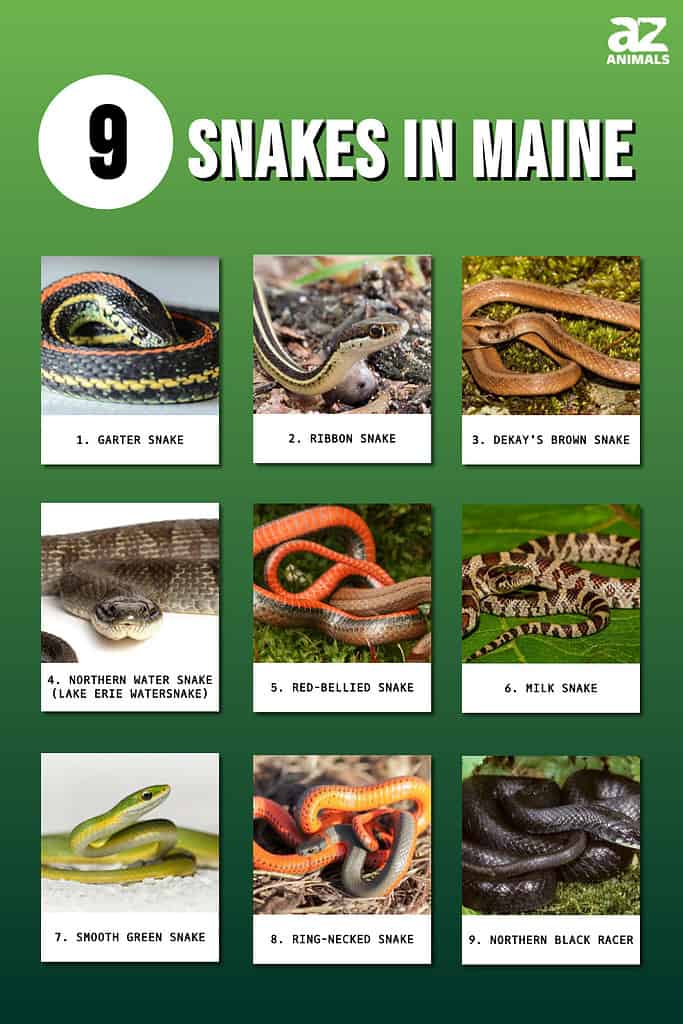
Although the state is free of venomous serpents, it does host several non-venomous species. Understanding these inhabitants can enhance your appreciation for the local ecosystem during your trip to places like Baxter State Park or the White Mountains.
The Common Garter Snake
The most frequently encountered snake in Maine is the Common Garter Snake. These slender, striped reptiles are harmless and are often found in gardens, meadows, and along the edges of forest trails. They play a vital role in controlling insect and amphibian populations. Seeing one slither through the grass in Portland or near Kennebunkport is a sign of a healthy, functioning environment.
The Northern Water Snake
Travelers often mistake the Northern Water Snake for a venomous variety due to its dark, blotchy patterns and its tendency to be found near water bodies like Moosehead Lake. However, this species is strictly non-venomous. While they may act defensively if cornered or handled, they pose no threat to visitors swimming or canoeing in New England waters.
Other Local Varieties
Other species, such as the Northern Red-bellied Snake and the Smooth Green Snake, are elusive and rarely seen by casual hikers. These snakes are generally shy and prefer to retreat from human contact. Their presence is a quiet testament to the rich biodiversity found in the Appalachian Mountains and the surrounding wildlands.
Why Maine Remains Snake-Safe
The absence of venomous snakes in Maine is primarily due to the state’s geographic location and climate. Reptiles are ectothermic—they rely on external heat sources to regulate their body temperature. The long, harsh winters and the relatively short, cool growing season in Northern Maine create a challenging environment for species that require sustained high temperatures to thrive.

The Role of Climate
Venomous snakes, such as the Timber Rattlesnake or Copperhead, are common further south, where milder winters allow them to emerge from hibernation earlier and remain active longer. In New England, the frost line and the duration of the winter dormancy period make it difficult for venomous populations to establish a foothold. This ecological barrier serves as a natural form of protection for hikers, families, and solo travelers exploring the scenic byways of the Atlantic Coast.
Geographic Isolation
Unlike states with extensive land bridges connecting to the southern reptile habitats, Maine is geographically isolated by cooler temperatures and varied topography. Even as climate patterns shift, the state remains a northern outpost where the typical hazards of snake-prone regions are notably absent. For the visitor, this means that every step taken on the trails of Mount Katahdin can be taken with complete peace of mind regarding ophidiophobia.
Best Practices for Wildlife Encounters
Even though there are no venomous snakes to worry about, respectful interaction with all wildlife is a hallmark of responsible tourism in Maine. Whether you are visiting the rugged shores of Penobscot Bay or the interior lakes, maintaining a respectful distance from nature is always the best approach.
Observing Instead of Handling
While the native snakes are harmless, they are living creatures that prefer to be left alone. If you encounter a snake on a trail near Augusta or Bangor, the best practice is to stop, observe from a distance, and allow the animal to move on. Attempting to handle a snake can cause stress to the animal and, in rare instances, lead to a non-venomous bite, which, while medically insignificant, can still be painful and require basic first aid.
Educating Fellow Travelers
Many tourists arrive in Maine with ingrained fears based on their experiences in other regions of the United States. You can contribute to a more enjoyable experience for everyone by sharing the facts: that Maine is essentially snake-safe. Dispelling these myths allows others to focus on the spectacular views, the crisp air, and the unique New England culture that defines the region.
Preparedness for Other Outdoor Factors
While snakes are not a concern, Maine does present other outdoor considerations. Ticks and black flies are far more common than any reptile. When visiting protected areas like Quoddy Head State Park, prioritize using insect repellent, wearing long pants when trekking through tall grass, and performing routine tick checks. Focusing on these genuine concerns will ensure your trip remains focused on recreation and sightseeing rather than unnecessary worry.

Embracing the Wild Beauty of the Pine Tree State
The decision to visit Maine is a decision to embrace nature in its most authentic form. From the rocky lighthouses along the Gulf of Maine to the serene, pine-scented forests, the state offers a unique escape from the stressors of modern life. Knowing that the local environment is free of venomous threats allows travelers to fully immerse themselves in the tranquility of the landscape.
Whether you are capturing photographs in the Coastal Maine Botanical Gardens or enjoying a quiet morning by the water in Camden, the environment is designed for exploration. The lack of dangerous reptiles is just one of the many reasons why this region remains a top-tier destination for nature lovers. By understanding the local wildlife and respecting the natural world, you ensure that your visit to Maine is as safe as it is memorable.
The next time you lace up your hiking boots in North America, leave your worries about venomous snakes at home. In Maine, the only thing you have to fear is the potential for wanting to stay much longer than you originally planned. Enjoy the trails, admire the biodiversity, and take comfort in knowing that the ground beneath your feet is as safe as the scenery is breathtaking.
LifeOutOfTheBox is a participant in the Amazon Services LLC Associates Program, an affiliate advertising program designed to provide a means for sites to earn advertising fees by advertising and linking to Amazon.com. Amazon, the Amazon logo, AmazonSupply, and the AmazonSupply logo are trademarks of Amazon.com, Inc. or its affiliates. As an Amazon Associate we earn affiliate commissions from qualifying purchases.