
California is a dream destination for many, known for its diverse landscapes, vibrant cities, and iconic attractions. From the rugged coastlines of Big Sur to the majestic peaks of Yosemite National Park, the Golden State offers an unparalleled array of experiences. However, a recurring concern for travelers planning a visit is the threat of wildfires, particularly during specific seasons. Understanding the current wildfire situation is crucial for a safe and enjoyable trip, influencing everything from destination choice to daily activities and even the packing list.
Navigating California’s Wildfire Season: Essential Travel Considerations
Wildfires are a natural, albeit increasingly severe, part of California’s ecosystem, primarily driven by dry conditions, high winds, and readily available fuel sources. The state experiences a distinct wildfire season, typically intensifying from late spring through autumn, with the peak often occurring in late summer and fall. This period is characterized by warm temperatures, low humidity, and the infamous Santa Ana winds in Southern California or Diablo winds in Northern California, which can rapidly spread fires.
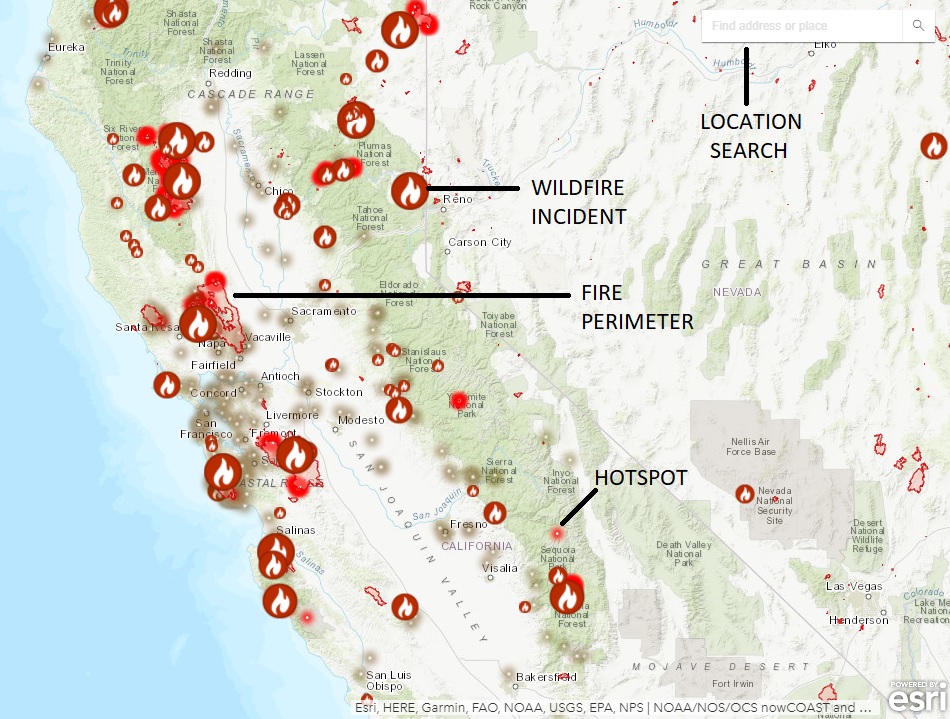
For travelers, the presence of wildfires can impact plans significantly. Beyond the immediate danger of being in a fire-affected zone, smoke can travel hundreds of miles, leading to poor air quality even in areas far removed from active blazes. This can disrupt outdoor activities, affect individuals with respiratory conditions, and obscure scenic views that are often central to the California travel experience. Road closures, particularly along major arteries like the Pacific Coast Highway or routes leading to National Parks, are also a common consequence, requiring significant detours or complete changes in itinerary.
Travelers planning visits during these months should adopt a proactive approach. This involves not only checking weather forecasts but also staying informed about fire alerts and understanding the general patterns of fire activity in their intended destinations. While a wildfire can occur at any time due to various factors, being aware of the heightened risk during certain seasons allows for more informed decision-making and preparedness.
Real-time Information: Your Best Tool for Safe Travel
Staying updated with accurate, real-time information is paramount when traveling to California during wildfire season. Official sources provide the most reliable data on active fires, containment levels, air quality, and evacuation orders. Relying on verified government agencies and reputable news outlets helps travelers make informed decisions and avoid misinformation.
The primary agency for wildfire information in California is CAL FIRE. Their website offers an interactive map of current incidents, providing details on fire location, size, containment, and resources deployed. This is often the first stop for anyone seeking to understand the immediate impact of fires. Additionally, county-level emergency services and sheriff’s departments often provide hyper-local updates, including detailed evacuation zones and shelter information, which is critical if your travel plans take you into or near an affected community.
Air quality is another crucial factor. Websites like AirNow.gov, managed by the U.S. Environmental Protection Agency, offer real-time air quality index (AQI) readings, color-coded for easy understanding. This helps travelers assess the health risks of outdoor activities in various regions, from Los Angeles to San Francisco and beyond. High AQI levels, particularly for particulate matter (PM2.5), indicate unhealthy air due to smoke and warrant limiting outdoor exposure.
For road conditions and closures, the California Highway Patrol (CHP) website and app provide timely alerts. Before embarking on any road trip, especially through mountainous or rural areas, checking for road closures is essential. This can prevent unexpected detours or finding yourself stranded. Many navigation apps also integrate real-time traffic and road closure data, but cross-referencing with official sources is always a good practice.
By integrating these resources into your travel planning and daily routine, you can effectively monitor the situation, assess risks, and adjust your itinerary as needed, ensuring your safety and optimizing your travel experience in California.
Adapting Your California Itinerary Amidst Wildfire Concerns
The dynamic nature of wildfires means that a pre-planned itinerary may need adjustments. Flexibility becomes a traveler’s greatest asset, allowing for shifts in destination or activity to ensure safety and enjoyment. Specific types of destinations are more prone to direct impact or smoke, while others might serve as safe havens or alternative options.
Impact on Iconic Destinations

Many of California’s most celebrated destinations are wilderness areas, making them susceptible to fire activity. National Parks like Yosemite National Park, Sequoia National Park, Redwood National Park, Joshua Tree National Park, and Lassen Volcanic National Park are often subject to closures or limited access during fire events or even prescribed burns. Smoke can drastically reduce visibility, diminishing the awe-inspiring experience of viewing ancient groves or panoramic vistas. Always check park websites for current conditions, alerts, and air quality advisories before heading out.
Similarly, renowned wine regions such as Napa Valley and Sonoma County can be directly threatened by fires, leading to vineyard damage, evacuations, and significant smoke impact. Even if vineyards are not directly threatened, prolonged exposure to smoke can affect grape quality and wine production, and certainly impact the experience of wine tasting tours. Travelers should monitor local news and winery announcements for specific operational changes.
Coastal cities and towns, like San Diego, Santa Barbara, Monterey, and Carmel-by-the-Sea, tend to have better air quality due to prevailing ocean breezes, making them potential alternatives if inland areas are affected. However, smoke plumes can drift, and even coastal communities are not entirely immune to poor air quality, especially in more sheltered bays or if winds shift. Iconic stretches like Big Sur can experience road closures due to fires or resulting landslides, making it imperative to verify access before planning a scenic drive.
Major metropolitan areas like Los Angeles, San Francisco, and Sacramento are generally less prone to direct fire impact within their city limits but can frequently experience poor air quality from distant fires. While attractions like the Golden Gate Bridge, Disneyland, or Universal Studios Hollywood might remain open, the overall experience of walking around the city or enjoying outdoor patios can be significantly diminished by hazy skies and the smell of smoke.
Health and Safety Precautions
Beyond itinerary adjustments, health precautions are critical. Travelers with respiratory conditions (asthma, COPD) or heart disease should consult their doctor before traveling to California during wildfire season and carry necessary medications. All travelers, especially those planning outdoor activities, should monitor air quality reports diligently. When air quality is poor, it is advisable to limit strenuous outdoor activities, stay indoors with windows and doors closed, and use air purifiers if available in accommodation. Wearing N95 masks can offer some protection against smoke particles if outdoor exposure is unavoidable.
Always respect fire safety guidelines, such as proper campfire etiquette in designated areas (if allowed at all), safe disposal of cigarettes, and avoiding activities that could spark a fire, especially in dry conditions. Your awareness and adherence to these guidelines contribute not only to your safety but also to the preservation of California’s natural beauty for all.
Responsible Travel and Preparedness During Wildfire Season
Traveling responsibly in California during wildfire season extends beyond personal safety to include supporting affected communities and minimizing one’s own risk contribution. A mindful approach ensures a positive experience while acknowledging the environmental realities of the region.
Supporting Affected Communities and Local Economies
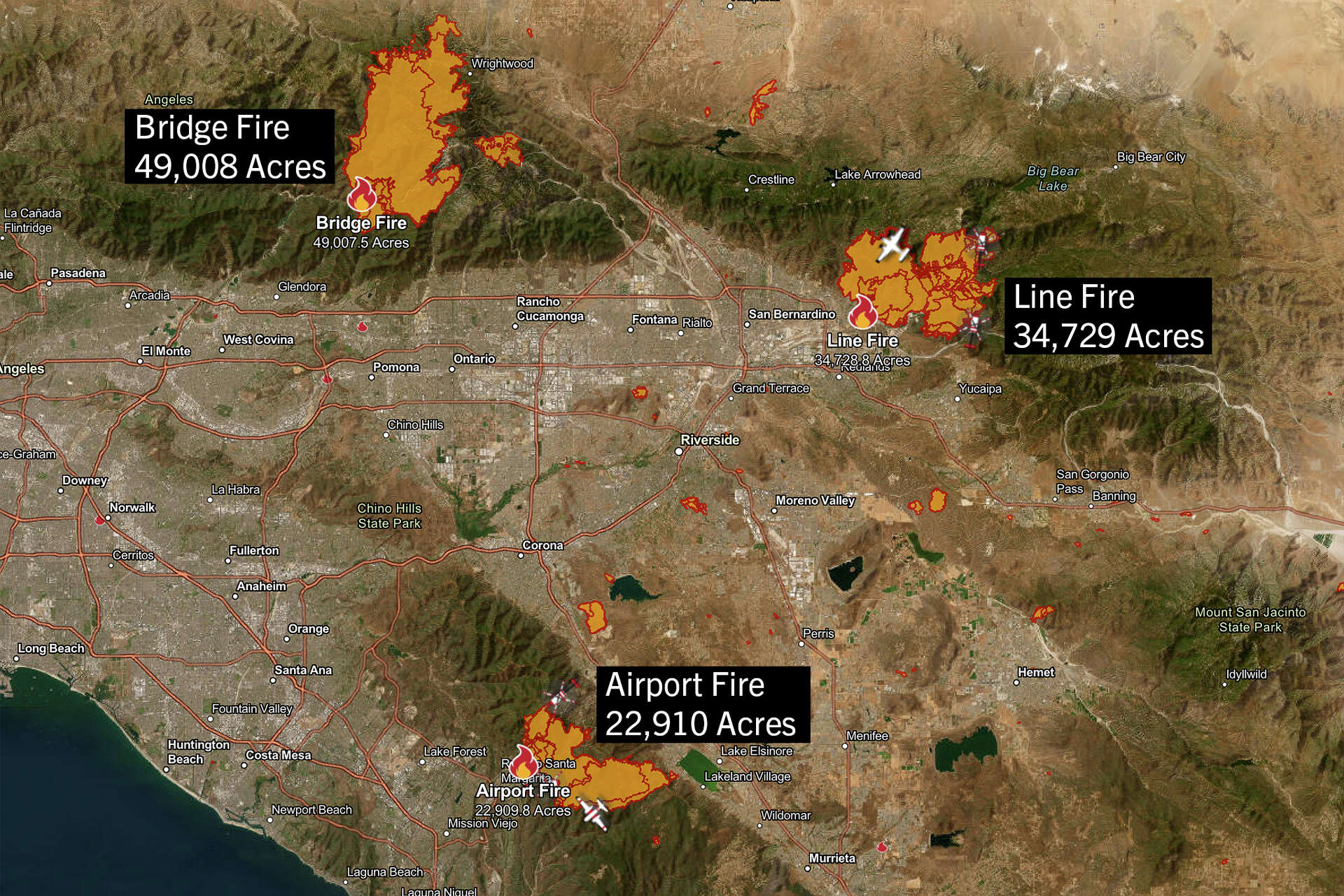
When wildfires impact an area, the economic repercussions can be severe, particularly for tourism-dependent businesses. If your travel plans are affected by a fire, consider rescheduling rather than canceling entirely if the situation permits. Returning to these areas once they are safe and open for visitors can provide much-needed support to local businesses, hotels, and attractions as they recover. Many local communities, even those not directly burned, can suffer from reduced tourism dueist to broader perceptions of risk or smoke impacts. Diversifying your destination choices to areas less affected, or choosing to visit during off-peak wildfire seasons, also helps distribute tourism revenue more evenly throughout the state and the year.
Always check local advisories before visiting fire-affected zones. While the instinct to help might be strong, entering areas under evacuation orders or active fire operations can impede emergency responders and put yourself at risk. Donate to official relief organizations rather than attempting self-organized aid, as professionals are best equipped to handle humanitarian and environmental recovery efforts.
Essential Preparedness for Travelers
Preparation is key to mitigating risks and ensuring a smooth trip, even if unforeseen events occur.
- Travel Insurance: Comprehensive travel insurance is highly recommended. Ensure your policy covers trip cancellations or interruptions due to natural disasters, including wildfires. Carefully read the terms and conditions, especially regarding “known events” — a fire that started before you purchased your policy might not be covered.
- Emergency Kit: For road trips, having an emergency kit in your vehicle is a wise precaution. This should include water, non-perishable food, a first-aid kit, a flashlight, a portable phone charger, and a map (as cell service can be unreliable in remote areas or during emergencies).
- Communication Plan: Share your itinerary with someone not traveling with you. Establish a check-in routine and identify a meeting point in case of separation. Keep emergency contact numbers readily accessible.
- Evacuation Readiness: Familiarize yourself with the evacuation routes for your accommodations, especially if staying in rural areas, National Parks, or near designated high-risk zones. Pay attention to local alerts and be prepared to evacuate promptly if advised by authorities. Local fire departments and sheriff’s offices often issue “Ready, Set, Go!” guidelines, which are invaluable for understanding evacuation levels.
- Vehicle Maintenance: Ensure your vehicle is in good working order, with a full tank of gas, especially if traveling through remote areas. Road closures can lead to long detours and increased fuel consumption.
By taking these proactive steps, travelers can enjoy the splendor of California with greater peace of mind, confident that they are prepared for potential challenges and contributing positively to the state’s resilience. The answer to “Are there wildfires in California right now?” often necessitates an informed “it depends,” and a responsible traveler is always ready to adapt.
LifeOutOfTheBox is a participant in the Amazon Services LLC Associates Program, an affiliate advertising program designed to provide a means for sites to earn advertising fees by advertising and linking to Amazon.com. Amazon, the Amazon logo, AmazonSupply, and the AmazonSupply logo are trademarks of Amazon.com, Inc. or its affiliates. As an Amazon Associate we earn affiliate commissions from qualifying purchases.