
The vast, rugged landscapes of Arizona, often conjuring images of saguaros, red rock canyons, and scorching deserts, hold a surprising secret for many travelers: the presence of wolves. While not as ubiquitous as coyotes or as frequently spotted as deer, a critically endangered subspecies, the Mexican Gray Wolf (Canis lupus baileyi), has been making a slow but significant return to the state’s wild frontiers. For those passionate about wildlife, conservation, and immersive travel experiences, understanding the journey of these magnificent predators and where they roam offers a unique lens through which to explore the Grand Canyon State. This article delves into the history, current status, and implications for eco-tourism surrounding the elusive and vital wolf populations in Arizona.
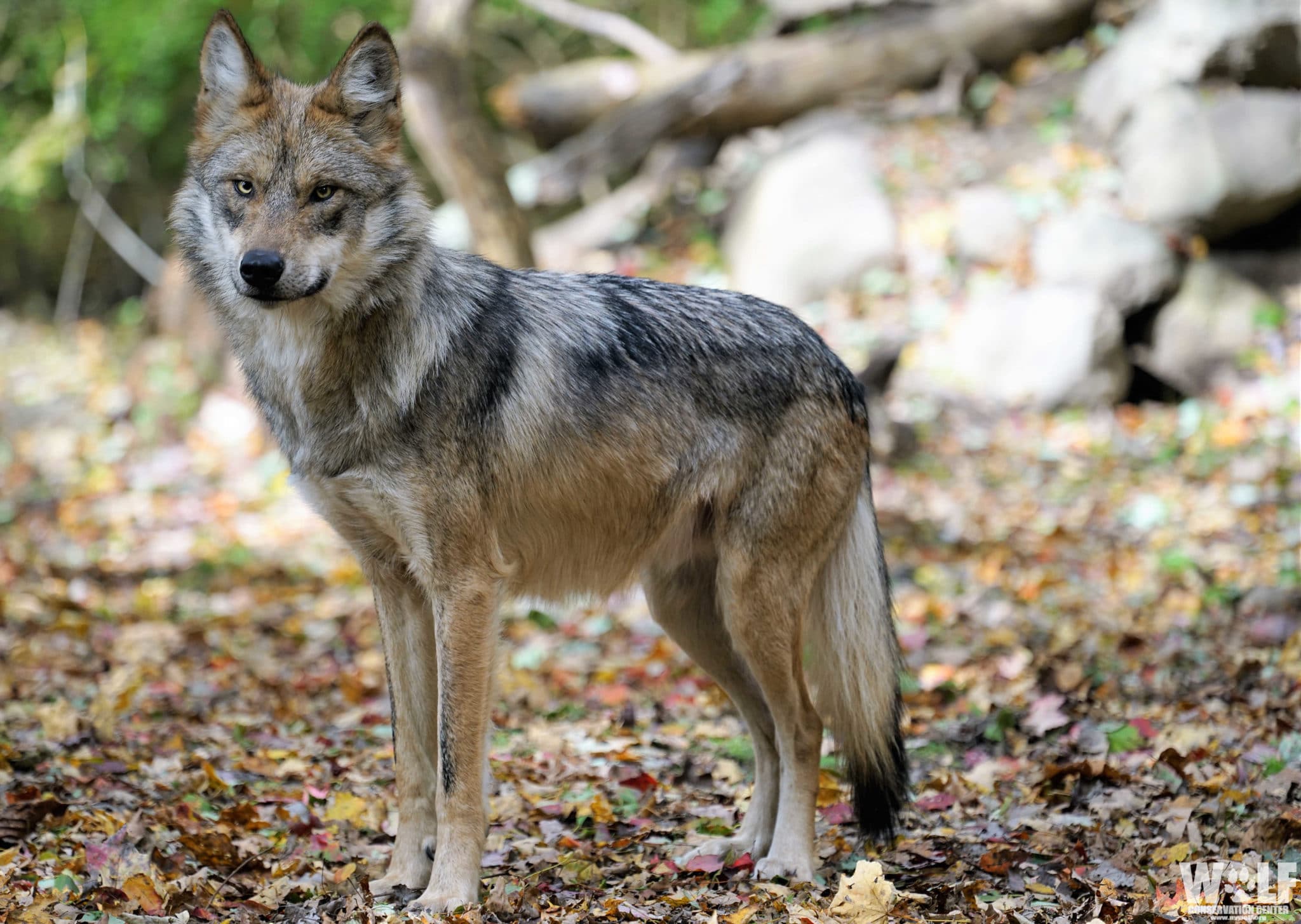
The Resilient Return of the Mexican Gray Wolf
The story of wolves in Arizona is one of both tragedy and hope, deeply intertwined with the region’s ecological health and human history. Once widespread across the Southwest United States and Mexico, the Mexican Gray Wolf faced near extinction due to predator control programs initiated in the early to mid-20th century. Ranchers and government agencies, aiming to protect livestock, systematically eliminated wolves from the landscape, leading to the species being declared extinct in the wild in the United States by the 1970s. However, a dedicated conservation effort has been working tirelessly to bring them back from the brink.
A Legacy of Extinction and Hope
The last wild Mexican Gray Wolf in Arizona was believed to have been killed in 1970. Fortunately, a small number of wolves were captured in Mexico between 1977 and 1980, forming the genetic foundation for a captive breeding program. This program, a collaborative effort involving various zoos and wildlife centers across the United States and Mexico, proved crucial for the species’ survival. The ultimate goal was, and remains, reintroduction into their historical range.
In 1998, a landmark moment in conservation occurred when the first captive-bred Mexican Gray Wolves were released into the wild in the Blue Range Wolf Recovery Area. This area spans portions of the Apache National Forest in eastern Arizona and the Gila National Forest in western New Mexico. The reintroduction program, managed by the U.S. Fish and Wildlife Service in partnership with state agencies like the Arizona Game and Fish Department, has faced numerous challenges, from political resistance and livestock depredation conflicts to genetic bottlenecks and illegal killings. Despite these obstacles, the population has shown slow but steady growth.
As of the most recent annual surveys, the wild population of Mexican Gray Wolves in the Southwest has surpassed 240 individuals, with a significant portion residing within Arizona’s borders. This number, while still small for a healthy, genetically diverse population, represents a remarkable achievement in species recovery and a testament to sustained conservation efforts. These wolves are not merely surviving; they are beginning to reclaim their ecological niche, fostering a healthier, more balanced ecosystem.
Where Wolves Roam in the Grand Canyon State
For travelers hoping to understand or even catch a glimpse of these magnificent animals, knowing their preferred habitats is key. The vast majority of Mexican Gray Wolves in Arizona are found within the rugged, forested terrain of the Blue Range Wolf Recovery Area, specifically within the Apache National Forest. This region, characterized by its high-elevation pine forests, deep canyons, and remote wilderness, provides ideal habitat for elk and deer, their primary prey.
Areas like the Blue Range Primitive Area and the surrounding wilderness tracts offer the kind of solitude and resources necessary for wolf packs to thrive. While the idea of encountering a wolf in the wild is exhilarating, it’s important to set realistic expectations. Wolves are incredibly elusive, wary of humans, and range over vast territories. A direct sighting is rare and usually requires immense patience, luck, and often, specialized knowledge of their movements. However, simply being in their habitat, knowing that these apex predators are once again part of the ecosystem, is an experience in itself.
Travelers venturing to these regions might consider destinations such as Pinetop-Lakeside or Greer, charming mountain towns that serve as gateways to the Apache National Forest. While these towns offer a range of accommodation options, from cozy cabins to more upscale resorts, the true wilderness experience lies beyond their limits. Exploring the countless hiking trails, scenic drives, and designated wilderness areas provides an opportunity to appreciate the landscapes that the wolves call home. This type of travel emphasizes a deep connection with nature, far removed from the bustling city life of Phoenix or Tucson.
Experiencing Arizona’s Wild Side: Wolf-Centric Travel
For many visitors to Arizona, the draw is often the iconic Grand Canyon National Park or the red rocks of Sedona. However, for those with a passion for wildlife and conservation, the presence of the Mexican Gray Wolf offers a different kind of adventure—one focused on education, ethical observation, and supporting a crucial ecological recovery.
Ethical Wildlife Viewing and Conservation Tourism
Direct wolf sightings are, as mentioned, exceedingly rare. However, responsible wolf-centric travel isn’t just about seeing a wolf; it’s about understanding their role, appreciating their habitat, and contributing to their survival. Several institutions across Arizona offer opportunities to learn about these creatures in an ethical and educational setting.
The Arizona-Sonora Desert Museum near Tucson is a world-renowned zoological park, botanical garden, art gallery, and natural history museum focused on the Sonoran Desert. It frequently hosts Mexican Gray Wolves in naturalistic enclosures, providing an excellent opportunity to observe them up close and learn about their biology, behavior, and the conservation challenges they face. Similarly, the Wildlife World Zoo, Aquarium & Safari Park located west of Phoenix may also feature Mexican Gray Wolves as part of their diverse collection, offering another avenue for public education and engagement. These facilities play a vital role in the captive breeding program and in raising public awareness.
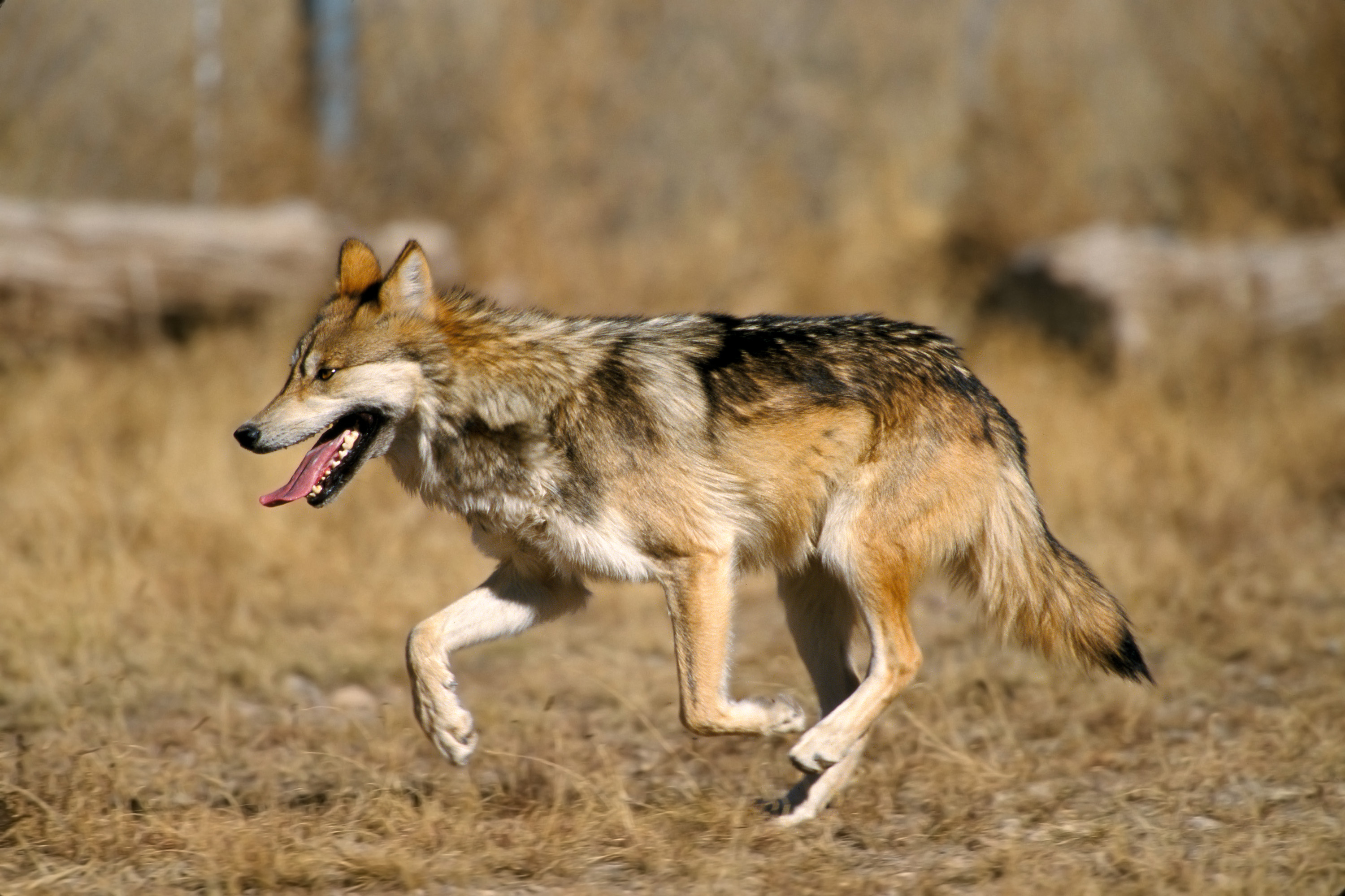
For those venturing into the potential wolf habitats, the principles of “Leave No Trace” are paramount. This means staying on marked trails, packing out all trash, keeping a respectful distance from all wildlife, and never attempting to feed any animals. Supporting local businesses in gateway communities like Eagar, Springerville, or Alpine, which are located on the fringes of the Blue Range Wolf Recovery Area, can also contribute to the local economy and indirectly support conservation efforts by fostering community engagement with sustainable tourism.
Guided tours focused on general wildlife viewing or ecological exploration within the Apache National Forest can also enhance the experience. While not guaranteeing a wolf sighting, expert guides can point out tracks, scat, and other signs of wolf presence, as well as educate visitors on the complex ecosystem. Many conservation organizations also offer volunteer opportunities or educational trips that provide deeper insights into the recovery program and allow participants to contribute directly to data collection or habitat restoration.
Planning Your Wolf-Inspired Arizona Adventure
For travelers planning a trip to Arizona with an interest in wolves, timing and location are key. The cooler months, particularly spring and fall, offer more comfortable hiking weather and potentially higher activity levels for wildlife. Summer can be intense, especially in lower elevations, though the high country where wolves reside is generally cooler.
A journey focused on the Mexican Gray Wolf experience could start by flying into Phoenix Sky Harbor International Airport or Tucson International Airport. From there, renting a vehicle and driving to the eastern part of the state, towards towns like Pinetop-Lakeside, Greer, or Alpine, would be the primary route. These towns offer a blend of cozy accommodation options, from rustic cabins to family-friendly resorts, providing a comfortable base for exploration.
Beyond the wolf recovery area, travelers can combine their wolf interests with visits to other iconic Arizona landmarks. Petrified Forest National Park is relatively close to the eastern wolf habitats and offers stunning prehistoric landscapes. Further north, the breathtaking Grand Canyon National Park provides an unparalleled natural spectacle, though it is currently outside the primary recovery zone for Mexican Gray Wolves. The high desert and pine forests around Flagstaff also offer rich wildlife viewing opportunities, often for elk, deer, and black bears, though wolf sightings here are highly improbable.
When selecting accommodation, consider properties that emphasize sustainability and eco-tourism. Many lodges and resorts in natural areas, like those found in Pinetop-Lakeside or Greer, often highlight their commitment to preserving the local environment, aligning with the spirit of wolf conservation. Researching local outfitters for guided hikes, bird watching, or photography tours can also enhance the trip, providing local expertise and insights into the diverse wildlife of the White Mountains region.
The Broader Impact: Wolves, Ecosystems, and Local Communities
The presence of the Mexican Gray Wolf in Arizona extends far beyond a simple biological fact; it signifies a profound ecological shift and introduces complex dynamics for local communities, impacting both the natural world and human lifestyles.
Ecological Keystone: Why Wolves Matter
Wolves are considered “keystone species” because their presence has a disproportionately large effect on their environment relative to their abundance. As apex predators, they play a critical role in maintaining the health and balance of ecosystems. For example, in Arizona, Mexican Gray Wolves primarily prey on elk and deer. By culling weak or sick individuals, they help keep ungulate populations healthy and prevent overgrazing.
When deer and elk populations are left unchecked, they can decimate vegetation, particularly young trees and riparian plants, which are crucial for stream bank stability, water quality, and habitat for other species like birds and beavers. The return of wolves can trigger a “trophic cascade,” where their presence indirectly benefits a wide array of species and even landscape features. Healthier vegetation leads to better habitat for smaller mammals and birds, improves water retention, and can even alter river morphology. Thus, the sight of a wolf, or even the knowledge of their existence in the remote Apache National Forest, is a powerful symbol of a healthy, functioning ecosystem. It embodies the wildness and biodiversity that draw so many travelers to Arizona’s natural landmarks.

Balancing Conservation with Local Lifestyles
The reintroduction of wolves is not without its challenges, particularly for rural communities whose livelihoods are deeply connected to the land. Ranchers, in particular, often bear the brunt of potential livestock depredation, leading to understandable conflicts and skepticism about the recovery program. Addressing these concerns is crucial for the long-term success of wolf conservation.
The Mexican Gray Wolf Recovery Program includes provisions for compensation for livestock losses attributed to wolves and promotes the use of non-lethal deterrents. These can include range riders, guard dogs, fladry (strips of fabric on a fence line that deter wolves), and improved carcass management to reduce attractants. Many conservation groups actively work with ranchers to implement these strategies, fostering coexistence rather than conflict. This aspect of the recovery program highlights the delicate balance between preserving wild nature and sustaining human communities, a common theme in modern conservation efforts globally.
From a lifestyle perspective, the presence of wolves introduces a unique dynamic to local culture and tourism. It encourages a different kind of visitor – one more interested in eco-tourism, wildlife photography, and understanding complex ecological systems than purely recreational activities. This aligns perfectly with a growing trend in travel towards meaningful experiences, where travelers seek to connect with local culture, contribute positively to the environment, and engage in activities that broaden their understanding of the world. It frames the Arizona experience not just as one of stunning vistas, but as an opportunity to witness and support a vital conservation success story in progress. The educational component of such travel fosters a deeper appreciation for the state’s natural heritage and the ongoing efforts to protect its unique biodiversity for future generations.
In conclusion, yes, there are wolves in Arizona. The Mexican Gray Wolf represents one of the most compelling wildlife recovery stories in North America, slowly reclaiming its ancestral lands. For travelers, this means an opportunity to engage with a truly wild side of Arizona, exploring its remote forests, supporting conservation efforts, and perhaps, with a bit of luck and a lot of patience, experiencing the profound thrill of knowing these incredible creatures roam free once more. It’s an invitation to go beyond the postcard images and discover the deeper, wilder heart of the Grand Canyon State.
LifeOutOfTheBox is a participant in the Amazon Services LLC Associates Program, an affiliate advertising program designed to provide a means for sites to earn advertising fees by advertising and linking to Amazon.com. Amazon, the Amazon logo, AmazonSupply, and the AmazonSupply logo are trademarks of Amazon.com, Inc. or its affiliates. As an Amazon Associate we earn affiliate commissions from qualifying purchases.