
The question “Are there wolves in Florida?” often sparks curiosity, conjuring images of howling predators under a moonlit swamp canopy. For travelers drawn to the wilder side of the Sunshine State, this query delves into the heart of Florida’s enigmatic natural heritage. While Florida is renowned for its vibrant cities like Miami and Orlando, its pristine beaches, and world-class attractions, its sprawling natural landscapes harbor a fascinating array of wildlife. Understanding the historical and current presence of wolves in Florida not only answers a specific wildlife question but also enriches a traveler’s appreciation for the state’s diverse ecosystems and conservation efforts.
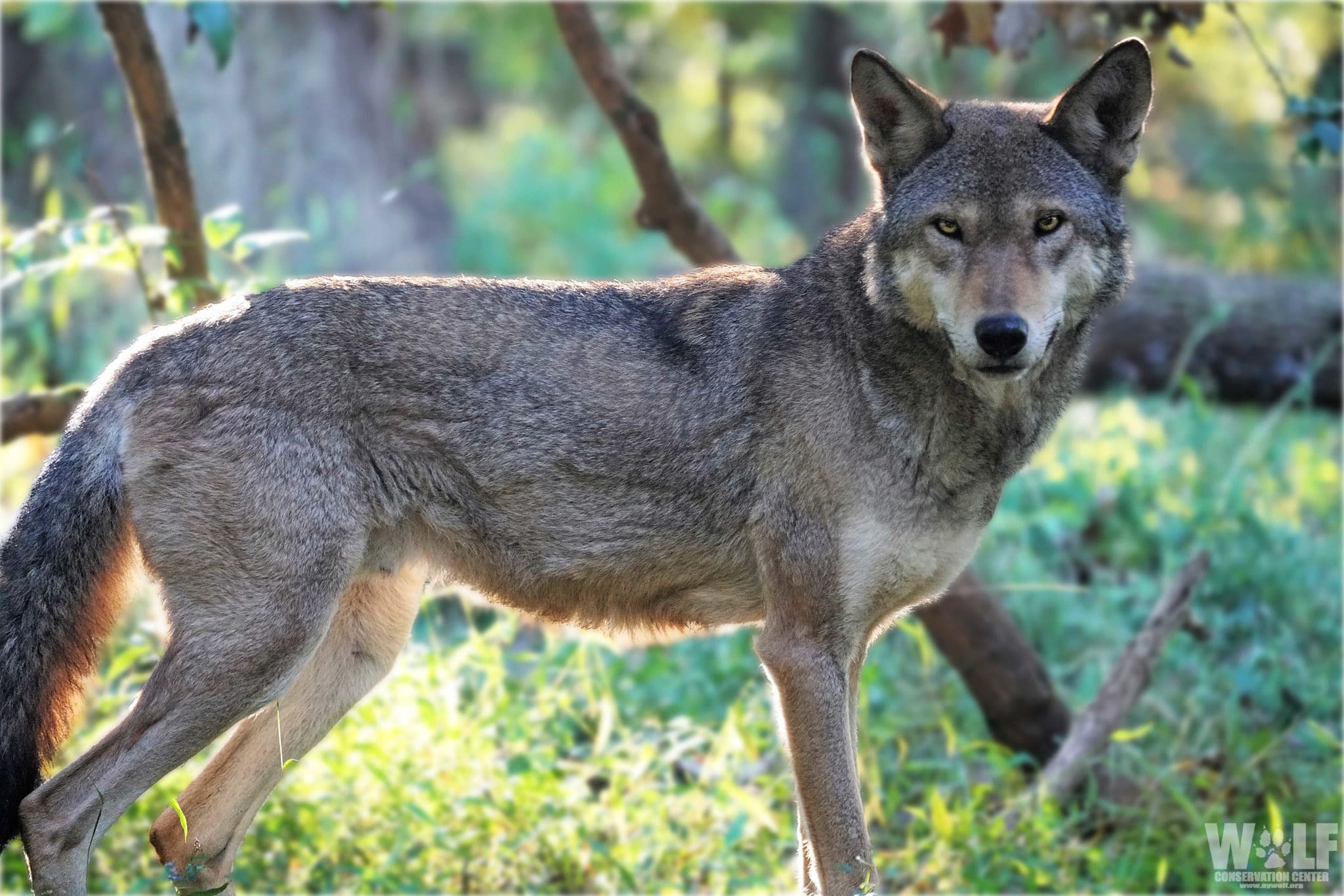
Historically, Florida was indeed home to wolves, specifically a subspecies of the Red Wolf. However, decades of habitat loss and human intervention have drastically altered the landscape for these apex predators. Today, the answer to whether wild wolves roam Florida is a nuanced “no,” with a rich backstory of extinction, adaptation, and the unexpected emergence of new species. For those planning an eco-adventure or seeking to immerse themselves in Florida’s incredible natural beauty, knowing what kind of wildlife to expect, and where to find it, is key to an unforgettable experience. This exploration will guide you through Florida’s past and present, offering insights into its magnificent wildlife and how you, as a responsible traveler, can explore its untamed heart.
A Glimpse into Florida’s Wild Past: The Wolves That Roamed
To understand the current absence of wild wolves in Florida, we must journey back in time. North America, including the southeastern United States, once hosted robust populations of wolves. The vast, diverse habitats of Florida would have provided an ideal environment for these cunning hunters, playing a crucial role in maintaining ecological balance.
The Elusive Red Wolf and Gray Wolf
Historically, the primary wolf species found in Florida was the Red Wolf (Canis rufus). These canids were smaller and more slender than their northern cousins, the Gray Wolf (Canis lupus), and were uniquely adapted to the warmer, more humid environments of the southeastern United States. Their historical range extended across the entire state of Florida, from the northern pine forests to the edges of the Everglades. They were intelligent, cooperative hunters, preying on deer, raccoons, and other small mammals, thereby shaping the health of the ecosystems they inhabited.
However, as human settlements expanded across Florida from the 19th century onwards, the Red Wolf faced immense pressure. Habitat destruction, particularly the conversion of wild lands for agriculture and development, severely fragmented their territories. More significantly, intensive predator control programs, driven by livestock protection and a general misunderstanding of their ecological role, led to widespread hunting and trapping. By the mid-20th century, the Red Wolf population in Florida had dwindled to critical levels, and by the 1960s, they were considered extirpated from the wild in the state. The species itself faced near-extinction throughout its entire range, surviving only through a monumental captive breeding and reintroduction program in other southeastern states. Sadly, today, no wild Red Wolves are known to exist in Florida.
The Gray Wolf, largely associated with colder, more northern climates, did not historically extend its primary range into Florida. Therefore, the romanticized image of a Gray Wolf howling in the Everglades is largely a product of fiction rather than historical fact.
The Reign of the Florida Panther – A Different Apex Predator
While wolves have vanished from Florida’s wild, the state still proudly hosts another incredible apex predator: the Florida Panther (Puma concolor coryi). Often mistaken or conflated with wolves in popular culture due to their elusive nature and status as top predators, the Florida Panther is, in fact, a subspecies of cougar or mountain lion. It is the last remaining subspecies of puma in the eastern United States and serves as Florida’s state animal.
These magnificent felines, characterized by their tawny coats and long tails, play an ecological role similar to that of wolves by regulating prey populations, primarily deer and wild hogs. Their primary habitat is in the mosaic of wetlands and forests of southern Florida, particularly within the vast expanses of Everglades National Park, Big Cypress National Preserve, and other state and federal lands. Despite significant conservation efforts, the Florida Panther remains critically endangered, with a population estimated to be around 200 individuals. For travelers hoping to witness Florida’s ultimate wild predator, a glimpse of a Florida Panther is exceptionally rare and considered the ultimate wildlife sighting, far more likely (though still highly improbable) than encountering a wild wolf.
Modern Florida: What You Might Encounter Today
With the wild wolves gone, what can a nature-loving visitor to Florida expect to see today regarding canine predators? The landscape has been transformed, not only by human development but also by the natural ebb and flow of species migration and adaptation.
The Rise of the Coyote in Florida
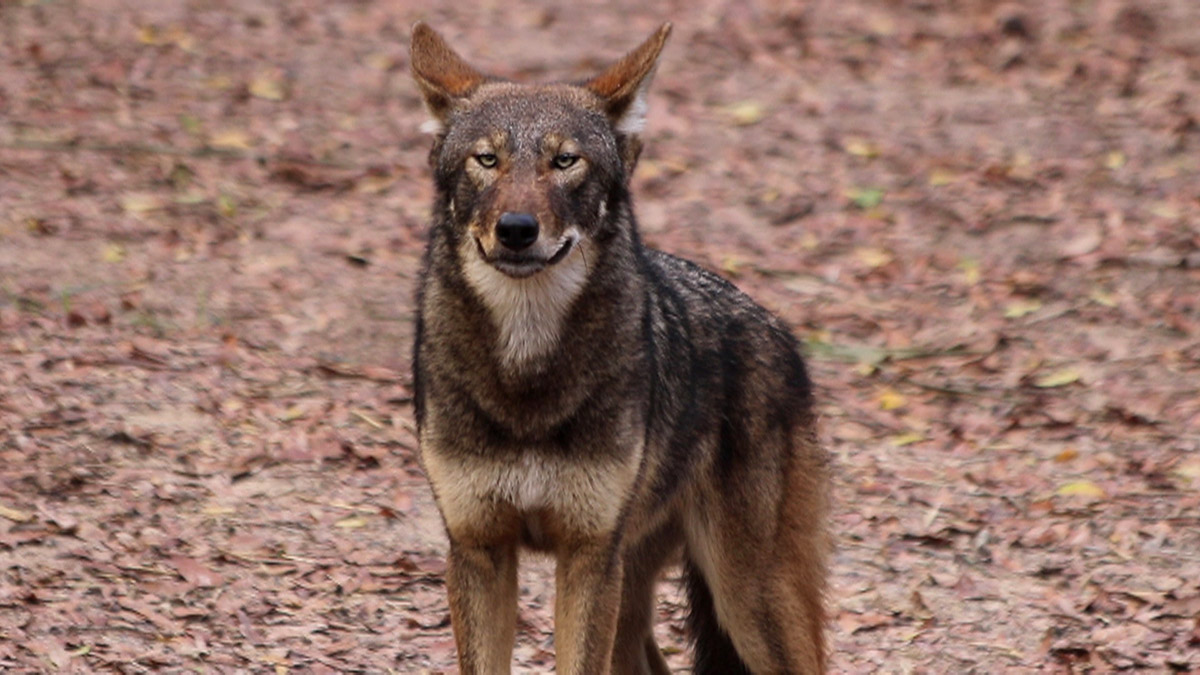
The most common wild canid you are likely to encounter in Florida today is the Coyote (Canis latrans). Not historically native to Florida or the southeastern United States, Coyotes have undergone a remarkable eastward expansion over the past century. As wolves were eliminated from much of their range, Coyotes, being highly adaptable and opportunistic, filled the ecological void. They first appeared in Florida in the 1970s and have since established populations in every county, thriving in a wide range of habitats from deep forests to suburban neighborhoods and even urban fringes of cities like Fort Lauderdale and Orlando.

Coyotes are often mistaken for wolves due to their similar appearance, especially their bushy tails and pointed ears. However, Coyotes are significantly smaller than wolves, typically weighing between 20-40 pounds, compared to a wolf’s 60-100+ pounds. They are nocturnal and incredibly elusive, making sightings rare even in areas where they are abundant. For travelers exploring Florida’s state parks, national forests like Ocala National Forest, or even some of the quieter beach towns along the Gulf Coast, hearing a Coyote’s distinctive yips and howls at night is a far more common wild sound than any wolf. While they are a testament to nature’s resilience, they are not the wolves of old.
The Complex World of Wolf-Dog Hybrids
Another factor contributing to the “Are there wolves in Florida?” question is the presence of wolf-dog hybrids. These are animals resulting from the breeding of a domestic dog with a pure wolf. While owning pure wolves is illegal in Florida without specific permits for exhibition or research, the legality surrounding wolf-dog hybrids can be complex and varies by county. Unfortunately, many such hybrids are abandoned or escape, leading to sightings of “wolf-like” animals in various parts of the state.
These hybrids can exhibit a wide range of wolf characteristics, both in appearance and behavior. However, they are not wild wolves and do not contribute to a natural wild wolf population. Furthermore, they can pose challenges for wildlife management and sometimes present risks to humans or livestock due to their unpredictable nature, being neither fully wild nor fully domesticated. Several reputable sanctuaries across Florida provide care for rescued wolf-dog hybrids and educate the public about their unique needs and the importance of responsible pet ownership. Travelers interested in learning more about these fascinating creatures in a controlled and ethical environment might find a visit to such a sanctuary a compelling experience.
Conservation Efforts and Protected Lands
Despite the absence of wild wolves, Florida is a global leader in conservation, with extensive efforts dedicated to preserving its unique biodiversity. The state boasts an impressive network of state parks, national forests, and wildlife refuges, making it an exceptional destination for ecotourism. These protected areas are vital for the survival of countless species, including the critically endangered Florida Panther.
For travelers passionate about wildlife, Florida’s protected lands offer incredible opportunities. Everglades National Park, a UNESCO World Heritage Site, offers airboat tours, hiking trails, and ranger-led programs that immerse visitors in its vast wetlands, home to alligators, manatees, and a stunning array of birdlife. Myakka River State Park, near Sarasota, is another fantastic destination for wildlife viewing, with opportunities for kayaking, hiking, and exploring canopy walkways. Further north, Ocala National Forest provides a different ecological experience with its sand pine scrub, vast prairies, and numerous natural springs perfect for swimming and snorkeling. These areas, while not home to wolves, are vibrant ecosystems showcasing Florida’s commitment to preserving its natural wonders for future generations and responsible tourism.
Experiencing Florida’s Wild Side: Beyond the Theme Parks
For travelers seeking an authentic connection with nature, Florida offers a wealth of experiences far removed from the bustling theme parks. While the pursuit of a wild wolf sighting is futile, the opportunity to witness diverse and captivating wildlife in their natural habitats is abundant and incredibly rewarding.
Wildlife Watching Opportunities for Travelers
Florida’s unique geography, nestled between the Atlantic Ocean and the Gulf of Mexico, has created a paradise for wildlife. Beyond the aforementioned Florida Panther and Coyotes, the state is famous for its iconic alligators and crocodiles, especially visible in the Everglades and other freshwater bodies. Gentle giants like the West Indian manatee can be observed in various springs and warm coastal waters during cooler months, with prime viewing locations such as Crystal River. Birdwatchers flock to Florida to witness over 500 species, including majestic bald eagles, vibrant roseate spoonbills, and graceful wading birds in sanctuaries like the J.N. “Ding” Darling National Wildlife Refuge on Sanibel Island.
Many state parks and preserves offer guided nature walks, kayak tours, and boat excursions led by knowledgeable naturalists. These experiences provide not only opportunities for wildlife photography but also invaluable educational insights into Florida’s ecosystems. Whether you’re a seasoned adventurer or a family looking for educational fun, Florida’s natural landmarks and protected areas promise unforgettable encounters.
Planning Your Eco-Adventure: Accommodation and Guides
Embracing Florida’s wild side requires thoughtful planning, especially concerning accommodation and guided experiences. For those seeking luxury travel within reach of nature, cities like Naples offer boutique hotels and resorts that blend upscale amenities with proximity to wild lands. Imagine staying at a resort such as the Ritz-Carlton, Naples or the Hyatt Regency Coconut Point Resort & Spa, enjoying exquisite comfort, then venturing out for a morning kayak trip into a nearby preserve.
For budget travel or a more immersive experience, many state parks offer cabins, RV sites, and primitive camping options. These accommodations allow visitors to wake up to the sounds of nature, directly within the heart of Florida’s wilderness. Specialized eco-lodges and guesthouses can also be found in areas bordering national forests or wildlife management areas, providing a rustic yet comfortable base for exploration.
Booking reviews for local tour operators are essential when seeking guided adventures. Look for companies with strong environmental ethics and experienced guides who prioritize wildlife safety and minimal impact tourism. Whether you’re interested in airboat tours through the Everglades, snorkeling with manatees in Crystal River, or hiking the extensive trails of Big Cypress National Preserve, a reputable guide can enhance your experience and ensure a respectful interaction with Florida’s precious wildlife. Consider using online booking platforms that allow you to compare prices and read reviews, ensuring you select the perfect adventure that aligns with your lifestyle and travel preferences.
In conclusion, while the majestic howl of a wild wolf no longer echoes through the Florida wilderness, the state remains a vibrant testament to nature’s enduring spirit. Its diverse landscapes, from the cypress swamps to the pristine coastlines, continue to beckon travelers with promises of unparalleled wildlife encounters and unforgettable adventures. By understanding the true story of wolves in Florida, and embracing the myriad of other incredible species that call this state home, you can unlock a deeper appreciation for this unique corner of the United States and contribute to its ongoing conservation success. So pack your bags, choose your adventure – be it a luxury stay near a wildlife sanctuary or a rustic camping trip – and discover the wild heart of Florida.
LifeOutOfTheBox is a participant in the Amazon Services LLC Associates Program, an affiliate advertising program designed to provide a means for sites to earn advertising fees by advertising and linking to Amazon.com. Amazon, the Amazon logo, AmazonSupply, and the AmazonSupply logo are trademarks of Amazon.com, Inc. or its affiliates. As an Amazon Associate we earn affiliate commissions from qualifying purchases.