
The rustling of leaves, the call of a distant owl, the thrill of exploring vast, untamed landscapes – these are the quintessential experiences that draw many to New York State. Beyond the glittering skyline of New York City, a wilder, more mysterious New York awaits. For the intrepid traveler, the nature enthusiast, and the curious adventurer, the question often arises: are there wolves in New York State? This isn’t just a question for wildlife biologists; it’s a query that touches upon the very essence of wilderness, conservation, and the enduring presence of nature within a heavily populated state.
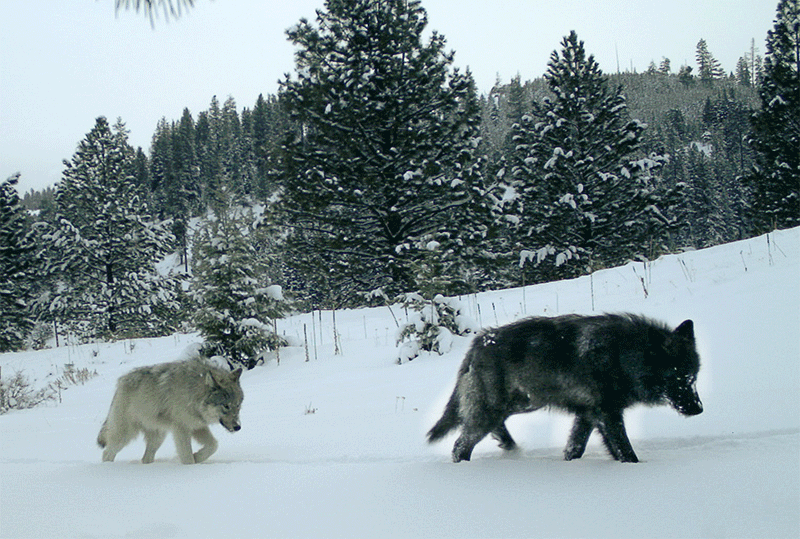
The presence of wolves, particularly the iconic gray wolf (Canis lupus), evokes a powerful image of wildness. For centuries, these apex predators were an integral part of the eastern United States ecosystem, their howls echoing through the dense forests. However, human settlement, habitat loss, and hunting led to their extirpation in many areas. So, does this mean the wolf’s story in New York is solely one of the past, or is there a chance for their return, even if in a limited or evolving capacity? This article will delve into the historical context, current scientific understanding, and the exciting possibility of encountering these magnificent creatures, all while considering the broader appeal of New York‘s diverse landscapes for travelers seeking unique experiences.
The Ghost of the Past: Wolves in Historical New York
To understand the current situation, we must first rewind the clock. Wolves, particularly the eastern wolf (Canis lycaon), were once abundant throughout New York State. These animals played a crucial role in maintaining the health of the ecosystem, acting as natural population controllers for prey species like deer. Indigenous peoples of New York, such as the Haudenosaunee (Iroquois Confederacy), shared this land with wolves for millennia. Their oral traditions and historical accounts often feature wolves, reflecting their significance in the natural and spiritual world.
As European settlers arrived, the perception of wolves began to shift. They were often viewed as a threat to livestock and a symbol of the untamed wilderness that needed to be conquered. This led to widespread hunting and bounties, pushing the wolf population to the brink of extinction in New York by the late 19th and early 20th centuries. The last confirmed wolf kill in New York was recorded in the Adirondack region in 1890. This marked the effective end of wolves as a breeding population within the state’s borders for many decades.
The absence of wolves left an ecological void. Without their natural predation, deer populations, for instance, began to boom in some areas, leading to overgrazing and impacting forest regeneration. This historical narrative is crucial for understanding the ongoing conservation efforts and the scientific discussions surrounding the potential for wolf reintroduction or natural recolonization. While the direct presence of the historical New York wolf is gone, its legacy continues to inform our understanding of the state’s biodiversity and the importance of apex predators.
The Eastern Wolf and Its Cousins: A Matter of Identification
A significant part of the discussion around wolves in New York hinges on taxonomy and identification. For a long time, the wolf that inhabited the eastern United States was classified as the eastern wolf (Canis lycaon). However, recent genetic research has challenged this classification. Some studies suggest that the eastern wolf might be a distinct species, while others indicate it may be a hybrid or a subspecies closely related to the coyote and the gray wolf.
This scientific debate has implications for conservation strategies and the definition of what constitutes a “wolf” in New York. If the animal is genetically distinct, it warrants specific conservation measures. If it’s a hybrid, understanding its genetic makeup is still vital for managing wildlife populations. This complexity makes definitively stating “yes” or “no” to the presence of wolves challenging without careful consideration of these scientific nuances.
Beyond the eastern wolf, there’s also the question of the gray wolf (Canis lupus). Gray wolves are found in other parts of North America, particularly in the western United States and Canada. Their potential to expand their range southward and eastward is a subject of ongoing observation and scientific interest. The sheer size of New York State, with its vast tracts of wilderness, including the Adirondack Park, makes it a theoretically viable habitat for large carnivores.
Modern Sightings and Scientific Scrutiny: Are Wolves Back in New York?
The question of whether wolves are currently present in New York is a complex one, marked by occasional sightings, DNA evidence, and scientific investigation. While large-scale wolf populations akin to those found in the western United States are not currently established in New York, there have been intriguing developments.
The Canine Conundrum: Identifying Wolf-Like Canids
Over the past few decades, there have been reports of wolf-like canids in various parts of New York State, particularly in the northern regions and the Adirondacks. These reports often spark excitement and debate. However, it’s crucial to differentiate between actual wolves and other canids that may resemble them, such as coyotes, eastern coyotes (Canis latrans var.), and even domestic dogs that have gone feral.
Coyotes are abundant throughout New York and have demonstrated remarkable adaptability. In fact, the eastern coyote, which is larger than its western counterparts and sometimes referred to as a “coywolf,” is genetically a hybrid of coyotes and wolves. This genetic blending can lead to animals with larger body sizes and behaviors that might be mistaken for wolves.
Scientists at the New York State Department of Environmental Conservation (NYSDEC) and various academic institutions have been actively involved in collecting and analyzing biological samples, such as scat, hair, and tissue, from suspected wolf sightings. Genetic analysis of these samples is the most definitive way to determine the species of the canid.
DNA Evidence and What It Tells Us
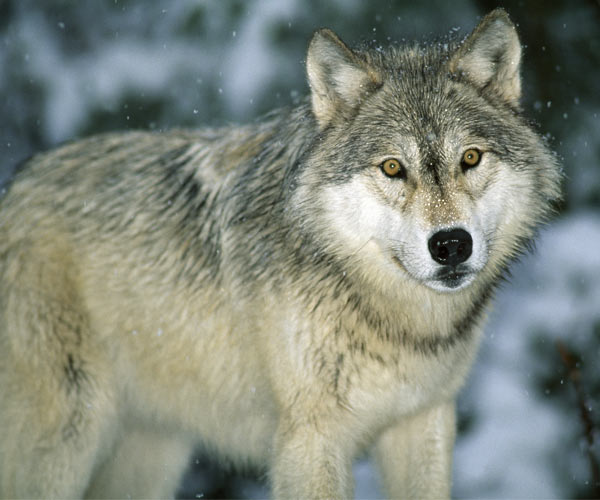
The results from these genetic studies have been illuminating and, at times, inconclusive for establishing a resident wolf population. While definitive evidence of a breeding wolf population has been elusive, some studies have detected wolf DNA in samples collected from canids in New York. This could indicate several possibilities:
- Transient Individuals: Wolves from nearby populations in Canada, for example, might occasionally wander into New York State. These are typically lone animals exploring new territory, and their presence might not signify a stable population.
- Hybridization: As mentioned, the eastern coyote itself has wolf ancestry. Genetic analysis can reveal varying degrees of wolf influence in these animals.
- Misidentification: Some sightings, even with the best intentions, can be misidentifications of large coyotes or other canids.
The NYSDEC currently does not recognize a wild wolf population in New York State. However, they remain vigilant and continue to monitor for evidence of wolves. The definition of “wolf” for management purposes often refers to the gray wolf (Canis lupus). The potential presence of the eastern wolf (Canis lycaon) adds another layer of complexity to this ongoing scientific inquiry.
The continuous monitoring and research are vital for understanding the dynamic nature of wildlife populations and the potential for species to reclaim habitats they once occupied. For travelers interested in wildlife, the possibility, however slim, of encountering a wolf-like creature adds an element of thrill to exploring New York‘s wilder areas.
Exploring New York’s Wilderness: Beyond the Hunt for Wolves
While the quest for wolves might draw some to New York‘s remote regions, the state offers an unparalleled wealth of natural beauty and outdoor adventure for every type of traveler. The very areas where wolves might theoretically exist or transiently pass through are prime destinations for those seeking to immerse themselves in nature.
The Adirondack Park: A Sanctuary of Wilderness
The Adirondack Park is the crown jewel of New York‘s wilderness, encompassing over six million acres of mountains, forests, lakes, and rivers. It is the largest state park in the contiguous United States and a UNESCO World Heritage Site. This vast expanse provides critical habitat for a wide array of wildlife, including black bears, moose, white-tailed deer, and numerous bird species.
For outdoor enthusiasts, the Adirondacks offer endless opportunities for hiking, camping, kayaking, fishing, and wildlife viewing. Iconic destinations within the park include Lake Placid, famous for its Olympic history and stunning mountain vistas, and the High Peaks Wilderness Area, a mecca for serious hikers. The sheer scale of the Adirondacks means that while spotting a wolf may be unlikely, the chance to experience true wilderness is almost guaranteed. Numerous lodges, resorts, and campgrounds cater to visitors, offering comfortable bases from which to explore. From rustic cabins to luxurious resorts, the accommodation options are as diverse as the landscape itself.
Other Wild Spaces: From the Catskills to the North Country
New York State is dotted with other significant natural areas that offer breathtaking scenery and wildlife viewing opportunities. The Catskill Mountains, to the south of the Adirondacks, provide a more accessible wilderness experience, with rolling hills, dense forests, and charming towns. They are a popular destination for hiking, fishing, and leaf-peeping in the fall.
The Allegheny State Park in southwestern New York is another extensive park offering hiking trails, camping, and opportunities to see diverse flora and fauna. The North Country region, bordering Canada, is characterized by its vast forests and proximity to the St. Lawrence River, offering a rugged and less-traveled experience.
When planning a trip to these wild areas, it’s always advisable to consult with local tourism boards or park services for the latest information on wildlife sightings, trail conditions, and recommended accommodations. Whether you’re staying in a cozy bed and breakfast in a mountain town or a secluded cabin deep in the woods, the emphasis is on embracing the natural world.
Responsible Wildlife Tourism: Respecting the Wild
The allure of seeing a wild wolf, even a rare glimpse, can be a powerful draw. However, it’s crucial to approach wildlife observation with respect and responsibility. If you are venturing into wolf country, whether in New York or elsewhere, remember that these are wild animals.
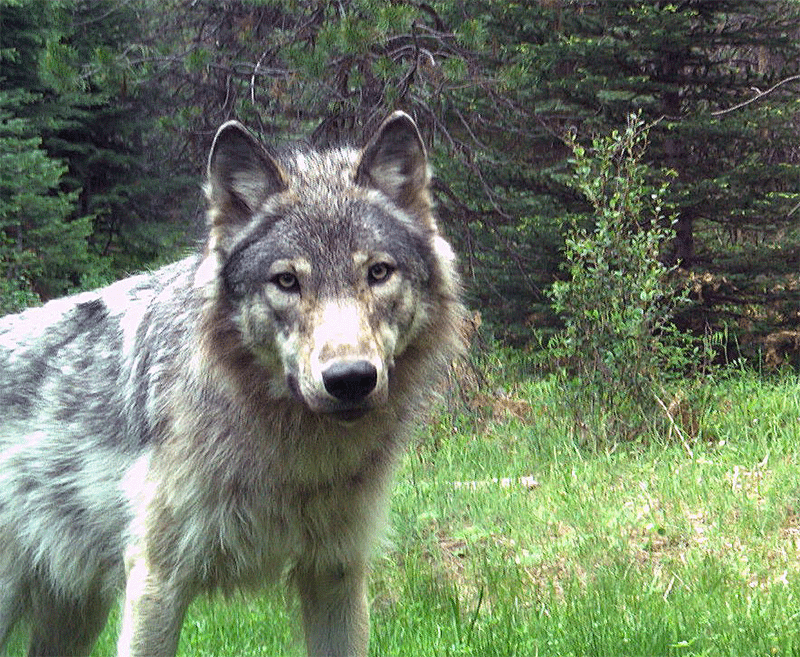
Best Practices for Wildlife Encounters
- Maintain a Safe Distance: Never approach or attempt to feed wild animals, including wolves or wolf-like canids. Use binoculars or a telephoto lens to observe them from a safe distance.
- Be Aware of Your Surroundings: Make noise when hiking to avoid surprising wildlife. Carry bear spray or other deterrents if recommended for the area.
- Store Food Properly: Keep food secure in bear-resistant containers to prevent attracting animals to your campsite or lodging.
- Report Sightings: If you do have a confirmed sighting of a wolf, report it to the New York State Department of Environmental Conservation. This data is invaluable for scientific research and conservation efforts.
- Choose Ethical Operators: If booking guided tours, select operators who prioritize wildlife welfare and follow ethical observation practices.
The presence of wolves, or even the possibility of their return, speaks to the resilience of nature. New York State, with its commitment to preserving its wild spaces, offers a compelling destination for those who appreciate the natural world. While a wolf sighting might be the ultimate thrill for some, the journey through its diverse landscapes, staying in charming towns, and experiencing the untamed beauty is a reward in itself. The question of wolves in New York remains an ongoing chapter in the state’s natural history, one that continues to intrigue and inspire exploration.
LifeOutOfTheBox is a participant in the Amazon Services LLC Associates Program, an affiliate advertising program designed to provide a means for sites to earn advertising fees by advertising and linking to Amazon.com. Amazon, the Amazon logo, AmazonSupply, and the AmazonSupply logo are trademarks of Amazon.com, Inc. or its affiliates. As an Amazon Associate we earn affiliate commissions from qualifying purchases.