
A Glimpse into Oklahoma’s Wild Heart
The question of whether wolves roam the expansive landscapes of Oklahoma is one that sparks curiosity and a sense of wild wonder. While not as prevalent as in some of the more famously wild Western states, the presence of wolves in Oklahoma is a nuanced and evolving story, intertwined with conservation efforts, historical accounts, and the very definition of what constitutes a “wolf” in the modern era. Understanding this requires delving into the natural history of the region, the challenges faced by these apex predators, and the ongoing work to protect and, where appropriate, reintroduce them. The iconic image of a wolf howling at the moon often conjures visions of vast, untamed wilderness, and while Oklahoma might not immediately come to mind as a wolf stronghold, its ecological tapestry is richer and more complex than often perceived.
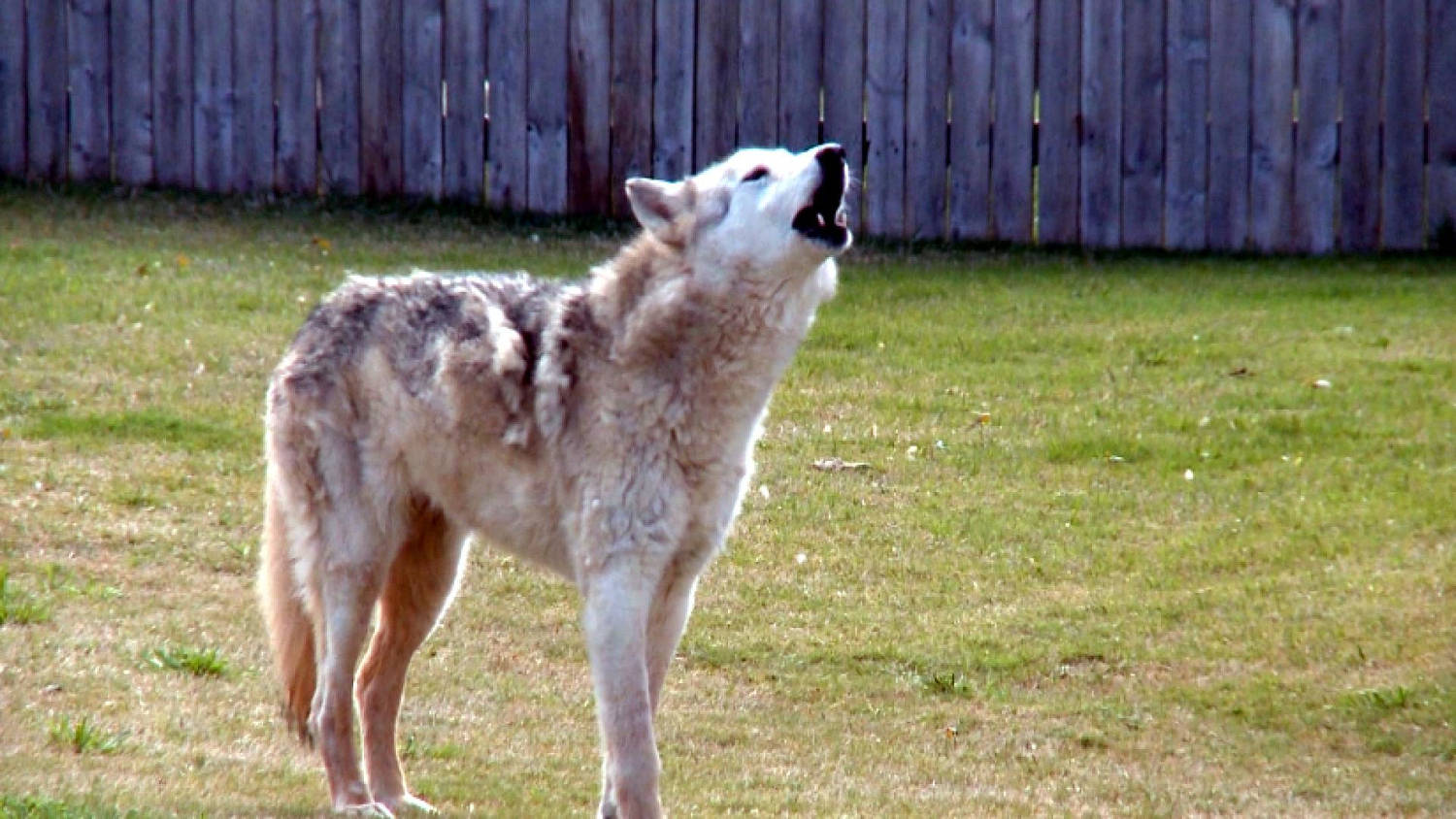
Historical Presence and Extirpation
Historically, the native wolf populations in Oklahoma were indeed significant. The primary species believed to have inhabited the region was the gray wolf (Canis lupus), and potentially the red wolf (Canis rufus), though the latter’s presence has been a subject of considerable debate and reclassification over time. These animals played a crucial role in the ecosystem, acting as natural regulators of prey populations, particularly large herbivores like deer and elk. Their presence shaped the very landscape, influencing plant communities and maintaining a delicate ecological balance.
However, the arrival of European settlers marked a dramatic shift. As agriculture and ranching expanded, wolves were often perceived as a threat to livestock and a nuisance. Extensive predator control campaigns, driven by bounties and a desire to “tame” the wilderness, led to a precipitous decline in wolf numbers throughout the late 19th and early 20th centuries. By the mid-20th century, wolves were considered functionally extirpated from Oklahoma, meaning they were no longer present in sufficient numbers to fulfill their ecological role, or indeed, to be reliably detected. This period of absence left a void in the natural order, with cascading effects on prey populations and habitat dynamics. The narrative of wolves in Oklahoma therefore begins with a story of loss and the profound impact human activity can have on wildlife.
The Nuances of Identification: Wolves vs. Coyotes
One of the primary challenges in confirming the presence of wolves in Oklahoma today is distinguishing them from their smaller, more adaptable cousins, the coyote (Canis latrans). Coyotes are abundant throughout the state and share similar habitats with wolves, often leading to misidentification. Physically, wolves are generally larger, with broader heads, shorter snouts, and longer legs than coyotes. Their tracks are also distinct, with wolf tracks being significantly larger and more rounded than coyote tracks.

Behaviorally, wolves are typically more social, living in packs with complex social structures, while coyotes are often found alone or in pairs. Their vocalizations also differ, though distinguishing between wolf howls and coyote yips from a distance can be difficult for the untrained ear. The confusion between these species is not merely academic; it has significant implications for conservation. If an animal is identified as a wolf, it may fall under protective legislation, whereas a coyote does not. Accurate identification through careful observation, scat analysis, and genetic testing is therefore paramount for any wildlife management or research efforts. The ecological niche occupied by coyotes has also expanded in the absence of wolves, demonstrating the interconnectedness of species within an ecosystem.
Modern Sightings and Conservation Efforts
In recent years, there have been sporadic reports and anecdotal evidence suggesting the return or occasional presence of wolves in Oklahoma. These reports often stem from sightings by hunters, hikers, or rural residents, particularly in the more remote, densely forested areas of southeastern Oklahoma, such as the Ouachita Mountains, and along the western border, potentially dispersing from Kansas or Texas.
However, confirming these sightings as genuine wolves and not large coyotes or wolf-dog hybrids has proven difficult without concrete scientific evidence. The Oklahoma Department of Wildlife Conservation (ODWC) acknowledges these reports and monitors wildlife populations closely. They often employ methods such as camera traps, scat analysis for DNA, and public reporting systems to gather data.
The potential return of wolves, even as transient individuals or small family groups dispersing from neighboring states where wolf populations are recovering, is a significant development. It highlights the resilience of nature and the potential for species to reclaim territories they once inhabited. Conservation efforts in neighboring states, such as the reintroduction of Mexican gray wolves in New Mexico and Arizona, and the recovery of gray wolf populations in the northern Rockies, have created a larger metapopulation from which dispersal into Oklahoma might occur.
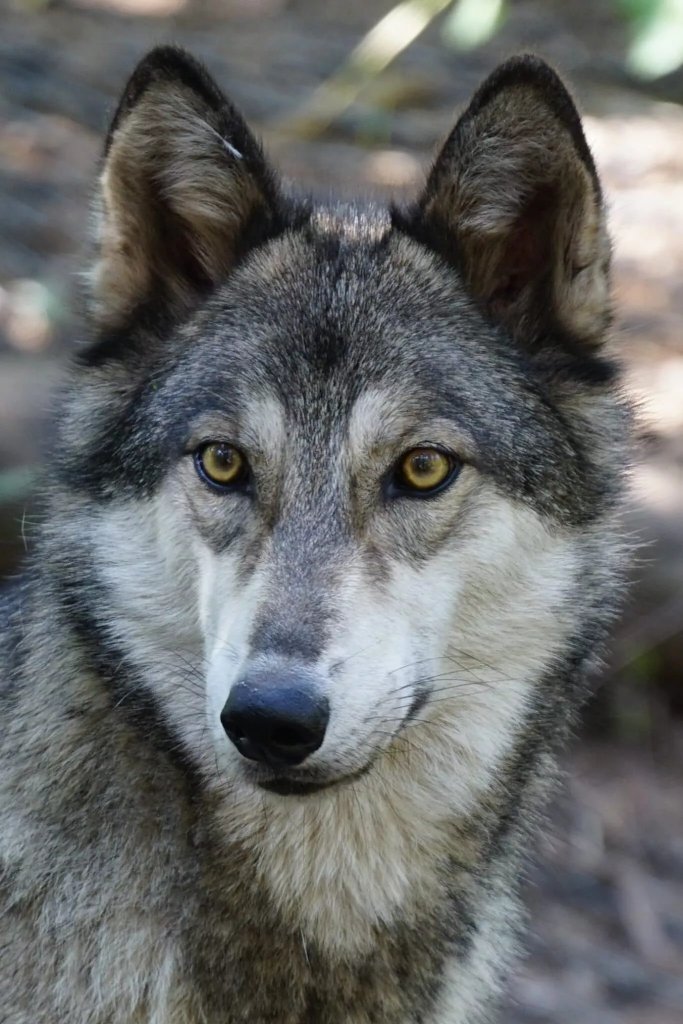
The Future of Wolves in Oklahoma
The question of whether wolves will re-establish a permanent presence in Oklahoma remains uncertain. Several factors will influence this outcome. Firstly, habitat availability and connectivity are crucial. While Oklahoma has large tracts of public and private land, the fragmentation of habitats due to human development can hinder the natural dispersal of wide-ranging predators. Secondly, public perception and tolerance are vital. The historical animosity towards wolves, while largely diminished, can resurface if livestock depredation becomes a concern. Effective communication, education, and compensation programs can help foster coexistence.
The legal status of wolves also plays a role. In the United States, gray wolves are protected under the Endangered Species Act, although delisting efforts and state-specific management plans can alter their status. Any wolf population in Oklahoma would likely be subject to federal oversight, at least initially.
The possibility of wolves returning to Oklahoma is a testament to the ongoing recovery of wildlife populations across North America. It speaks to the importance of large-scale conservation initiatives and the interconnectedness of ecosystems. For nature enthusiasts, outdoor adventurers exploring places like the Wichita Mountains Wildlife Refuge, or those simply interested in the natural heritage of the Sooner State, the whisper of wolves in the wind is a compelling prospect. Whether they will become a permanent fixture or remain elusive visitors, their potential presence enriches the wild narrative of Oklahoma, reminding us of the enduring power and mystery of the natural world. The ongoing research and monitoring by organizations like the ODWC are essential in unraveling this captivating ecological puzzle and ensuring a future where wildlife, including potentially wolves, can thrive.
LifeOutOfTheBox is a participant in the Amazon Services LLC Associates Program, an affiliate advertising program designed to provide a means for sites to earn advertising fees by advertising and linking to Amazon.com. Amazon, the Amazon logo, AmazonSupply, and the AmazonSupply logo are trademarks of Amazon.com, Inc. or its affiliates. As an Amazon Associate we earn affiliate commissions from qualifying purchases.