
Unveiling the Edibility of Alaskan Wintergreen
Alaska, a land of unparalleled wilderness and breathtaking natural beauty, offers a tapestry of flora that has sustained indigenous communities for millennia. Among its diverse plant life are several species commonly referred to as “wintergreen,” each with its own unique characteristics and potential uses. For the intrepid traveler or the curious local, understanding which of these plants are safe for consumption is paramount. This exploration delves into the world of Alaskan wintergreen species, distinguishing between those that are edible and those that should be admired from a distance.

The term “wintergreen” itself can be a source of confusion, as it is applied to a variety of plants that share certain traits, most notably evergreen leaves and a distinct aroma often associated with methyl salicylate. In Alaska, the most prominent members of this group include species within the Gaultheria genus and the Pyrola genus. While both are evergreen and often found in similar habitats, their edibility and traditional uses differ significantly. Navigating this distinction is crucial for anyone considering foraging or simply deepening their appreciation for the Alaskan ecosystem.
Identifying the True Wintergreens: Gaultheria Species
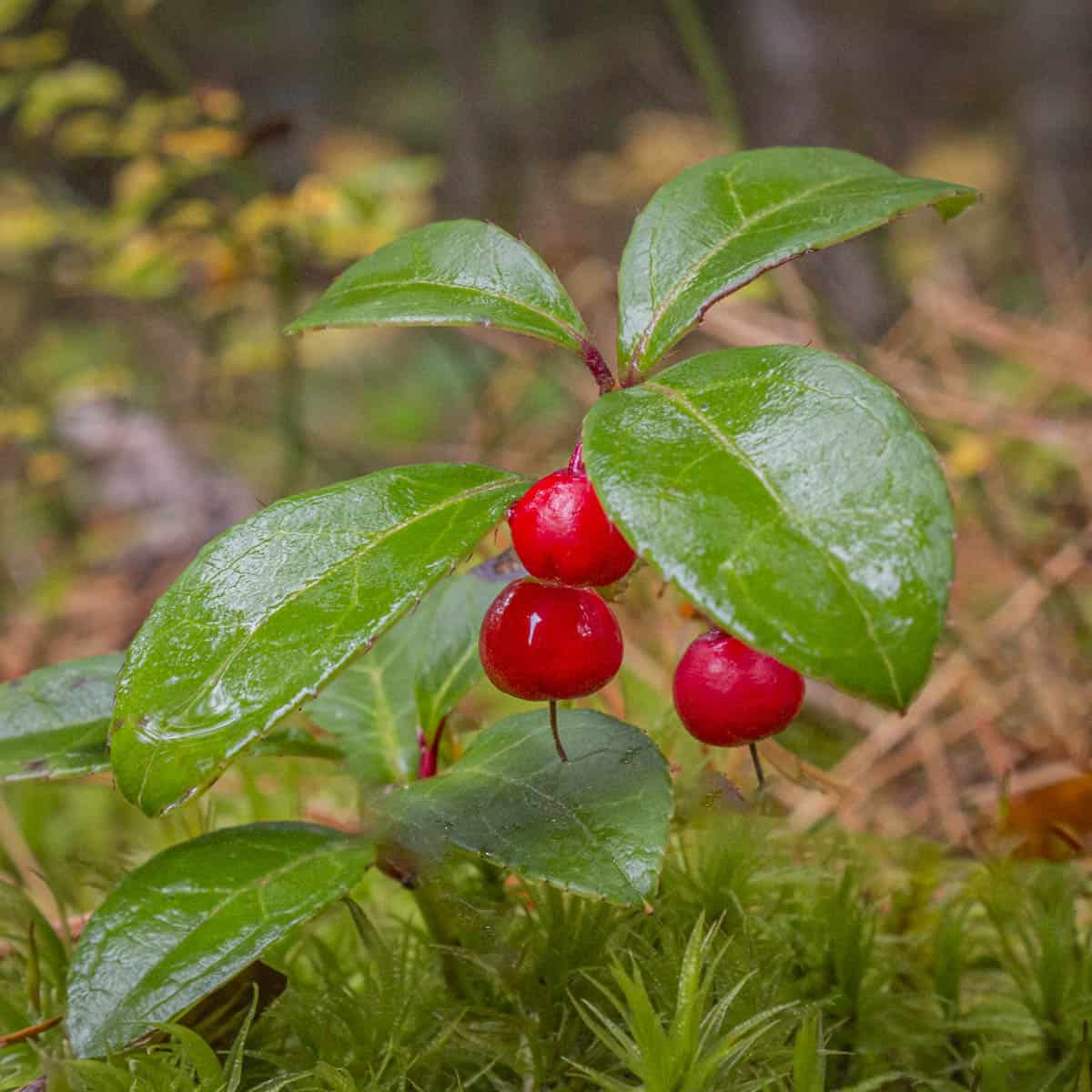
When most people refer to “wintergreen,” they are typically thinking of plants from the Gaultheria genus. In Alaska, the most common species is the Teaberry (Gaultheria procumbens), though it’s important to note that G. procumbens is more prevalent in eastern North America. However, related species that share its characteristic aroma and edibility are found in Alaska. These include:
- Creeping Wintergreen (Gaultheria hispidula): This low-growing shrub is widespread in Alaska’s boreal forests and muskegs. Its leaves are small, oval, and leathery, emitting the familiar wintergreen scent when crushed. The plant also produces small, white, inconspicuous flowers followed by tiny, fleshy, white to pinkish berries in late summer.
- Salal (Gaultheria shallon): While more common in coastal regions of the Pacific Northwest, Salal can be found in parts of southeastern Alaska. It is a larger, shrubby plant with glossy, oval leaves and a more substantial berry, which ripens to a dark purple or black.
Edibility and Culinary Uses of Gaultheria
Both Creeping Wintergreen and Salal are generally considered edible, though with important caveats. The leaves of Gaultheria species are the primary source of the characteristic wintergreen flavor due to the presence of methyl salicylate. They can be used to infuse teas, flavor desserts, or even as a substitute for traditional mint.
Creeping Wintergreen: The leaves and berries of Creeping Wintergreen are edible. Historically, indigenous peoples of Alaska have utilized the leaves for medicinal purposes and as a flavoring agent. The small berries, while not abundant, offer a mildly sweet and wintergreen-scented taste. They can be eaten raw, though their primary value lies in their aromatic properties. It’s important to harvest sustainably, taking only what is needed and leaving plenty for the plant to regenerate. The delicate nature of this plant means that overharvesting can have a detrimental impact on local populations.
Salal: Salal is perhaps more renowned for its edible berries, which are a significant food source for wildlife and were historically important for indigenous populations. The berries are sweet and can be eaten fresh, dried, or made into jams and jellies. The leaves, while edible, are typically more bitter and less commonly consumed than the berries. They can be used to make tea or as a mild flavoring agent, but their use is less widespread than that of Creeping Wintergreen. When foraging for Salal, it’s crucial to distinguish it from other similar-looking shrubs, and knowledge of local plant identification is key. The Alaskan climate, with its shorter growing season, can sometimes affect the ripeness and flavor profile of berries.
Important Considerations for Gaultheria Consumption:
- Methyl Salicylate Content: While generally safe in moderation, the high concentration of methyl salicylate in Gaultheria species can be a concern for individuals with aspirin sensitivities or those taking anticoagulant medications. Large quantities should be avoided.
- Identification: Accurate identification is paramount. While the characteristic scent is a good indicator, consulting with local experts or reliable field guides is essential to avoid misidentification.
- Sustainability: Always practice responsible foraging. Understand local regulations, never take more than you need, and leave the plants in good condition for future growth and for wildlife.
Exploring Other “Wintergreen” Plants: The Pyrola Genus

Confusingly, the name “wintergreen” is also applied to plants in the Pyrola genus, commonly known as Shinleaf or Wintergreen Flower. These plants are also evergreen and possess some aromatic qualities, but their chemistry and edibility differ significantly from the Gaultheria species. In Alaska, several Pyrola species are found, including:
- One-flowered Shinleaf (Moneses uniflora)
- Shinleaf (Pyrola spp.), which includes several species like Pyrola asarifolia (Kinnikinnick, though Kinnikinnick is more often associated with Arctostaphylos uva-ursi) and Pyrola elliptica.
Edibility and Uses of Pyrola Species
Unlike their Gaultheria counterparts, Pyrola species are generally not considered edible in the same way. While some traditional uses might exist for medicinal purposes, their leaves do not contain the significant levels of methyl salicylate that define the culinary appeal of Gaultheria. The primary distinction lies in their chemical composition.
Shinleaf (Pyrola species): The leaves of Pyrola are typically leathery and glossy, hence the name “shinleaf.” While they may have a faint scent, it is not the strong, minty aroma associated with true wintergreen. There is limited documentation of their widespread use as a food source. Some historical texts mention their use in poultices or teas for external applications, but this does not translate to edibility for general consumption. It is wise to exercise extreme caution and avoid consuming Pyrola species unless their edibility has been clearly established by a trusted source and confirmed through rigorous identification. The risk of mistaking them for edible plants, or of consuming them without understanding their specific properties, is a significant concern for novice foragers.
Navigating Alaskan Flora: Essential Tips for the Traveler
For visitors to Alaska, whether exploring the wilderness around Anchorage, venturing into Denali National Park, or experiencing the coastal beauty near Juneau, encountering these plants is a distinct possibility. The allure of foraging can be strong, but it demands respect and knowledge.
The Importance of Expert Guidance
When exploring the natural bounty of Alaska, particularly with the intention of consuming wild plants, seeking guidance from local experts is invaluable. Indigenous knowledge, passed down through generations, offers unparalleled insight into the sustainable harvesting and traditional uses of Alaskan flora. Local guides, park rangers, and indigenous elders can provide critical information about plant identification, seasonal availability, and any potential risks associated with consumption. Relying solely on online resources or general field guides can be insufficient for precise identification in the wild.
Responsible Foraging Practices
If you choose to forage for edible plants in Alaska, adhering to responsible practices is non-negotiable. This includes:
- Permits and Regulations: Be aware of any regulations regarding foraging in national parks, state lands, or private property. Some areas may have restrictions or require permits.
- Identification is Key: Never consume any wild plant unless you are absolutely certain of its identification. Misidentification can lead to severe illness or even death. Utilize multiple reliable field guides and cross-reference information.
- Sustainability: Harvest with care. Take only what you need, leave enough for the plant to reproduce, and avoid disturbing the surrounding habitat.
- Cleanliness: Wash all foraged plants thoroughly before consumption to remove any soil, insects, or potential contaminants.
- Moderation: Even for known edible plants, consume them in moderation, especially if you have any underlying health conditions or are trying them for the first time.
Beyond Edibility: Appreciating Alaska’s Plant Life
While the question of edibility is a practical one for some, it is equally important to appreciate the intrinsic value of Alaska’s plant life, regardless of its culinary potential. The evergreen foliage of both Gaultheria and Pyrola species provides vital cover and sustenance for wildlife throughout the harsh Alaskan winters. The delicate beauty of a Moneses uniflora bloom in the undergrowth or the vibrant green of a Salal patch contributes to the rich biodiversity of this unique landscape.
For travelers visiting destinations like Ketchikan or exploring the vast interior, observing these plants in their natural habitat offers a deeper connection to the Alaskan wilderness. Understanding their ecological roles, their seasonal cycles, and their historical significance enhances the overall travel experience. Whether you intend to taste them or simply admire them, the wintergreen plants of Alaska offer a fascinating glimpse into the resilience and diversity of the northern flora. They are a testament to nature’s ingenuity and a reminder of the importance of conservation and respectful interaction with the natural world.
LifeOutOfTheBox is a participant in the Amazon Services LLC Associates Program, an affiliate advertising program designed to provide a means for sites to earn advertising fees by advertising and linking to Amazon.com. Amazon, the Amazon logo, AmazonSupply, and the AmazonSupply logo are trademarks of Amazon.com, Inc. or its affiliates. As an Amazon Associate we earn affiliate commissions from qualifying purchases.