
California, often referred to as the Golden State, stands as a monumental pillar in the United States, not just for its sprawling landscapes and innovative industries but primarily for its colossal and ever-evolving population. More than just a statistic, the number of people calling California home profoundly influences every facet of life within its borders, from the bustling urban centers to the serene natural landmarks. This demographic reality dictates trends in travel, shapes the tourism industry, and defines the diverse lifestyle experiences available to residents and visitors alike. Understanding what the population in California is, and how it’s trending, is crucial for anyone seeking to explore its vast destinations, plan accommodation, or simply grasp the essence of this vibrant state.
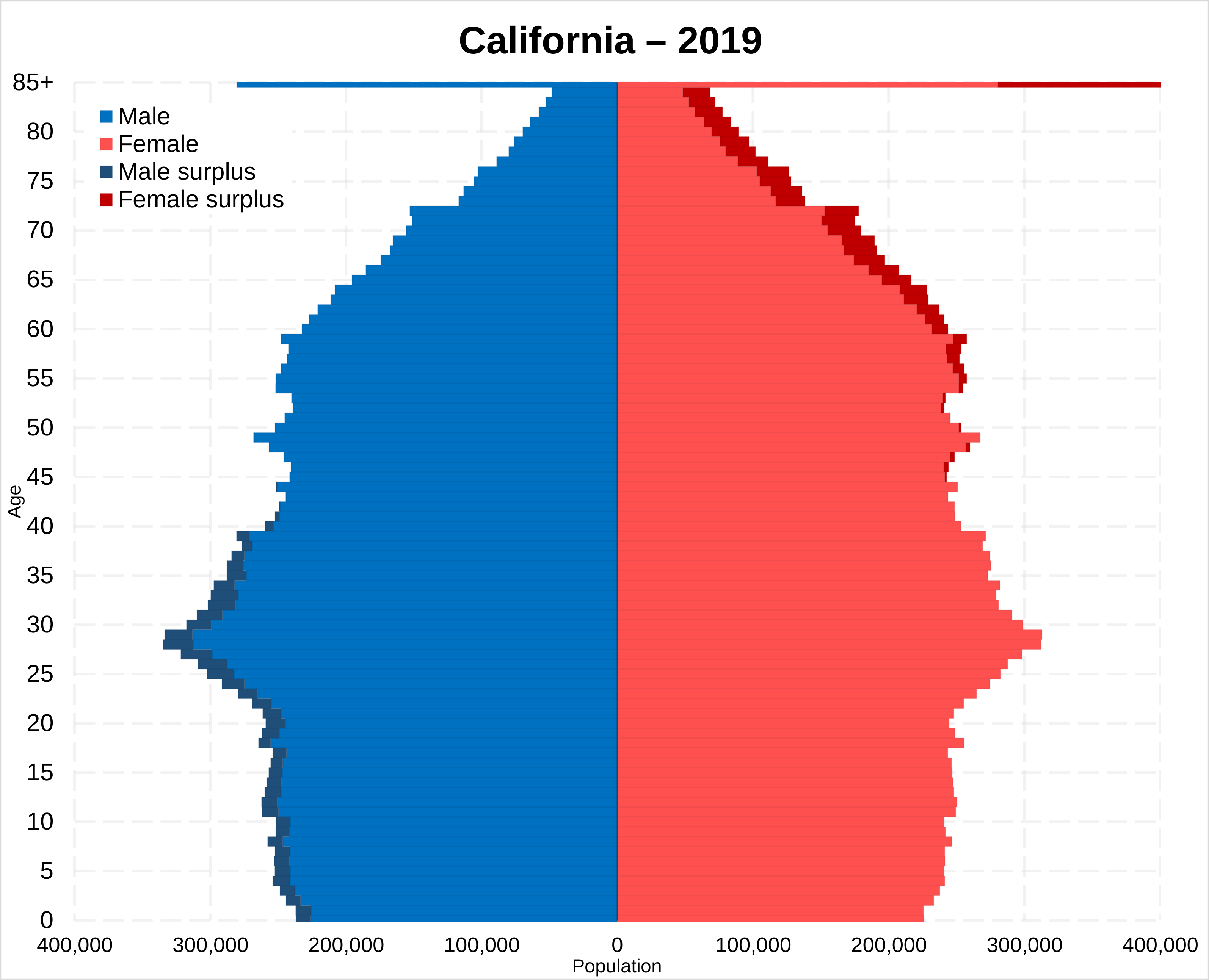
At its peak, California’s population soared to nearly 40 million residents, making it by far the most populous state in the nation. While recent years have seen a slight deceleration or even a modest decline in numbers due to various economic and social factors, the state remains a demographic giant. This massive human presence creates both incredible opportunities and unique challenges, fueling a dynamic environment that constantly redefines what it means to live, work, and explore here. For travelers, this translates into an unparalleled array of options, from world-class hotels and resorts to diverse cultural experiences that reflect the myriad backgrounds of its inhabitants.
The Golden State’s Demographic Tapestry
The story of California’s population is one of rapid growth, immense diversity, and constant flux. It’s a narrative that has shaped its identity as a global hub for innovation, culture, and opportunity. Understanding the makeup of this population provides key insights into the state’s vibrant tourism landscape and varied lifestyle offerings.
A Current Population Snapshot
As of the latest estimates, California’s population hovers around 39 million people. This figure alone is larger than that of many countries, underscoring the state’s immense human capital and its significant impact on national and global economies. While the state has experienced a slight dip from its peak due to factors like housing costs, migration patterns, and birth rates, it still maintains its status as the most populous state in the United States. This immense resident base ensures a constant demand for infrastructure, services, and, significantly for our discussion, a robust internal tourism market. From weekend getaways to family vacations, the sheer number of Californians traveling within their own state significantly bolsters local economies and keeps attractions bustling.
The growth trajectory of California has been historically steep, driven by successive waves of migration—first for the Gold Rush, then for agriculture, defense industries, and more recently, for technology. Each wave has left an indelible mark, contributing to the state’s unique character and its capacity to attract new residents and visitors. This continuous influx and internal movement necessitate diverse accommodation solutions, from urban apartments and suburban homes to luxury villas and sprawling resorts that cater to a wide spectrum of preferences and budgets.
Diversity and Demographics
Perhaps the most defining characteristic of California’s population is its unparalleled diversity. It is a melting pot of cultures, ethnicities, and languages, arguably the most diverse state in the nation. Hispanics constitute the largest ethnic group, reflecting a strong historical connection to Mexico and Latin America. A significant Asian population, with roots across various Asian countries, also contributes immensely to the state’s cultural fabric, particularly in major cities. These communities, alongside White, Black, and Indigenous populations, create a vibrant mosaic that enriches every aspect of life in California.
This demographic richness directly translates into a captivating array of local culture, food, and activities that are a magnet for tourism. Travelers can embark on a culinary journey spanning continents without leaving the state, from authentic Mexican street tacos in Los Angeles to dim sum in San Francisco’s Chinatown. Festivals celebrating diverse heritages are common occurrences, offering unique experiences for those interested in exploring different traditions. This inherent diversity ensures that there’s always something new and exciting to discover, catering to a global audience with varied tastes and interests.
Major Urban Centers and Their Population Densities
The vast majority of California’s population is concentrated in its major urban centers and coastal regions, creating dense, bustling metropolises that serve as economic, cultural, and tourism hubs.
- Los Angeles: As the largest city in California and the second-largest in the United States, Los Angeles County alone is home to over 10 million people. This massive population base fuels an enormous demand for hotels, restaurants, attractions like Universal Studios Hollywood and the Griffith Observatory, and a vibrant nightlife. Its extensive sprawl and diverse neighborhoods offer everything from the glamour of Beverly Hills to the artistic vibes of Silver Lake.
- San Francisco Bay Area: This region, encompassing cities like San Francisco, San Jose, and Oakland, is home to over 7 million people. Renowned for its technological innovation (Silicon Valley), stunning landmarks like the Golden Gate Bridge and Alcatraz Island, and a vibrant culinary scene, the Bay Area attracts both business travelers and leisure tourists seeking cutting-edge lifestyle experiences.
- San Diego: Located on the southern coast, San Diego offers a relaxed yet dynamic atmosphere with a population of over 1.4 million. Its beautiful beaches, family-friendly attractions like SeaWorld San Diego, and proximity to Mexico make it a popular destination for diverse travel groups.
- Sacramento: As the state capital, Sacramento is a growing urban center with a population nearing 530,000. It serves as a gateway to the Sierra Nevada mountains and offers its own unique blend of history and modern lifestyle.
The high population density in these areas contributes to a concentrated demand for accommodation, driving the development of everything from luxurious suites in skyscraper hotels to charming boutique hotels and a plethora of short-term rental apartments and villas. It also means that public transportation, dining, and entertainment options are abundant, making these cities easily navigable and endlessly entertaining for visitors.
Population’s Influence on Travel & Tourism
The sheer scale and diversity of California’s population are fundamental drivers behind its robust and multifaceted travel and tourism industries. This internal demand, coupled with the state’s global appeal, creates a dynamic environment for visitors seeking every imaginable kind of adventure.
A Domestic Tourism Powerhouse
One of the most significant impacts of California’s large population is its role as a self-sustaining tourism market. Millions of residents frequently travel within the state for leisure, creating a consistent stream of visitors to its many attractions and natural wonders. This domestic tourism provides a stable foundation for the industry, often cushioning it against fluctuations in international travel.
- Family Getaways: With a large number of families, destinations like Disneyland Resort in Anaheim, Universal Studios Hollywood, and Legoland California are perpetually popular. These sites are expertly designed to cater to diverse age groups, offering a range of amenities and experiences that resonate with the family-oriented segment of the population.
- Nature Escapes: Californians often seek refuge in the state’s incredible natural landmarks. Yosemite National Park, Joshua Tree National Park, Lake Tahoe, and the majestic Redwood National Park are popular choices for hiking, camping, and scenic drives. The state’s diverse geography, from the Mojave Desert to the Pacific Ocean coastline, means there’s always an accessible natural escape for every preference.
- Coastal Retreats: Iconic coastal towns such as Santa Monica (with its famous Santa Monica Pier), Malibu, Santa Barbara, Laguna Beach, and La Jolla attract locals for weekend trips, offering beach activities, fine dining, and relaxation. The iconic Pacific Coast Highway is a common road trip destination for Californians exploring their own backyard.
This continuous internal movement leads to a sophisticated tourism infrastructure, with well-maintained roads, numerous accommodation options ranging from cozy bed and breakfasts in Carmel-by-the-Sea to luxury resorts in Palm Springs, and a wide array of guides and services catering to specific interests.
International Appeal and Infrastructure
While domestic tourism is vital, California’s large and diverse population also makes it a global magnet for international visitors. The state’s reputation for innovation, entertainment, and natural beauty resonates worldwide, drawing travelers from Europe, Asia, and beyond.
- Gateway Airports: The sheer volume of people living in and visiting California necessitates robust air travel infrastructure. Los Angeles International Airport (LAX) and San Francisco International Airport (SFO) are two of the busiest airports in the world, serving as crucial gateways for international arrivals. These airports offer extensive direct flights to major cities across the globe, facilitating easy access for overseas tourists.
- Diverse Accommodation Options: To cater to a global clientele with varying budgets and preferences, California offers an incredible spectrum of accommodation options. From opulent suites at beachfront resorts in Montery or Laguna Beach to budget-friendly hotels near popular theme parks and unique villas in wine country (Napa Valley, Sonoma Valley), the choices are virtually endless. Websites offering booking, reviews, and comparison tools are essential for navigating this vast landscape, helping travelers find the perfect stay, whether it’s a long-term stay for business or a short vacation.
- Global Attractions: The international fame of Hollywood, the Golden Gate Bridge, and Yosemite National Park is undeniably linked to the state’s prominence and diverse population. These iconic landmarks are not just points of interest but cultural touchstones that draw millions from every continent, eager to experience a piece of the American dream and California’s unique allure.
Cultural and Culinary Tourism
The vibrant mix of cultures resulting from California’s diverse population has cultivated an exceptional food scene and a rich tapestry of local culture, making it a prime destination for cultural and culinary tourism.
- Foodie Paradise: The state’s ethnic diversity translates into an unparalleled gastronomic landscape. From Michelin-starred restaurants in San Francisco and Los Angeles to authentic ethnic eateries in vibrant neighborhoods, California is a foodie’s dream. Travelers can find everything from traditional Mexican cuisine, Vietnamese pho, Korean BBQ, Ethiopian stews, and a flourishing farm-to-table movement, driven by the state’s abundant agricultural output from regions like the San Joaquin Valley.
- Arts and Festivals: The population’s multifaceted background also fuels a thriving arts scene and a calendar packed with cultural festivals. Be it the Pasadena Rose Parade, various film festivals in Hollywood, or local community celebrations in cities like Long Beach, there are countless activities and experiences that reflect the state’s dynamic cultural fusion. Museums like the Getty Center in Los Angeles and the Monterey Bay Aquarium cater to intellectual curiosity, providing educational and engaging experiences for all ages.
- Wine Regions: California’s wine regions, particularly Napa Valley and Sonoma Valley, are world-renowned. They offer not just exquisite wines but also picturesque landscapes, fine dining, and luxury accommodation that attract both local enthusiasts and international connoisseurs, further showcasing the state’s sophisticated lifestyle offerings.
Lifestyle, Accommodation, and Economic Impact
The immense population of California doesn’t merely influence where people visit; it fundamentally shapes the way people live, the availability and types of accommodation, and the broader economic landscape that supports the state’s vibrant travel and tourism sectors.
Housing and Accommodation Landscape
The constant influx of people and the high concentration in urban areas have made California’s housing market one of the most competitive and expensive in the United States. This pressure translates directly into the accommodation sector, influencing everything from hotel pricing to the prevalence of short-term rental services.
- Diverse Options: To meet the demand from both residents and visitors, the state boasts an incredibly diverse range of accommodation options. For those seeking luxury, there are opulent resorts in Beverly Hills and exclusive villas along the Big Sur coastline or in Palm Springs. Major cities offer a plethora of hotels, from international chains with extensive amenities and conference facilities for business stays to charming boutique hotels in historic districts.
- Rental Market Dynamics: The high population also means a robust rental market, influencing options for long-term stay and vacation rentals. Services offering apartments and homes for temporary lodging thrive, providing alternatives to traditional hotels, particularly popular for family trips or group travel. Websites facilitating booking, user reviews, and price comparison are indispensable tools in this competitive environment, helping visitors find suitable lodging that fits their specific needs and budget.
Diverse Lifestyles and Travel Trends
California’s population is not monolithic; it encompasses a vast array of lifestyles and income levels, each with its own travel preferences and demands. This diversity drives specific tourism niches and experiences.
- Luxury Travel: For the affluent segment, California offers unparalleled luxury travel opportunities. Think private jet tours over the Channel Islands, exclusive wine tastings in Napa Valley, stays at five-star resorts in Montery or Laguna Beach, or high-end shopping on Rodeo Drive in Beverly Hills. Iconic landmarks like Hearst Castle offer glimpses into historical opulence.
- Budget Travel: At the other end of the spectrum, the state also caters extensively to budget travel. Numerous campsites in national parks, hostels in major cities, and affordable motels along popular routes allow travelers to experience California without breaking the bank. Tips for saving money on accommodation, food, and activities are invaluable for this segment.
- Family Trips: With millions of families residing in the state, family-focused travel is a huge market. Destinations like Disneyland Resort, Knott’s Berry Farm, and SeaWorld San Diego are designed with families in mind, providing entertainment and accommodation amenities tailored for all ages.
- Business Stays: The state’s status as an economic powerhouse, particularly in technology and entertainment, generates significant demand for business stays. Cities like San Francisco, San Jose, Los Angeles, and Sacramento are equipped with convention centers, corporate hotels, and infrastructure to support the needs of traveling professionals.

Economic Drivers
The sheer size of California’s population serves as a massive economic engine. This large consumer base drives demand across all sectors, including hospitality, retail, and service industries.
- Job Creation: The presence of nearly 40 million people necessitates a vast workforce. The tourism sector alone accounts for hundreds of thousands of jobs, from hotel staff and tour guides to restaurant workers and attraction operators. This job creation contributes significantly to the state’s overall economic health.
- Revenue Generation: Tourism expenditures from both residents and visitors generate billions in revenue annually, contributing to state and local tax bases. These funds are vital for maintaining public services, infrastructure, and preserving the very landmarks and natural beauty that draw people to California in the first place.
- Innovation and Growth: The concentration of a diverse and highly skilled population has fostered an environment of innovation, particularly in Silicon Valley. This economic dynamism indirectly supports tourism by creating wealth, driving business travel, and generating new experiences and technologies that enhance visitor travel.
In conclusion, California’s population is far more than a simple numerical count. It is a living, breathing force that shapes the state’s identity, drives its economy, and creates the vibrant, diverse tapestry of travel, tourism, and lifestyle experiences that define the Golden State. From its bustling metropolises to its serene natural wonders, every aspect of California reflects the incredible impact of the millions who call it home, making it a truly unique and endlessly fascinating destination for all.
LifeOutOfTheBox is a participant in the Amazon Services LLC Associates Program, an affiliate advertising program designed to provide a means for sites to earn advertising fees by advertising and linking to Amazon.com. Amazon, the Amazon logo, AmazonSupply, and the AmazonSupply logo are trademarks of Amazon.com, Inc. or its affiliates. As an Amazon Associate we earn affiliate commissions from qualifying purchases.