
The Golden State of California has long captivated imaginations worldwide. From its sun-drenched beaches and towering redwood forests to its bustling metropolises and innovative Silicon Valley, it offers a mosaic of experiences for travelers and a dreamland for those seeking a new lifestyle. Yet, beneath the allure of its natural beauty and economic dynamism lies a complex and often discussed topic: housing. The question, “How many homes are in California?” transcends a simple numerical answer. It delves into the very fabric of life in the state, influencing everything from daily commutes and local culture to the accessibility of tourism and the options for accommodation. For anyone considering a visit, a long-term stay, or even permanent relocation, understanding California’s housing landscape is paramount to navigating its diverse offerings and experiencing its unique blend of glamour and grit.

California, a state synonymous with innovation, glamour, and natural beauty, is also home to a staggering population. As the most populous state in the United States, its housing stock is a critical component of its infrastructure, economy, and social well-being. The number of homes directly impacts everything from the availability of short-term vacation rentals in popular tourist destinations to the feasibility of long-term stays for remote workers and the overall cost of living. This exploration will not only seek to answer the quantitative question but also unpack the qualitative implications for travel, tourism, and lifestyle choices across the state.
Understanding California’s Housing Landscape
California’s housing situation is a dynamic interplay of high demand, limited supply, stringent regulations, and diverse geographical characteristics. The sheer volume of people drawn to its vibrant economy, world-class universities, and unparalleled natural attractions creates an immense pressure on its housing market. While precise figures fluctuate with new construction and demolitions, the state consistently ranks among the most challenging in terms of housing affordability and availability.
A Golden State of Numbers: Population vs. Housing Units
To fully grasp the housing situation, one must first consider the scale of California’s population. With over 39 million residents, California is a global economic powerhouse and a cultural trendsetter. This massive population requires an equally massive housing infrastructure. The total number of housing units in California typically hovers around 14.5 to 15 million, encompassing a vast array of property types from sprawling single-family homes to dense urban apartment complexes.
However, a simple comparison of population to housing units doesn’t tell the whole story. Factors like household size, vacation homes, and vacant properties for sale or rent further complicate the equation. In many of California’s most desirable areas, particularly coastal cities like San Francisco, Los Angeles, and San Diego, the housing supply struggles to keep pace with demand. This imbalance leads to elevated housing costs, making both homeownership and renting challenging for many. The ripple effect extends to the tourism industry, influencing the types of accommodations available and their price points. For example, a scarcity of traditional residential units can drive up demand for hotels and resorts, impacting budget-conscious travelers.
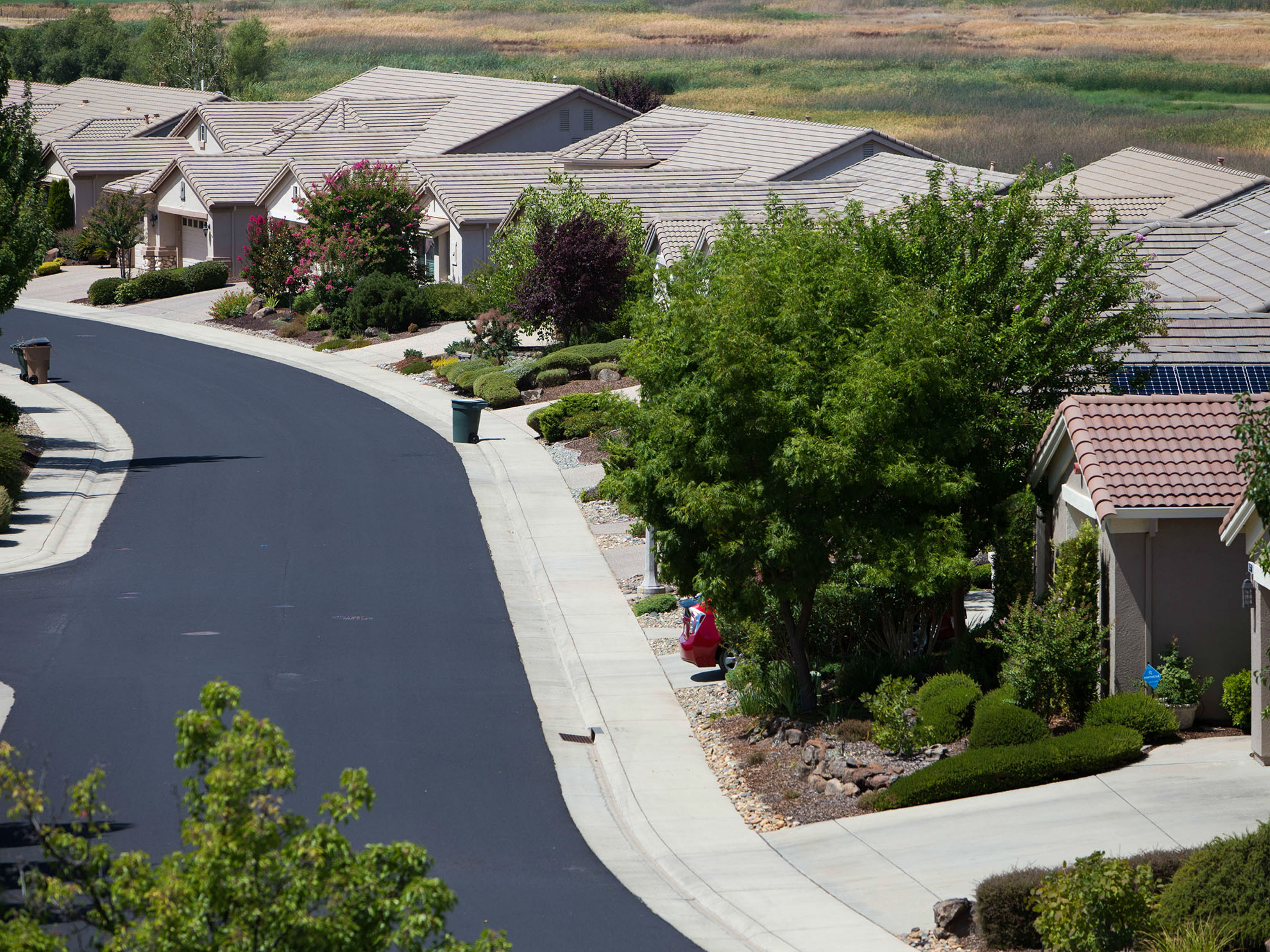
The distribution of these homes is also uneven. Major metropolitan areas naturally concentrate a larger share of the housing stock but also face the most acute shortages. Inland regions and less developed areas might offer more affordable options, but often at the cost of proximity to major job centers or tourist attractions. This geographical disparity plays a significant role in how visitors experience the state and how residents choose to live their lives, often balancing commute times with housing affordability.
The Diverse Tapestry of California Homes
California’s housing units are as diverse as its landscape. They reflect the state’s varied climates, cultures, and economic strata.
- Single-Family Homes: These are the quintessential American dream, prevalent in sprawling suburban communities around cities like Sacramento, Fresno, and parts of Orange County. While often out of reach for many, they represent a significant portion of the state’s housing stock and are often sought after for their space and privacy. For travelers seeking a longer stay, particularly families, renting a single-family home through platforms has become a popular alternative to traditional hotel stays, offering a taste of local life.
- Apartments and Condominiums: High-density living is common in urban centers such as Los Angeles, San Francisco, Oakland, and Long Beach. These units cater to a diverse demographic, including young professionals, students, and those who prefer urban amenities. For business travelers or those exploring a city for an extended period, serviced apartments or short-term condo rentals offer a blend of hotel convenience and home-like comfort. The rise of these accommodations in cities has been a boon for tourism, offering more localized and immersive experiences.
- Luxury Villas and Estates: In exclusive enclaves like Beverly Hills, Malibu, and Napa Valley, opulent villas and estates cater to the affluent. These properties often feature stunning architecture, expansive grounds, and high-end amenities, providing a glimpse into the luxurious California lifestyle. For high-end travelers, renting such a property offers privacy, exclusivity, and an unparalleled experience of the state’s lavish side. Destinations like Palm Springs are particularly known for their collection of vacation rental homes, from mid-century modern masterpieces to sprawling desert retreats, popular for weekend getaways and events.
- Tiny Homes and ADUs (Accessory Dwelling Units): In response to the housing crisis, California has seen a growing trend in smaller, more sustainable living options. Tiny homes and ADUs, often built in backyards, offer more affordable and flexible housing solutions. While primarily for residents, some ADUs are utilized as short-term rentals, contributing to the available accommodation options, particularly for budget-conscious solo travelers or couples looking for a unique, local experience in areas like Santa Cruz or San Jose.
- Resorts and Hotels: While not “homes” in the traditional sense, hotels, suites, and resorts form a crucial part of California’s accommodation landscape. From the historic elegance of the Hotel del Coronado in San Diego to the family-friendly resorts near Disneyland Park in Anaheim or the luxurious properties in Yosemite National Park, these establishments provide millions of temporary homes for visitors each year. The sheer number and variety of these establishments are a testament to California’s robust tourism industry.
This rich variety means that while the overall number of homes and their affordability presents challenges, there is still a wide spectrum of options for both permanent residents and temporary visitors.
The Impact on Travel, Tourism, and Accommodation in California

The housing dynamics in California have profound implications for its travel and tourism sectors. The balance between catering to residents and welcoming millions of tourists annually is a delicate one, constantly influenced by the availability and cost of housing.
Navigating Accommodation Options: From Short-Term Stays to Long-Term Visions
For travelers, the number and type of homes in California directly dictate their accommodation choices.
- Short-Term Rentals: The proliferation of platforms allowing homeowners to rent out spare rooms, apartments, or entire houses has reshaped the tourism landscape. In popular destinations like Lake Tahoe, Big Sur, and coastal towns, these short-term rentals offer unique experiences, often providing more space, local flavor, and amenities like full kitchens, which are ideal for family trips or group travel. However, the rise of short-term rentals also sparks debates about housing availability for permanent residents, prompting some cities like Santa Monica and San Francisco to implement stricter regulations.
- Hotels and Resorts: Despite the growth of home-sharing, traditional hotels and resorts remain a cornerstone of California tourism. From budget-friendly motels along historic Route 66 to five-star resorts in Laguna Beach, they offer reliability, professional service, and a consistent level of quality. The demand for these accommodations can fluctuate based on the availability and pricing of alternative housing options, particularly during peak seasons or major events. Cities with robust convention centers, like Los Angeles and Anaheim, rely heavily on a substantial hotel inventory for business stays and tourism.
- Long-Term Stays and Relocation: For those contemplating a move to California or seeking an extended stay for business or leisure, the housing market becomes even more critical. The high cost and competitive nature of the rental market, especially in tech hubs like San Jose and Palo Alto, mean that securing a long-term rental requires significant planning and budget. This directly impacts individuals considering careers in California’s booming industries or those seeking a change in lifestyle. Understanding the local housing inventory in areas like Irvine or Fremont can make a substantial difference in the decision-making process for long-term accommodation.
The diversity of housing types and the evolving regulatory environment mean that travelers have more choices than ever, but also face the challenge of navigating a complex and often expensive market. Booking in advance and comparing various options—from a cozy Airbnb in Sonoma County to a luxury suite in San Francisco—is essential.
The Price of Paradise: How Housing Costs Influence Travel Budgets
California‘s reputation for high living costs is inextricably linked to its housing market. This reality has a direct bearing on tourism, influencing travelers’ budgets and destination choices.
- Accommodation Dominates Budgets: For many visitors, accommodation is the largest single expense. In cities like San Francisco or Los Angeles, even a standard hotel room can command premium prices. This often leads travelers to explore alternatives like hostels, budget hotels, or shared accommodations, or to seek destinations where housing costs are more moderate. The cost of vacation rentals in sought-after locations like Santa Barbara or near the Golden Gate Bridge can also be substantial.
- Impact on Local Tourism: High housing costs for residents can also translate into higher prices for local services, food, and activities. Businesses operating in areas with expensive rents often pass those costs onto consumers. This means that while iconic attractions like Universal Studios Hollywood or a wine-tasting tour in Napa Valley are drawcards, the overall cost of a trip to California requires careful financial planning.
- Promoting Diverse Destinations: The high cost of living in popular areas also encourages tourists to explore California’s lesser-known gems. Destinations in the Central Valley or mountain towns in the Sierra Nevada can offer more affordable accommodation, allowing travelers to stretch their budgets further while discovering different facets of the state’s beauty and culture. This diversification helps distribute tourism benefits and mitigates some of the pressures on over-visited areas. For example, exploring cities like Stockton or Modesto might offer a different, more budget-friendly perspective than the coastal hotspots.
Understanding these financial realities helps travelers set realistic expectations and plan a trip that aligns with their budget while still experiencing the best of California.
Beyond the Numbers: Lifestyle, Culture, and Future Trends
The question of “how many homes” ultimately touches upon the quality of life, cultural identity, and future trajectory of California. Housing is not just a commodity; it’s a foundation for community, lifestyle choices, and the preservation of the state’s unique character.
California’s Evolving Urban and Rural Living
The housing landscape shapes where and how Californians live, which in turn influences the cultural experiences available to tourists.
- Urbanization and Density: The continuous push for higher density in urban areas like Los Angeles, San Francisco, and Oakland leads to vibrant, walkable neighborhoods rich in diverse food scenes, arts, and nightlife. This dense urban environment is highly appealing to tourists seeking cultural immersion and convenience. However, it also means smaller living spaces and less green area for residents. The lifestyle here is fast-paced, offering endless entertainment and business opportunities, which also define a significant portion of the California travel experience, from visiting the Getty Center to exploring the Hollywood Walk of Fame.
- Rural and Suburban Retreats: Conversely, the demand for more affordable housing and a slower pace of life drives many to suburban and rural areas. This decentralization impacts local economies and shifts tourism patterns. Destinations like the Mojave Desert, Joshua Tree National Park, or small towns in Mendocino County offer tranquility and access to nature that contrast sharply with city life. For tourists, these regions offer opportunities for outdoor adventure, relaxation, and a glimpse into a different California lifestyle. The availability of homes in these areas, including cabins, ranches, and boutique hotels, significantly broadens the travel choices. Even cities like Riverside and San Bernardino are seeing growth as people seek more space.
The interplay between urban density and rural expansion creates a dynamic tension that influences cultural preservation, environmental protection, and the authenticity of tourist experiences. Preserving historical landmarks like Alcatraz Island or natural wonders like Sequoia National Park becomes more challenging with increasing population and development pressures, requiring careful planning and sustainable approaches.
Sustainable Tourism and the Future of Housing
The future of housing in California is inextricably linked to the future of sustainable tourism. As the state grapples with housing shortages and affordability crises, innovative solutions are emerging that could benefit both residents and visitors.
- Smart Growth Initiatives: Many cities are adopting smart growth principles, focusing on building upward rather than outward, developing mixed-use communities, and improving public transportation. These initiatives aim to increase housing density sustainably, reducing sprawl and preserving natural landscapes like the coastlines or agricultural lands. For tourism, this means more vibrant urban centers that are easier to navigate without a car, offering a richer experience for visitors. Think of thriving downtowns in cities like Long Beach or Oakland.
- Eco-Friendly Accommodations: The emphasis on sustainability also extends to accommodation. There’s a growing trend towards eco-friendly hotels, resorts, and vacation rentals that prioritize energy efficiency, water conservation, and locally sourced materials. These accommodations not only appeal to environmentally conscious travelers but also contribute to the overall sustainability goals of the state. From glamping sites near Death Valley National Park to sustainable resorts in San Luis Obispo, the choices are expanding.
- Balancing Resident Needs with Tourist Demand: Policymakers and tourism boards are increasingly aware of the need to balance the economic benefits of tourism with the housing needs of local communities. This might involve setting limits on short-term rentals in residential areas, investing in affordable housing programs, and promoting off-peak travel to reduce strain on popular destinations. This ensures that while California remains a welcoming destination, its residents can also thrive.
The question “How many homes are in California?” is far more complex than a mere count. It is a portal into understanding the economic, social, and environmental forces shaping this iconic state. For travelers, it means a diverse yet sometimes challenging accommodation landscape, influenced by high demand and unique housing market dynamics. For those dreaming of a California lifestyle, it underscores the importance of careful planning and adaptability. Ultimately, the way California manages its housing stock will determine its ability to continue attracting millions of visitors and residents, maintaining its golden allure for generations to come, while places like Hearst Castle continue to inspire and historical sites like Chinatown in San Francisco retain their unique character.
LifeOutOfTheBox is a participant in the Amazon Services LLC Associates Program, an affiliate advertising program designed to provide a means for sites to earn advertising fees by advertising and linking to Amazon.com. Amazon, the Amazon logo, AmazonSupply, and the AmazonSupply logo are trademarks of Amazon.com, Inc. or its affiliates. As an Amazon Associate we earn affiliate commissions from qualifying purchases.