
California, often lauded as the Golden State, conjures images of sun-drenched beaches, sprawling vineyards, iconic landmarks like the Golden Gate Bridge, and the vibrant cultural tapestry of cities like Los Angeles and San Francisco. Millions flock to its shores each year, drawn by the promise of adventure, diverse landscapes, and unparalleled experiences. However, like any large and complex state within the United States, California faces its share of challenges, including varying levels of urban safety. The question “What is the most dangerous city in California?” often arises, especially for travelers planning their itineraries and residents evaluating their lifestyle choices. While no city is entirely without its risks, understanding the nuances of crime statistics and local realities is crucial for both visitors and those considering a longer stay. This exploration aims to shed light on how “danger” is defined and perceived, which cities frequently appear in such discussions, and how to navigate California’s diverse urban environments safely and responsibly.
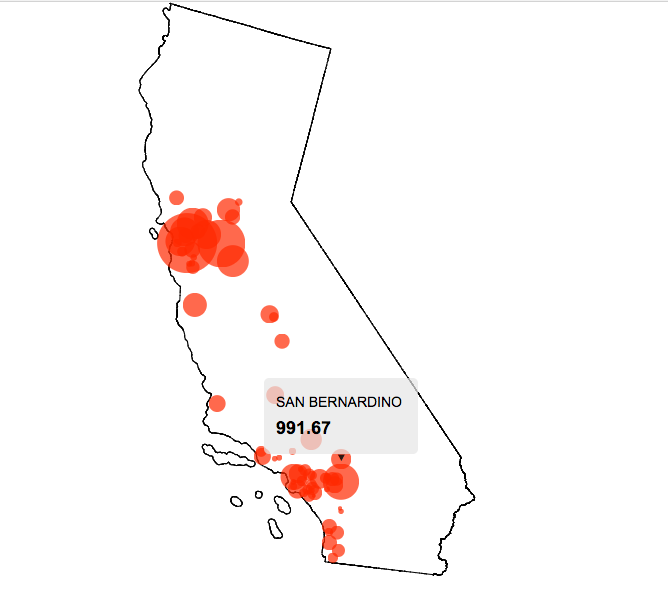
Understanding Crime in California Cities
When we talk about the “most dangerous” city, it’s essential to first establish what metrics we are using. Crime statistics are complex and can be interpreted in various ways. They are usually compiled from data reported by local law enforcement agencies to state and federal bodies, such as the FBI via its Uniform Crime Reporting (UCR) Program or the California Department of Justice (DOJ). These reports typically categorize crimes into two main groups: violent crimes (homicide, rape, robbery, aggravated assault) and property crimes (burglary, larceny-theft, motor vehicle theft).
Decoding the Data: How Crime Statistics Are Measured
The most common way to compare crime rates between cities is to calculate the number of reported crimes per 100,000 residents. This per capita measurement helps normalize the data, allowing for a more accurate comparison between cities of different sizes. For instance, a city with a higher absolute number of crimes but a much larger population might actually have a lower crime rate than a smaller city with fewer total crimes.
It’s also important to distinguish between different types of crime. While violent crime rates often capture headlines and shape public perception of danger, property crime can significantly impact the quality of life and the tourist experience. For travelers, property crimes like car break-ins or pickpocketing might be more immediate concerns than violent crimes, which are often concentrated in specific areas and typically involve individuals known to each other.
Furthermore, statistics alone don’t tell the whole story. Factors such as socio-economic conditions, policing strategies, community engagement, and historical context all play a role in a city’s crime landscape. A city might experience a spike in a particular type of crime due to specific local issues, which may not reflect a general increase in danger across all categories or neighborhoods.
Perception Versus Reality: The Nuance of Safety
Public perception of danger is often influenced by media coverage, anecdotal evidence, and historical reputation, which may not always align with current statistical realities. A city once notorious for high crime rates might have undergone significant revitalization efforts, leading to safer environments, especially in areas frequented by tourists or new residents. Conversely, a seemingly idyllic town could have pockets of high crime that aren’t widely publicized.
For a traveler, understanding the reality of safety often means looking beyond raw numbers. It involves researching specific neighborhoods, understanding typical tourist areas versus residential zones, and being aware of common scams or petty crimes that might target visitors. Many cities that appear on “most dangerous” lists also boast thriving cultural scenes, beautiful landmarks, and welcoming communities in various districts. The key is informed decision-making and adopting smart travel practices, rather than entirely avoiding a destination based on a broad, potentially outdated label.
Delving Deeper: The Cities Often Cited
When posing the question “What is the most dangerous city in California?”, several names frequently emerge in discussions based on crime statistics. It’s crucial to approach these mentions with context, recognizing that even within these cities, safety can vary dramatically from one neighborhood to another. The focus here is on understanding the general patterns and challenges these urban centers face.
Stockton: A Closer Look
Stockton, located in San Joaquin County in California’s Central Valley, has often been cited in various reports and rankings for its elevated crime rates, particularly regarding violent crime. The city has faced significant economic challenges over the years, including being the largest city in the United States to file for bankruptcy in 2012. These socio-economic pressures are often correlated with higher crime rates, as issues such as poverty, unemployment, and lack of opportunities can contribute to social unrest and criminal activity.
Despite its challenges, Stockton is a city with a rich agricultural history and a diverse community. Efforts have been made in recent years to revitalize its downtown core, enhance public safety, and attract new businesses. For visitors, areas around the waterfront and newer developments might offer a different experience than some of the older, more challenged neighborhoods. Travelers passing through or considering a stop should research specific areas and remain vigilant, especially at night. It’s not a primary tourist destination in the same vein as San Diego or Anaheim (home to Disneyland Resort), but it serves as an important regional hub.
Oakland: Challenges and Resilience
Oakland, situated in Alameda County on the east side of San Francisco Bay, is another city that frequently appears in discussions about California’s higher crime rates. It’s a city of stark contrasts: vibrant cultural districts like Uptown Oakland, a thriving arts scene, delicious food, and picturesque views, coexist with neighborhoods grappling with higher levels of crime, particularly property crime and, at times, violent crime.
The perception of danger in Oakland is often driven by statistics related to car break-ins and robberies, especially in certain commercial areas or near transit hubs. However, Oakland is also a major economic engine, a tech hub, and a significant port city with a rich history of activism and community building. Popular areas like Jack London Square, Downtown Oakland, and the Grand Lake district offer numerous attractions, restaurants, and entertainment venues that are generally safe during the day and into the evening. Tourists often visit Oakland for its unique character, diverse culinary scene, and more affordable accommodations compared to its neighbor across the bay. When exploring Oakland, it’s wise to stick to well-trafficked and well-lit areas, be aware of your surroundings, and secure valuables.
San Bernardino: Navigating Urban Realities
San Bernardino, located in San Bernardino County in Southern California’s Inland Empire region, is another city that has historically struggled with high crime rates. Like Stockton, San Bernardino has faced economic hardship, urban decay in certain areas, and related social challenges that contribute to higher incidences of crime. The city’s vast geographical spread and diverse neighborhoods mean that safety levels can vary significantly.
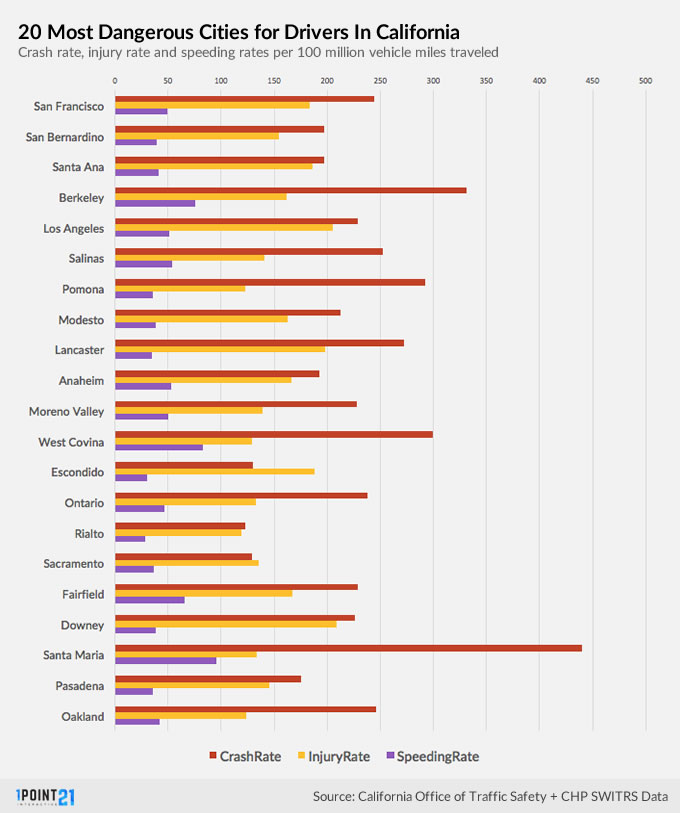
While not a primary tourist magnet like coastal cities, San Bernardino serves as a gateway to various desert attractions and is an important logistical hub. Visitors might pass through on their way to places like Big Bear Lake or Joshua Tree National Park. For those needing to stay, common travel advice applies: choose reputable accommodations, avoid walking alone at night in unfamiliar areas, and be mindful of your possessions. The city is actively working on redevelopment projects and community safety initiatives to address its challenges and improve the quality of life for its residents.
It is worth noting that other cities like Vallejo, Richmond, Compton, and Fresno also appear on various crime-rate lists, reflecting the diverse and often challenging urban landscapes across California. The common thread among many of these cities is a history of socio-economic strain, which underscores the complex relationship between poverty, opportunity, and public safety.
Travel Smart: Navigating California’s Urban Landscapes Safely
For both eager travelers and residents exploring new parts of their home state, understanding how to navigate California’s urban environments safely is paramount. The goal is not to instill fear, but to promote informed and responsible travel, ensuring a positive experience regardless of the destination’s general reputation.
Essential Safety Tips for Visitors and Residents
Whether you’re visiting a major metropolis or a smaller urban center, adopting a proactive approach to personal safety can significantly reduce risks.
- Situational Awareness: Always be aware of your surroundings. Avoid distractions like constantly looking at your phone, especially when walking in unfamiliar areas or at night.
- Research Your Destination: Before you go, look up recent local news, read travel forums, and check official tourism sites for safety advisories specific to your chosen area within a city. This includes understanding which neighborhoods are generally considered safe and which might be best avoided, especially after dark.
- Secure Valuables: Keep cash, passports, and other valuables in a secure place, such as a hotel safe or a money belt. When out and about, carry only what you need. Avoid displaying expensive jewelry or electronics overtly.
- Travel in Groups: Whenever possible, especially at night, travel with companions. There’s safety in numbers.
- Use Reputable Transportation: Opt for ride-sharing services with verified drivers, licensed taxis, or well-established public transit systems. Avoid walking alone at night, particularly in poorly lit or deserted areas.
- Trust Your Gut: If a situation or an area feels unsafe, remove yourself from it. Your intuition is a powerful safety tool.
- Emergency Contacts: Have local emergency numbers saved in your phone, along with your embassy or consulate information if you are an international traveler.
Choosing Safe Accommodation and Neighborhoods
When planning your trip, where you choose to stay can be as important as the city itself.
- Read Reviews Carefully: Beyond amenities, pay attention to reviews that discuss the safety of the hotel, its immediate surroundings, and the neighborhood. Look for comments on lighting, security measures, and overall feeling of safety.
- Location Matters: Prioritize hotels or vacation rentals in well-regarded neighborhoods, even if they are slightly more expensive. Areas with a visible police presence, active street life, and good lighting are generally safer.
- Hotel Security: Inquire about security features such as 24-hour reception, key-card access to elevators and rooms, and on-site security personnel.
- Consider Long-Term Stays: If you’re looking for long-term stay options, due diligence is even more critical. Visit the neighborhood during different times of the day, talk to locals, and observe the general atmosphere before committing.
Many travel websites and booking platforms (Booking.com, Airbnb, etc., though I won’t link external ones directly per instructions) offer detailed neighborhood guides and user reviews that can provide valuable insights into local safety. For instance, even in a city like Oakland, areas like Rockridge or the area around Lake Merritt are often considered very pleasant and safe for tourists and residents alike, featuring charming boutiques, diverse restaurants, and beautiful parks.
Exploring Attractions Responsibly
California is brimming with attractions and landmarks, from natural wonders like Yosemite National Park and Lake Tahoe to urban marvels like Hollywood Walk of Fame. Even in cities with higher crime rates, many popular tourist sites are well-patrolled and generally safe.
- Daytime Exploration: Plan to visit most attractions during daylight hours. Many areas that are perfectly fine during the day can feel different after dark.
- Public Transit: Utilize public transportation during peak hours when it’s more crowded and safer. Familiarize yourself with routes and schedules beforehand.
- Guided Tours: Consider joining guided tours, especially when exploring areas you are less familiar with. Knowledgeable local guides can provide valuable insights into safe practices and navigate you through the best parts of the city.
- Stay in Tourist Zones: Stick to well-known tourist zones and commercial districts, which are typically better lit, more populated, and have a greater security presence.
The perception of danger should not overshadow the wealth of experiences California offers. By applying common-sense safety practices and conducting thorough research, travelers can confidently explore the Golden State, enjoying its rich culture, diverse landscapes, and vibrant urban centers.
Beyond the Headlines: Community Efforts and Future Outlook
While crime statistics provide a snapshot, they rarely capture the full dynamic of a city. Many cities facing higher crime rates are also home to dedicated residents, local organizations, and governmental bodies actively working to improve safety, foster community development, and enhance the overall quality of life. This aspect is crucial for understanding the true “lifestyle” of these cities and their future trajectory.
Local Initiatives for Safer Communities
Across California, cities are implementing a range of strategies to combat crime and build stronger communities. These efforts often go beyond traditional law enforcement and include:
- Community Policing: Programs that encourage police officers to engage directly with residents, building trust and fostering collaboration in crime prevention.
- Youth Programs: Investing in after-school programs, mentorship initiatives, and job training for young people to provide alternatives to crime and gang involvement.
- Urban Revitalization: Focused efforts on improving infrastructure, creating green spaces, attracting businesses, and developing affordable housing in historically underserved neighborhoods. For example, Stockton has seen investment in its waterfront and downtown areas, aiming to draw residents and visitors alike to revitalized spaces.
- Violence Prevention Programs: Initiatives that address the root causes of violence, such as mental health services, conflict resolution, and support for victims of crime.
- Technological Solutions: Utilizing surveillance technology, data analytics, and smart city initiatives to better allocate resources and respond to criminal activity more efficiently.
These initiatives are often multi-faceted and long-term, reflecting a commitment to sustainable change. They aim not just to reduce crime numbers, but to create environments where residents feel safe, have opportunities, and can thrive.

The Evolving Landscape of Urban Safety
The “most dangerous city” title is not static; it can shift based on economic cycles, policy changes, and community resilience. Cities like Oakland, despite their challenges, continue to be vibrant cultural and economic centers, drawing new residents and businesses. Their ability to adapt and evolve speaks to the resilience of their communities. Similarly, cities like San Bernardino are strategically positioned for growth and are working towards a future where safety and prosperity are more widespread.
For travelers, this evolving landscape means that continuous research is key. A city that had a particular reputation five or ten years ago might be vastly different today. The rise of boutique hotels and new accommodation options in previously overlooked districts, along with new attractions and tourism initiatives, can transform an area’s appeal and safety profile.
Ultimately, while the question “What is the most dangerous city in California?” points to important considerations, it should serve as a starting point for deeper investigation rather than a definitive deterrent. California remains an incredibly diverse and rewarding destination. By staying informed, practicing vigilance, and appreciating the ongoing efforts of communities to build safer environments, both visitors and residents can enjoy the Golden State to its fullest, making their travel and lifestyle choices with confidence and awareness.
LifeOutOfTheBox is a participant in the Amazon Services LLC Associates Program, an affiliate advertising program designed to provide a means for sites to earn advertising fees by advertising and linking to Amazon.com. Amazon, the Amazon logo, AmazonSupply, and the AmazonSupply logo are trademarks of Amazon.com, Inc. or its affiliates. As an Amazon Associate we earn affiliate commissions from qualifying purchases.