
When planning a sporting adventure or considering recreational archery in Oklahoma, legal clarity is essential for those with a prior criminal history. Navigating the intersection of state statutes and individual rights requires a precise understanding of how the law defines specific weaponry. While many assume that all restricted items fall under a single umbrella, Oklahoma maintains nuanced distinctions between firearms and other projectile devices, particularly regarding those who have been convicted of a felony.
Understanding the Legal Status of Crossbows vs. Firearms
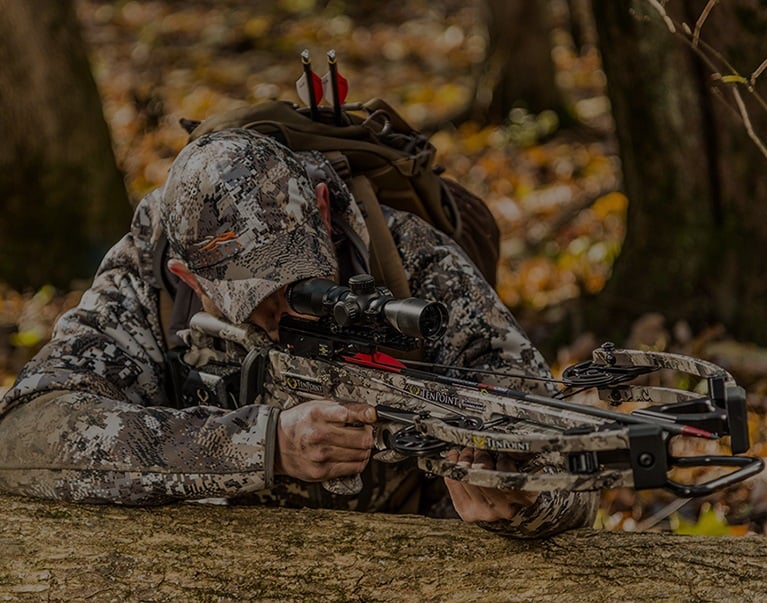
In the state of Oklahoma, the legal landscape regarding weapon possession is largely centered on the distinction between “firearms” and other types of archery or sporting equipment. Generally, state law is rigorous regarding the possession of firearms by convicted felons. However, a crossbow is mechanically classified as a bow-and-arrow device rather than a firearm.

The Technical Classification
Under Oklahoma state law, a firearm is defined as a weapon from which a shot is discharged by gunpowder or any other explosive. Because a crossbow relies on tension, stored energy, and mechanical release—rather than an explosive charge—it does not meet the legal threshold of a firearm. Consequently, for individuals looking to participate in archery sports or visit outdoor ranges in cities like Tulsa or Oklahoma City, the prohibitions that apply to firearms do not inherently extend to crossbows.
The Distinctions in Statutory Language
While the Second Amendment concerns are often the primary focus of legal discussions, Oklahoma penal code focuses on the “possession of a firearm after a former conviction of a felony.” Since crossbows operate through string-tension mechanics, they are viewed under the lens of sporting goods or archery equipment. This creates a regulatory environment where individuals who have been disenfranchised from firearm ownership may still legally possess and operate archery gear for recreational purposes.
Recreational Opportunities and Archery Ranges
For residents and visitors alike, the freedom to engage in archery is a significant part of the sporting culture found within the Great Plains. Whether you are visiting the Wichita Mountains Wildlife Refuge or frequenting local archery clubs, understanding your rights allows for a more relaxed and compliant experience while pursuing outdoor activities.
Archery Tourism in the Sooner State
Oklahoma offers a wealth of opportunities for those interested in competitive or recreational archery. From the dense woods of Beavers Bend State Park to private ranges scattered throughout Broken Bow, the state promotes a culture of outdoor engagement. For individuals with a felony background, the ability to participate in these activities is a vital aspect of social and recreational reintegration. Choosing to practice in sanctioned areas ensures that you are not only following the law but also participating in a community that values safety and skill development.
Responsible Engagement
Engaging in any sport involving weaponry requires a high level of responsibility. Even if a crossbow is not legally categorized as a firearm in Oklahoma, it remains a powerful piece of equipment. Practicing at established venues such as those found near Turner Falls Park provides an environment where safety protocols are emphasized. Users are expected to follow local ordinances, maintain their equipment, and always prioritize the safety of others on the range.

Navigating Local Ordinances and Federal Overlap
While state law in Oklahoma generally allows for the possession of a crossbow, it is important to consider if there are any specific local or federal nuances that could complicate this. Navigating the legalities of life after a conviction requires being diligent about where you are and what the specific rules are for that jurisdiction.
Federal vs. State Jurisdictions
The primary concern for many is whether federal law—specifically the Bureau of Alcohol, Tobacco, Firearms and Explosives—would interpret a crossbow as a firearm. To date, federal law maintains the same distinction as state law: crossbows are not firearms. Therefore, as long as an individual is not otherwise prohibited from possessing items by a specific court order or parole condition, the possession of a crossbow remains legally distinct from the possession of a firearm.
Local City and County Rules
While the state provides the baseline, it is always wise to check if a municipality, such as Norman or Edmond, has specific ordinances regarding the discharge of weapons within city limits. Even if a crossbow is not a “firearm,” discharging any projectile weapon within dense residential areas or public parks not designated for archery can result in local citations. Being a responsible member of the community involves knowing the difference between “ownership” and “appropriate use.” Always look for signage at public landmarks like Chickasaw National Recreation Area to ensure your chosen activity is permitted in that specific zone.
Best Practices for Archery Enthusiasts with a Criminal Record
Maintaining a clear legal standing while enjoying the outdoors is the primary goal for many individuals. When moving through Oklahoma, there are several practical steps that can ensure you enjoy your hobby without unnecessary legal friction.
Documentation and Professional Guidance
If you are currently on probation or parole, the most important step is to consult with your supervising officer. Often, individuals under state supervision have specific conditions attached to their release that may supersede general laws. A blanket rule might exist for your specific case, even if the general law of Oklahoma is permissive. Before purchasing a crossbow or heading to a range like those found in Tulsa, verify that your supervision conditions do not restrict the possession of “weapons of any kind.”
Choosing the Right Environment
When you are ready to engage in archery, choosing the right venue matters. Public lands under the jurisdiction of the United States Department of the Interior may have specific seasonal or behavioral rules. Opting for private archery ranges often provides a more structured environment where you can practice in peace. Being transparent with range operators about your commitment to safety and compliance can foster a positive relationship with the local sporting community.
Staying Informed
The legal landscape is always subject to change. Legislative sessions in Oklahoma City often bring updates to the penal code and sporting regulations. Keeping yourself updated through official state government resources ensures that you remain on the right side of the law. Whether you are interested in the historical context of archery at the Gilcrease Museum or simply enjoy the thrill of target practice, staying informed is the hallmark of a responsible outdoorsman.
By understanding the distinction between firearm regulations and archery equipment, those with a felony background can navigate Oklahoma with confidence. The state’s rich culture of outdoor sports remains accessible, provided that one maintains a focus on legal compliance, safety, and respect for local regulations. Whether you are exploring the Ozark Mountains or visiting local recreational spots, your commitment to responsible ownership is the foundation of a successful and fulfilling experience.
LifeOutOfTheBox is a participant in the Amazon Services LLC Associates Program, an affiliate advertising program designed to provide a means for sites to earn advertising fees by advertising and linking to Amazon.com. Amazon, the Amazon logo, AmazonSupply, and the AmazonSupply logo are trademarks of Amazon.com, Inc. or its affiliates. As an Amazon Associate we earn affiliate commissions from qualifying purchases.