
Navigating the complexities of civil rights after a felony conviction can be a daunting task, particularly when it comes to fundamental democratic participation like voting. For residents of New York, the question of whether a felon can cast a ballot is nuanced and has evolved over time. While New York has historically had a more progressive stance on restoring voting rights compared to some other states, understanding the specific conditions and processes is crucial for individuals seeking to re-engage with the electoral process. This article will delve into the current laws and regulations surrounding felony disenfranchisement in New York, offering clarity and guidance for those affected.
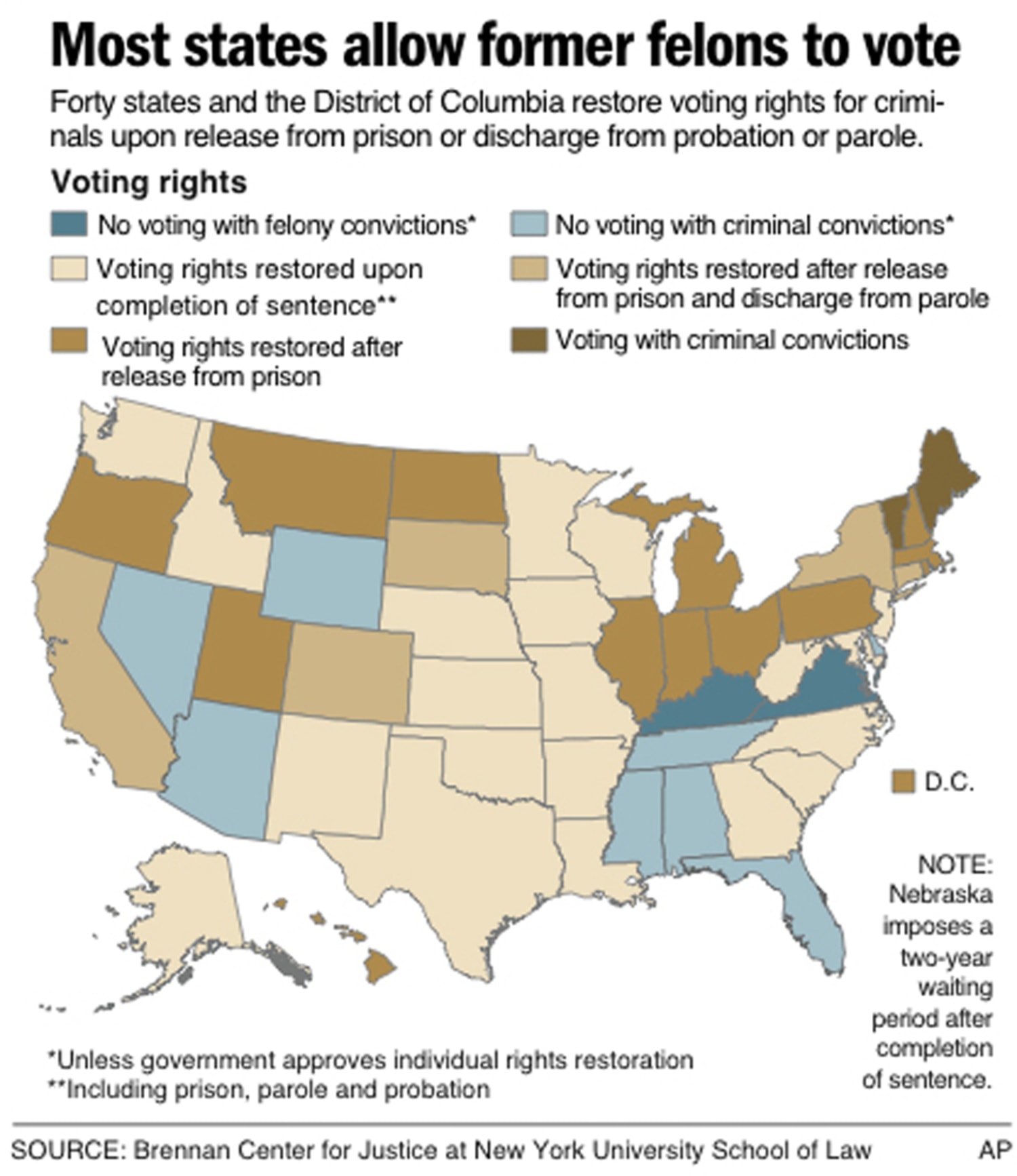
The right to vote is a cornerstone of citizenship, and its restriction after a felony conviction raises important questions about rehabilitation, civic responsibility, and the broader goals of the justice system. New York‘s approach reflects a growing understanding that disenfranchisement can hinder reintegration into society and perpetuate cycles of marginalization.
Understanding Felony Disenfranchisement in New York
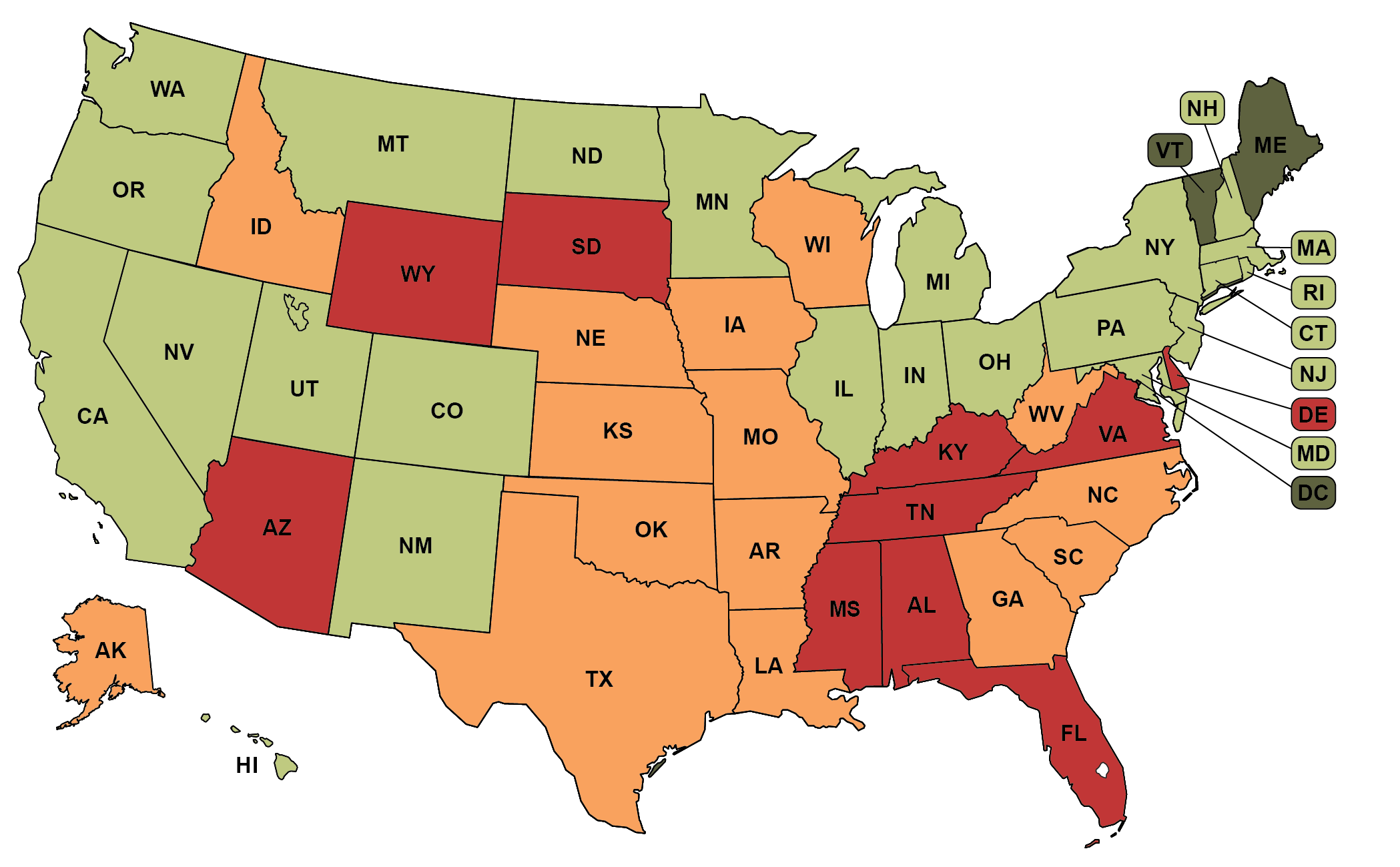
Felony disenfranchisement refers to the loss of voting rights by individuals convicted of a felony offense. The specifics of these laws vary significantly from state to state, ranging from permanent disenfranchisement for some offenses to automatic restoration upon release from prison. In New York, the landscape is more permissive, but still requires attention to detail.
The Historical Context of Voting Rights in New York
Historically, New York‘s constitution has addressed the issue of felony disenfranchisement. For many years, individuals convicted of a felony were disenfranchised while incarcerated and, in some cases, even after their release, until their civil rights were fully restored. This meant that a significant portion of the incarcerated population, and those recently released, were unable to participate in elections.
However, societal views and legal interpretations have shifted, leading to reforms aimed at expanding suffrage. These reforms are often driven by advocacy groups, legal challenges, and a broader recognition of the importance of civic participation in successful reentry programs. The goal is to move away from a purely punitive approach towards one that emphasizes rehabilitation and the reintegration of individuals into society.
Current Voting Rights Laws for Felons in New York
As of the most recent legislative and legal developments, New York has a system that generally allows felons to vote, with specific conditions. The key distinction lies in whether an individual is currently incarcerated or has completed their sentence.
Voting While Incarcerated
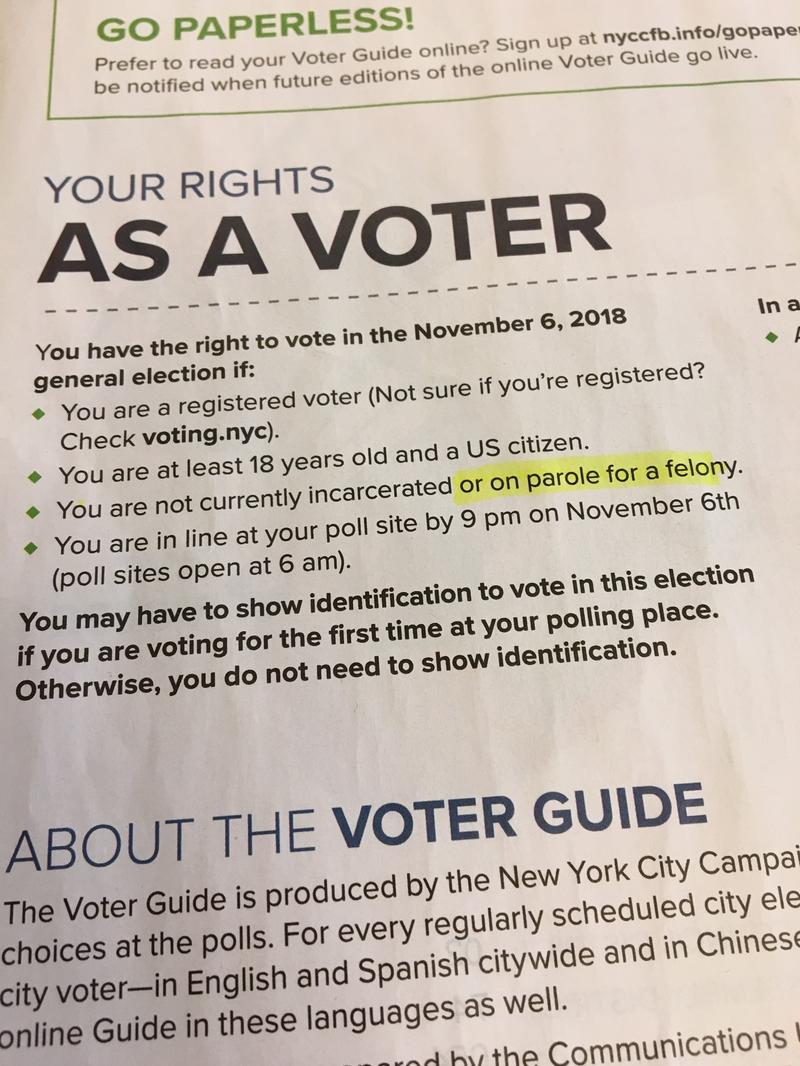
Individuals convicted of a felony in New York are not permitted to vote while they are incarcerated, even if they are serving time for a non-violent offense. This is a critical limitation that affects a substantial number of individuals. The rationale often cited for this restriction is that individuals who have committed serious crimes and are serving time for them have temporarily forfeited certain civic privileges.
However, it is important to note that this restriction applies to those convicted and sentenced within New York. If a New York resident is incarcerated in another state for a felony, their voting rights would be subject to that state’s laws.
Voting After Release and Completion of Sentence
The most significant change in New York voting rights for felons came with legislation that simplified the process of restoring suffrage. Generally, once an individual has completed their full sentence for a felony conviction, including any period of parole or post-release supervision, their right to vote is automatically restored. This means that individuals do not typically need to take separate legal action to have their voting rights reinstated.
This automatic restoration is a crucial aspect of New York‘s approach, aiming to remove bureaucratic hurdles that might otherwise prevent formerly incarcerated individuals from exercising their right to vote. The principle behind this is that upon fulfilling their legal obligations, individuals should be able to fully re-enter civic life.
Important Nuances and Exceptions
While the general rule in New York is that voting rights are restored upon completion of sentence, there are some important nuances and potential exceptions to be aware of. These can include:
Felony Convictions from Other States
If an individual has a felony conviction from another state, the restoration of their voting rights in New York can be more complex. New York law generally follows the principle that a felony conviction that would be considered a felony in New York results in disenfranchisement. However, the specifics of how out-of-state convictions are treated can depend on the nature of the crime and the laws of the state where the conviction occurred. In such cases, it is advisable to consult with legal counsel or the New York State Board of Elections for clarification.
Specific Offenses and Civil Rights Restoration
While most felony convictions in New York result in automatic restoration of voting rights upon completion of sentence, there might be rare instances or historical laws where certain extremely serious or specific offenses could have different restoration requirements. However, under current New York law, the focus is on the completion of the sentence, not on the specific nature of the felony in most cases. The intent of the law is to facilitate reintegration.
Voting Rights While on Parole or Probation
A critical point of understanding is that individuals are generally not eligible to vote while they are on parole or probation in New York, even if they are not currently incarcerated. Voting rights are typically only fully restored upon the successful and complete discharge of their sentence, which includes parole or probation. This distinction is vital for individuals to understand their eligibility.
The Process of Re-enfranchisement
For the vast majority of New York residents with felony convictions, re-enfranchisement is a straightforward process due to the automatic restoration of voting rights upon completion of their sentence. There is no need to fill out special forms or petition the court. Once the individual is officially discharged from parole or probation, they are generally considered eligible to vote.
However, it is always recommended that individuals confirm their registration status. This can be done through the New York State Board of Elections website or by contacting their local board of elections. Ensuring that their voter registration is up-to-date is a crucial step before any election.
Checking Voter Registration Status
Individuals can typically check their voter registration status online through the New York State Board of Elections website. This is a simple and efficient way to verify if their information is current and if they are listed as an active voter. If there are any discrepancies or if they are unsure about their status, contacting the local board of elections is the best course of action.
Voter Registration Deadlines
It is important for all eligible voters, including those whose rights have been restored, to be aware of voter registration deadlines. These deadlines are set by state law and typically occur a certain number of days before an election. Failing to register or update registration by the deadline will prevent an individual from voting in that election.
The Broader Implications for Reintegration and Society
The policy of restoring voting rights to felons upon completion of their sentence has significant implications for the reintegration of individuals into society and for the broader democratic landscape.
Encouraging Civic Engagement
When voting rights are restored, it sends a powerful message of inclusion and opportunity. It encourages formerly incarcerated individuals to become more engaged in their communities and in the political process. This engagement can lead to a greater sense of belonging and a stronger commitment to civic responsibility.
Reducing Recidivism
Some research suggests that civic engagement, including voting, can be a factor in reducing recidivism rates. When individuals feel connected to their communities and have a stake in the political system, they may be less likely to re-offend. The ability to vote is a tangible way to affirm their status as full members of society.
Promoting a More Representative Democracy
Disenfranchisement disproportionately affects certain communities, often those that are already marginalized. Restoring voting rights helps to ensure that the electorate is more representative of the entire population, including those who have experienced the justice system. This can lead to policies that are more inclusive and address the needs of all citizens.
Conclusion
In New York, the question of whether a felon can vote is largely answered in the affirmative, provided they have completed their sentence. The state’s laws are designed to facilitate the restoration of voting rights upon release from incarceration and the successful completion of parole or probation. While there are important distinctions regarding those who are currently incarcerated or on supervision, the overarching principle is one of rehabilitation and the reintegration of individuals into the civic life of the state. For those seeking to exercise their right to vote after a felony conviction, understanding these nuances and ensuring their voter registration is current is key. New York‘s approach represents a commitment to ensuring that more citizens can participate in the democratic process, fostering a more inclusive and representative society.
LifeOutOfTheBox is a participant in the Amazon Services LLC Associates Program, an affiliate advertising program designed to provide a means for sites to earn advertising fees by advertising and linking to Amazon.com. Amazon, the Amazon logo, AmazonSupply, and the AmazonSupply logo are trademarks of Amazon.com, Inc. or its affiliates. As an Amazon Associate we earn affiliate commissions from qualifying purchases.