
For many aspiring hospitality entrepreneurs, the concept of a “Ma Pi”—a shorthand often used in specialized culinary and lodging circles to describe a localized, integrated guest-experience model—presents an intriguing proposition. When looking at the landscape of New Hampshire, a state defined by its rugged White Mountains and charming, historic townships, the question arises: is the legal and cultural framework of the “Granite State” conducive to this specific operational model? To understand the viability of such an enterprise, one must delve into the nuances of local zoning, the unique tourism culture of the Northeast, and the regulatory requirements that govern boutique hospitality.
The Regulatory Landscape of New Hampshire Hospitality
Operating any form of specialized hospitality in New Hampshire requires a deep understanding of the New Hampshire Department of Business and Economic Affairs. Unlike major metropolitan hubs such as Boston or New York City, where hospitality regulations are often centralized and uniform, this state operates on a highly decentralized system. Authority is frequently vested in individual towns and municipalities, meaning the ability to operate a niche concept like a Ma Pi depends heavily on the specific zoning ordinances of the town in question.
Zoning and Land Use Considerations
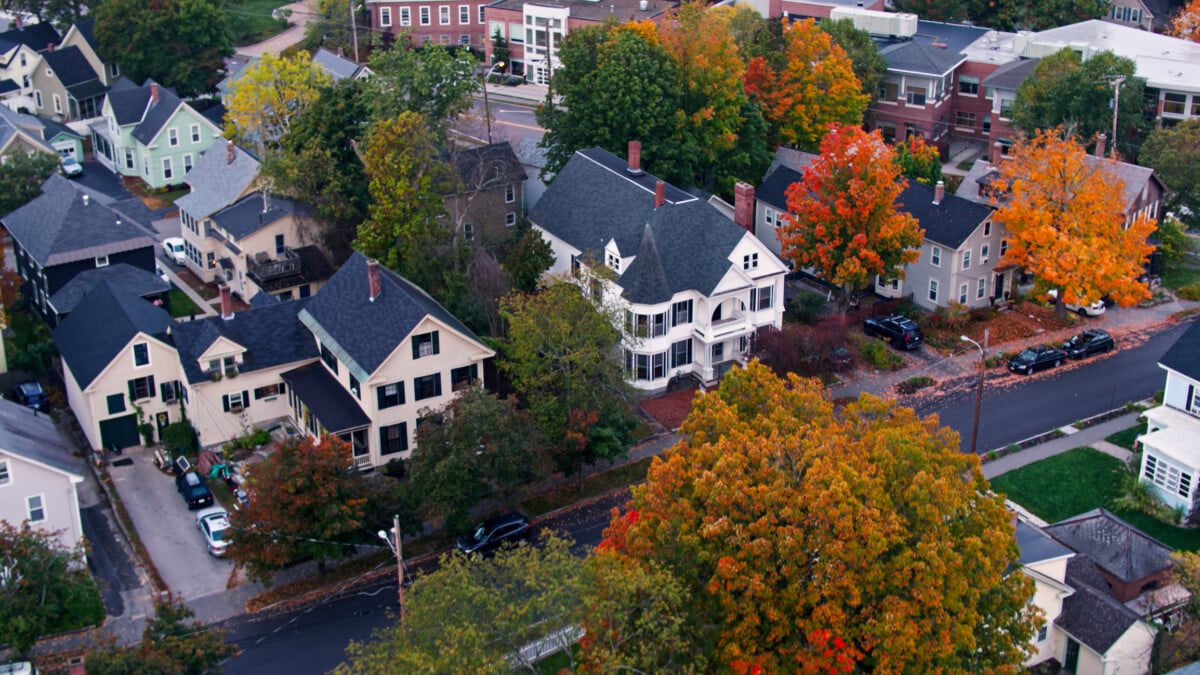
In towns like North Conway or Portsmouth, the regulatory scrutiny is intense regarding how a business utilizes its space. If a Ma Pi involves a combination of residential lodging and commercial culinary services, an owner must navigate “Mixed-Use” zoning designations. Many historic properties in the New England region are protected by strict preservation committees, which may limit the structural modifications necessary to support a modern hospitality operation.
Licensing and Safety Standards
Beyond zoning, the New Hampshire Division of Public Health Services enforces stringent safety codes. Whether the venture operates as a boutique inn or a culinary retreat, the integration of food preparation and overnight accommodation triggers automatic oversight from the state’s health and fire marshals. An applicant must ensure that their business model meets the Life Safety Code, especially in older structures that characterize the architectural heritage of New Hampshire.
Aligning the Ma Pi Model with New Hampshire Tourism
A Ma Pi is fundamentally built on the premise of immersion—connecting guests to the environment through a curated, localized experience. Fortunately, New Hampshire is an ideal proving ground for this approach. The state’s tourism industry thrives on a “slow travel” movement that encourages visitors to linger in areas like the Lake Winnipesaukee region, trading high-volume, impersonal stays for deep, context-driven hospitality.
The Appeal of Boutique Immersive Experiences
The modern visitor to New Hampshire is increasingly seeking more than just a place to sleep. They are looking for a narrative. An operational Ma Pi can capitalize on this by weaving the history of the Appalachian Trail or the local craftsmanship of Manchester into the fabric of the guest stay. By focusing on hyper-local ingredients, regional history, and personalized concierge services, a business can distinguish itself in a competitive market crowded by traditional hotel chains.

Leveraging Local Partnerships
To successfully launch this model, one must integrate into the existing local network. Collaborating with local artisans in Hanover or utilizing ingredients from the Seacoast can turn a standard property into a destination. The most successful businesses in New Hampshire are those that act as stewards of their town’s culture, acting as a gateway for the guest to discover the broader, hidden gems of the region.
Challenges to Implementation and Growth
While the potential for success is significant, the path to establishing a specialized hospitality venture is not without its hurdles. The seasonality of the United States northeastern corner remains the greatest challenge for any operator.
Managing Seasonal Fluctuations
New Hampshire experiences extreme peaks during the foliage season and the winter ski months, particularly in areas near Loon Mountain or Bretton Woods. During the “shoulder seasons,” foot traffic drops significantly. A Ma Pi model must be robust enough to pivot. For instance, offering high-end workshops, retreats, or private events during quieter months can provide the financial stability needed to survive the ebbs and flows of a seasonal economy.
Competitive Positioning
Operators must also contend with a well-established bed-and-breakfast culture. New Hampshire is famous for its historic inns and quaint retreats. To operate a modern concept like a Ma Pi, one must clearly articulate how the experience differs from a traditional stay. This requires a strong digital presence, high-quality photography showcasing the unique aspects of the property, and a brand identity that appeals to a sophisticated, experience-hungry clientele.
Future Outlook for Unique Hospitality Ventures
As the hospitality sector continues to evolve toward more personalized, smaller-scale accommodations, the barriers to entry for unique models may shift. New Hampshire has shown a willingness to adapt, as seen by the surge in boutique glamping sites and luxury cabins across the Kancamagus Highway.
Innovation in the Hospitality Sector
Technology is now allowing smaller operators to manage bookings, guest communication, and local partnerships with unprecedented efficiency. By utilizing modern Property Management Systems (PMS) designed for niche operations, entrepreneurs can minimize overhead while maintaining the high-touch, human-centric approach that defines the Ma Pi experience.

Conclusion
Can a Ma Pi operate in New Hampshire? The answer is a definitive yes, provided that the operator approaches the market with a rigorous understanding of local zoning, a deep commitment to regional authenticity, and a strategic plan for managing the region’s distinct seasonal nature. By respecting the heritage of the Mount Washington area while introducing innovative, immersive guest experiences, such a business can find not only a foothold but a thriving community of supporters. The key lies in the balance between regulatory compliance and creative, guest-focused storytelling. In a state that treasures its history and its landscape, there is always room for a venture that treats hospitality not as a business, but as an art form.
LifeOutOfTheBox is a participant in the Amazon Services LLC Associates Program, an affiliate advertising program designed to provide a means for sites to earn advertising fees by advertising and linking to Amazon.com. Amazon, the Amazon logo, AmazonSupply, and the AmazonSupply logo are trademarks of Amazon.com, Inc. or its affiliates. As an Amazon Associate we earn affiliate commissions from qualifying purchases.