
The thought of a parent facing jail time for their child’s school attendance is a stark one, and it’s a question that understandably causes concern for families across the Lone Star State. While the primary focus of the law is, of course, the child’s education, the legal ramifications for parents in cases of persistent truancy in Texas are a serious matter. This article aims to unravel the complexities of truancy laws in Texas, specifically addressing the possibility of parental incarceration. We will explore the legal framework, the progression of consequences, and the circumstances under which such a severe outcome might occur, while also touching upon the underlying principles that guide these laws.

Understanding Truancy in Texas: More Than Just Skipping School
Truancy, in the eyes of the law, is not simply about a student missing a single day of school. It refers to a pattern of unexcused absences that reaches a certain threshold. In Texas, this pattern is legally defined, and the consequences escalate based on the severity and duration of the non-attendance. It’s crucial for parents and guardians to understand these definitions and the reporting mechanisms in place.
Defining Truancy and Unexcused Absences
The Texas Education Agency defines a “truant child” as a student who has accumulated five or more unexcused absences in a school month or ten or more unexcused absences in any school year. It’s important to note that “unexcused” is a key term here. Absences are generally excused for specific reasons, such as illness with a doctor’s note, medical appointments, or family emergencies, provided the proper documentation is submitted to the school. Absences for vacations, even if educational in nature, or simply “family trips” not deemed an emergency by the school, can often be classified as unexcused.
The responsibility for ensuring a child attends school rests with the parent or guardian. This duty is enshrined in Texas law, and failure to fulfill it can lead to a cascade of interventions and, in extreme cases, legal penalties. The progressive nature of these consequences is designed to offer opportunities for correction and support before reaching the most drastic measures.
The Legal Framework: Parental Responsibility and Child Welfare
At its core, truancy legislation in Texas is rooted in the state’s commitment to child welfare and education. The state has a vested interest in ensuring that all children receive a foundational education, as this is seen as vital for their future success and for the well-being of society as a whole. Therefore, parents are legally obligated to ensure their children attend school.
This obligation is not taken lightly by the legal system. While the primary goal is always to get the child back into the classroom, the law provides a framework for holding parents accountable when their inaction or actions contribute to persistent truancy. The focus is on parental responsibility, recognizing that while children may make their own choices about attending school, parents are ultimately responsible for their upbringing and education.
The Escalation of Consequences: From Warnings to Court Involvement
The journey from a few unexcused absences to a parent potentially facing jail time is a multi-stage process. Schools are mandated to follow a specific protocol when a student begins to accumulate unexcused absences. This protocol involves communication, intervention, and, if necessary, referral to legal authorities.
Initial Interventions and Notifications
When a student starts to accrue unexcused absences, the school district is typically required to notify the parent or guardian. This initial notification usually takes the form of letters, phone calls, or emails. The purpose of these communications is to inform the parent about the absences, clarify the school’s attendance policy, and encourage the parent to address the issue with their child.
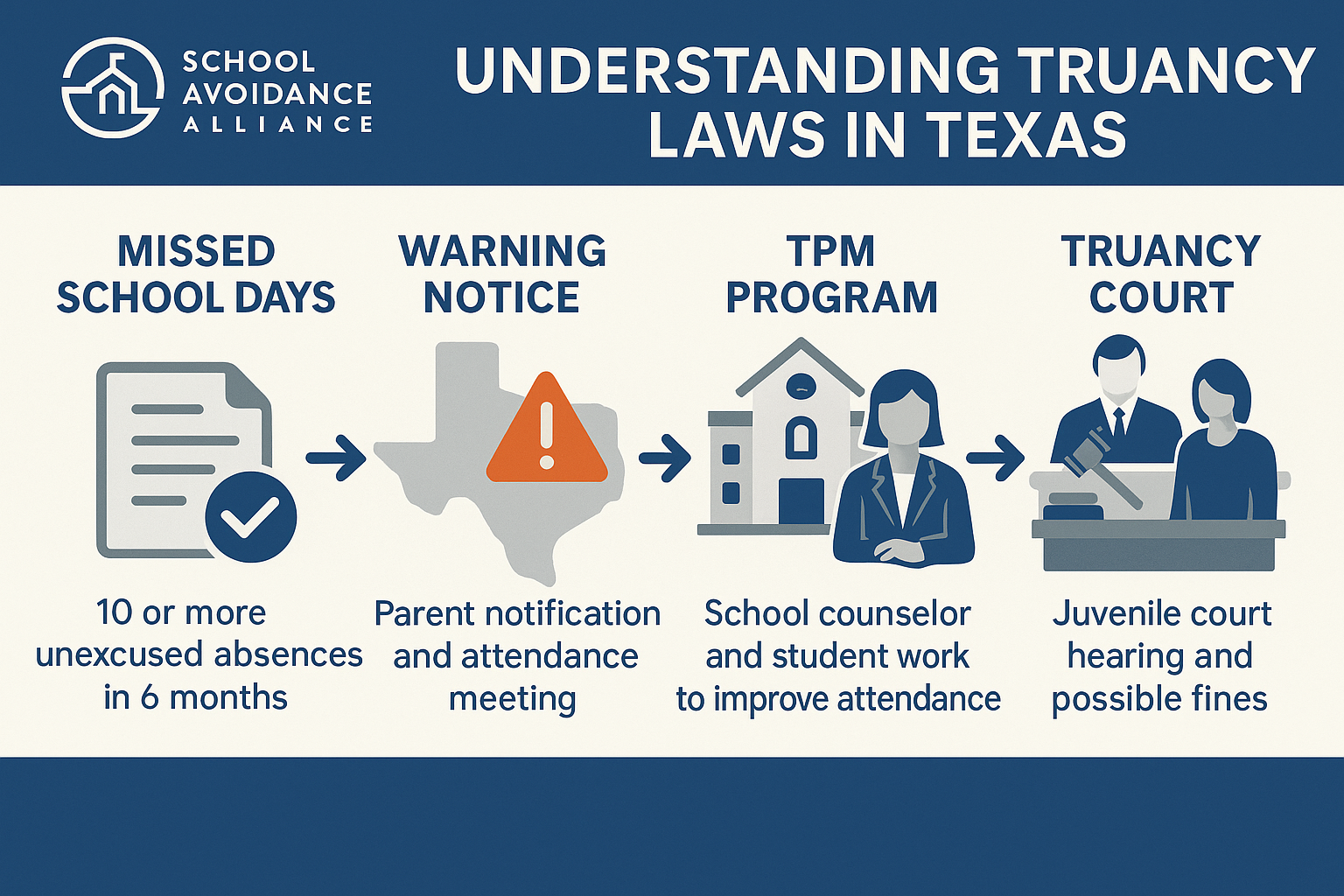
These early interventions are crucial. Often, unexcused absences stem from understandable issues, such as a child’s temporary illness, a family upheaval, or confusion about school procedures. By communicating openly, schools aim to resolve these issues collaboratively. Many school districts also offer resources and support services to families struggling with attendance, recognizing that external factors can play a significant role.
Legal Actions and Court Mandates
If the initial interventions prove ineffective and the student continues to accumulate unexcused absences, the school district may escalate the matter. This can involve:
- Mandatory Attendance Committees: Some districts have committees that meet with parents to discuss attendance issues and develop a plan to improve the student’s school attendance.
- Referral to Truancy Court or Juvenile Court: In Texas, persistent truancy can lead to a student being classified as “habitually truant.” When this occurs, the case can be referred to the courts. This is where the focus shifts more directly to parental responsibility.
In these court proceedings, parents may be required to appear and explain why their child is not attending school. The court can then issue orders, such as attendance contracts or mandates for parental involvement. The goal of these court orders is to compel attendance and to ensure that parents are actively participating in finding a solution.
The Question of Jail Time: When and Why?
The prospect of a parent going to jail for truancy in Texas is indeed possible, but it is generally considered a last resort. It is not a consequence that is imposed lightly or for minor infractions. Instead, it typically arises in situations where there is a demonstrable pattern of willful neglect or a persistent refusal to comply with court orders.
Parental Criminal Liability for Truancy
Under Texas law, it is a Class C misdemeanor for a parent to permit their child to be truant. However, the penalties for a Class C misdemeanor are typically fines, not jail time. The more serious legal ramifications, including the possibility of jail, arise when parents fail to comply with court orders related to truancy.

Contempt of Court and Willful Neglect
If a court issues an order requiring a parent to ensure their child attends school, and the parent persistently fails to comply, they can be held in contempt of court. Contempt of court is a serious offense and can result in fines, probation, or jail time. The rationale behind this is that the parent is defying a direct order from the judiciary.
Furthermore, in extreme cases, a court might find that a parent’s actions or inactions constitute willful neglect, which is a more severe charge. This could be the case if a parent actively prevents their child from going to school, or if they consistently ignore all attempts at intervention and court orders.
It is important to emphasize that the legal system generally seeks to exhaust all other avenues before considering jail time. This might involve:
- Social Services Intervention: The court may involve child protective services to assess the overall well-being of the child and family.
- Parenting Classes and Counseling: Courts may order parents to attend parenting classes or seek counseling to address underlying issues contributing to the truancy.
- Community Service: As an alternative to jail, parents might be ordered to perform community service.
The ultimate decision to incarcerate a parent for truancy rests with the judge, who will consider all the facts of the case, the history of the absences, the efforts made by the school and the court, and the parent’s response to these interventions. The focus remains on the child’s best interest and ensuring they receive an education. While the legal framework allows for parental jail time in extreme circumstances, it is a rare outcome and usually reserved for cases of egregious and persistent disregard for the child’s educational rights and legal mandates. For families facing truancy issues, seeking legal counsel and actively engaging with school and court systems is paramount to navigating these complex legal waters and avoiding the most severe consequences.
LifeOutOfTheBox is a participant in the Amazon Services LLC Associates Program, an affiliate advertising program designed to provide a means for sites to earn advertising fees by advertising and linking to Amazon.com. Amazon, the Amazon logo, AmazonSupply, and the AmazonSupply logo are trademarks of Amazon.com, Inc. or its affiliates. As an Amazon Associate we earn affiliate commissions from qualifying purchases.