
Navigating the world of independent travel is an exciting rite of passage, but the logistics can often prove more complicated than anticipated. For many young adults, the milestone of turning 18 feels like the ultimate key to freedom. However, when it comes to the hospitality industry, reaching the age of majority does not always guarantee a seamless check-in experience. Understanding the nuances of booking policies and legal requirements is essential for any young traveler planning a trip to cities like New York or London.
The Legal and Corporate Landscape of Age Requirements
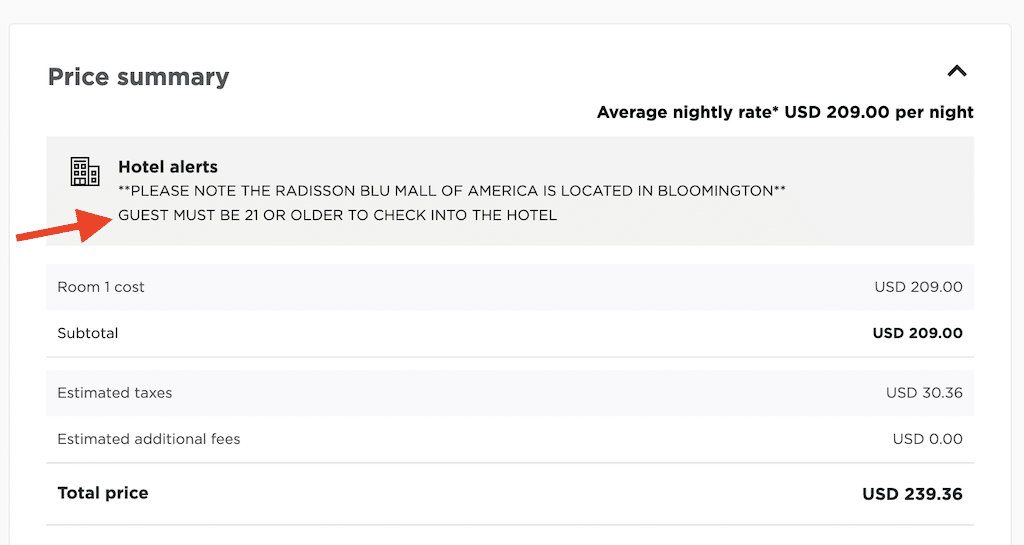
While 18 is legally considered adulthood in most jurisdictions, the hospitality industry operates under a unique set of private policies. When you book a room, you are entering into a legally binding contract. From a business perspective, many hotels view guests under the age of 21 as a higher liability risk, leading them to implement their own minimum age requirements for primary occupants.
Why Age Restrictions Vary
Hotel chains often base their age requirements on local laws, insurance premiums, and historical data regarding property damage. In states like Nevada, specifically in Las Vegas, you will find that almost every major resort mandates a minimum age of 21 for check-in. This is largely due to the prevalence of gaming and alcohol service on the premises. Conversely, in more traditional destinations like Paris or Tokyo, local regulations may be more lenient, often allowing 18-year-olds to check in without issue.
The Contractual Nature of Booking
When you sign your name at the front desk, you are agreeing to the terms and conditions of the establishment. If you are under the minimum age set by the property, they have the legal right to deny you entry, even if you have a pre-paid reservation. It is vital to recognize that your reservation confirmation is not a guarantee of occupancy if you do not meet the age criteria defined in the fine print.
Navigating Booking Policies Effectively
The most common mistake young travelers make is assuming that all hotels within a specific brand, such as the Hilton or Marriott, follow the same global rules. In reality, individual properties often have the autonomy to adjust their check-in age based on their specific market and management structure.
How to Verify Eligibility Before Payment
Before hitting the “book” button on a third-party travel site, take these proactive steps to ensure your stay remains worry-free:
- Consult the Official Property Page: Always visit the hotel’s direct website rather than relying on aggregators. Look specifically for the “Terms and Conditions” or “Guest Policy” sections.
- Call the Front Desk: A quick phone call to the property is the most reliable way to get an answer. Speaking to someone at the front desk ensures you have the most up-to-date information for the specific dates of your stay.
- Ask About “Parental Consent” Exceptions: Some hotels, particularly those managed by boutique brands or independent owners, may allow guests under 21 to check in if a parent or legal guardian provides a written authorization form or guarantees the room via a credit card.
Identifying “Youth-Friendly” Accommodations
If you find that mainstream luxury resorts are out of reach due to age restrictions, look for youth-oriented properties. Certain hostel chains or budget-focused hotels located near universities often have policies designed specifically for younger travelers. For example, a property situated near a popular travel hub like Berlin or Rome is far more likely to accommodate 18-year-old solo travelers than a secluded, high-end resort.

Practical Tips for the Young Solo Traveler
If you are 18 and planning your first independent excursion, the experience can be incredibly rewarding, provided you are prepared for the bureaucratic hurdles. Preparation is your best defense against the disappointment of being turned away at the door.
Documentation Requirements
Regardless of your age, always carry government-issued photo identification. In some instances, the hotel may require a secondary form of identification, such as a passport or a student ID. If you are traveling internationally, ensure your passport is valid for at least six months beyond your departure date, as many hotels in countries like Thailand or Mexico require this for check-in validation.
Credit Cards vs. Debit Cards
Hotels almost always require a credit card for an “incidental hold.” This is a temporary authorization placed on your account to cover potential damages, room service, or minibar usage. If you are 18, you may not have a credit card yet. Be aware that many hotels explicitly refuse debit cards or prepaid cards for this hold because they do not offer the same security for the hotel. If you only have a debit card, call the property in advance to ask if they accept cash deposits or debit cards for incidentals, though be prepared for them to ask for a larger deposit than they would from a credit card holder.
Leveraging Membership Programs
If you are a frequent traveler, look into loyalty programs offered by major groups like Hyatt or InterContinental. Sometimes, holding a status level or being a member of their rewards program can provide enough credibility for a manager to make an exception to age policies. While this is not a guarantee, it creates a relationship between you and the brand that can be beneficial in navigating policy hurdles.
When Plans Change: Backup Strategies
Even the best-laid plans can fall through. If you arrive at your hotel in Sydney or Toronto only to be told you are too young to check in, do not panic. Having a backup plan is essential for any traveler.
Utilizing Trusted Booking Platforms
When booking through reputable sources, look for “flexible” cancellation policies. If you are booking a property that has ambiguous age requirements, choosing a refundable rate allows you to pivot if you discover at the last minute that you do not qualify.

Local Alternatives
If you find yourself stranded, research local hostels or Airbnb listings in the area. Often, these platforms have different community standards that may be more welcoming to young adults. However, always verify the host’s specific requirements in the listing description, as some hosts may also set their own minimum age for bookings to match their comfort level.
Ultimately, while the question “Can an 18-year-old check into a hotel?” does not have a single “yes” or “no” answer, it is a solvable puzzle. By doing your research, communicating directly with the management, and preparing your documentation, you can enjoy the freedom of independent travel and stay in some of the most iconic destinations across the globe. Whether you are visiting the historic streets of Athens or the bustling markets of Istanbul, being informed is the first step toward a successful journey.
LifeOutOfTheBox is a participant in the Amazon Services LLC Associates Program, an affiliate advertising program designed to provide a means for sites to earn advertising fees by advertising and linking to Amazon.com. Amazon, the Amazon logo, AmazonSupply, and the AmazonSupply logo are trademarks of Amazon.com, Inc. or its affiliates. As an Amazon Associate we earn affiliate commissions from qualifying purchases.