
The lush, green fruit that has become a staple in kitchens across the globe, the avocado, evokes images of sun-drenched groves and tropical climates. Yet, the question lingers for many a Texan gardener and aspiring homesteader: can this beloved produce truly thrive under the vast skies of the Lone Star State? The answer, while not a simple yes or no, leans towards a cautiously optimistic “potentially, with the right approach.” Texas, with its diverse climate zones and a history of agricultural innovation, presents a unique landscape for avocado cultivation. Understanding the specific challenges and opportunities is key to unlocking the possibility of homegrown avocados in Texas.
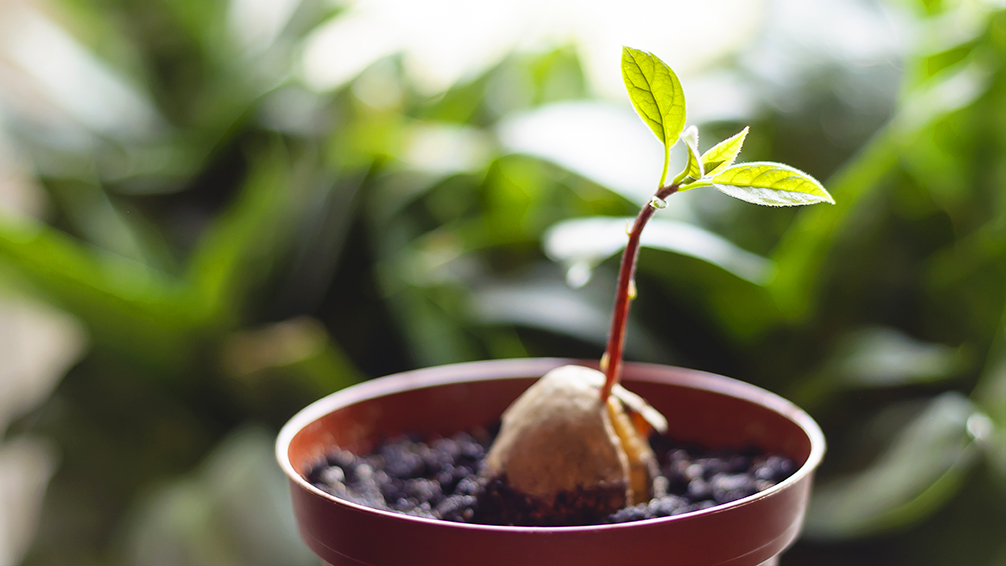
The Texas Climate: A Balancing Act for Avocados
Texas is not a monolithic entity when it comes to climate. It stretches from the humid subtropical regions of East Texas to the arid and semi-arid West Texas, with a significant portion experiencing a hot, humid subtropical climate. This diversity is crucial when considering avocado growth, as the fruit has specific environmental needs.
Temperature Sensitivity
Avocado trees are notoriously sensitive to cold. While they are subtropical plants, they are not tropical and can tolerate some frost. However, prolonged or severe freezes can be devastating. The ideal temperature range for avocado growth is between 60°F and 85°F (15°C to 29°C). Temperatures below 30°F (-1°C) can damage or kill young trees, while even mature trees can suffer significant damage from extended periods of sub-freezing weather.
- South Texas Advantage: Regions in South Texas, particularly those along the Gulf Coast and extending inland, often experience milder winters. Cities like Corpus Christi and Brownsville boast warmer average temperatures, making them more conducive to avocado cultivation than the Panhandle or North Texas. The presence of large bodies of water, such as the Gulf, can also moderate temperatures, offering some protection against extreme cold snaps.
- Microclimates and Protection: Even in areas that experience occasional freezes, strategic planting can make a difference. Planting on south-facing slopes, near buildings that radiate heat, or in sheltered courtyards can create microclimates that offer a few extra degrees of warmth during critical cold periods. Windbreaks, formed by evergreen trees or structures, can also protect young trees from harsh winter winds that can exacerbate cold damage.
Rainfall and Water Management
Avocado trees require consistent moisture, but they are also susceptible to root rot if their roots sit in waterlogged soil. Texas, known for its periods of drought punctuated by heavy rainfall, presents a challenge in managing water for these trees.
- Drought Considerations: During dry spells, supplemental irrigation is essential. Drip irrigation systems are highly recommended as they deliver water directly to the root zone, minimizing evaporation and promoting efficient water use. Mulching heavily around the base of the tree also helps retain soil moisture and regulate soil temperature.
- Drainage is Paramount: Regardless of the rainfall, well-draining soil is non-negotiable. If planting in an area with heavy clay soil, amending the soil with organic matter and compost is crucial. Raised beds are an excellent option for improving drainage, ensuring that avocado roots do not become waterlogged.
Sunlight and Soil
Avocado trees are sun-lovers and require at least six hours of direct sunlight per day. However, young trees can benefit from some afternoon shade in the hottest parts of the summer to prevent scorching. As for soil, a slightly acidic to neutral pH is ideal, with a preference for sandy loam soils that are rich in organic matter.
Avocado Varieties Suited for Texas
Not all avocado varieties are created equal, and some are significantly more cold-hardy and adaptable to varied conditions than others. For those looking to cultivate avocados in Texas, selecting the right variety is a critical first step.
Mexican and Guatemalan Hybrids
The most common and widely successful varieties for warmer climates are typically Mexican and Guatemalan hybrids. These varieties often exhibit greater cold tolerance than pure tropical types.
- ‘Mexicola’ and ‘Mexicola Grande’: These are among the most cold-hardy avocado varieties, often recommended for areas that might experience light frosts. They produce medium-sized, black-skinned fruit with a rich, buttery flavor.
- ‘Stewart’: A popular choice in California and parts of Florida, ‘Stewart’ is a Guatemalan-Mexican hybrid known for its vigorous growth and good fruit quality. It offers a reasonable degree of cold tolerance.
- ‘Reed’: While primarily a Californian variety, ‘Reed’ avocados are known for their large size and excellent flavor. They are less cold-hardy than ‘Mexicola’ but can be successful in protected locations in warmer Texas regions.
- ‘Little Cado’ (Avocado ‘Wurtz’): This dwarf variety is particularly appealing for smaller gardens or container growing. It’s a Guatemalan-Mexican hybrid that generally performs well in warmer climates and is relatively more cold-tolerant than many larger varieties.
The Importance of Grafted Trees
When purchasing avocado trees, it is strongly advised to opt for grafted trees. Grafting combines the rootstock of a hardy variety with the scion (the fruiting wood) of a desirable variety. This practice ensures that the tree will produce the specific type of fruit you want, while the rootstock can offer improved disease resistance, soil adaptation, and crucially, enhanced cold tolerance. Local nurseries specializing in fruit trees are excellent resources for finding suitable grafted varieties for your specific Texas region.

Cultivation Challenges and Solutions in Texas
Beyond the general climate considerations, specific horticultural practices are vital for success. Texas’s unique environment presents a few hurdles that dedicated gardeners can overcome.
Pest and Disease Management
Avocado trees can be susceptible to various pests and diseases, especially when stressed by unfavorable conditions. Common issues include:
- Root Rot: As mentioned, this is a significant threat, exacerbated by poor drainage. Ensuring well-draining soil and avoiding overwatering are the primary defenses.
- Mites and Thrips: These small pests can damage leaves and fruit. Organic pest control methods, such as neem oil or insecticidal soap, can be effective. Encouraging beneficial insects in the garden also plays a crucial role.
- Anthracnose and Scab: Fungal diseases that can affect the fruit and leaves. Proper pruning to improve air circulation and avoiding overhead watering can help mitigate these issues.
Pollination
Most avocado varieties are monoecious, meaning they have both male and female flowers. However, their flowering pattern is unique, with flowers opening as female one day and male the next. This type II flowering pattern requires cross-pollination for optimal fruit set.
- Type A and Type B Varieties: Avocado varieties are classified into Type A and Type B based on their flowering times. Type A flowers are open as female in the morning and male in the afternoon of the following day. Type B flowers are open as female in the afternoon and male in the morning of the following day.
- Planting for Pollination: To ensure good fruit set, it is recommended to plant at least two different varieties, one of Type A and one of Type B, in proximity to one another. Even if your primary goal is to grow one variety, having a second, compatible variety nearby can significantly increase your yield. Consider planting a more cold-hardy variety like ‘Mexicola’ as a pollinator for a less hardy but perhaps more desirable fruit-bearing tree. Bees and other pollinators are essential, so avoid using broad-spectrum pesticides that can harm them.
Protecting Young Trees
Young avocado trees are the most vulnerable to cold and environmental stress. Extra care is needed during their formative years.
- Winter Protection: During the first few winters, it is advisable to protect young trees from frost. This can involve wrapping the trunks with burlap, covering the entire tree with frost cloths or blankets, or even using Christmas lights (incandescent bulbs, not LED, as the heat helps) to provide gentle warmth on cold nights.
- Watering Before a Freeze: Watering the soil thoroughly before a predicted freeze can help insulate the roots and provide a small amount of heat to the air around the base of the tree as the water cools.
The Long-Term Outlook and Avocado Tourism in Texas
While commercial avocado farming on a large scale might remain challenging in many parts of Texas due to the climatic uncertainties, the prospect of growing avocados for personal consumption is increasingly viable, especially in the southern and coastal regions.
Homegrown Delights and Local Markets
For residents in these favored areas, the dream of fresh, homegrown avocados is within reach. Imagine stepping into your backyard and picking a ripe Hass or a sweet Mexicola for your morning toast or guacamole. This personal satisfaction is a significant draw for many. Furthermore, as more home gardeners successfully cultivate avocados, surplus produce can find its way to local farmers’ markets, adding to the diverse agricultural offerings of Texas. This can contribute to a growing niche of “local food” movements, where consumers can directly purchase fruits and vegetables grown within their community.

Potential for Avocado-Inspired Tourism
As the knowledge and success of avocado cultivation in Texas grow, there’s potential for this to blossom into a unique aspect of local tourism.
- Orchard Tours and Tastings: In regions where avocado farming proves successful, consider the possibility of small-scale orchards offering tours. Visitors could learn about the cultivation process, the specific challenges of growing avocados in Texas, and enjoy tastings of different varieties. This aligns perfectly with the burgeoning “agritourism” trend, allowing people to connect with their food sources and experience rural life.
- Culinary Experiences: The popularity of avocados in cuisine provides a natural link to food tourism. Restaurants and cafes in areas with successful avocado harvests could highlight them on their menus, offering special dishes or “avocado festivals.” This can draw visitors interested in experiencing the local flavors and agricultural bounty. Cities like San Antonio or Austin, known for their vibrant food scenes, could embrace this trend, integrating locally grown avocados into their offerings.
- Gardening Workshops: Sharing the knowledge of how to successfully grow avocados in Texas can also become a tourist activity. Workshops led by experienced growers can attract enthusiasts from cooler climates or those eager to learn the art of subtropical gardening.
In conclusion, while the question of whether avocados can grow in Texas doesn’t have a universal “yes,” it certainly has a compelling “maybe, with the right knowledge and location.” From understanding the intricate dance of temperature and rainfall to selecting resilient varieties and employing strategic horticultural practices, the journey of a Texas-grown avocado is one of careful planning and dedicated effort. For the persistent gardener, the reward of savoring a homegrown avocado under the wide Texan sky is a delicious testament to the state’s diverse and ever-evolving agricultural potential.
LifeOutOfTheBox is a participant in the Amazon Services LLC Associates Program, an affiliate advertising program designed to provide a means for sites to earn advertising fees by advertising and linking to Amazon.com. Amazon, the Amazon logo, AmazonSupply, and the AmazonSupply logo are trademarks of Amazon.com, Inc. or its affiliates. As an Amazon Associate we earn affiliate commissions from qualifying purchases.