
Elevating Your Living Space: The Timeless Appeal of Boston Ferns
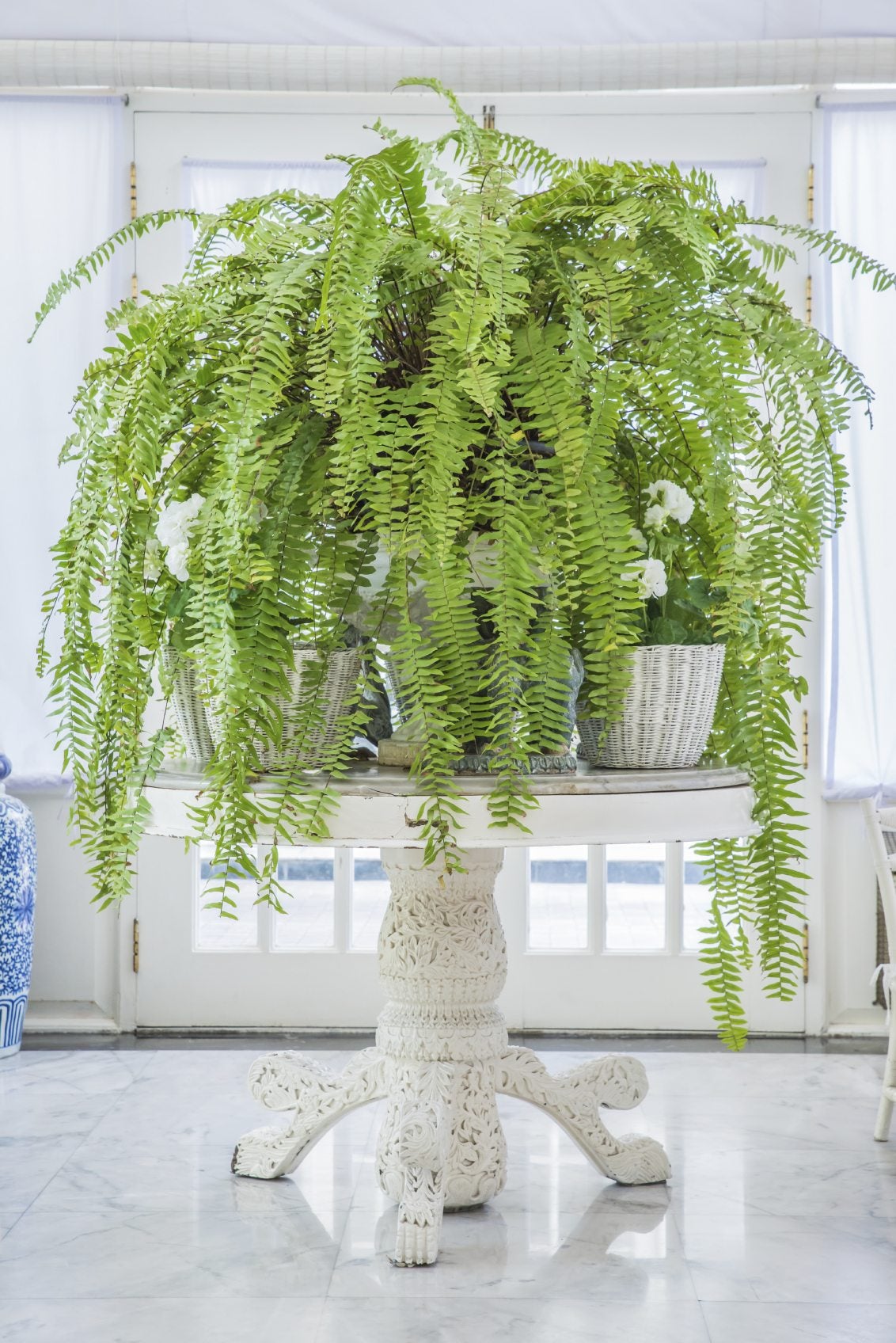
In the quest for creating serene, aesthetically pleasing, and healthy living environments, discerning homeowners and interior enthusiasts often turn to the enduring charm of lush greenery. Among the myriad of choices, the Boston Fern (Nephrolepis exaltata ‘Bostoniensis’) stands out as a quintessential element of classic and contemporary home décor. With its vibrant green fronds, graceful arching habit, and ability to purify indoor air, the Boston Fern embodies a lifestyle choice that values natural beauty, tranquility, and well-being.
Originating from humid, subtropical regions where it often thrives as an understory plant, the Boston Fern became particularly popular in Victorian-era Boston hence its common name, for its robust nature and elegant appearance in parlors and conservatories. Today, it continues to be a favorite for hanging baskets, pedestals, and terrariums, bringing a touch of botanical elegance to any room. Its presence subtly transforms a space, infusing it with a refreshing vitality that can soothe the mind and invigorate the senses. However, maintaining its characteristic lushness and vibrant color hinges significantly on understanding and replicating its natural light preferences. The question of whether these delicate beauties can withstand the intensity of full sun is critical for anyone looking to successfully integrate them into their lifestyle landscape.
The Lifestyle Benefits of Integrating Greenery
Beyond their undeniable aesthetic appeal, plants like the Boston Fern offer tangible benefits that align with a wellness-focused lifestyle. They are known for their exceptional air-purifying qualities, effectively removing common indoor pollutants such as formaldehyde, xylene, and toluene. This natural detoxification contributes to a healthier indoor atmosphere, which is increasingly valued in urban living. Furthermore, the act of nurturing plants itself can be a meditative and rewarding experience, offering a sense of accomplishment and a direct connection to nature that can alleviate stress and improve mood. A thriving Boston Fern is not just a decorative item; it’s a testament to mindful living and an active participant in creating a harmonious home environment.
Unveiling Their Nature: Why Boston Ferns Thrive in Indirect Light
To truly understand the light requirements of a Boston Fern, one must look to its evolutionary origins. These ferns are native to tropical and subtropical forests, where they typically grow on the forest floor, beneath the canopy of larger trees. This natural habitat provides them with dappled sunlight, high humidity, and consistent warmth, all shielded from the direct, scorching rays of the sun. Replicating these conditions as closely as possible is key to their successful cultivation in a domestic setting, aligning with a lifestyle that prioritizes the flourishing of natural elements within one’s personal space.
Mimicking the Forest Floor: The Ideal Light Spectrum
For Boston Ferns, the term “full sun” is a stark contrast to their evolutionary comfort zone. Full sun is generally defined as six or more hours of direct, unfiltered sunlight per day. While some plants, particularly arid-region species, thrive under such intensity, the delicate fronds of a Boston Fern are not equipped for it. Their foliage is adapted to absorb the filtered light that penetrates a dense canopy, which is significantly less intense and often cooler than direct sunlight.
The ideal light for a Boston Fern is bright, indirect light. This means a location where the fern receives plenty of ambient light but is never exposed to direct sunbeams for prolonged periods. An east-facing window, for example, might offer gentle morning sun, which is typically less intense and can be tolerated for a short duration. However, south or west-facing windows, especially during the peak hours of midday to late afternoon, will expose the fern to light that is far too harsh. Placing them a few feet away from such windows, or using sheer curtains to diffuse the light, can create the perfect bright, indirect environment they crave. This careful consideration of placement is a reflection of a thoughtful approach to home gardening, contributing to a tranquil and vibrant living aesthetic.
The Harsh Reality of Direct Sun: Protecting Your Lush Investment
Exposing a Boston Fern to full, direct sunlight is perhaps one of the quickest ways to undermine its health and diminish its visual appeal. Far from contributing to its vibrancy, intense sun acts as a destructive force, rapidly leading to a cascade of detrimental effects that compromise the plant’s health and the very aesthetic it was chosen to enhance. Recognizing these warning signs is crucial for any plant parent committed to a lifestyle that embraces flourishing indoor greenery.

Immediate and Long-Term Damage
The most immediate and noticeable consequence of direct sun exposure is the scorching of the fronds. The delicate, thin leaves of the Boston Fern are not designed to withstand the heat and UV intensity of direct sunlight. Within hours or days, you might observe the following symptoms:
- Browning or Yellowing Fronds: The lush green color that defines the Boston Fern will fade, turning yellow, then crispy brown. This is a clear indicator of chlorophyll degradation and cellular damage.
- Crispy Edges and Tips: The most exposed parts of the fronds will dry out rapidly, becoming brittle and prone to breakage. This not only looks unsightly but also signals severe dehydration and stress.
- Stunted Growth: Instead of producing new, healthy fronds, the plant will divert its energy into survival, leading to a significant reduction in growth or even a complete halt.
- Increased Water Demands and Subsequent Stress: While it might seem counterintuitive, an overexposed fern will try to transpire more water to cool itself. This can quickly deplete its moisture reserves, leading to wilting, even if the soil is adequately moist. The combination of intense heat and rapid moisture loss creates a highly stressful environment that can be difficult for the fern to recover from.
Over time, prolonged exposure to full sun will weaken the entire plant, making it more susceptible to pests and diseases. The aesthetic value, which is a primary reason for including a Boston Fern in one’s living space, will be completely lost, transforming a symbol of vibrant life into a struggling specimen. This underscores the importance of a mindful approach to plant care, treating each plant as a valuable component of a cultivated lifestyle, rather than a mere accessory.
Crafting the Perfect Retreat: Optimal Care Strategies for Boston Ferns
Successfully nurturing a Boston Fern into a magnificent, verdant display is a rewarding endeavor that significantly contributes to the ambiance and vitality of a home. It’s an act of mindful gardening, where understanding and consistently meeting the plant’s specific needs results in a flourishing, beautiful addition to your lifestyle. Beyond just light, several factors coalesce to create the ideal environment for these exquisite ferns.
Mastering the Art of Hydration
Boston Ferns are moisture-loving plants, but they detest being waterlogged. The key is consistent, even moisture in the soil.
- Watering Frequency: Check the soil moisture regularly. Water thoroughly when the top inch of soil feels slightly dry to the touch. Allow excess water to drain completely from the bottom of the pot. Never let the pot sit in standing water, as this can lead to root rot. During warmer months or in very dry indoor conditions, watering may be needed every few days. In cooler temperatures or during winter dormancy, reduce the frequency.
- Humidity is Paramount: Hailing from humid jungle environments, Boston Ferns absolutely thrive in high humidity. Dry indoor air, particularly during winter with heating systems, can quickly cause frond tips to brown and crisp.
- Misting: Regularly misting the fronds with room-temperature water is beneficial, though its effect is temporary.
- Pebble Trays: Place the pot on a tray filled with pebbles and water. Ensure the bottom of the pot does not sit directly in the water, as the evaporating water will create a humid microclimate around the fern.
- Humidifiers: For a more consistent solution, especially in arid climates or heated homes, consider using a room humidifier near your fern. This is a highly effective way to replicate their natural environment and keep fronds lush.
- Grouping Plants: Grouping several humidity-loving plants together can also create a localized zone of higher humidity.
The Right Soil and Feeding Regime
- Potting Mix: Use a well-draining, peat-based potting mix that retains moisture without becoming waterlogged. A mix formulated for ferns or houseplants, often containing peat moss, perlite, and a small amount of sand, is ideal.
- Fertilization: Boston Ferns are not heavy feeders. During the active growing season (spring and summer), feed them monthly with a balanced liquid houseplant fertilizer diluted to half strength. Avoid fertilizing in fall and winter when growth naturally slows down. Over-fertilization can lead to salt buildup in the soil, which can harm the plant.

Repotting and Pruning for Continued Vigor
- Repotting: Boston Ferns prefer to be slightly pot-bound. Repot only when the roots become clearly visible at the drainage holes or on the soil surface, typically every 2-3 years. Choose a pot only one size larger than the current one to avoid overwatering issues.
- Pruning: Regular pruning helps maintain the fern’s elegant shape and encourages new growth. Remove any yellow, brown, or damaged fronds by cutting them back to the base of the plant using clean, sharp scissors or shears. You can also thin out older, denser fronds to improve air circulation within the plant, which helps prevent fungal issues. This mindful grooming is an integral part of maintaining a vibrant, healthy plant that continuously enhances your living space.
By adhering to these comprehensive care strategies, you ensure that your Boston Fern not only survives but thrives, becoming a robust and long-lasting centerpiece of your carefully cultivated home lifestyle. The effort invested in understanding and meeting its needs will be repaid tenfold in the beauty, freshness, and tranquility it brings to your environment.
LifeOutOfTheBox is a participant in the Amazon Services LLC Associates Program, an affiliate advertising program designed to provide a means for sites to earn advertising fees by advertising and linking to Amazon.com. Amazon, the Amazon logo, AmazonSupply, and the AmazonSupply logo are trademarks of Amazon.com, Inc. or its affiliates. As an Amazon Associate we earn affiliate commissions from qualifying purchases.