
The idea of California seceding from the United States has long been a topic of fervent debate, fueled by its unique cultural identity, economic might, and distinct political landscape. Often dubbed “Calexit,” this hypothetical scenario conjures images of a new nation rising from the sun-drenched shores of the Pacific Ocean. For a state that boasts the world’s fifth-largest economy, a diverse population, and an unparalleled array of natural wonders and man-made marvels, the question isn’t just a political fantasy; it’s a fascinating thought experiment with profound implications for travel, tourism, and lifestyle worldwide.
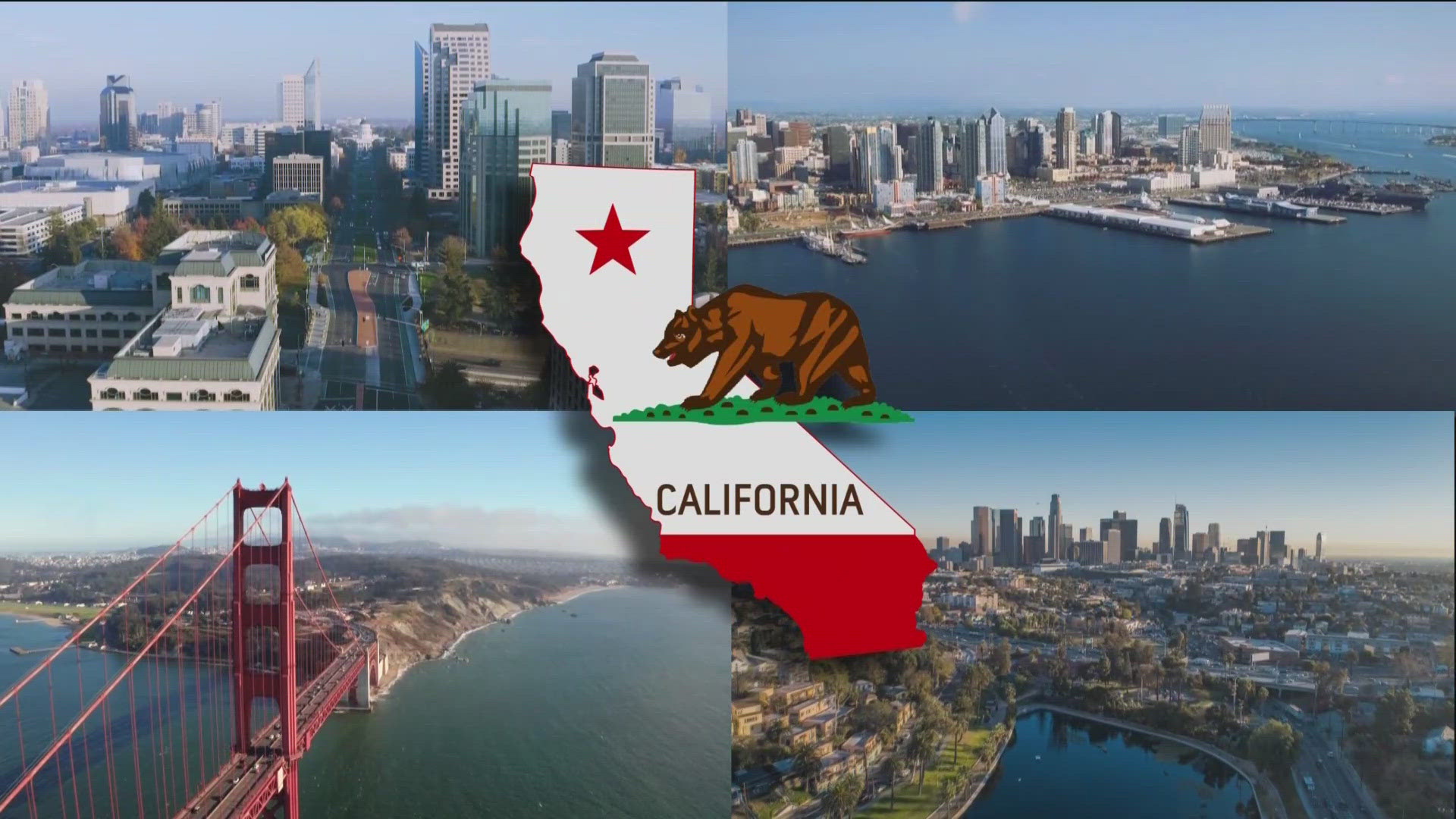
Imagine a world where California operates as an independent republic. What would this mean for the global traveler seeking adventure in Los Angeles, relaxation in Napa Valley, or inspiration in Yosemite National Park? How would its iconic landmarks, world-class hotels, and vibrant local cultures adapt to the dawn of self-governance? This exploration delves into the potential realities and romantic notions of an independent California, viewed through the lens of a discerning traveler.
The Golden State’s Grand Ambition: A Vision of Independence
For many, California is more than just a state; it’s a state of mind. Its ethos of innovation, individualism, and forward-thinking has shaped not only American culture but global trends in technology, entertainment, and lifestyle. The concept of an independent California taps into this very essence, proposing a future where its distinctive character can flourish unbounded.
Historical Roots and Modern Day Drivers
The historical narrative of California is rife with instances of self-determination, from its brief period as the Bear Flag Republic in 1846 to its distinctive political leanings today. Its sheer size, both geographically and economically, often sets it apart from other states. Modern secessionist movements, while niche, often cite divergences in political values, regulatory frameworks, and fiscal contributions as reasons for independence. Proponents envision a country that could more directly address issues like climate change, economic inequality, and technological advancement on its own terms, free from federal constraints.
From a traveler’s perspective, this self-identity is already palpable. Whether you’re exploring the historic missions in Santa Barbara, soaking in the bohemian vibes of San Francisco, or marveling at the desert landscapes of Death Valley, there’s a distinct “Californian” feel that transcends regional differences. An independent California would likely lean into this unique identity even further, potentially offering a more streamlined, singular national brand for tourism and cultural exchange.
The Economic Engine: Powering a New Nation
At the heart of any argument for California’s independence lies its formidable economy. Were it a sovereign nation today, its GDP would place it among the top global economies, surpassing countries like India and Germany. This economic prowess is driven by diverse sectors, including the unparalleled technological innovation of Silicon Valley, the agricultural abundance of the Central Valley, the entertainment juggernaut of Hollywood, and a thriving tourism industry.
For travelers, this economic strength means an independent California would likely retain and expand its sophisticated infrastructure. Think advanced transportation networks, world-class hotels and resorts like the Ritz-Carlton, Laguna Niguel or the Four Seasons Hotel Los Angeles at Beverly Hills, and a continued commitment to sustainable practices that attract eco-conscious visitors. The tech sector could further innovate travel technologies, from seamless booking experiences to augmented reality guides for exploring landmarks. The entertainment industry would continue to draw visitors seeking a glimpse behind the scenes, potentially even offering unique national film incentives.
Crafting a National Identity: Culture, Tourism, and Lifestyle
The prospect of an independent California invites a fascinating reimagining of its national identity, particularly how it would present itself to the world as a distinct travel destination. With the power to shape its own image, California could refine its tourism strategy, highlight its unique culture, and solidify its reputation as a lifestyle trendsetter.
Iconic Destinations: Beyond the Golden Gate
The list of California’s attractions is virtually endless, ranging from natural wonders to urban marvels. As an independent nation, these would become its national treasures, promoted with a unified vision.
- Natural Wonders: Yosemite National Park, with its towering granite cliffs and ancient Giant Sequoias, would be a centerpiece, alongside the majestic forests of Redwood National Park, the stunning coastal vistas of Big Sur, and the surreal beauty of Joshua Tree National Park. These would likely be managed under a new national parks service, potentially with specialized visas or entry requirements for foreign visitors.
- Urban Icons: Cities like San Francisco with its iconic Golden Gate Bridge, historic Alcatraz Island, and bustling Fisherman’s Wharf would become capital cities of culture and commerce. Los Angeles would cement its status as the entertainment capital, with attractions like Universal Studios Hollywood, the Hollywood Sign, and the Griffith Observatory. San Diego would offer its vibrant Balboa Park and historic Gaslamp Quarter as premier coastal destinations.
- Unique Experiences: The wine regions of Napa Valley and Sonoma County would be celebrated as national industries, attracting connoisseurs worldwide. Theme parks like Disneyland and Legoland California would become national entertainment complexes, drawing families from every corner of the globe. The arts and culture scene, from the Getty Center to the Walt Disney Concert Hall, would be promoted as hallmarks of California’s intellectual and creative prowess.

Each of these sites would require careful branding and management under an independent government, ensuring that visitor experiences are seamless, memorable, and reflective of the new nation’s values.
A Culinary Journey: Taste of a New Nation
California’s culinary scene is a microcosm of its diversity – a fusion of international influences, farm-to-table freshness, and innovative gastronomy. As an independent country, its unique food culture would undoubtedly become a significant draw for tourism. From the artisanal cheeses and world-renowned wines of Paso Robles to the vibrant street food of Los Angeles and the fresh seafood of Monterey Bay, the nation would offer a palate-pleasing journey. Local markets, celebrated chefs, and food festivals like the Coachella Valley Music and Arts Festival‘s food offerings, would be central to its cultural identity, providing travelers with authentic and unforgettable experiences. The emphasis on organic, sustainable, and locally sourced ingredients would likely become a defining characteristic of its national cuisine, appealing to health-conscious and gourmet travelers alike.
Lifestyle Under the California Sun: From Luxury to Adventure
The “California lifestyle” is globally recognized – a blend of laid-back charm, active outdoor pursuits, and an embrace of luxury. An independent California would have the opportunity to curate this image, catering to a wide spectrum of travelers.
- Luxury Travel: Destinations like Beverly Hills, Palm Springs, and Carmel-by-the-Sea would continue to attract those seeking opulent resorts, exclusive shopping, and fine dining. The nation could further invest in high-end accommodations, private villas, and bespoke travel experiences, solidifying its position as a premier luxury destination. Golf resorts in Pebble Beach would be international attractions.
- Adventure and Outdoor Pursuits: The Sierra Nevada Mountains would be a national playground for skiing, hiking, and mountaineering, while the vast coastline would continue to be a mecca for surfing, sailing, and beach tourism. Lake Tahoe would remain a four-season adventure hub. An independent government might invest in eco-tourism initiatives, preserving its natural beauty while making it accessible for sustainable adventure.
- Family and Business Stays: From the family-friendly attractions of Anaheim to the sprawling convention centers in San Francisco and Los Angeles, California offers diverse accommodation options. An independent nation would likely streamline booking processes, ensure competitive pricing, and maintain high standards for all types of travelers, from business executives staying at the Marriott Marquis San Francisco to families enjoying beachfront apartments in Laguna Beach.
The Practicalities of Secession: Navigating a Complex Future
While the vision of an independent California is alluring, the practicalities of such a transition are immensely complex, particularly for a globalized industry like travel and tourism.
Border Crossings and International Relations
One of the most immediate impacts would be the establishment of new borders. Traveling from what was once the contiguous United States into California would involve international border crossings, potentially requiring passports and visas. This could deter casual cross-border travel, impacting tourism from neighboring states like Nevada and Arizona, which currently enjoy easy access to California’s attractions. However, it could also elevate California’s status as a unique international destination, much like a trip to Canada or Mexico is today.
Establishing diplomatic relations, currency, and trade agreements would be paramount. A newly independent California would need to negotiate favorable travel policies to maintain its robust tourism sector. Imagine reciprocal visa programs or special tourism agreements with key markets, ensuring that visitors continue to flock to its shores without undue bureaucratic hurdles.
The Future of Hospitality and Travel Infrastructure
The hospitality sector, encompassing everything from luxury resorts to budget hostels, would face a significant transition. Existing hotel chains with properties like the Fairmont San Francisco or The Inn at Spanish Bay would need to navigate new national regulations, taxation, and labor laws. This could lead to both challenges and opportunities. On one hand, initial uncertainty might cause hesitation; on the other, a stable, wealthy, and forward-looking independent California could attract new investments in its hotel and accommodation sector, perhaps even fostering a uniquely “Californian” brand of hospitality that emphasizes sustainability, technology, and local culture.
Infrastructure development, from airports to roadways, would also fall under national purview. California already boasts some of the world’s busiest airports and an extensive highway system. An independent government could strategically invest in upgrading these facilities to international standards, improving connectivity and enhancing the travel experience for both domestic and international visitors. This could include high-speed rail projects, expansion of existing terminals, and smart city initiatives in major urban centers like Sacramento, its potential capital.

Conclusion: A Dream or a Destination?
The question “Can California Become Its Own Country?” is less about political inevitability and more about the power of imagination. From a travel, tourism, and lifestyle perspective, the implications are fascinating. An independent California would undoubtedly be a magnetic global destination, offering a unique blend of innovation, natural beauty, cultural richness, and diverse experiences. Its economic strength and distinctive identity position it well to thrive as a sovereign nation, though the path to independence would be fraught with geopolitical, economic, and social complexities.
For those dreaming of new horizons, an independent California represents the ultimate in travel aspirations: a chance to explore a brand-new nation, steeped in a familiar yet distinct culture. Whether it remains a golden dream or evolves into a concrete destination, the very contemplation of “Calexit” underscores the profound impact California already has on the world, shaping our ideas of lifestyle, innovation, and what it means to travel. It reminds us that even within established borders, some places possess a spirit so unique, they almost feel like countries unto themselves.
LifeOutOfTheBox is a participant in the Amazon Services LLC Associates Program, an affiliate advertising program designed to provide a means for sites to earn advertising fees by advertising and linking to Amazon.com. Amazon, the Amazon logo, AmazonSupply, and the AmazonSupply logo are trademarks of Amazon.com, Inc. or its affiliates. As an Amazon Associate we earn affiliate commissions from qualifying purchases.