
For many, the allure of California’s sun-drenched beaches, iconic coastal cities, and dramatic shorelines offers the quintessential escape. From the golden sands of Santa Monica to the rugged cliffs of Big Sur, millions of tourists flock to the Pacific Ocean coastline annually. However, beneath this picturesque veneer lies a geological reality that often prompts a vital question for safety-conscious travelers: can California experience a tsunami? The straightforward answer is yes, and understanding this potential, along with preparedness measures, is crucial for anyone planning to enjoy the Golden State’s magnificent coast responsibly.
California’s Seismic Landscape and Tsunami Potential
California’s location along the seismically active Pacific Ring of Fire makes it inherently susceptible to earthquakes, which are the primary triggers for tsunamis. This geological setting is a fundamental aspect of understanding why tsunami risk is a relevant topic for tourists visiting the state.
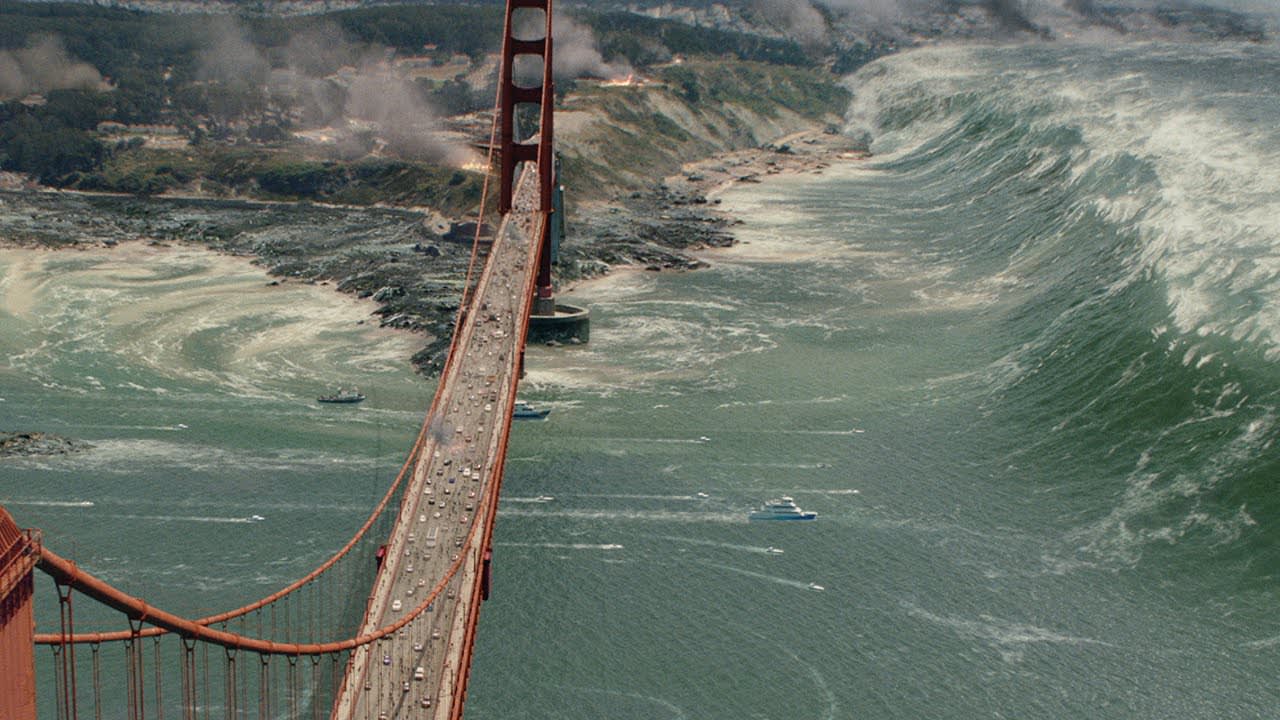
The Ring of Fire Connection
The Pacific Ring of Fire is a vast horseshoe-shaped zone of frequent earthquakes and volcanic eruptions that encircles the Pacific Ocean. California sits on the eastern edge of this dynamic region, where the Pacific Plate interacts with the North American Plate. While many of California’s most well-known faults, like the San Andreas Fault, are strike-slip faults that cause horizontal motion and are less likely to generate large tsunamis directly, the broader regional tectonics present a different picture.
Distant vs. Local Tsunami Threats
The tsunami threat to California can be broadly categorized into two types: distant-source and local-source tsunamis.
- Distant-Source Tsunamis: These are generated by powerful earthquakes far across the Pacific Ocean, such as those occurring off the coasts of Alaska, Japan, or Chile. When these massive submarine earthquakes displace large volumes of water, they can send destructive waves radiating across the ocean basin. While it takes several hours for these waves to reach California’s shores, the delay allows for official warnings and, crucially, for coastal communities and tourists to evacuate low-lying areas. Historically, California has experienced damage from distant tsunamis, most notably from the 1964 Alaska earthquake and the 2011 Japan earthquake, which caused significant harbor damage and coastal flooding in various locations, including Crescent City in Humboldt County and parts of Santa Cruz.
- Local-Source Tsunamis: These are far less common but potentially more dangerous due to the extremely short warning times, sometimes mere minutes. A local-source tsunami affecting California would typically be generated by a very strong earthquake occurring directly offshore or by underwater landslides triggered by such an earthquake. The most significant threat for a local-source tsunami comes from the Cascadia Subduction Zone, located off the coast of northern California, Oregon, and Washington State. This zone is capable of producing “megathrust” earthquakes that could generate a devastating tsunami reaching northern California in as little as 15-20 minutes. Southern California also has offshore faults that, while not as prone to megathrust events, could trigger local tsunamis or landslide-induced waves.
Tsunami Preparedness: Essential Knowledge for Tourists
Understanding the risk is the first step; knowing what to do is paramount for ensuring a safe and enjoyable trip. California has robust systems in place for tsunami detection and warning, and tourists play a vital role in their own safety by being informed.
Official Warning Systems and Emergency Alerts
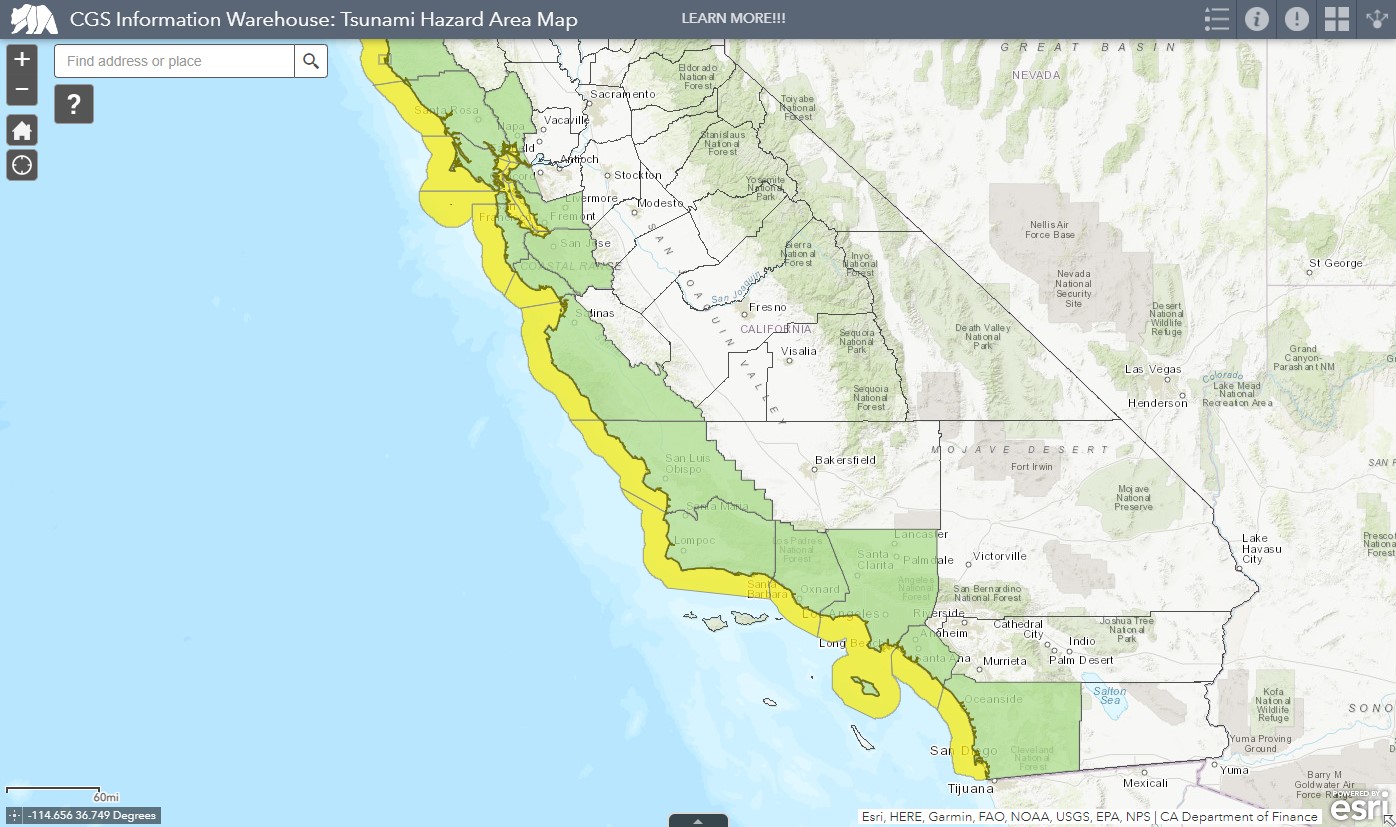
The primary alert system for tsunamis affecting California is managed by the National Oceanic and Atmospheric Administration’s (NOAA) Tsunami Warning System. This system monitors seismic activity and ocean buoys across the Pacific to detect potential tsunami-generating events. If a threat is identified, warnings, advisories, or watches are issued to coastal communities.
For tourists, it’s important to:
- Pay attention to official alerts: These can come via local radio and television broadcasts, outdoor sirens, emergency alert systems (like Wireless Emergency Alerts on cell phones), and public safety officials.
- Understand the terminology: A “tsunami watch” means a tsunami is possible; a “tsunami advisory” means dangerous currents or waves are expected; a “tsunami warning” means a dangerous tsunami is imminent or expected. Evacuation is generally recommended for advisories and mandatory for warnings.
- Know your immediate surroundings: Many coastal hotels and public areas will have information on evacuation routes and assembly points. Upon arrival, take a moment to locate these.
Recognizing Natural Tsunami Warnings
For local-source tsunamis, official warnings may not arrive before the waves. Therefore, recognizing natural warning signs is critical:
- A strong earthquake: If you are on the coast and experience an earthquake strong enough to make it difficult to stand, drop, cover, and hold on. Once the shaking stops, immediately move to higher ground as quickly as possible. Do not wait for an official warning.
- A sudden receding of the ocean: If the ocean pulls back unusually far, exposing the seafloor, this is a clear sign that a tsunami wave is approaching. Do not go to investigate; immediately move to higher ground.
- A loud ocean roar: A sudden, unusually loud roar coming from the ocean can also be a sign of an approaching tsunami.
Planning a Safe Coastal Visit to California
Integrating tsunami awareness into your travel plans doesn’t mean foregoing a beach vacation; it simply means being a more informed and prepared visitor.
Before You Go: Research and Resources
Before heading to California’s coast, a little preparation goes a long way:
- Check local emergency management websites: Counties like Los Angeles County, San Diego County, or cities like San Francisco and Long Beach often have dedicated emergency preparedness sections that include tsunami safety maps and guidelines specific to their areas. The California Office of Emergency Services (CalOES) also provides statewide resources.
- Identify higher ground: Look at maps of your destination and identify potential safe zones that are at least 100 feet (30 meters) above sea level or at least 1-2 miles (1.6-3.2 km) inland. Many coastal communities have “Tsunami Evacuation Route” signs.
- Discuss with your travel companions: Ensure everyone in your group, especially children, understands the basic safety protocols.
During Your Stay: Vigilance and Action
While enjoying the sun and surf, maintain a degree of situational awareness:
- Stay informed: Keep an eye on local news, especially if you’re in an area prone to seismic activity or if there have been recent large earthquakes elsewhere in the Pacific Ring of Fire.
- Heed warnings: If an official tsunami warning is issued or you observe natural warning signs, do not hesitate. Immediately evacuate to designated safe areas. Travel on foot if possible, as roads can quickly become congested.
- Stay away from the coast: Even after the first wave, subsequent waves can be larger and arrive hours later. Do not return to the coast until authorities declare it safe.
Embracing California’s Coastal Charm Responsibly
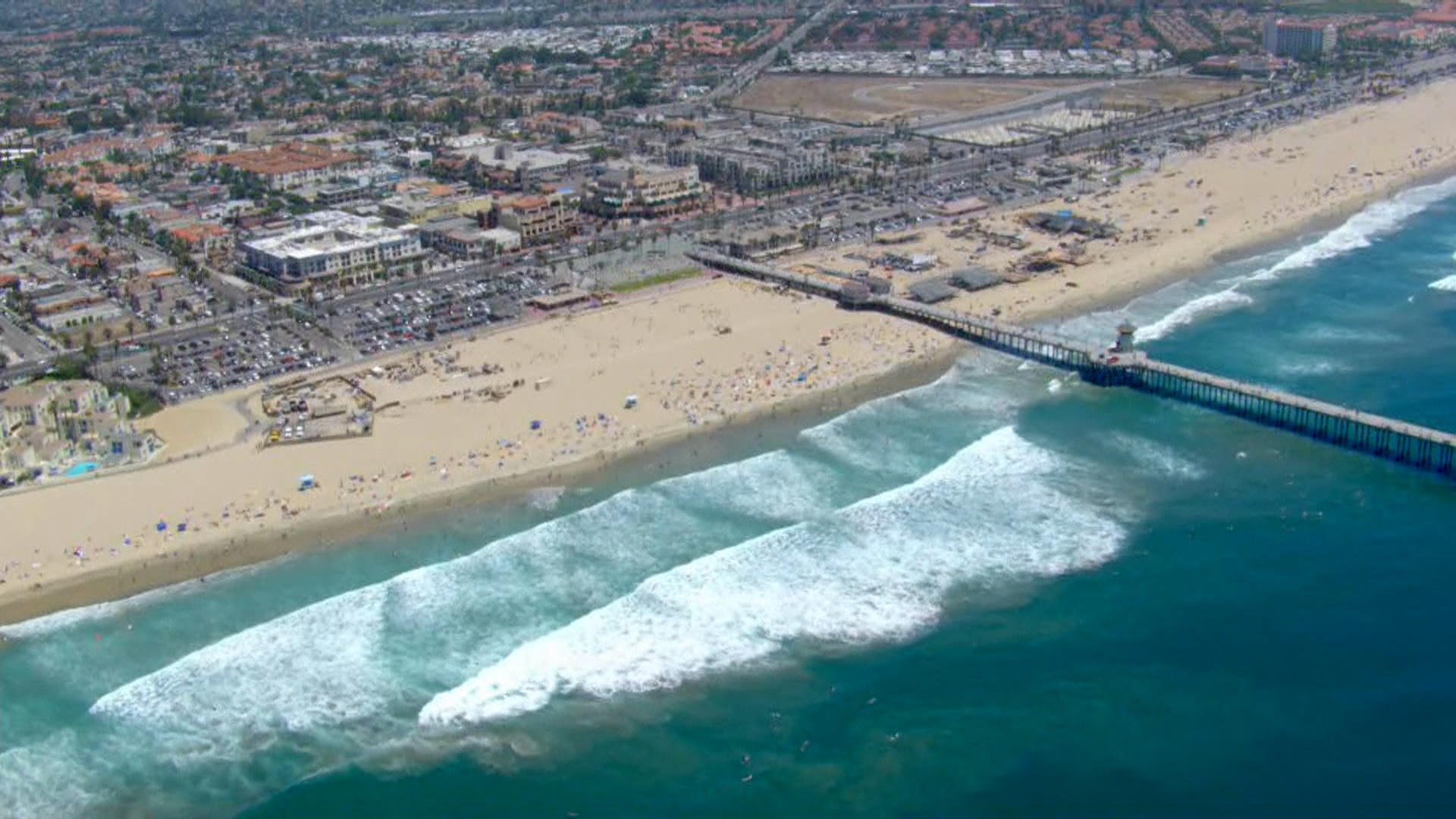
The possibility of a tsunami is a real, albeit low-probability, consideration for any visitor to California’s stunning coastline. However, this reality should not deter tourists from experiencing the vibrant culture, breathtaking natural beauty, and myriad activities the state offers. From surfing lessons in Malibu to exploring marine life in Monterey Bay, and savoring fresh seafood in San Diego, the coastal experience remains unparalleled.
By understanding the geological context, familiarizing yourself with official warning systems, recognizing natural signs, and knowing your evacuation routes, you empower yourself to react appropriately should the unlikely event occur. California’s coastal communities are resilient and well-prepared, and with informed tourists acting as responsible partners, the Golden State continues to offer safe and unforgettable memories for all who visit. Enjoy the majestic Pacific – with respect for its power and preparedness for its possibilities.
LifeOutOfTheBox is a participant in the Amazon Services LLC Associates Program, an affiliate advertising program designed to provide a means for sites to earn advertising fees by advertising and linking to Amazon.com. Amazon, the Amazon logo, AmazonSupply, and the AmazonSupply logo are trademarks of Amazon.com, Inc. or its affiliates. As an Amazon Associate we earn affiliate commissions from qualifying purchases.