
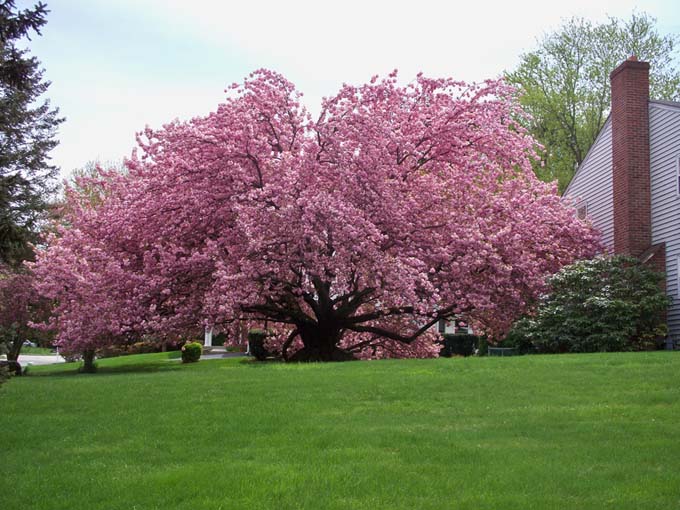
Florida, a state renowned for its perpetual sunshine, lush tropical foliage, and vibrant citrus groves, might not be the first place that springs to mind when envisioning the delicate beauty of cherry blossoms. Traditionally associated with cooler climates and distinct spring seasons, these iconic flowers evoke images of Japan and Washington D.C. However, the persistent allure of their ephemeral bloom has led many to wonder if a touch of that Eastern elegance could grace the Sunshine State. The answer, while complex, leans towards a qualified “yes,” with specific varieties and careful cultivation proving key to success.
Understanding the Cherry Blossom’s Needs
The allure of the cherry blossom lies not just in its visual splendor but also in its symbolic significance. In many cultures, they represent renewal, hope, and the fleeting nature of life. However, their cultivation is intrinsically tied to specific environmental conditions that are not universally met.
Climate Requirements
True cherry blossoms, particularly the ornamental Japanese varieties like Prunus serrulata, thrive in temperate climates with a distinct winter chill. This period of dormancy, known as vernalization, is crucial for the tree to break bud and produce its characteristic floral display. The chill hours – the number of hours below a certain temperature (typically 45°F or 7°C) that a plant experiences during winter – are a critical factor. Regions with mild winters, such as much of Florida, often lack the sufficient chill hours required by many popular cherry blossom cultivars. This can lead to delayed or absent flowering, stunted growth, or increased susceptibility to pests and diseases.
Soil and Sunlight
Beyond temperature, cherry blossoms, like most trees, have specific soil and sunlight needs. They prefer well-draining soil that is slightly acidic to neutral. Waterlogged conditions can lead to root rot, a common killer of ornamental trees. Ample sunlight is also essential for healthy growth and abundant flowering. While Florida offers plenty of sunshine, the high humidity and intense summer heat can also pose challenges, especially for newly established trees.
Cherry Blossom Varieties Suitable for Florida
While the classic Japanese cherry blossom might struggle in Florida’s warmer climate, horticulturalists have developed and identified certain varieties that exhibit a greater tolerance for warmer temperatures and lower chill hour requirements. These are often hybrids or cultivars specifically bred for adaptability.
Low-Chill Varieties
The key to successful cherry blossom cultivation in Florida lies in selecting “low-chill” or “no-chill” varieties. These cultivars have a reduced need for winter dormancy, allowing them to flower even in warmer climates.
- Prunus x yedoensis ‘Yoshino’: While traditionally a mid-chill variety, certain microclimates within Florida, particularly in the northern parts of the state, might provide enough chill for occasional flowering. However, it’s not a guaranteed performer.
- Prunus campanulata (Taiwan Cherry): This species, native to Taiwan, is far more suited to warmer climates. It produces vibrant pink to red flowers and can thrive in USDA hardiness zones 8-10, which encompass a significant portion of Florida. Its flowering period often occurs earlier than traditional Japanese varieties, sometimes as early as late winter.
- Prunus cerasoides (Himalayan Cherry): Another species that can tolerate warmer winters, Prunus cerasoides offers beautiful pink blooms. It is often more adaptable and can produce flowers with fewer chill hours than its Japanese counterparts.
- Hybrid Cultivars: Ongoing horticultural research and development have led to the creation of various hybrid cultivars that combine desirable traits from different cherry species. Some of these hybrids are specifically bred for their ability to flower in warmer regions. It is crucial for Florida gardeners to seek out cultivars specifically recommended for the state’s unique climate.
Choosing the Right Location and Planting
Even with the correct variety, the success of cherry blossoms in Florida hinges on thoughtful site selection and proper planting techniques.
Soil Preparation and Drainage
Florida soils can vary significantly, but many areas, especially along the coast, tend to be sandy and may require amendments to improve their ability to retain moisture and nutrients. Conversely, some inland areas might have heavier clay soils that require significant drainage improvement.
- Amendments: Incorporating organic matter such as compost or aged bark mulch can significantly improve soil structure, drainage, and fertility. For heavier clay soils, adding coarse sand or gravel can also aid in drainage.
- Raised Beds: In areas with notoriously poor drainage or high water tables, planting cherry blossoms in raised beds is an excellent strategy to ensure the roots do not sit in waterlogged soil.
Sunlight and Wind Protection

While cherry blossoms need sun, the intense Florida sun, particularly during the peak summer months, can be scorching.
- Partial Shade: In the hottest parts of Florida, providing some afternoon shade can be beneficial for young or newly transplanted trees. This can be achieved by planting them near larger, established trees or structures that cast shade during the hottest part of the day.
- Windbreaks: Strong winds, common in Florida due to its proximity to the coast and susceptibility to tropical weather systems, can damage delicate blossoms and branches. Planting cherry blossoms in a location protected from prevailing winds, or establishing a windbreak with other sturdy trees or shrubs, can help.
Cultivation and Care for Florida Cherry Blossoms
Once planted, the ongoing care for cherry blossoms in Florida requires attention to their specific needs, differing slightly from their cultivation in cooler climates.
Watering and Fertilization
Consistent moisture is vital, especially during the establishment phase. However, overwatering is a significant risk in Florida’s humid environment.
- Watering Schedule: Water deeply but infrequently, allowing the soil to dry slightly between waterings. During dry spells, more frequent watering might be necessary. The goal is to keep the soil consistently moist but not saturated.
- Fertilization: Cherry blossoms generally do not require heavy fertilization. A balanced, slow-release fertilizer applied in early spring before new growth begins is usually sufficient. Over-fertilizing can lead to excessive leafy growth at the expense of flowering and can make the tree more susceptible to pests.
Pest and Disease Management
Florida’s warm, humid climate can be a breeding ground for certain pests and diseases that can affect cherry trees.
- Fungal Diseases: Powdery mildew, brown rot, and leaf spot are common fungal issues in humid regions. Good air circulation, proper pruning to open up the canopy, and avoiding overhead watering can help mitigate these problems. Fungicides may be necessary in severe cases.
- Insects: Aphids, scale insects, and borers can also be a concern. Regular monitoring of the tree for any signs of infestation is crucial. Horticultural oils, insecticidal soaps, or other appropriate treatments can be used to manage insect populations. Planting resistant varieties and maintaining a healthy tree are the best defenses.
Pruning Strategies
Pruning plays a vital role in shaping the tree, encouraging flowering, and maintaining its health.
- Timing: The best time to prune ornamental cherry trees is typically immediately after they have finished flowering. This allows the tree to heal before the growing season and ensures that any potential flower buds for the following year are not removed.
- Techniques: Pruning should focus on removing dead, diseased, or crossing branches. Thinning out the canopy can improve air circulation, which is particularly important in humid climates. Shaping the tree to maintain an aesthetically pleasing form is also part of the pruning process.
The Blooming Experience in Florida
While the iconic spectacle of vast cherry blossom landscapes might be less common in Florida, the presence of these delicate blooms offers a unique and cherished experience. For those willing to select the right varieties and provide attentive care, the reward is a beautiful, albeit perhaps more localized, display of spring’s arrival.
Creating Your Own Blossom Oasis
Bringing cherry blossoms to Florida is less about replicating the mass plantings of Kyoto or Washington D.C. and more about cultivating a personal sanctuary of floral beauty. Even a single well-placed tree can transform a garden.
- Backyards and Courtyards: A low-chill variety planted in a well-prepared area of a backyard or courtyard can provide a stunning focal point. Imagine enjoying a morning coffee under the soft pink or white petals, a welcome departure from the usual tropical greenery.
- Community Gardens and Public Spaces: Enthusiastic gardeners and local horticultural societies can play a significant role in introducing these trees to community gardens or public parks. This allows more people to enjoy the fleeting beauty and fosters a sense of shared appreciation for nature’s artistry.
Seasonal Appeal and Anticipation
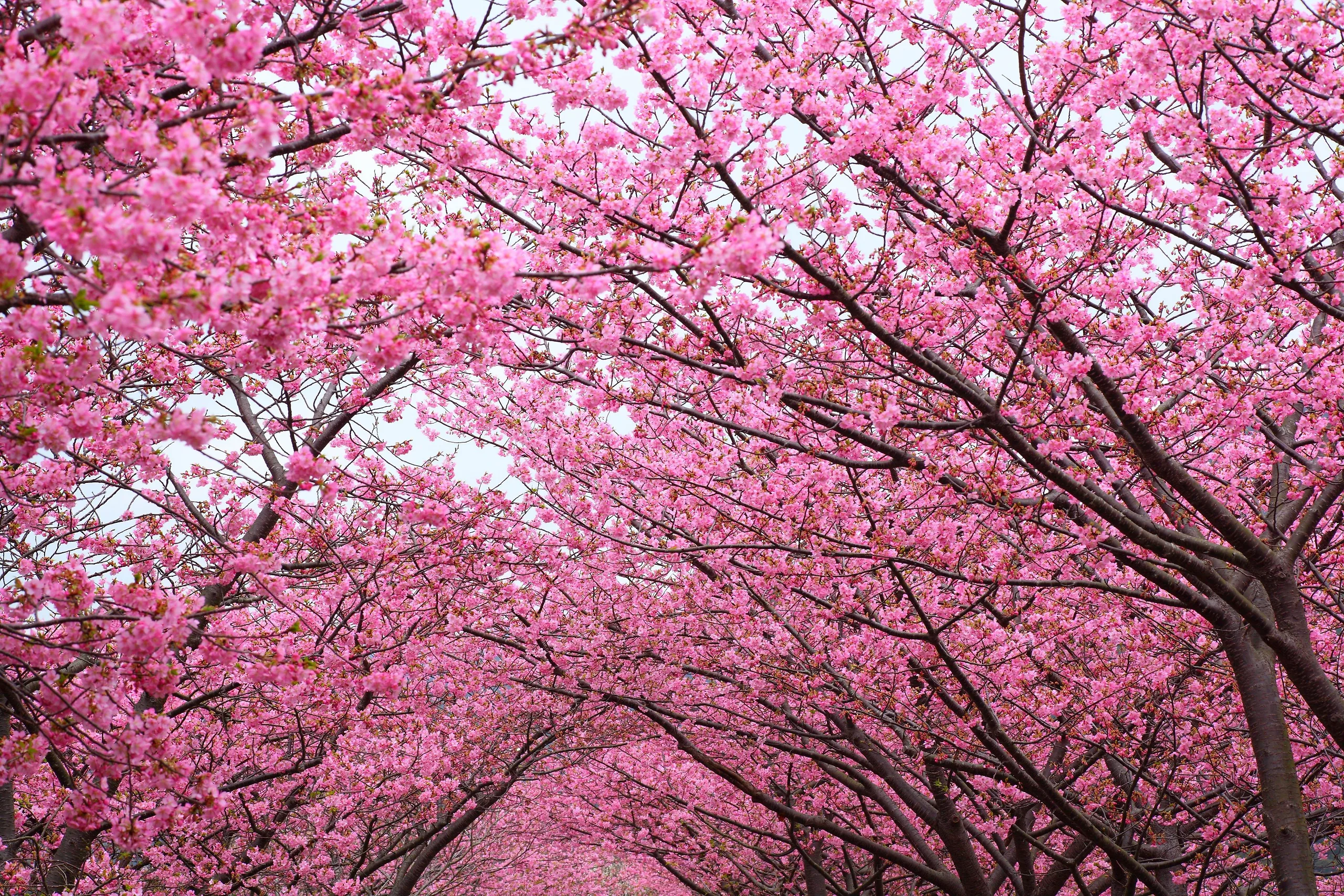
The flowering of cherry blossoms in Florida often occurs earlier in the year than in more temperate zones, sometimes appearing as early as January or February. This makes them a delightful harbinger of spring, offering a burst of color when many other plants are still dormant. The anticipation of their bloom, the careful watching of buds swell, and the final explosion of delicate petals create a sense of wonder and excitement. The ephemeral nature of the bloom only amplifies its preciousness, reminding us to savor these beautiful moments. For residents and visitors alike, discovering a blooming cherry tree in Florida is a special encounter, a testament to the adaptability of nature and the dedication of those who nurture it.
LifeOutOfTheBox is a participant in the Amazon Services LLC Associates Program, an affiliate advertising program designed to provide a means for sites to earn advertising fees by advertising and linking to Amazon.com. Amazon, the Amazon logo, AmazonSupply, and the AmazonSupply logo are trademarks of Amazon.com, Inc. or its affiliates. As an Amazon Associate we earn affiliate commissions from qualifying purchases.