
The allure of cherry blossoms is undeniable. Images of delicate pink and white petals blanketing the landscape evoke a sense of springtime magic, a fleeting beauty that heralds warmer days and new beginnings. For many, this romantic vision is intrinsically tied to destinations like Japan, or perhaps parts of the United States like Washington D.C. or New England. However, for those residing in the Sunshine State of Florida, a question often arises: can these iconic trees thrive in such a different climate? The answer, while not a simple yes or no, is nuanced and depends heavily on understanding the specific needs of cherry trees and the unique environmental conditions Florida presents.
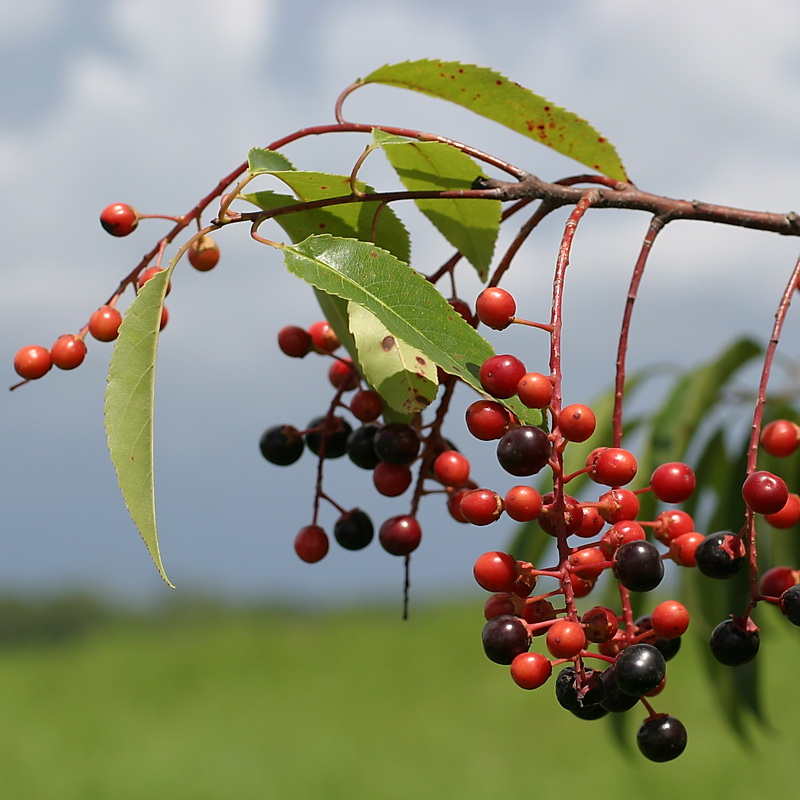
Understanding Cherry Tree Climate Requirements
Cherry trees, botanically classified under the genus Prunus, are a diverse group with varied needs. However, the most commonly cultivated varieties, particularly those prized for their ornamental blossoms or delicious fruit, share a fundamental requirement: a period of winter chill. This “chill factor” is crucial for breaking the dormancy of the flower buds. Without sufficient cold temperatures, the buds will not develop properly, leading to poor or non-existent flowering and, consequently, no fruit.
The number of “chill hours” – the cumulative hours below a specific temperature threshold, typically between 32°F and 45°F (0°C and 7°C) – required varies significantly by cherry cultivar. Sweet cherry varieties, for instance, generally demand more chill hours than sour cherries. This dependency on cold spells is the primary reason why traditional cherry orchards are found in temperate regions with distinct, cold winters.
Florida, as many know, is characterized by its subtropical to tropical climate. While the northern parts of the state do experience cooler winters compared to the southern regions, the consistently mild temperatures and infrequent deep freezes mean that most areas fall short of the chill hour requirements for many popular cherry varieties. This climatic mismatch is the central challenge when considering cherry tree cultivation in Florida.
The Chill Factor Challenge in Florida
The average annual chill hours in Florida vary considerably. Northern Florida, particularly areas like Tallahassee or Jacksonville, can receive between 200 to 600 chill hours in a good year. Central Florida, including cities like Orlando and Tampa, typically receives much less, often ranging from 50 to 250 chill hours. South Florida, from Miami to the Florida Keys, receives very few, often less than 50 chill hours, making it largely unsuitable for most traditional cherry varieties.
This deficit in winter chill means that common cherry trees like the Bing, Rainier, or Stella are highly unlikely to produce a satisfactory bloom or yield fruit in most of Florida. The trees might survive, and even exhibit some leaf growth, but the critical physiological process of bud development will be severely hampered. This leads to sparse flowering, if any, and a significant reduction in fruit production.
For travelers planning a visit to Florida hoping to catch a glimpse of cherry blossoms, it’s important to manage expectations. Unlike the widespread, iconic displays seen in other parts of the world, a spontaneous cherry blossom spectacle is rare in the Sunshine State. Those seeking such natural beauty would be better advised to plan trips to destinations known for their cherry blossom seasons, such as Japan in the spring or Washington D.C. during the National Cherry Blossom Festival.
Exploring Cherry Tree Varieties Suitable for Florida
Despite the general challenges, the prospect of growing cherry trees in Florida is not entirely impossible. The key lies in identifying and selecting specific cultivars that have been bred or naturally adapted to warmer climates and require significantly fewer chill hours. Horticulturalists and plant breeders have been working to develop these “low-chill” varieties, expanding the geographical range where these trees can be successfully grown.
Low-Chill Cherry Cultivars: A Glimmer of Hope
Several low-chill cherry varieties are available that can perform reasonably well in Florida, particularly in the northern and central parts of the state. These cultivars have been developed to thrive with as little as 100 to 300 chill hours, making them a viable option for Florida residents who are willing to put in the effort.
One of the most promising options is the ‘Florida’ cherry tree (Prunus campanulata). This native species, often referred to as the Taiwan cherry, is a more delicate and ornamental tree that produces beautiful pink to reddish-pink flowers in late winter or early spring, often before the leaves emerge. It requires very little chilling and is well-suited to Florida‘s climate. While it doesn’t produce the large, edible cherries typically associated with the fruit-bearing varieties, its ornamental value is significant. It’s a fantastic choice for landscaping and brings a touch of floral beauty to the winter garden. This tree can be found in botanical gardens and is a popular choice for those seeking to add a touch of springtime color to their Florida landscape.
Another category to consider are certain Japanese plum varieties (Prunus salicina) that are sometimes referred to as cherries due to their similar flowering habits and general appearance. Some of these plum trees are known to produce edible fruit and can thrive in warmer climates with lower chill hours. While technically plums, they can offer a similar aesthetic and the promise of fruit. Researching specific Prunus salicina cultivars recommended for Florida is essential, as not all plum varieties are suitable.
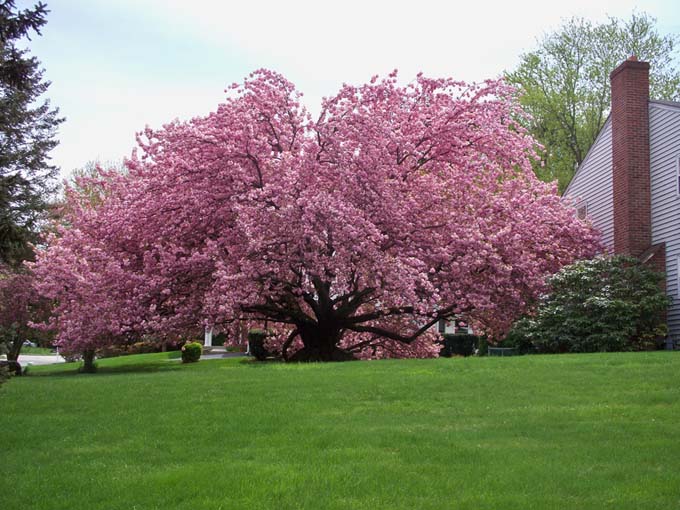
For those specifically interested in fruit production, there are low-chill sweet cherry and sour cherry hybrids that have shown promise in Florida. Examples include varieties like ‘Miyako’, ‘Kathleen’, or certain Duke cherries that have lower chilling requirements. However, success with these fruit-bearing varieties is not guaranteed and often depends on meticulous care, proper site selection, and the luck of a slightly cooler winter. Fruit yields may be lower than in traditional cherry-growing regions, and the fruit quality might differ.
It’s crucial for aspiring cherry growers in Florida to consult with local University of Florida IFAS Extension experts or experienced nursery professionals. They can provide up-to-date recommendations on the best low-chill cherry varieties for specific microclimates within the state and offer guidance on planting, care, and pest management.
Cultivating Cherry Trees in the Florida Environment
Successfully growing cherry trees in Florida, even the low-chill varieties, requires more than just planting a sapling. The state’s unique environmental conditions present specific challenges and opportunities that must be addressed for optimal growth and health. Understanding these factors will greatly increase the chances of success, whether you are aiming for ornamental blooms or a modest fruit harvest.
Soil, Sunlight, and Water: Key to Success
Florida soils can vary widely, from sandy and well-draining to heavy clay. Cherry trees, like most fruit trees, prefer well-draining soil to prevent root rot. If your soil is heavy or prone to waterlogging, amending it with compost and organic matter or planting on raised beds is highly recommended. Good drainage is paramount, especially during Florida‘s rainy season.
Sunlight is another critical factor. Cherry trees need at least six to eight hours of direct sunlight per day to thrive and produce flowers and fruit. Choosing a location that receives ample sun, free from the shade of larger trees or buildings, is essential.
Water management is crucial in Florida. While young trees require consistent watering to establish their root systems, mature trees are more drought-tolerant. However, during prolonged dry spells, supplemental watering is necessary. Conversely, overwatering can be detrimental. The key is to ensure the soil is moist but not saturated. Drip irrigation systems can be an effective way to deliver water directly to the root zone.
Pest and Disease Management in Subtropical Climates
Florida‘s warm and humid climate can create a breeding ground for various pests and diseases that can affect cherry trees. Common issues include fungal diseases like brown rot, powdery mildew, and leaf spot. Insect pests such as aphids, scale insects, and certain fruit flies can also be problematic.
Implementing an integrated pest management (IPM) strategy is vital. This involves a combination of preventative measures and targeted treatments. Regular inspection of trees for signs of distress, early detection of pests or diseases, and prompt action are crucial. Choosing disease-resistant low-chill varieties can also help mitigate some of these challenges. Pruning to improve air circulation within the canopy can also help reduce the incidence of fungal diseases.
For travelers visiting Florida and staying in vacation rentals or resorts, you might find local nurseries offering advice on suitable trees for the region. If you’re staying at a place like the Disney’s Polynesian Village Resort in Orlando, you might inquire about their landscaping choices, as many resorts in Florida employ horticulturalists who are experts in managing the local environment. However, it’s important to remember that extensive cherry blossom displays are not a typical feature of the state’s natural flora.

Fruit Production and Harvest Considerations
For those who succeed in growing fruit-bearing low-chill cherry varieties, the harvest is a rewarding experience. The fruit typically ripens in late spring to early summer, coinciding with the end of the cooler season. The size and quantity of the fruit will likely be smaller than what is produced in traditional cherry-growing regions. However, the taste of home-grown Florida cherries can be incredibly satisfying.
Proper pruning techniques, adequate fertilization, and consistent pest management all play a role in maximizing fruit yield and quality. It’s important to be patient and realistic; growing fruit-bearing cherry trees in Florida is an endeavor that requires dedication and an understanding of the plant’s specific needs in this unique environment.
In conclusion, while the iconic, widespread cherry blossom displays of cooler climates are not a common sight in Florida, it is indeed possible to grow certain types of cherry trees in the Sunshine State. The success hinges on selecting low-chill varieties like the ‘Florida’ cherry for ornamental beauty or specific low-chill fruit-bearing cultivars for a modest harvest. With careful planning, appropriate site selection, diligent care, and an understanding of Florida‘s unique climate, you can enjoy the beauty and perhaps even the taste of cherries in your own backyard. For those planning a trip to Florida primarily for cherry blossom viewing, it’s advisable to explore other, more climatically suited destinations. However, for residents and gardeners in Florida, a touch of cherry tree magic is achievable with the right approach.
LifeOutOfTheBox is a participant in the Amazon Services LLC Associates Program, an affiliate advertising program designed to provide a means for sites to earn advertising fees by advertising and linking to Amazon.com. Amazon, the Amazon logo, AmazonSupply, and the AmazonSupply logo are trademarks of Amazon.com, Inc. or its affiliates. As an Amazon Associate we earn affiliate commissions from qualifying purchases.