
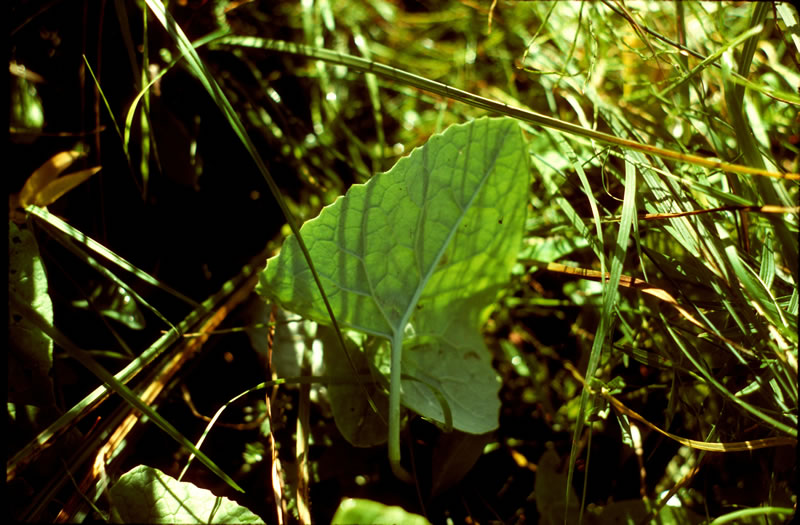
Coltsfoot (Tussilago farfara) is a hardy perennial herb that has a remarkable ability to colonize disturbed ground. Its common name, “coltsfoot,” is derived from the shape of its leaves, which resemble a horse’s hoofprint. Historically, coltsfoot has been recognized for its medicinal properties, particularly for respiratory ailments. However, its ecological preferences and potential for invasiveness are crucial considerations for understanding its distribution, especially in diverse and sometimes challenging environments like Alaska. This article explores the likelihood of coltsfoot thriving in the wooded areas of Alaska, examining the plant’s specific habitat requirements against the backdrop of the Alaskan landscape.

Understanding Coltsfoot’s Habitat Preferences
Coltsfoot is not a plant that shies away from challenging conditions. It is a pioneer species, often one of the first to appear in areas that have been disturbed by human activity or natural events. This resilience is largely due to its unique reproductive strategies and its ability to tolerate a range of soil types and light conditions.
Soil and Light Requirements
Coltsfoot prefers well-drained soils but can tolerate a variety of soil textures, including sandy, loamy, and even clay soils. It is often found in areas with exposed soil, such as roadsides, railway embankments, waste ground, and quarries. The plant is also known to thrive in nutrient-poor soils, which contributes to its ability to colonize areas where other plants may struggle.
In terms of light, coltsfoot is considered a sun-loving plant. It performs best in full sun but can tolerate partial shade. This tolerance for varying light conditions is important when considering its growth in wooded areas, where the canopy cover can significantly reduce the amount of sunlight reaching the forest floor. The density of the tree canopy, the type of trees present, and the understory vegetation all play a role in determining how much light penetrates to the ground.
Tolerance to Environmental Factors
Coltsfoot exhibits a notable tolerance for drought and can survive in drier conditions. However, it also tolerates moist soils, provided they are not waterlogged. Its rhizomatous root system allows it to spread aggressively, enabling it to quickly establish itself in new areas. This root system is also instrumental in its overwintering survival, storing energy to produce new growth in the spring. The plant is also known for its frost tolerance, with flowers often appearing before the leaves in early spring, sometimes even poking through lingering snow.
The Alaskan Environment: A Unique Ecosystem
Alaska is a state of vast and diverse landscapes, characterized by extreme climates, extensive wilderness, and unique ecological zones. Understanding these characteristics is key to assessing the potential for any non-native species to establish and thrive.
Alaskan Climate and Growing Seasons
The climate of Alaska varies significantly across its immense territory, from the maritime climate of the southeastern panhandle to the continental climate of the interior and the arctic climate of the north. Generally, Alaska experiences long, cold winters and short, cool summers. The growing season is particularly brief in many parts of the state, especially in the interior and northern regions. This short window for growth presents a significant challenge for many plant species, particularly those that require a longer period to mature and reproduce.
Alaskan Soil Types and Forest Cover
Alaska boasts a wide range of soil types, influenced by permafrost, glacial activity, and vegetation. In many interior and boreal forest regions, soils can be acidic and often thin, particularly where permafrost is present. The boreal forest itself, dominated by species like white spruce, black spruce, and paper birch, has a dense canopy that can limit light penetration to the forest floor. However, disturbances, such as wildfires, logging, or insect outbreaks, can create openings in the canopy, offering more light and potentially suitable conditions for pioneer species. Coastal areas and mountainous regions present different soil and vegetation profiles, with alpine tundra, coastal temperate rainforests, and other distinct ecosystems.
Coltsfoot in Alaskan Wooded Areas: A Conditional Possibility
Considering the ecological requirements of coltsfoot and the characteristics of the Alaskan environment, the growth of coltsfoot in wooded areas is not an outright impossibility, but rather a situation dictated by specific microhabitats and environmental conditions.
Factors Favoring Coltsfoot Establishment
- Disturbed Forest Edges and Openings: Coltsfoot is most likely to establish in wooded areas where disturbances have occurred. This could include areas impacted by logging, windthrow, or human trails that have created openings in the canopy. These disturbances can provide the necessary sunlight and expose mineral soil, conditions coltsfoot prefers.
- Roadsides and Trails within Wooded Regions: The transition zones along roads and hiking trails that cut through forests are prime candidates for coltsfoot colonization. These areas are inherently disturbed, often have compacted soil, and receive more direct sunlight than the deep forest.
- Riverbanks and Floodplains: In areas with riparian zones, particularly where natural disturbances like flooding create open, moist, and well-drained banks, coltsfoot might find suitable conditions.
- Areas with Reduced Competition: In very young, regenerating forests or in areas with a sparse understory, coltsfoot might be able to establish itself more readily due to less competition for light and resources.
Limiting Factors for Coltsfoot in Alaskan Forests
- Dense Canopy Cover: The primary limiting factor in mature, closed-canopy forests will be the lack of sufficient sunlight. The dense needles of spruce or the broad leaves of deciduous trees in summer can create deep shade that prevents coltsfoot from receiving the necessary light for photosynthesis.
- Short Growing Season and Cold Temperatures: While coltsfoot is hardy, the extremely short growing season in many parts of Alaska might limit its ability to complete its life cycle, especially if it relies on seed dispersal and establishment. Frosts can occur late into spring and early into fall, further shortening the effective growing period.
- Permafrost Soils: In areas with deep permafrost, the soil can be waterlogged during the brief summer thaw, which might not be ideal for coltsfoot’s preferred well-drained conditions, though it can tolerate moist soils. The instability of thawing permafrost can also be a challenge for establishment.
- Competition from Native Flora: Alaska has a diverse array of native plants that are well-adapted to its specific conditions. In areas where the native understory is robust, coltsfoot may face strong competition for light, water, and nutrients.
Case Studies and Observations
While comprehensive scientific studies specifically detailing coltsfoot’s presence and success in Alaskan wooded areas are limited, general observations about invasive and pioneer species in Alaska can provide insights. Many non-native species that have successfully established themselves in Alaska have done so in human-altered landscapes or along transportation corridors. For instance, species like white sweetclover (Melilotus albus) or smooth brome (Bromus inermis) have found niches along roadsides and in disturbed agricultural lands.
Coltsfoot’s similar pioneer characteristics suggest that if it were introduced to Alaska and encountered suitable disturbed microhabitats within wooded areas, it could potentially establish. Its early spring flowering, before most native plants leaf out, might give it a slight advantage in capturing early season sunlight. However, its long-term persistence would likely depend on the frequency and extent of disturbances that maintain open, sunny conditions, and its ability to outcompete or coexist with the resilient native flora. Documented instances of coltsfoot in Alaska are rare, with most anecdotal reports pointing to urban or disturbed areas rather than deep forests.

Conclusion: A Niche Occupant, Not a Forest Dominator
In conclusion, the question of whether coltsfoot can grow in wooded areas in Alaska yields a nuanced answer. While the dense, mature forests of Alaska are generally inhospitable to coltsfoot due to insufficient light, its known affinity for disturbed ground means it can certainly exist in pockets within or bordering these wooded environments.
Coltsfoot is most likely to be found along forest roads, logging trails, cleared areas, or any site within a wooded landscape that experiences significant soil disturbance and receives ample sunlight. Its ability to survive in a variety of soil types and its early spring growth habit are advantageous. However, the long Alaskan winters and the competitive pressure from well-adapted native species likely prevent it from becoming a widespread dominant plant within the natural forest floor. It remains a potential colonizer of specific, disturbed niches, rather than a characteristic inhabitant of typical Alaskan woodlands. Further ecological monitoring would be beneficial to track its distribution and impact within the unique ecosystems of Alaska.
LifeOutOfTheBox is a participant in the Amazon Services LLC Associates Program, an affiliate advertising program designed to provide a means for sites to earn advertising fees by advertising and linking to Amazon.com. Amazon, the Amazon logo, AmazonSupply, and the AmazonSupply logo are trademarks of Amazon.com, Inc. or its affiliates. As an Amazon Associate we earn affiliate commissions from qualifying purchases.