
Navigating the intricate landscape of civic participation can be challenging, especially for individuals who have previously been convicted of felonies. In New York, the question of whether convicted felons can exercise their right to vote is a complex one, with evolving laws and interpretations. This article delves into the specifics of New York’s felon disenfranchisement laws, offering clarity and guidance for those seeking to understand their voting rights. While the primary focus is on the legal framework, this exploration also touches upon the broader implications for individuals re-engaging with society, a journey that often intersects with travel, lifestyle choices, and a renewed sense of belonging.
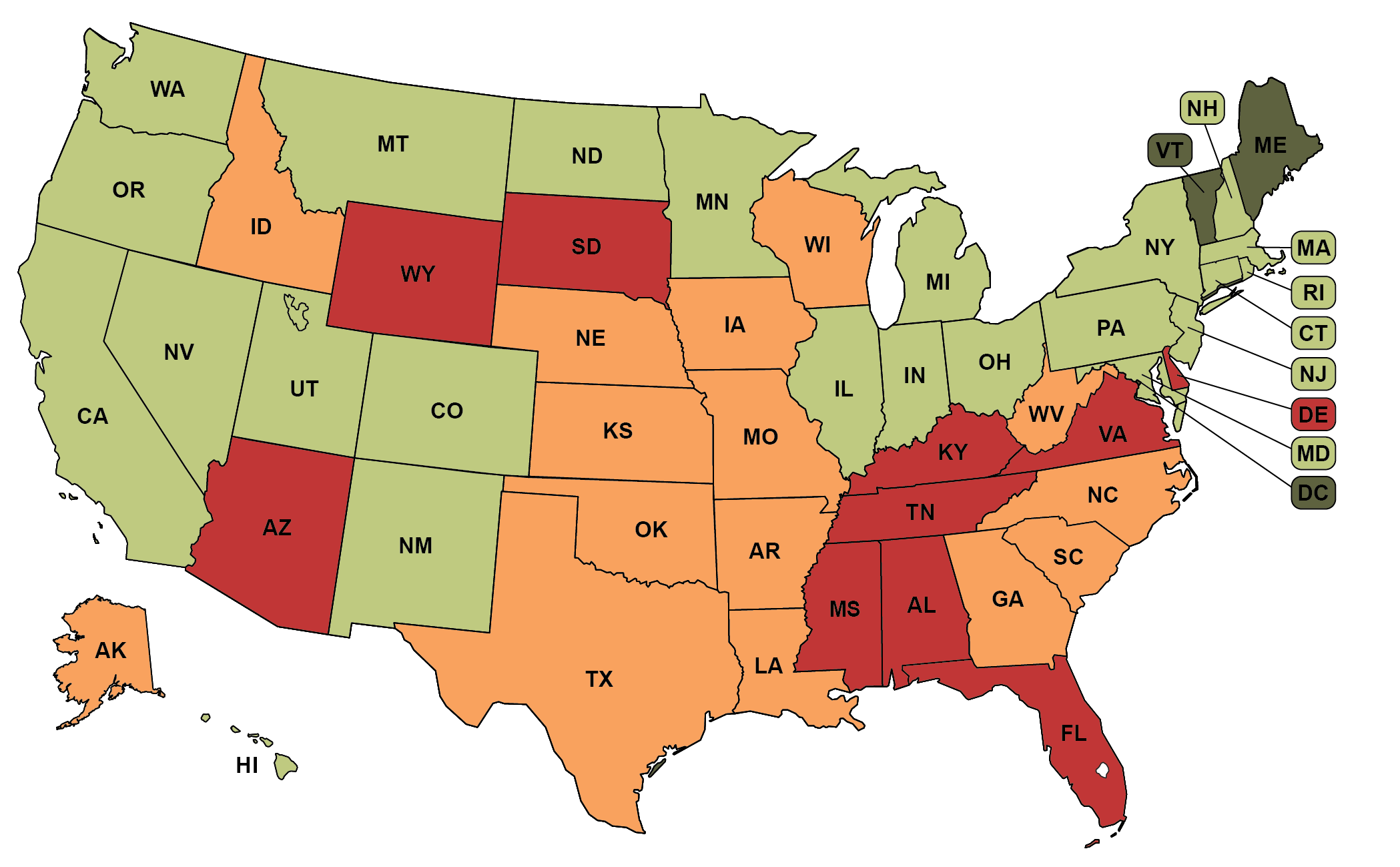
The right to vote is a cornerstone of democratic societies, a fundamental privilege that allows citizens to have a voice in their governance. For individuals with felony convictions, the path back to fully participating in civic life can be arduous. New York State has a history of modifying its laws regarding the voting rights of convicted felons, reflecting a societal shift towards rehabilitation and reintegration. Understanding these nuances is crucial for ensuring that eligible individuals can exercise their democratic franchise.
Understanding Voting Rights for New Yorkers with Felony Convictions
New York’s approach to felon voting rights is distinct from many other states. Historically, felony disenfranchisement was more widespread, but legislative changes have significantly broadened the scope of who can vote. The key determinant often lies in the status of one’s sentence, specifically whether they are incarcerated.
The Crucial Distinction: Incarceration vs. Post-Release
The most significant factor determining whether a convicted felon can vote in New York is their current custodial status.
Voting While Incarcerated
Individuals serving time for a felony conviction in a state prison or local jail are generally not permitted to vote in New York. This disenfranchisement is tied directly to their incarceration. Once a person is released from prison and completes their sentence, their right to vote is typically restored, subject to certain conditions and administrative processes. This is a critical distinction: the loss of voting rights is generally linked to the deprivation of liberty, rather than the conviction itself in perpetuity.
Voting After Completing Your Sentence
For individuals who have completed their felony sentence, including their time served in prison, probation, or parole, their right to vote in New York is generally restored automatically. This means that upon release from incarceration and the successful conclusion of any post-release supervision, a former felon can register to vote. There is no requirement to apply for a pardon or go through a lengthy waiting period in most cases. This automatic restoration is a significant departure from the practices in many other United States jurisdictions and reflects New York’s commitment to reintegration.
However, it is important to note that while the right is restored automatically, individuals must still take the affirmative step of registering to vote. This process involves filling out a voter registration form and submitting it to the local board of elections. The New York State Board of Elections provides resources and information on how to register. For those who have recently been released, this may be one of the first steps in re-establishing their place in the community, a journey that might also involve planning future travel or settling into new accommodation.
Specific Considerations and Potential Nuances
While the general rule is clear – incarcerated felons cannot vote, while those who have completed their sentences can – there can be some specific situations that warrant closer attention.
Parole and Probation
Individuals on parole or probation are generally considered to have completed their incarceration and are therefore eligible to vote in New York. The key is that they are no longer physically confined. This period of parole or probation is often seen as a transitional phase, where individuals are reintegrating into society while still under supervision. Exercising their right to vote during this time can be an important part of that reintegration process.
Out-of-State Convictions
The rules can become slightly more complex if the felony conviction occurred in another state. Generally, New York restores voting rights to individuals who have completed their sentences, regardless of where the conviction occurred, as long as they are residents of New York. However, it’s always advisable to verify the specifics with the New York State Board of Elections or a legal professional to ensure compliance with all regulations. Understanding these interstate nuances is particularly important for individuals who may be considering travel or relocation.
Restoring Rights After Incarceration
The restoration of voting rights in New York is largely automatic upon completion of a sentence. Unlike some states that require an application process or a waiting period, New York aims to facilitate the return of civic engagement. This means that once you are no longer incarcerated, on parole, or on probation, you should be eligible to register and vote.
The process of re-engaging with society after a felony conviction can be multifaceted. It extends beyond legal rights to encompass social, economic, and personal aspects of life. For many, this journey involves reconnecting with family, finding stable employment, and rebuilding their lives. The ability to vote is a vital component of this reintegration, offering a sense of agency and belonging. This can also influence personal lifestyle choices, such as the desire for a stable residence, perhaps a comfortable apartment or a longer-term stay in a new community, or even planning future travel to explore new horizons.
The Broader Context: Reintegration and Civic Participation
The ability for convicted felons to vote in New York after completing their sentences is more than just a legal provision; it’s a policy that supports rehabilitation and societal reintegration. When individuals are denied the right to participate in the democratic process, it can foster feelings of alienation and disengagement, potentially hindering their efforts to become productive members of society.
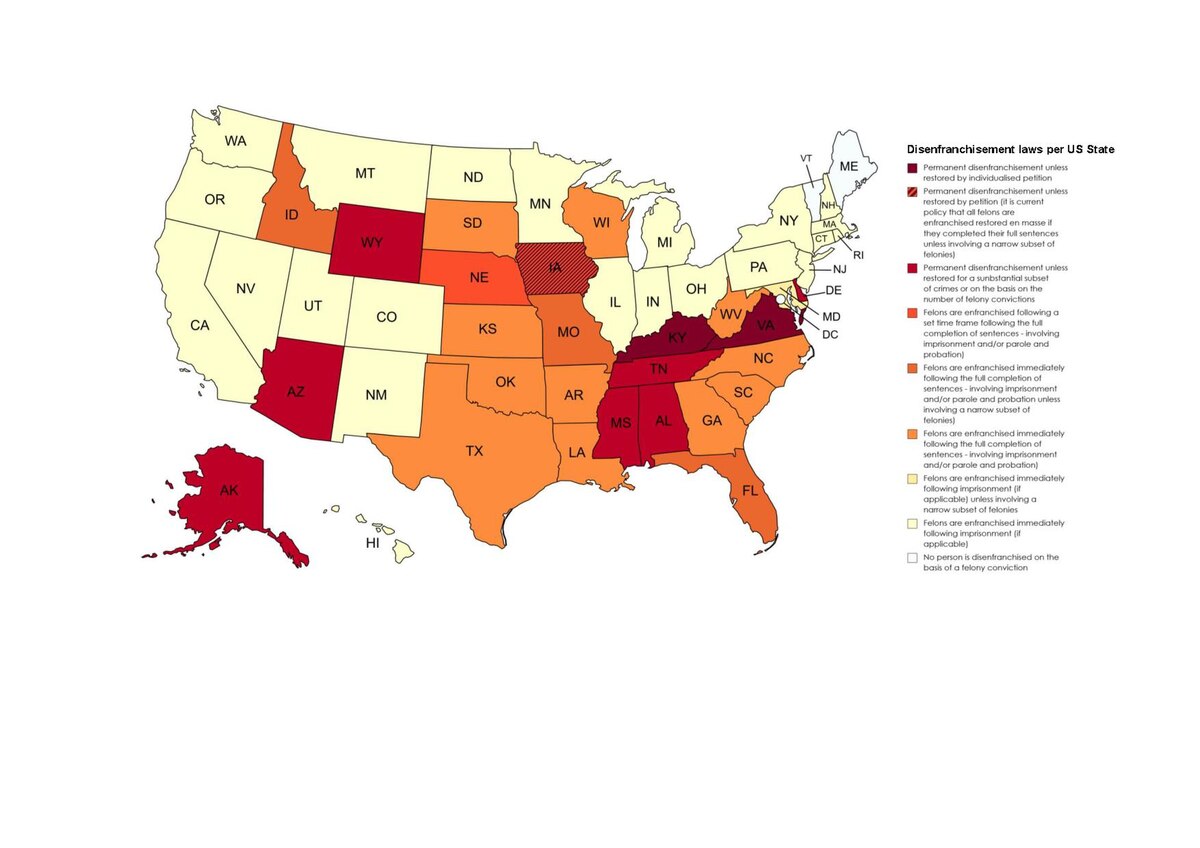
Empowering Returning Citizens
Restoring voting rights is seen by many as a crucial step in empowering “returning citizens,” individuals who have served their time and are seeking to rebuild their lives. By allowing them to vote, New York acknowledges their status as citizens with a stake in their communities. This can encourage greater civic engagement, civic responsibility, and a stronger connection to the democratic process. When people feel they have a voice, they are more likely to invest in their communities and contribute positively.
This empowerment can manifest in various ways, influencing personal choices and aspirations. For instance, a returning citizen who can vote may feel more invested in local issues, potentially influencing decisions about public services, community development, or even the types of amenities available in their new surroundings, such as local attractions or community centers. This renewed sense of belonging can also inspire them to explore new destinations for leisure or to seek out comfortable accommodation options that foster a sense of stability.
The Impact on Communities
When a significant portion of the population is disenfranchised, it can have a noticeable impact on the political landscape and community development. Restoring voting rights to former felons can lead to a more representative electorate, ensuring that the concerns and perspectives of this demographic are considered by policymakers. This can lead to more inclusive policies and a more equitable distribution of resources and opportunities.
Consider the potential influence on local tourism initiatives or the preservation of historical landmarks. When a broader base of residents can participate in local governance, decisions about how public spaces are utilized, how heritage sites like the Statue of Liberty are maintained, or how the local culture is celebrated, can better reflect the diverse needs and desires of the entire community. This inclusivity can also extend to travel guides, ensuring that local experiences are authentic and accessible to all residents and visitors.
Navigating the Path to Full Citizenship
The journey of reintegration is a complex one, encompassing not just legal rights but also social inclusion and personal growth. For individuals with felony convictions in New York, regaining the right to vote is a significant milestone. It signifies a renewed trust and an opportunity to participate fully in the civic life of the state.
This renewed sense of citizenship can influence many aspects of life. It can impact decisions about where to live, what kind of lifestyle to pursue, and even where to travel. For example, someone who has had their voting rights restored might feel more inclined to explore New York State’s diverse attractions, from the bustling streets of New York City to the natural beauty of the Adirondack Mountains. The ability to participate in the democratic process can foster a deeper connection to the places one calls home and the communities one inhabits, whether through short-term stays in boutique hotels or long-term accommodation in a peaceful villa.
The restoration of voting rights is a powerful affirmation of an individual’s potential for positive contribution. It underscores the belief that with support and opportunity, individuals can overcome past challenges and become active, engaged citizens. This philosophy resonates with the idea of “life out of the box,” encouraging individuals to redefine their possibilities and embrace new chapters, whether through travel, new living arrangements, or a renewed commitment to civic duty.
Practical Steps for Exercising Your Voting Rights
For convicted felons in New York who have completed their sentences, the path to voting is straightforward, but it does require taking specific actions.
Registration Process
The first and most crucial step is to register to vote. As mentioned earlier, this is generally an automatic right restoration, but you must actively register.
- Eligibility Check: Ensure you have completed all terms of your sentence, including any periods of parole or probation.
- Obtain a Voter Registration Form: These forms are available online from the New York State Board of Elections, at local boards of elections offices, public libraries, and many government agencies.
- Complete the Form Accurately: Fill out all required information, including your name, address, and date of birth.
- Submit the Form: You can mail the completed form to your local board of elections or submit it in person. There are also online registration options available for eligible individuals.
It’s important to submit your registration form by the deadline for the election you wish to vote in. Deadlines vary, so it’s best to check the New York State Board of Elections website for the most up-to-date information.
Staying Informed
Beyond registration, staying informed about elections is vital. This includes understanding election dates, polling locations, and the candidates or issues on the ballot.
- Election Dates: Mark your calendar for primary and general elections.
- Polling Locations: Confirm your designated polling place, as it can sometimes change.
- Ballot Information: Research candidates and ballot proposals to make informed decisions. Many resources are available, including non-partisan voter guides.
For individuals re-engaging with society, this active participation in the electoral process can be a significant step in reclaiming their voice and influence. It can also be a catalyst for exploring other aspects of life, such as planning a family trip to a historic landmark or researching accommodation options in a different city, knowing that their civic rights are intact.
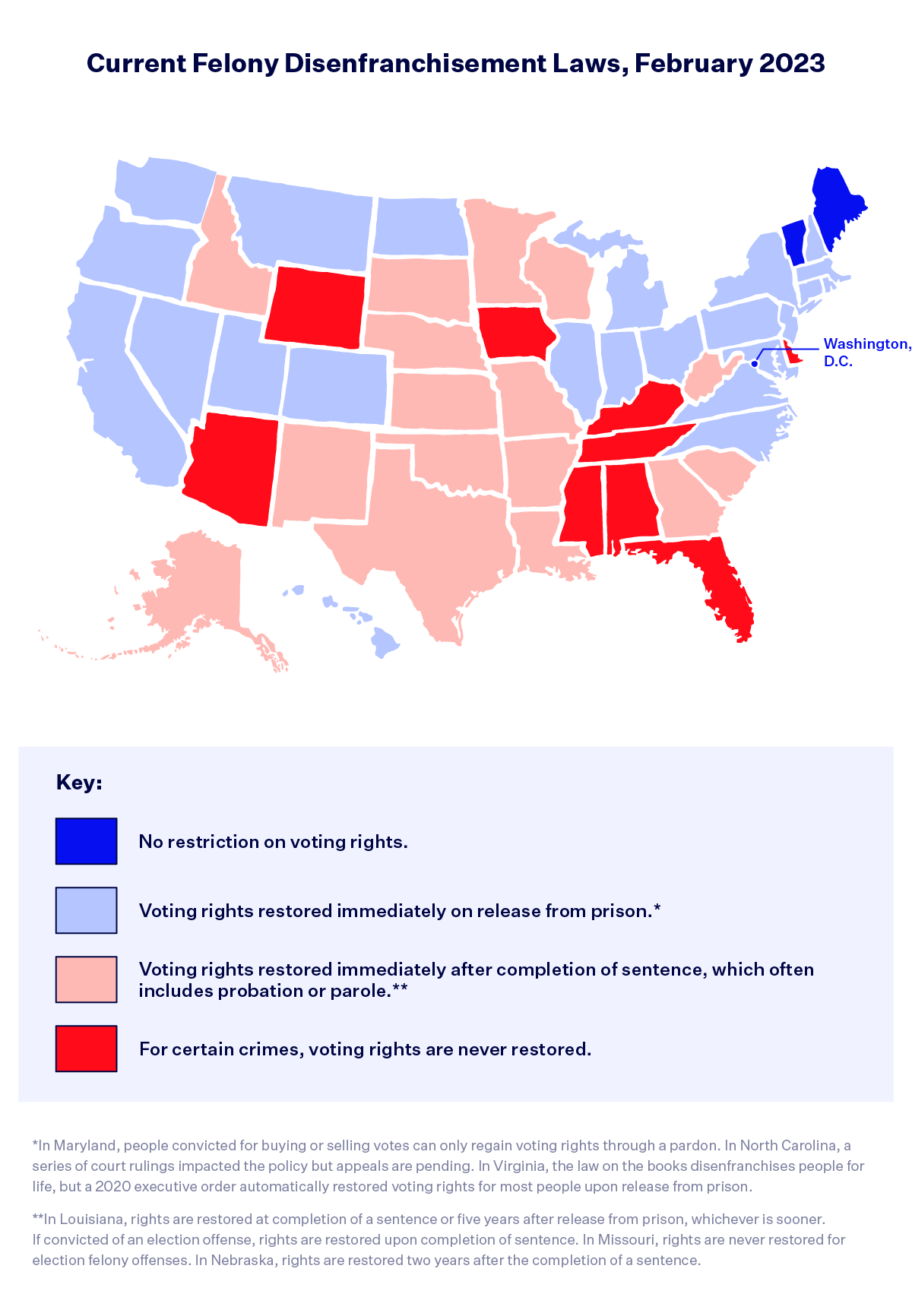
Seeking Assistance
If you have any doubts or questions about your voting eligibility or the registration process, do not hesitate to seek assistance.
- New York State Board of Elections: Their website is a primary resource for official information.
- Local Boards of Elections: Contact your county’s board of elections for personalized assistance.
- Legal Aid Organizations: Various organizations offer pro bono legal services and can provide guidance on voting rights.
- Community Reintegration Programs: Many programs designed to assist returning citizens can offer support with voter registration and civic engagement.
By understanding and actively exercising their voting rights, convicted felons in New York can fully participate in their democracy and contribute to the shaping of their communities. This process of civic re-engagement is an integral part of a fulfilling life, one that can be further enriched by experiences such as exploring new destinations or enjoying comfortable stays in diverse accommodations. The ability to vote is a fundamental pillar of citizenship, and in New York, it is largely accessible to those who have completed their sentences, empowering them to build a brighter future.
LifeOutOfTheBox is a participant in the Amazon Services LLC Associates Program, an affiliate advertising program designed to provide a means for sites to earn advertising fees by advertising and linking to Amazon.com. Amazon, the Amazon logo, AmazonSupply, and the AmazonSupply logo are trademarks of Amazon.com, Inc. or its affiliates. As an Amazon Associate we earn affiliate commissions from qualifying purchases.