
Navigating the intricate landscape of voting rights in the United States can be a complex undertaking, particularly for individuals with past felony convictions. In Texas, a state with its own distinct legal framework, this question is met with nuanced answers and specific regulations. For those seeking to re-engage with the civic process, understanding these rules is paramount. This exploration delves into the conditions under which a convicted felon might regain their right to vote in the Lone Star State, touching upon the broader implications for individuals and communities.
The core of the issue in Texas revolves around the completion of one’s sentence. The Texas Election Code outlines the criteria for disenfranchisement and the pathways to restoration of voting rights for individuals convicted of felonies. It’s a system designed to balance accountability for criminal offenses with the fundamental democratic principle of suffrage. The journey back to the ballot box is often contingent on fulfilling legal obligations and demonstrating a commitment to rehabilitation.

The Framework of Felony Disenfranchisement in Texas
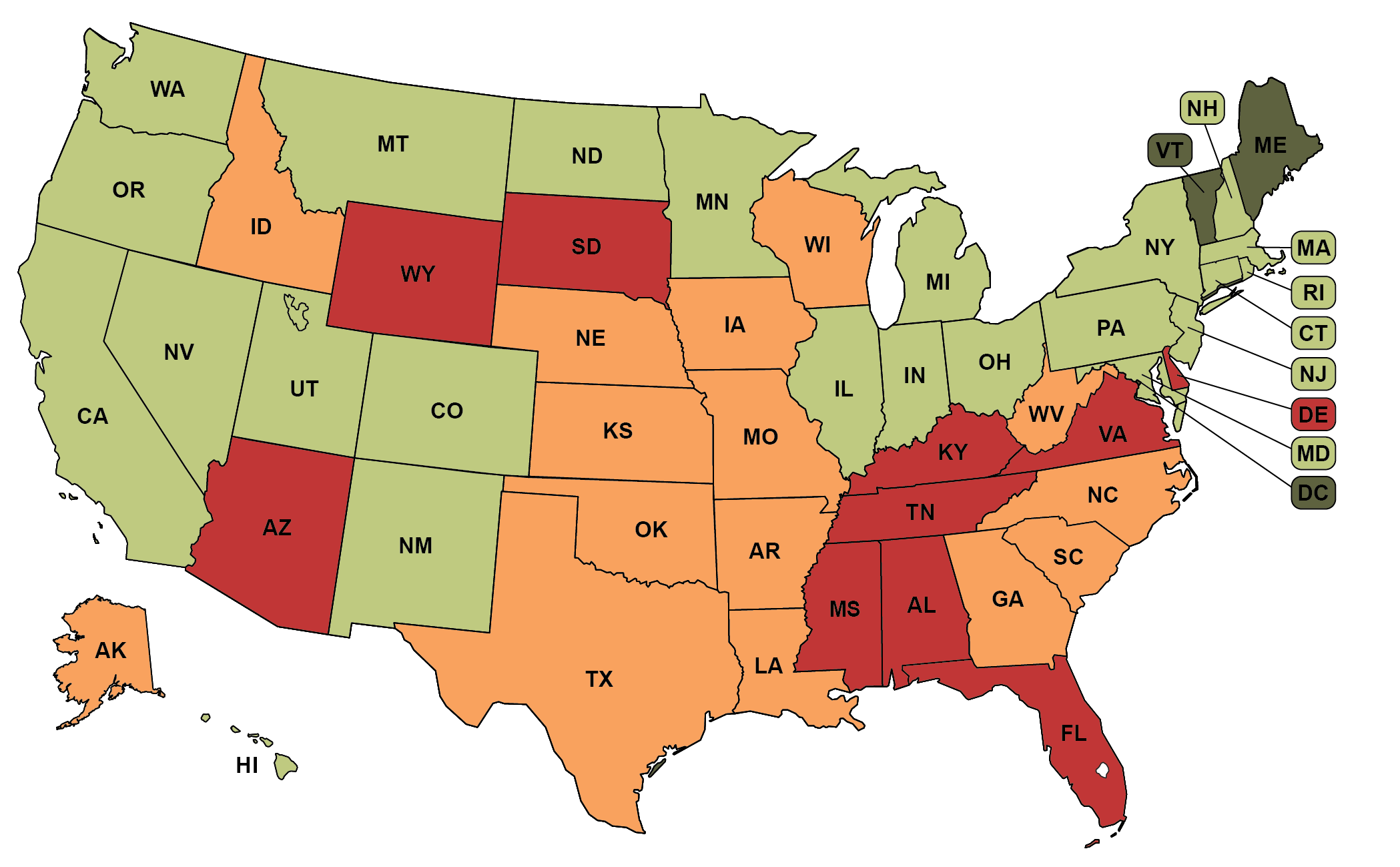
In Texas, the right to vote is a cherished privilege, but it is not absolute, especially for those with felony convictions. The Texas Constitution and subsequent legislation have established specific rules regarding who is eligible to cast a ballot. Generally, individuals convicted of felonies are prohibited from voting until they have fully discharged their sentences. This includes not only prison time but also any period of parole or mandatory supervision.
Understanding Sentence Completion
The definition of “discharging one’s sentence” is critical in determining voting eligibility in Texas. It’s not simply about being released from incarceration. The law is quite specific: a convicted felon cannot vote until they have completed all terms of their sentence. This means that even after release from prison, if an individual is still on parole or under a period of supervised release, their voting rights remain suspended.
- Incarceration: This is the most straightforward aspect. While serving time for a felony conviction in a Texas correctional facility, voting rights are automatically revoked.
- Parole: Once released from prison and placed on parole, the individual is still considered to be under the court’s jurisdiction and serving their sentence. Therefore, voting is prohibited during the parole period.
- Mandatory Supervision: Similar to parole, mandatory supervision is a period of supervised release after a prison sentence. During this time, voting rights are also suspended.
- Completion of Probation: For offenses that result in probation rather than immediate incarceration, the completion of all probation terms, including any fines or community service, is essential before voting rights are restored.
The completion of these obligations signifies the full repayment of the debt to society, as defined by Texas law, and is the primary gateway to regaining suffrage. It is a process that requires careful attention to legal deadlines and requirements.
The Role of Pardons and Certificates of Discharge
While completing one’s sentence is the primary mechanism for restoring voting rights, there are other avenues that can expedite or clarify this process in Texas. These include pardons and certificates of discharge, which serve as official acknowledgments of rehabilitation and the fulfillment of legal obligations.
- Certificate of Discharge: Upon successful completion of a sentence, including parole or mandatory supervision, an individual is typically issued a Certificate of Discharge. This document serves as official proof that the sentence has been fully served. While not always explicitly required to vote, it is highly recommended to have this documentation readily available should any questions arise regarding eligibility. It provides clear and irrefutable evidence of one’s restored rights.
- Pardons: A pardon is a more formal act of forgiveness granted by the Governor of Texas. A full pardon not only restores voting rights but also can help to expunge or seal certain records, significantly impacting an individual’s ability to secure employment, housing, and other opportunities. Obtaining a pardon is a separate process from simply completing a sentence and often requires a formal application and review by the Texas Board of Pardons and Paroles. This is a more discretionary route and is typically reserved for individuals who have demonstrated exemplary rehabilitation and made significant positive contributions after their conviction.
These official documents are crucial for individuals seeking to exercise their right to vote and can simplify the process of re-enfranchisement. They serve as a tangible representation of the legal fulfillment of their obligations and the restoration of their civic standing.
The Process of Re-enfranchisement in Texas
Once an individual has met the requirements for sentence completion, the path to casting a vote in Texas becomes clearer. However, it’s important to understand that re-enfranchisement is not always an automatic process, and proactive steps may be necessary to ensure eligibility. This involves ensuring that voter registration is current and accurate.
Ensuring Voter Registration is Up-to-Date
Even after a convicted felon has discharged their sentence and is legally eligible to vote in Texas, they must also be properly registered to vote. Failure to register or maintain an accurate voter registration can prevent an individual from participating in elections. The responsibility falls on the individual to ensure their registration is current and reflects their current address.
- Registration Deadlines: Texas has specific deadlines for voter registration. These typically fall 30 days before an election. It is crucial to be aware of these deadlines and to register well in advance of any election.
- Changes of Address: If an individual moves, they must update their voter registration to reflect their new address. Failing to do so can lead to their registration being purged from the rolls, rendering them ineligible to vote in their new precinct.
- Where to Register: Voter registration can be completed through various channels, including online, by mail, or in person at local voter registration offices, tax assessor-collector offices, or Texas Department of Public Safety (DPS) offices. The Texas Secretary of State’s website provides comprehensive information and resources for voter registration.
Proactive engagement with the voter registration process is key to ensuring that one can exercise their restored right to vote without encountering bureaucratic hurdles.
Potential Challenges and Resources
While the laws in Texas provide a framework for re-enfranchisement, individuals may still encounter challenges in the process. These can range from misunderstandings of the law to administrative errors. Fortunately, there are resources available to assist convicted felons in navigating these complexities and reclaiming their right to vote.
- Legal Aid Societies and Non-Profit Organizations: Many legal aid societies and non-profit organizations across Texas focus on criminal justice reform and civil rights. These organizations often provide free or low-cost legal assistance to individuals seeking to restore their voting rights. They can offer guidance on the specific requirements, help with paperwork, and advocate on behalf of individuals facing obstacles.
- County Voter Registrars: Local county voter registrars are a valuable resource for information about voter registration and eligibility in Texas. They can answer specific questions about an individual’s status and provide guidance on the necessary steps to take.
- Texas Civil Rights Project: Organizations like the Texas Civil Rights Project are dedicated to protecting and advancing the civil rights of all Texans. They often have resources and advocacy efforts aimed at ensuring that eligible citizens, including those with past felony convictions, can exercise their right to vote.
- Self-Advocacy: Understanding the law and proactively seeking information is crucial. Individuals should familiarize themselves with the Texas Election Code and the specific requirements related to felony convictions. Keeping copies of important documents, such as Certificates of Discharge, can also be beneficial.
By leveraging these resources and engaging in self-advocacy, individuals can more effectively overcome any challenges and successfully re-enfranchise themselves, thereby participating in the democratic process of Texas.
The question of whether convicted felons can vote in Texas is not a simple yes or no. It is a matter governed by specific legal stipulations that prioritize the completion of sentences and the adherence to established legal processes. For those who have served their time and fulfilled their obligations, the path to regaining the right to vote is available, albeit with a clear set of procedural steps. Understanding these nuances is vital for individuals seeking to re-engage with their civic responsibilities and for communities aiming to foster an inclusive and representative democracy in Texas. The journey of re-enfranchisement is a testament to the evolving understanding of justice and the fundamental importance of every voice in the democratic discourse.
LifeOutOfTheBox is a participant in the Amazon Services LLC Associates Program, an affiliate advertising program designed to provide a means for sites to earn advertising fees by advertising and linking to Amazon.com. Amazon, the Amazon logo, AmazonSupply, and the AmazonSupply logo are trademarks of Amazon.com, Inc. or its affiliates. As an Amazon Associate we earn affiliate commissions from qualifying purchases.