
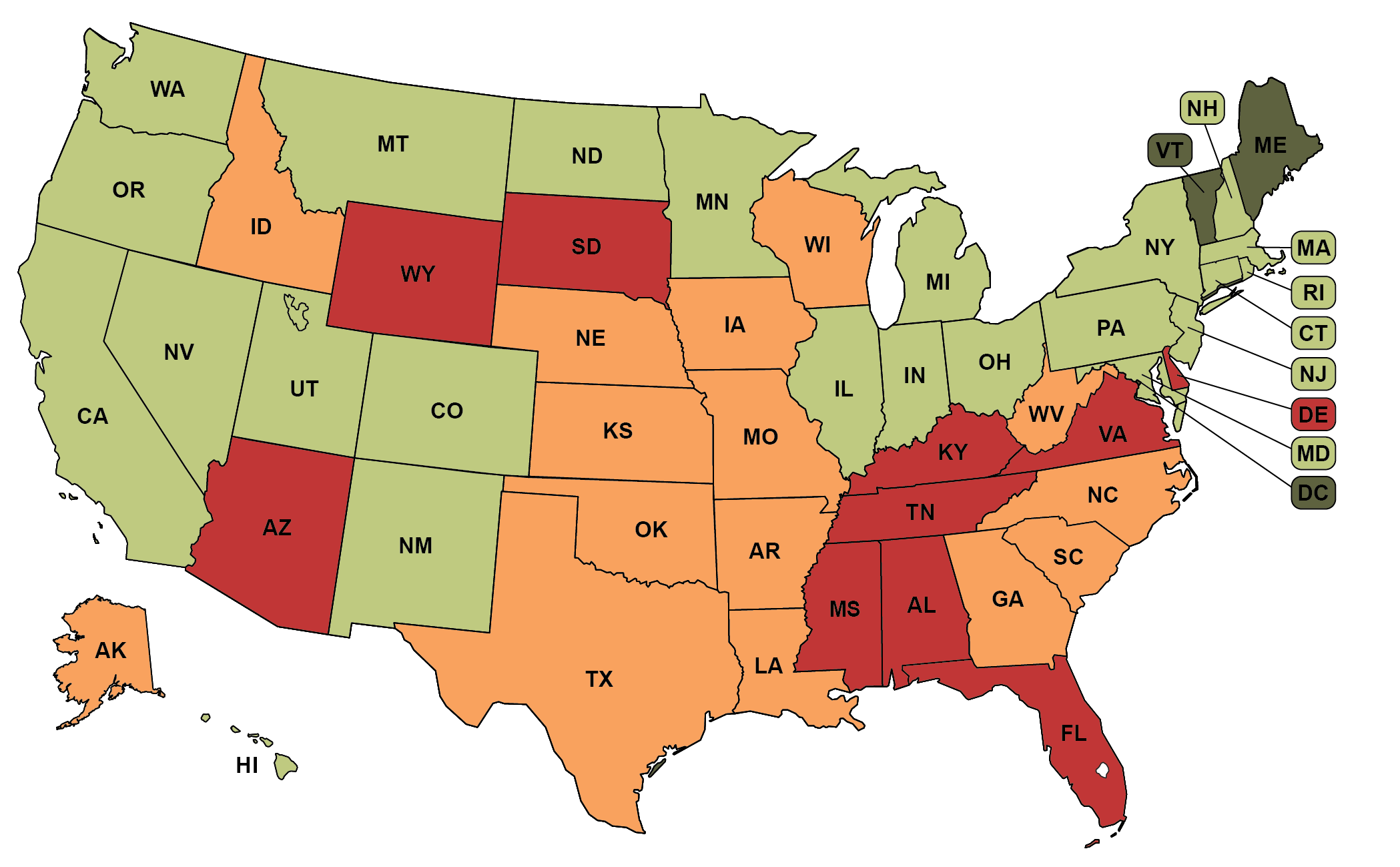
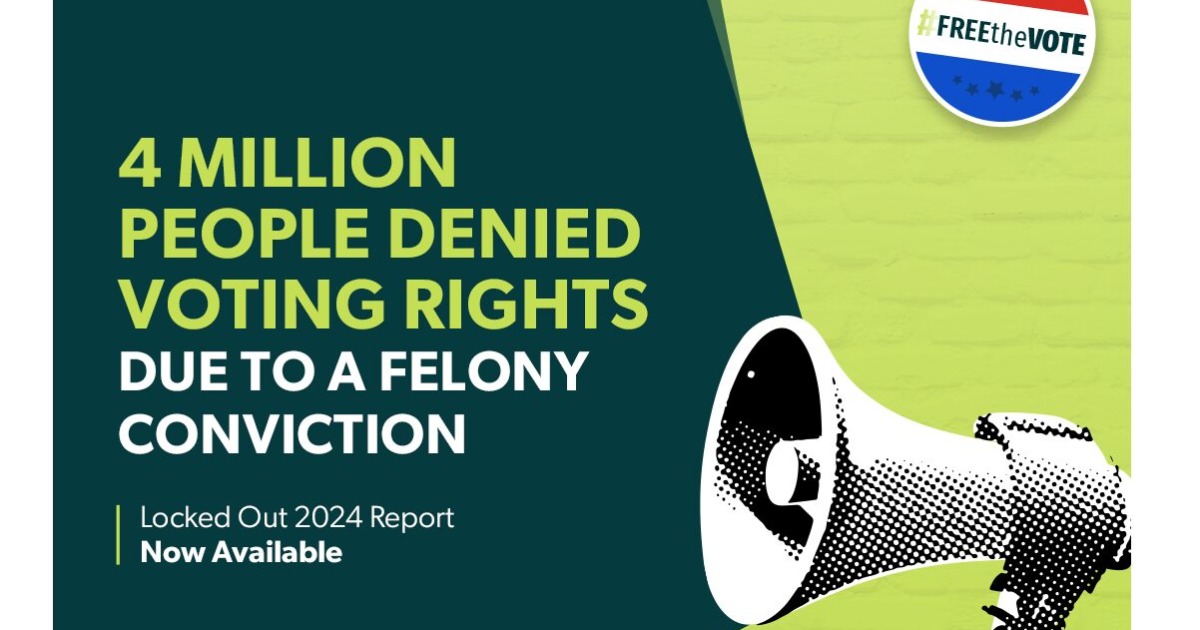
Understanding the civic landscape is a fundamental aspect of the Louisiana lifestyle. Whether you are a long-term resident, a business professional on an extended stay, or someone looking to relocate to the United States South, the laws governing democratic participation shape the social fabric of the community. As we approach the 2024 election cycle, one of the most significant questions regarding the state’s legal evolution is the restoration of voting rights for those with past felony convictions. This topic is not merely a legal one; it is a lifestyle concern that affects community integration, family stability, and the overall social health of vibrant cities like New Orleans and Baton Rouge.
The Evolution of Civic Rights in Louisiana
The history of voting rights in the Pelican State is complex and deeply intertwined with the broader history of the American South. For decades, individuals with felony convictions faced significant hurdles when attempting to re-engage with the democratic process. However, the lifestyle of civic engagement has shifted dramatically in recent years due to legislative reforms aimed at modernizing the state’s approach to criminal justice and rehabilitation.
The Landmark Reform of Act 636
A pivotal moment in the Louisiana legislative history occurred with the passage of Act 636. Before this change, individuals on parole or probation were largely barred from the ballot box. Today, the lifestyle for many formerly incarcerated individuals has been transformed by a law that allows those who have been out of prison for at least five years—even if they remain on probation or parole—to register to vote. This shift recognizes that active participation in society is a key component of a successful, stable lifestyle after serving one’s time.
Navigating the 2024 Election Cycle
As the 2024 elections approach, the focus on voter eligibility has intensified. For those living in the Garden District or working in the high-rise offices of Shreveport, understanding who can vote is essential for community organizing and social advocacy. The current law ensures that unless an individual is “under an order of imprisonment” for a felony conviction, or has been incarcerated within the last five years, they generally possess the right to vote. This inclusion fosters a more representative lifestyle for the diverse populations across Lafayette and beyond.
The Role of the Louisiana Secretary of State
The Louisiana Secretary of State is the primary authority responsible for overseeing elections and ensuring that eligibility requirements are clearly communicated to the public. For those navigating the path to re-enfranchisement, this office provides the necessary documentation and verification processes. Understanding these administrative steps is a practical part of the lifestyle for civic-minded individuals looking to ensure every eligible voice is heard in the upcoming 2024 contests.
Reintegration and the Social Fabric of Louisiana Cities
The ability to vote is often cited by social scientists as a major factor in reducing recidivism. When individuals feel they have a stake in the future of Lake Charles or the development of Alexandria, they are more likely to invest in their local economy and community. This sense of belonging is a cornerstone of the modern Louisiana lifestyle.
Community Impact in New Orleans
In New Orleans, the intersection of culture, history, and law is visible on every corner. From the bustling energy of the French Quarter to the residential charm of Metairie, the restoration of voting rights has empowered thousands of citizens. For many, the “lifestyle” of the city involves not just enjoying the world-class cuisine but also participating in neighborhood associations and local governance. The inclusion of formerly incarcerated individuals in these processes enriches the local culture and ensures that the city’s future is shaped by all its inhabitants.
Business Stays and Civic Awareness
For professionals on business stays in Monroe or attending conferences at The Roosevelt New Orleans, the political climate of the state often comes up in networking and social circles. Understanding the nuances of Louisiana voting laws is important for those involved in corporate social responsibility (CSR) or community development projects. A lifestyle that values inclusivity and legal clarity is attractive to businesses looking to invest in a state that is actively working to modernize its civic infrastructure.
The Influence of Local Landmarks on Civic Pride
Visiting the Louisiana State Capitol in Baton Rouge provides a physical reminder of the power of the law. As the tallest capitol building in the United States, it serves as a beacon of the state’s legislative history. For someone recently re-enfranchised, walking the grounds of this landmark is not just a tourist activity but a lifestyle experience of reclaiming their place in the democratic process. Similarly, exploring the history of justice at the Cabildo in Jackson Square helps residents and visitors alike understand the long journey toward universal suffrage in the region.
Practical Steps for Voting Restoration in 2024
For those wondering, “Can felons vote in Louisiana 2024?” the answer is a hopeful “yes” for many, provided specific conditions are met. Navigating the logistics of registration is a vital part of the lifestyle for those in the process of re-entry.
Verifying Eligibility Requirements
The primary criteria for 2024 revolve around the status of incarceration. If an individual has been out of prison for five years—even if still under supervision—they are eligible. However, if the conviction was for a specific election fraud crime, different rules may apply. Residents in Bossier City or Kenner should consult with local registrars to confirm their specific status. This proactive approach to legal status is a key component of a successful, law-abiding lifestyle.
The Registration Process
Once eligibility is confirmed, the registration process is relatively straightforward. It can often be completed online through the portal provided by the Louisiana Secretary of State or in person at various government offices. For those staying at the Hotel Monteleone or other central locations, finding a nearby office is simple. The act of registering is a significant lifestyle milestone, marking a full return to civic life and the ability to influence the laws of the Mississippi River delta region.
Documentation and Proof of Status
One hurdle that many face is obtaining the “voter registration certificate” or proof that they are no longer incarcerated or have met the five-year requirement. This often involves coordination with the Louisiana Department of Public Safety and Corrections. For those living a busy lifestyle, staying organized with these documents is essential. Community centers and legal aid clinics across Louisiana frequently offer workshops to help individuals gather the necessary paperwork for 2024.
The Future of the Louisiana Lifestyle and Civic Engagement
As we look toward the horizon, the lifestyle in Louisiana continues to be defined by its resilience and its commitment to progress. The state’s unique blend of French, Spanish, and American influences creates a cultural landscape that is unlike any other. Ensuring that all citizens, including those with past convictions, can participate in the democratic process is vital for the continued growth of the Gulf of Mexico region.
Advocacy and Community Support
Numerous organizations are dedicated to educating the public about voting rights. From the streets of Houma to the campuses in Ruston, advocacy is a major part of the local lifestyle. These groups work to ensure that the 2024 election sees high turnout among all eligible voters, fostering a sense of agency and empowerment. This community-driven lifestyle ensures that the voices of the marginalized are integrated into the state’s future trajectory.
The Impact on the Next Generation
The restoration of voting rights has a profound impact on the family lifestyle. When parents can vote, they model civic responsibility for their children. This creates a legacy of engagement that strengthens neighborhoods from Slidell to Natchitoches. As families gather in parks or attend local festivals, the knowledge that they have a say in their government adds a layer of dignity and hope to their daily lives.

Conclusion: A State in Transition
Louisiana remains a state of deep traditions and evolving laws. For those asking about felon voting rights in 2024, the landscape is more inclusive than it has been in decades. This shift is a testament to the changing lifestyle of the Pelican State, where the focus is increasingly on rehabilitation, reintegration, and the power of the vote. Whether you are enjoying the luxury of The Ritz Carlton New Orleans or working in the heart of the Central Business District, the civic health of the state is a topic that resonates with everyone. As the 2024 election approaches, the commitment to a fair and accessible democratic process remains a defining characteristic of life in the United States South.
LifeOutOfTheBox is a participant in the Amazon Services LLC Associates Program, an affiliate advertising program designed to provide a means for sites to earn advertising fees by advertising and linking to Amazon.com. Amazon, the Amazon logo, AmazonSupply, and the AmazonSupply logo are trademarks of Amazon.com, Inc. or its affiliates. As an Amazon Associate we earn affiliate commissions from qualifying purchases.