
Nevada, often celebrated for its vibrant resorts, iconic Las Vegas Strip, and breathtaking natural landmarks, offers an unparalleled experience for travelers and those seeking a dynamic lifestyle. From luxurious accommodations to diverse cultural attractions, the Silver State embodies a unique blend of excitement and serene beauty. For anyone considering an extended stay, a new home, or simply wanting to understand the full fabric of this fascinating destination, delving into the civic landscape is just as crucial as exploring its tourist hotspots. Understanding the local laws and opportunities for civic engagement forms an important part of truly experiencing a place, transforming a mere visit into a deeper connection with its community and its values.
One particularly significant aspect of civic life that has seen substantial evolution across the United States is the right to vote for individuals with felony convictions. This topic, while seemingly far removed from travel guides and hotel reviews, is integral to the “lifestyle” pillar of our content, as it speaks to the fundamental rights and responsibilities of citizens within a given locale. For residents, long-term visitors, or those considering relocation to Nevada, understanding these voting rights is paramount for full participation in society. This article will explore the historical context, current laws, and practical implications of felon voting rights in Nevada, offering a comprehensive guide to this evolving aspect of civic life in the Silver State.
The Evolving Landscape of Voting Rights in Nevada
The right to vote is a cornerstone of democracy, yet across the United States, this right has often been denied or restricted for individuals with felony convictions. Nevada is no exception, having a complex history regarding felon disenfranchisement. However, in recent years, the state has made significant strides in expanding voting access, reflecting a broader national trend towards restoring these fundamental rights. Understanding this evolution is key to grasping the current situation.
A Historical Perspective on Disenfranchisement
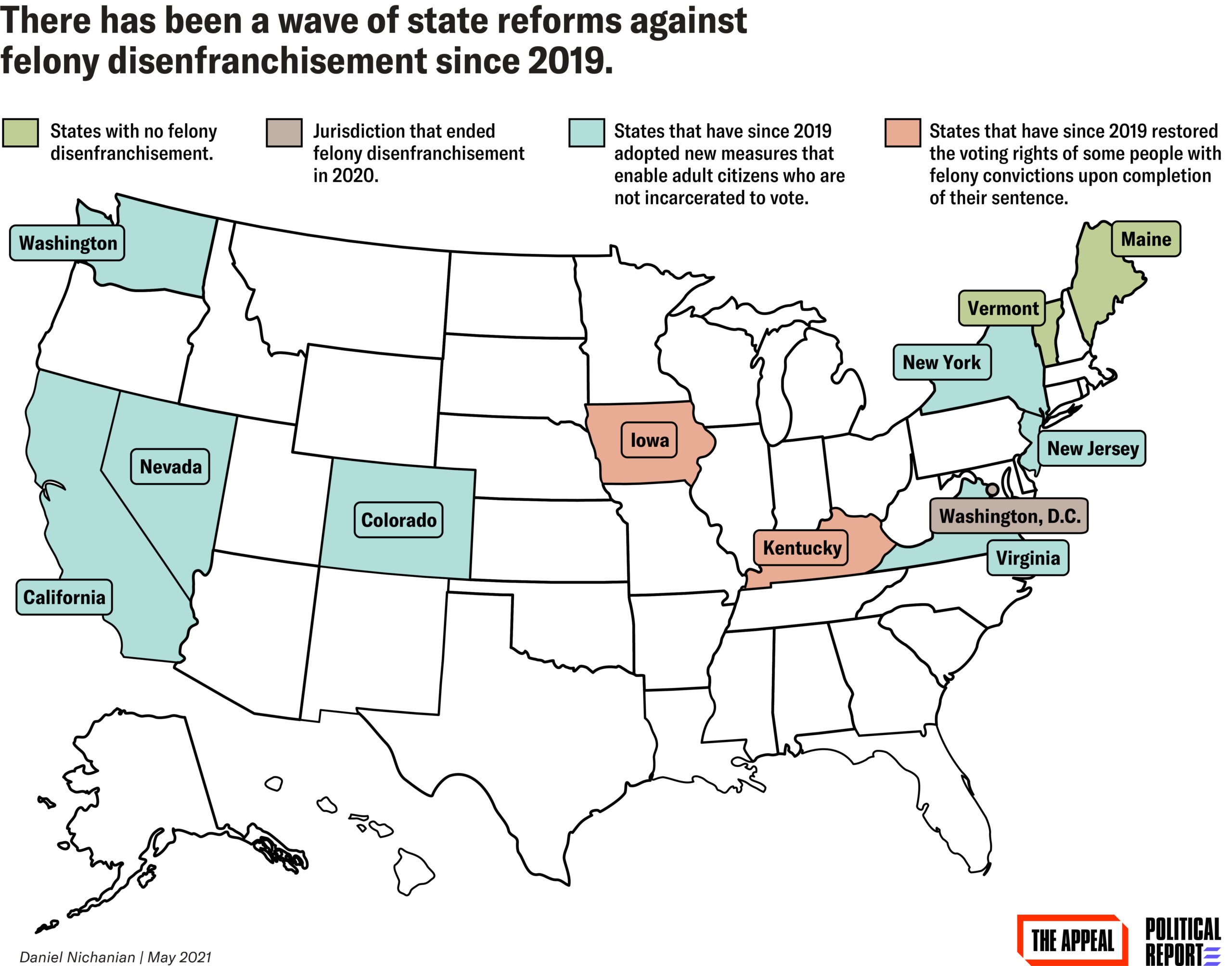
Historically, Nevada’s laws were considerably more restrictive when it came to the voting rights of felons. Prior to a landmark legislative change in 2019, individuals convicted of felonies in Nevada faced significant barriers to exercising their right to vote. The law stipulated that while individuals convicted of certain misdemeanors could generally still vote, those convicted of any felony offense were automatically stripped of their voting rights.
The process for regaining these rights was often convoluted and depended heavily on the nature of the felony and the completion of various requirements. For some, the restoration of rights might occur only after a full pardon from the state. For others, it might involve completing their entire sentence, including parole or probation, and then taking proactive steps to re-register. This system often led to confusion, low rates of re-registration, and ultimately, the continued disenfranchisement of a substantial portion of the population, even long after they had served their time and reintegrated into society.
The rationale behind such disenfranchisement laws typically stems from a historical belief that those who commit serious crimes forfeit certain civic privileges, including the right to participate in electoral processes. Critics, however, argue that such laws are often vestiges of a bygone era, disproportionately affect minority communities, and undermine the principles of rehabilitation and reintegration into the community. They contend that once an individual has paid their debt to society, they should be encouraged to participate fully in civic life, including casting their ballot. This historical backdrop sets the stage for the progressive changes that would eventually redefine felon voting rights in Nevada.
The Landmark Shift with Assembly Bill 431
The year 2019 marked a pivotal moment for voting rights in Nevada with the passage and signing of Assembly Bill 431 (AB 431). This legislative change fundamentally altered the landscape, moving Nevada from one of the more restrictive states to one with significantly more expansive voting rights for individuals with felony convictions. Assembly Bill 431 was a direct response to advocacy efforts by civil rights organizations and a growing recognition within the Nevada State Legislature of the importance of restoring civic participation.
Under Assembly Bill 431, the vast majority of individuals convicted of felonies in Nevada automatically have their voting rights restored upon release from prison. This means that once a person is no longer incarcerated, their right to vote is automatically reinstated, without the need for additional applications, court orders, or completion of parole or probation. This “automatic restoration” provision was a groundbreaking change, eliminating many of the bureaucratic hurdles that previously prevented individuals from re-engaging with the electoral process.
The new law was celebrated by advocates as a crucial step towards reducing mass disenfranchisement and promoting greater civic participation. It simplifies the process considerably, making it easier for formerly incarcerated individuals to understand their rights and exercise them. This shift not only impacts thousands of Nevadans but also sends a clear message about the state’s commitment to rehabilitation and the reintegration of individuals into society as full citizens.
Who Can Vote Now? Understanding Current Nevada Law
The changes brought about by Assembly Bill 431 have significantly clarified and expanded who can vote in Nevada. However, like any legal framework, there are specific nuances and exceptions that individuals need to understand. For anyone interested in the civic life of the Silver State, whether as a resident or a prospective long-term visitor, grasping these details is essential.
Automatic Restoration and Remaining Exceptions
As of 2019, the core principle in Nevada is automatic restoration. This means that if you have been convicted of a felony under Nevada state law, your right to vote is restored the moment you are released from physical incarceration. You do not need to wait until you complete parole, probation, or pay off any fines or fees associated with your conviction. This is a crucial distinction from many other states where the restoration process can be far more complex and contingent upon completing all aspects of one’s sentence.
However, there are a few important exceptions and clarifications:
- Current Incarceration: If you are currently serving a sentence of imprisonment for a felony conviction, you are still ineligible to vote. The right is restored upon release from prison.
- Federal Felony Convictions: The automatic restoration applies primarily to individuals convicted of state felonies in Nevada. If you have a federal felony conviction, your voting rights are typically determined by the laws of the state where you reside. Since Nevada now allows automatic restoration upon release for its own state crimes, federal felons residing in Nevada generally also have their rights restored upon release from federal incarceration, aligning with the state’s expansive approach.
- Misdemeanors: Individuals with misdemeanor convictions in Nevada generally do not lose their voting rights, unless the misdemeanor involved election fraud or other specific offenses that inherently target the integrity of the voting process. For the vast majority of misdemeanors, voting rights remain intact.
This clear framework significantly reduces ambiguity and makes it easier for individuals to understand their eligibility. It reflects a commitment to ensuring that once an individual has served their time in prison, they can fully reintegrate into civic life.

The Process for Restoring Your Rights
For the vast majority of individuals released from prison after a felony conviction in Nevada post-Assembly Bill 431, the process for restoring voting rights is remarkably simple: there is no special process. Your rights are automatically restored upon release. The next step is simply to register to vote.
Here’s how individuals can ensure they are able to vote once their rights are restored:
- Confirm Eligibility: If you were convicted of a felony under Nevada state law and have been released from prison, your rights are restored. If you have questions about specific circumstances (e.g., very old convictions, out-of-state convictions, federal convictions), it’s advisable to consult with organizations like the ACLU of Nevada or a legal aid service specializing in voting rights.
- Gather Documents (Optional but Helpful): While not strictly required for automatic restoration, having your discharge papers or other documentation showing your release from incarceration can be helpful for your own records or if there are any administrative questions when registering.
- Register to Vote: Once your rights are restored, you must still register to vote, just like any other eligible citizen. This can be done online through the Nevada Secretary of State’s website, by mail, or in person at various locations, including county election offices, Department of Motor Vehicles offices, and certain public assistance agencies. When registering, you simply attest that you are an eligible voter.
- Stay Informed: Keep abreast of election dates, voter registration deadlines, and polling place information. Resources from the Nevada Secretary of State are invaluable for this.
Organizations like Restore Your Rights Nevada and the ACLU of Nevada also provide vital information and assistance to individuals navigating this process, ensuring that everyone who is eligible has the resources to exercise their right to vote. This streamlined approach underscores Nevada’s commitment to broad civic participation.
The Broader Impact and National Context
The discussion of felon voting rights in Nevada extends beyond a mere legal technicality; it has profound implications for civic engagement, community well-being, and the perception of justice within the state. Furthermore, Nevada’s progressive stance offers a compelling comparison to the diverse and often complex approaches taken by other states across the United States.
Why Voting Rights Matter for Civic Engagement
The ability to vote is a fundamental aspect of citizenship and plays a critical role in fostering a healthy, engaged community. When individuals who have served their time are allowed to cast a ballot, it signifies their full reintegration into society and empowers them to participate in shaping the policies and leadership that affect their lives. This has several key benefits:
- Promotes Rehabilitation: Restoring voting rights is a powerful symbol of forgiveness and belief in an individual’s capacity for change. It encourages civic responsibility and can be a significant motivator for successful reintegration, reducing recidivism rates.
- Strengthens Democracy: A more inclusive electorate means a more representative democracy. When all eligible voices are heard, the decisions made by elected officials are more likely to reflect the true diversity of the population and address a broader range of community needs. This aligns with the principles enshrined in the Bill of Rights and the 15th Amendment, which seek to prevent disenfranchisement.
- Addresses Disparities: Historically, felon disenfranchisement laws have disproportionately affected minority communities due to systemic biases in the criminal justice system. Restoring these rights helps to mitigate these racial and socioeconomic disparities, aligning with the spirit of the Voting Rights Act of 1965.
- Empowers Communities: When individuals with past convictions can vote, they can advocate for policies that improve public safety, support rehabilitation programs, and address issues pertinent to their experiences, ultimately contributing to a more just and equitable society.
For a state like Nevada, known for its dynamic population shifts and diverse communities, ensuring broad civic engagement is vital for its continued growth and social cohesion. It represents an important aspect of a progressive lifestyle, where active participation is encouraged for all.
Nevada’s Approach Compared to Other States
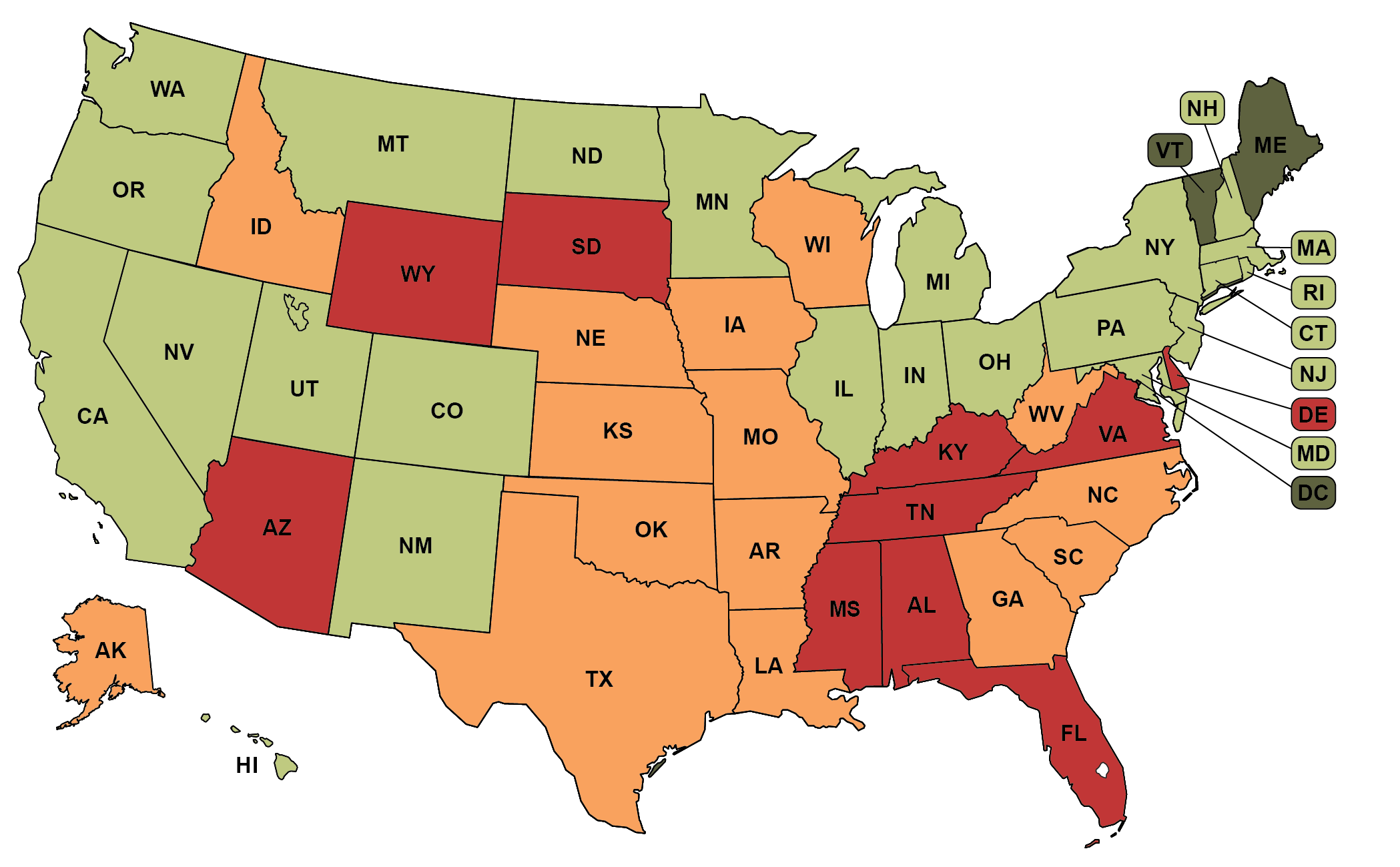
The United States has a patchwork of laws concerning felon voting rights, with each state setting its own rules. Nevada’s current automatic restoration policy places it among the more progressive states in the nation. To fully appreciate Nevada’s stance, it’s helpful to see it in a national context, generally categorized into four main approaches:
- No Disenfranchisement: Only two states, Maine and Vermont, allow felons to vote even while incarcerated. These states stand out as having the most expansive voting rights.
- Automatic Restoration Upon Release (Nevada’s Approach): States in this category automatically restore voting rights upon release from prison, often regardless of parole, probation, or fines. This group includes Nevada, California, Colorado, Connecticut, Hawaii, Illinois, Indiana, Maryland, Michigan, Montana, New Hampshire, New Jersey, North Dakota, Ohio, Oregon, Pennsylvania, South Dakota, Utah, Washington, and Wisconsin. Some states, like New York and Rhode Island, have similar policies but with slight variations, such as allowing voting upon release from prison but requiring completion of parole.
- Restoration After Completion of Sentence (Including Parole/Probation): Many states require individuals to complete their full sentence, including any parole or probation period, before their voting rights are restored. This group often includes states like Alaska, Arizona, Arkansas, Delaware, Georgia, Idaho, Kansas, Louisiana, Minnesota, Missouri, Nebraska, New Mexico, North Carolina, Oklahoma, South Carolina, Texas, Virginia, West Virginia, and Wyoming. Some states within this category may also require payment of all fines and fees.
- Permanent Disenfranchisement or Extremely Restrictive: A handful of states maintain very restrictive policies, with some allowing permanent disenfranchisement for certain felonies unless a specific process, such as a gubernatorial pardon or a lengthy waiting period, is completed. Florida historically fell into this category but has seen recent reforms. Other states like Iowa, Kentucky, Mississippi, and Tennessee still have some of the toughest laws, often requiring a specific action like a court order or gubernatorial action to restore rights, which can be difficult to obtain. Alabama also has a complex system, with disenfranchisement for certain “crimes of moral turpitude.”
Nevada’s move to automatic restoration distinguishes it from a significant portion of the country, highlighting its progressive approach to civic rights and rehabilitation. This position reflects a modern understanding of justice and social reintegration, placing it firmly among states committed to maximizing voter participation.
Navigating Your Civic Path in Nevada
Understanding the nuances of felon voting rights is more than just a legal inquiry; it’s about acknowledging the fabric of civic life in Nevada. For those who call Nevada home, or for visitors who appreciate the depth of a community beyond its tourist attractions, grasping these civic processes enriches one’s overall experience and connection to the state.
The transformation of felon voting rights in Nevada with Assembly Bill 431 has significantly broadened the path to civic participation. The principle of automatic restoration upon release from incarceration marks a progressive step, ensuring that the vast majority of individuals with past felony convictions can seamlessly re-engage with the electoral process. This commitment to inclusion underscores Nevada’s modern approach to justice and rehabilitation, emphasizing reintegration into society rather than continued marginalization.
For individuals seeking to exercise their restored voting rights, the process is now straightforward: confirm your eligibility (primarily, that you are no longer incarcerated for a felony) and then simply register to vote through standard channels. Resources from the Nevada Secretary of State, as well as advocacy groups like the ACLU of Nevada and Restore Your Rights Nevada, are readily available to assist with any questions.
Whether you’re exploring the bustling nightlife of Las Vegas, admiring the natural beauty of Lake Tahoe, or considering Nevada for a long-term stay, understanding the state’s civic landscape is part of a holistic appreciation for its unique character. Nevada isn’t just a destination for entertainment and adventure; it’s a place where civic engagement is increasingly valued and accessible, making it an even more welcoming and dynamic community for all its residents.
LifeOutOfTheBox is a participant in the Amazon Services LLC Associates Program, an affiliate advertising program designed to provide a means for sites to earn advertising fees by advertising and linking to Amazon.com. Amazon, the Amazon logo, AmazonSupply, and the AmazonSupply logo are trademarks of Amazon.com, Inc. or its affiliates. As an Amazon Associate we earn affiliate commissions from qualifying purchases.