
Understanding Gaultheria Procumbens (Wintergreen)
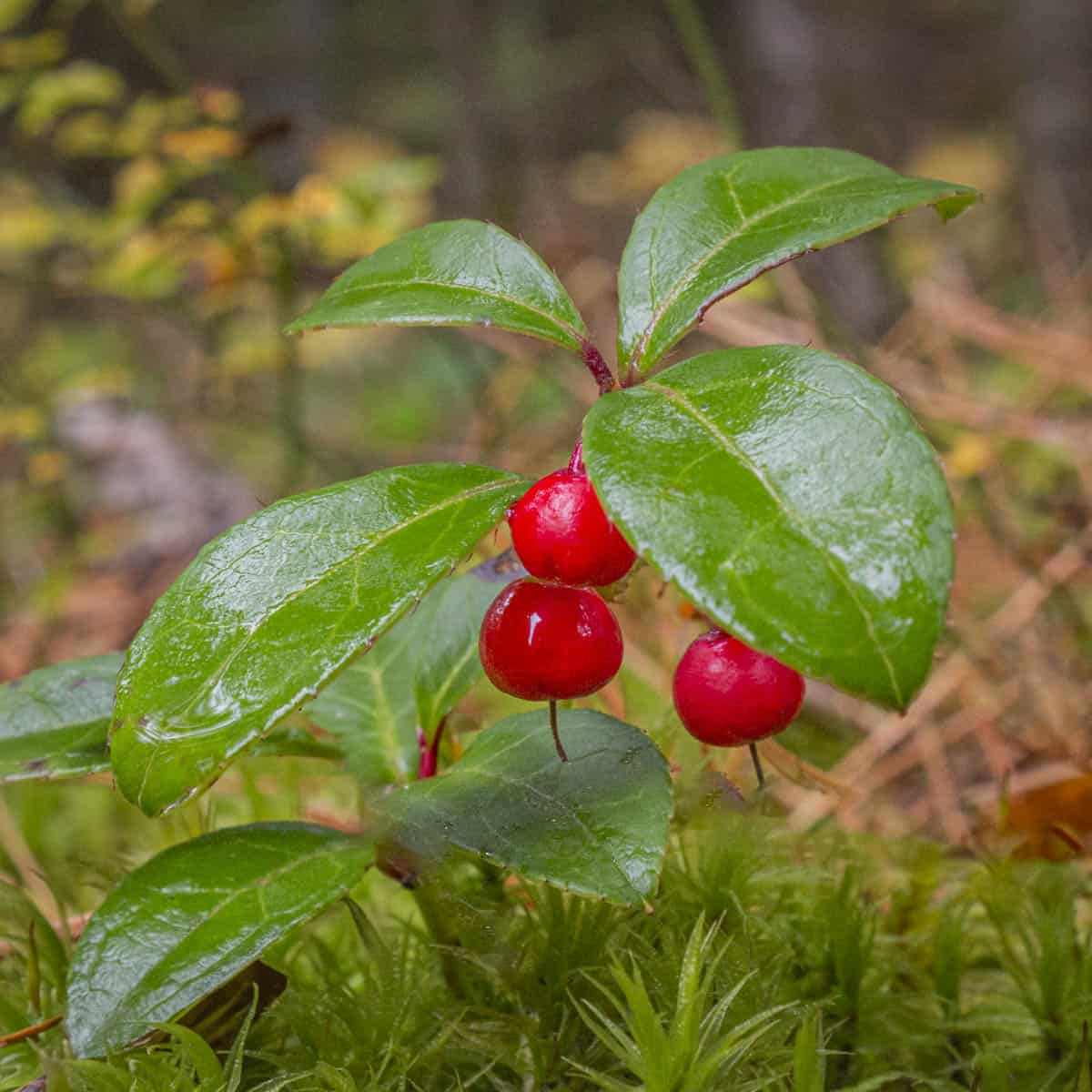
Gaultheria Procumbens, commonly known as Wintergreen or Eastern Teaberry, is a fascinating low-growing evergreen shrub belonging to the heath family (Ericaceae). Its allure stems from its vibrant red berries, glossy dark green leaves, and the distinctive minty aroma of its foliage when crushed, a scent attributed to methyl salicylate. This plant has a rich history of use, both culinary and medicinal, contributing to its common name, Wintergreen, which highlights its persistence through colder months. To truly understand its potential presence in a distant land like Alaska, one must first delve into its botanical profile and specific ecological requirements.
Botanical Profile and Common Names
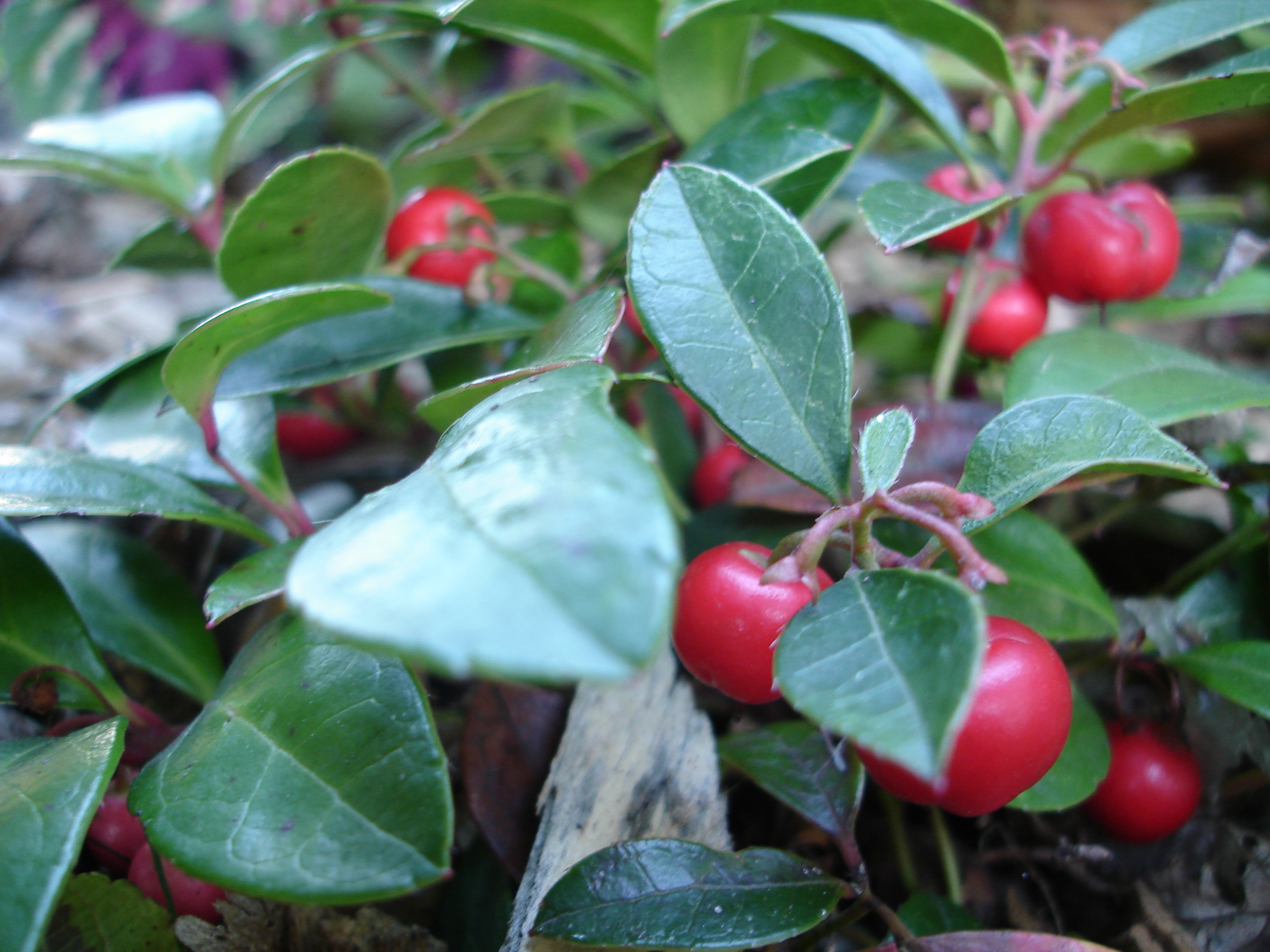
Gaultheria Procumbens typically reaches a height of only 2-6 inches (5-15 cm), spreading by underground rhizomes to form colonies. Its leaves are oval, leathery, and deeply veined, turning a reddish-bronze in winter, adding a splash of color to the forest floor. Small, bell-shaped white or pale pink flowers bloom in late spring to early summer, followed by the appearance of its iconic bright red, edible berries in autumn. These berries can persist through winter, offering a crucial food source for wildlife and a visual treat for human observers. Beyond Wintergreen and Eastern Teaberry, it is also known by names such as Checkerberry and Boxberry, reflecting its varied uses and appearance across different regions. The distinct flavor of its leaves, which can be brewed into a tea, and its historical use in flavoring candies and chewing gum, underscore its cultural significance.
Preferred Habitats and Geographic Range
The natural range of Gaultheria Procumbens is confined almost exclusively to Eastern North America. It thrives in cool, moist, acidic soils found predominantly in deciduous and coniferous forests. Its preferred habitats include woodlands, clearings, and edges of forests, particularly where the soil is rich in organic matter and well-drained but consistently moist. Wintergreen is a common understory plant in the Appalachian Mountains, throughout the Great Lakes region of the United States and Canada, and extending eastward into the Maritime Provinces of Canada. These regions are characterized by a temperate climate with distinct seasons, including cold winters with snow cover and warm, humid summers. The absence of extreme cold in winter (relative to the Arctic), and sufficient precipitation year-round, are critical factors for its survival and proliferation. This specific ecological niche is a key consideration when evaluating its presence in a dramatically different climate zone such as Alaska.
Alaska’s Diverse Ecosystems
Alaska, the United States’ largest state, is a land of unparalleled natural beauty and ecological diversity. Its vastness encompasses a multitude of biomes, ranging from temperate rainforests in the southeast to Arctic tundra in the north. This incredible variety is driven primarily by its geography, proximity to the Arctic Ocean, Bering Sea, and Gulf of Alaska, and dramatic elevation changes. Understanding these distinct climate zones and their associated flora is crucial to determining if the specific habitat requirements of Gaultheria Procumbens could ever be met within Alaskan borders.
Climate Zones and Their Influence
Alaska can be broadly divided into several major climatic regions, each supporting a unique array of plant life. The Southeast Alaska region, often referred to as the Panhandle, experiences a maritime climate. It is characterized by heavy rainfall, mild winters, and cool summers, fostering a dense temperate rainforest ecosystem dominated by large conifers. Moving inland, Southcentral Alaska, including areas like the Kenai Peninsula and around Prince William Sound, exhibits a transitional climate, influenced by both maritime and continental patterns. Here, forests thrive in valleys, while higher elevations host alpine tundra.
Interior Alaska experiences a classic continental climate with extreme temperature fluctuations: very cold winters and relatively warm summers. This region is dominated by the boreal forest, or Taiga. Finally, the vast expanses of Northern and Western Alaska are characterized by an Arctic or subarctic climate, where Tundra ecosystems prevail. Here, temperatures are consistently low, and permafrost prevents deep root penetration, limiting vegetation to hardy, low-growing plants. Each of these zones presents a unique set of challenges and opportunities for plant colonization, dictated by temperature, precipitation, soil conditions, and light availability.
Flora of the Alaskan Taiga and Tundra
The Alaskan Taiga is a vast expanse of coniferous forest, primarily composed of Black Spruce and White Spruce, interspersed with deciduous trees like Birch and Aspen. The understory of the Taiga is often a mosaic of mosses, lichens, and various berry-producing shrubs such as Blueberry, Crowberry, and Lingonberry, which are well-adapted to acidic soils and cold winters.
North of the Taiga lies the Tundra, a treeless biome characterized by permanently frozen subsoil (permafrost). Vegetation here is typically low-growing, consisting of sedges, grasses, mosses, lichens, and dwarf shrubs like Dwarf Birch and Arctic Willow. The growing season is short, and plants must be able to withstand harsh winds and extreme cold. Even in Southeast Alaska’s temperate rainforests, dominated by towering Sitka Spruce and Western Hemlock within areas like the Tongass National Forest, the understory, while lush, consists of species specifically adapted to the region’s unique climate and soil profile. These prevailing plant communities provide a critical lens through which to assess the likelihood of Gaultheria Procumbens establishing a foothold.

Investigating Wintergreen’s Presence in the Far North
Given the distinct habitat preferences of Gaultheria Procumbens and the diverse, yet often extreme, environments of Alaska, the question of its presence becomes a matter of ecological suitability. A thorough examination of botanical records and geographical distribution patterns reveals a clear picture.
Factors Limiting Distribution
The primary factor limiting the distribution of Gaultheria Procumbens in Alaska is climate. While Wintergreen can tolerate cold temperatures, the extreme, prolonged cold of Alaskan winters, especially in the interior and northern regions, falls outside its optimal survival range. Its natural distribution stops well south of the Canadian Shield’s vast subarctic regions, indicating a clear boundary dictated by temperature minima. Furthermore, the soil conditions in much of Alaska, particularly the presence of permafrost in many areas, would hinder its rhizomatous spread and root development. While Gaultheria Procumbens prefers acidic, well-drained, organic-rich soils typical of temperate forests, many Alaskan soils are characterized by different compositions, often with limited organic layers due to slower decomposition rates in cold climates. The length of the growing season is another critical factor; the short, intense growing seasons in most of Alaska may not provide sufficient time for Wintergreen to complete its life cycle, produce viable seeds, and effectively spread.
Based on extensive botanical surveys and distribution maps, Gaultheria Procumbens is not native to Alaska. Its natural range terminates far to the east and south, encompassing the temperate forest zones of North America. There are no credible scientific records or observations placing this specific species within Alaskan ecosystems.
Similar Species and Misidentifications
It is possible for visitors or residents to encounter plants in Alaska that bear a superficial resemblance to Gaultheria Procumbens or share some of its characteristics, potentially leading to misidentification. Alaska is home to a variety of heathland plants (also in the Ericaceae family) that thrive in acidic, often boggy or rocky soils. These include various species of Cranberry (Vaccinium oxycoccos, Vaccinium vitis-idaea – Lingonberry), and Bog Rosemary (Andromeda polifolia), which are low-growing evergreen shrubs with small, often glossy leaves and sometimes red berries. While these plants share a family lineage and some visual traits, none possess the distinct methyl salicylate aroma characteristic of Gaultheria Procumbens. Furthermore, other common Alaskan understory plants like Labrador Tea (Rhododendron groenlandicum) have leathery leaves and a strong aroma, but are distinct in their morphology and chemical composition. Therefore, while Alaska certainly harbors a wealth of fascinating botanical species, Gaultheria Procumbens is not among them.
Exploring Alaska’s Unique Botanical Wonders
While Gaultheria Procumbens is absent from Alaska’s natural landscape, the state offers an incredible array of unique botanical experiences for nature enthusiasts and ecotourism proponents. From its vast forests to its windswept tundras and vibrant coastal ecosystems, Alaska is a living laboratory of adaptation and resilience.
Native Berries and Medicinal Plants
Alaska’s forests and heathlands are incredibly rich in native berry species, many of which are vital food sources for both wildlife and humans, particularly Alaskan Native communities. Blueberries (Vaccinium uliginosum, Vaccinium ovalifolium), Crowberries (Empetrum nigrum), Lingonberries (Vaccinium vitis-idaea), and Cloudberries (Rubus chamaemorus) are widely abundant and sought after. These resilient plants not only provide sustenance but also contribute significantly to the aesthetic beauty of the Alaskan landscape, particularly in autumn when their foliage turns brilliant shades of red and orange. In the wetter coastal regions, Salmonberry (Rubus spectabilis) and Nagoonberry (Rubus arcticus) flourish.
Beyond edible berries, Alaska is also home to numerous plants with traditional medicinal uses. Devil’s Club (Oplopanax horridus), a spiny shrub found in temperate rainforests and moist forests, is highly valued for its medicinal properties. Rhodiola Rosea, often called “Arctic Root,” thrives in cold, high-altitude regions and is gaining recognition for its adaptogenic qualities. Even the ubiquitous Labrador Tea is traditionally used for its calming properties. Exploring these native plants offers a deeper connection to the land and the cultural heritage of Alaska.
Conservation and Ecotourism Opportunities
The unique botanical treasures of Alaska underscore the importance of conservation efforts to preserve these fragile ecosystems. Various state and national parks, such as Denali National Park and the previously mentioned Tongass National Forest, play a crucial role in protecting Alaska’s diverse flora. These protected areas offer unparalleled opportunities for ecotourism, allowing visitors to experience the wild beauty of Alaska responsibly. Guided hikes, botanical tours, and wildlife viewing excursions provide immersive experiences that highlight the intricate relationships between plants, animals, and the environment.
From the vibrant wildflowers of the alpine tundra in the Chugach Mountains to the ancient mosses and lichens of the boreal forest, Alaska’s natural landscapes are a testament to the resilience and beauty of life in the north. While Gaultheria Procumbens may not grace the Alaskan wilderness, the state offers its own spectacular and equally compelling botanical narratives, inviting exploration and appreciation of its distinctive natural heritage.
LifeOutOfTheBox is a participant in the Amazon Services LLC Associates Program, an affiliate advertising program designed to provide a means for sites to earn advertising fees by advertising and linking to Amazon.com. Amazon, the Amazon logo, AmazonSupply, and the AmazonSupply logo are trademarks of Amazon.com, Inc. or its affiliates. As an Amazon Associate we earn affiliate commissions from qualifying purchases.