
When travelers first set foot on the sun-drenched shores of Guam, they are often greeted by a fascinating mix of tropical relaxation and familiar American infrastructure. As an unincorporated territory of the United States, this island in the western Pacific Ocean occupies a unique geopolitical space. For many visitors, especially those coming from the mainland or international hubs in Asia, a common question arises while exploring the local culture: “Can Guam vote for the President of the United States?” The answer is a complex blend of constitutional law and local identity that shapes the very fabric of tourism and daily life on the island.

The Paradox of Citizenship: Understanding Guam’s Political Identity
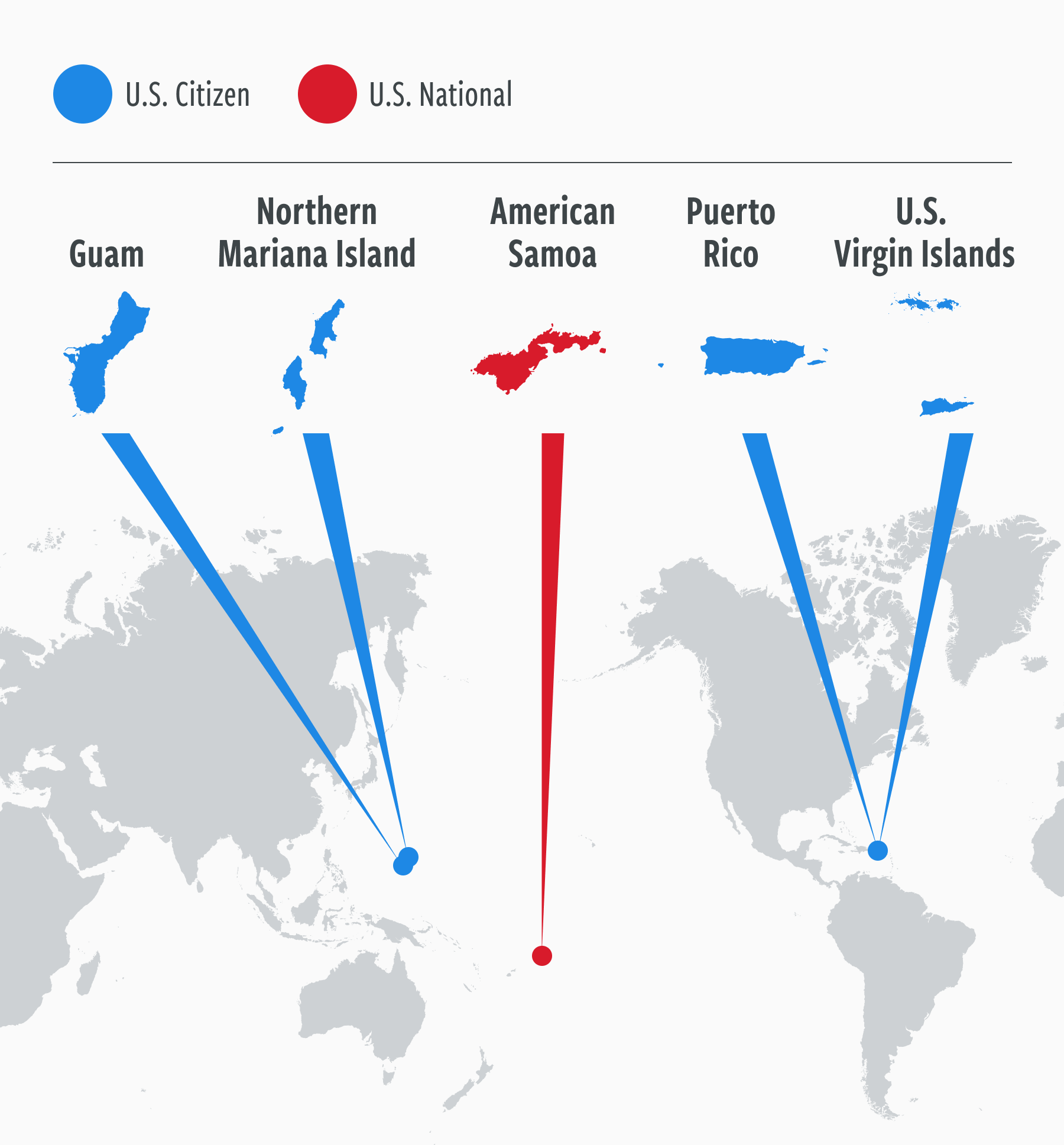
Guam has been under the jurisdiction of the United States since 1898, following the Spanish-American War. While the people born in Guam are natural-born United States citizens, their participation in the federal executive election is not the same as those living in the fifty states.
The Electoral Reality for Residents
Despite being citizens who serve in the military at some of the highest rates per capita in the nation, residents of Guam do not have a vote in the United States general presidential election. This is because the United States Constitution mandates that the President be elected by the Electoral College, which is composed of electors from the states and Washington DC. Since Guam is a territory and not a state, it is not granted electors.
However, the island is not entirely silent during the election season. Guam holds a presidential “straw poll” on the same day as the general election. While the results of this poll do not count toward the Electoral College, they are often seen as a bellwether for the national mood. Furthermore, political parties in Guam send delegates to the national conventions to help select the presidential nominees, ensuring the island’s voice is heard during the primary process.
Why This Matters to the Curious Traveler
For those engaged in cultural tourism, understanding this political nuance provides a deeper appreciation for the local spirit. You will see political signs and hear passionate debates in the cafes of Hagåtña. This “unincorporated” status has fostered a resilient and distinct cultural identity. Residents often describe themselves as being “in but not of” the United States, a sentiment that manifests in a fierce pride for both their American citizenship and their indigenous CHamoru heritage.
Immersive Cultural Experiences in the Heart of Micronesia
Beyond the political intricacies, Guam offers a rich tapestry of experiences that reflect its status as the gateway to Micronesia. The tourism landscape here is built on thousands of years of history, influenced by Spain, Japan, and the United States.
The Living History of the CHamoru People
To truly understand the island, one must start with the CHamoru culture. The best place to experience this is Chamorro Village in the capital city of Hagåtña. Every Wednesday night, the village transforms into a vibrant market filled with the scent of grilled meats, the sounds of local music, and the sight of traditional crafts.
Travelers can witness the construction of a “proa” (a traditional seafaring vessel) or learn about the significance of the “Latte Stone.” These ancient megalithic structures, which can be viewed at Latte Stone Park, served as the foundation for homes in ancient times. They remain a powerful symbol of the island’s endurance and are a “must-see” for any visitor interested in the history of the Pacific Ocean islands.
Culinary Traditions: A Fusion of East and West
The food in Guam is a direct reflection of its diverse history. When you dine at local eateries, you are tasting a narrative of migration and adaptation. A staple of any feast is “Red Rice,” colored by achote seeds brought by the Spanish from the Philippines and Mexico.
Another quintessential dish is “Kelaguen,” a method of “cooking” meat (often chicken, shrimp, or beef) with lemon juice, salt, and spicy peppers. When visiting the Tumon Bay area, which is the hub of the island’s hospitality industry, you will find high-end restaurants serving modern interpretations of these classics alongside traditional BBQ stands. For a truly local experience, try “Finadene,” a salty, tart, and spicy soy-based sauce that accompanies almost every meal on the island.
Exploring the Landscapes and Landmarks of Guam
The geography of Guam is as varied as its politics. From the bustling limestone cliffs of the north to the rolling volcanic hills of the south, the island is a playground for nature lovers and history buffs alike.
Coastal Wonders and Hidden Gems
No trip to the island is complete without a visit to Two Lovers Point, also known as Puntan Dos Amantes. This iconic cliffside lookout offers breathtaking views of the Philippine Sea and tells the legend of two star-crossed lovers who leaped to their deaths rather than be separated.
For those seeking a more secluded experience, Ritidian Point at the northernmost tip of the island offers some of the most pristine white-sand beaches in the region. Part of the Guam National Wildlife Refuge, this area allows visitors to see the island as it might have looked before modern development.
In the southern part of the island, the Inarajan Pools provide a natural swimming experience. These volcanic tide pools are protected from the crashing waves of the Pacific Ocean by a natural rock barrier, making them a favorite spot for local families and intrepid tourists looking for a scenic dip.
Historical Echoes of World War II
The island’s strategic importance in the United States military strategy is evident everywhere. War in the Pacific National Historical Park is a sprawling site that commemorates the bravery of those who fought during the 1944 liberation of the island.
Visiting the Asan Bay Overlook provides a somber but beautiful vantage point over the landing beaches. Here, you can find memorial walls inscribed with the names of the local CHamoru people and United States service members who suffered during the occupation and liberation. To the south, Fort Nuestra Señora de la Soledad in Umatac Bay offers a window into the Spanish colonial era, where cannons still point toward the sea, guarding against 18th-century pirates.
Practical Tips for Visiting America’s Westernmost Territory
Traveling to Guam is unique because it feels like a domestic trip for United States citizens but carries the flair of an international adventure. Because of its location, it is often referred to as “Where America’s Day Begins.”
Logistics, Currency, and Customs
Since Guam is a territory, the currency used is the United States Dollar. For American citizens, no passport is strictly required for entry from the mainland or Hawaii, though it is highly recommended to carry one as flights often transit through international hubs like Tokyo or Seoul.
While English is the official language alongside CHamoru, you will notice that signs in Tumon Bay and Hagåtña are often written in Japanese and Korean as well. This is due to the island’s popularity as a vacation destination for travelers from Japan and South Korea.

Navigating the Island
To get the most out of your trip, renting a car is essential. While there is a public bus system and various trolley services connecting the major hotels in Tumon Bay to shopping centers like the Guam Premier Outlets, the true beauty of the island lies in its rural southern villages.
Driving through Agat or Santa Rita allows you to see the slower pace of island life. You might pass Anderson Air Force Base in the north, a reminder of the island’s ongoing geopolitical significance, before heading south to explore the ruins of the Plaza de España in the heart of the capital.
The question of whether Guam can vote for the President may have a “no” at its core for residents, but the political engagement and cultural pride found on the island are more vibrant than in many parts of the mainland. By understanding the island’s unique status, visitors can better appreciate the complex, beautiful, and resilient spirit of the people of Guam. Whether you are diving into the depths of the Marianas Trench or exploring the historic streets of Umatac, the island offers a perspective on American identity that is both foreign and familiar, making it one of the most compelling destinations in the United States.
LifeOutOfTheBox is a participant in the Amazon Services LLC Associates Program, an affiliate advertising program designed to provide a means for sites to earn advertising fees by advertising and linking to Amazon.com. Amazon, the Amazon logo, AmazonSupply, and the AmazonSupply logo are trademarks of Amazon.com, Inc. or its affiliates. As an Amazon Associate we earn affiliate commissions from qualifying purchases.