
For travelers accustomed to the convenience of modern e-cigarettes, the shift toward stricter hotel policies has become a primary point of friction. As the hospitality industry evolves, so does the technology used to protect property and maintain indoor air quality. Whether you are staying at a high-end property like the Four Seasons Resort in Maui or a boutique stay in New York City, the question remains: can hotels actually detect when you are vaping in your room? The answer is a resounding yes, and the consequences for guests are becoming increasingly severe.
The Evolution of Hotel Detection Technology
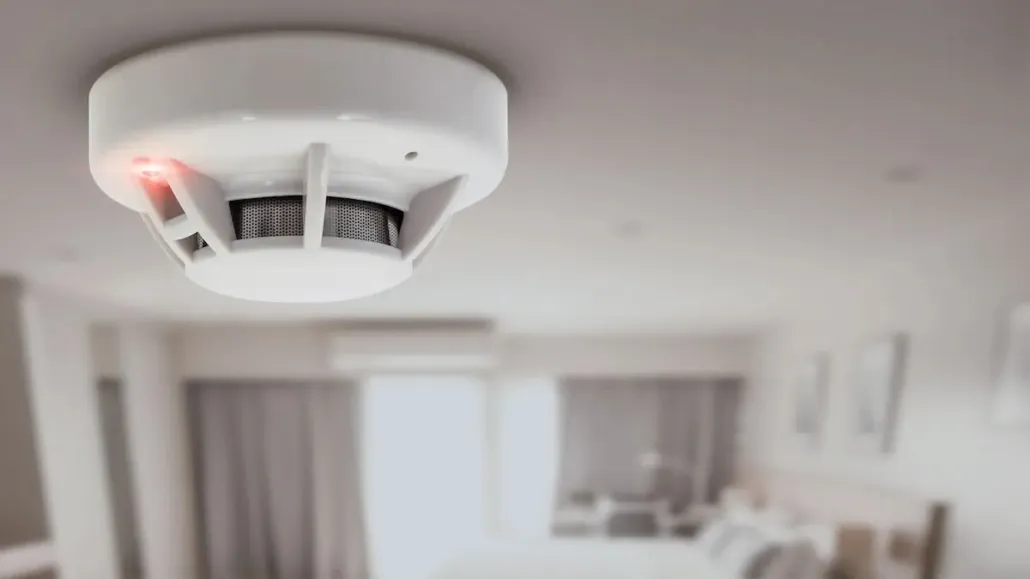
In the past, hotel security relied primarily on traditional smoke detectors, which were designed to sense particulate matter associated with fire. However, the rise of vaping—which produces vapor rather than heavy smoke—rendered many of these legacy systems ineffective. To combat this, hotel chains have invested heavily in advanced air-quality monitoring systems that go far beyond fire safety.

Advanced Sensor Systems
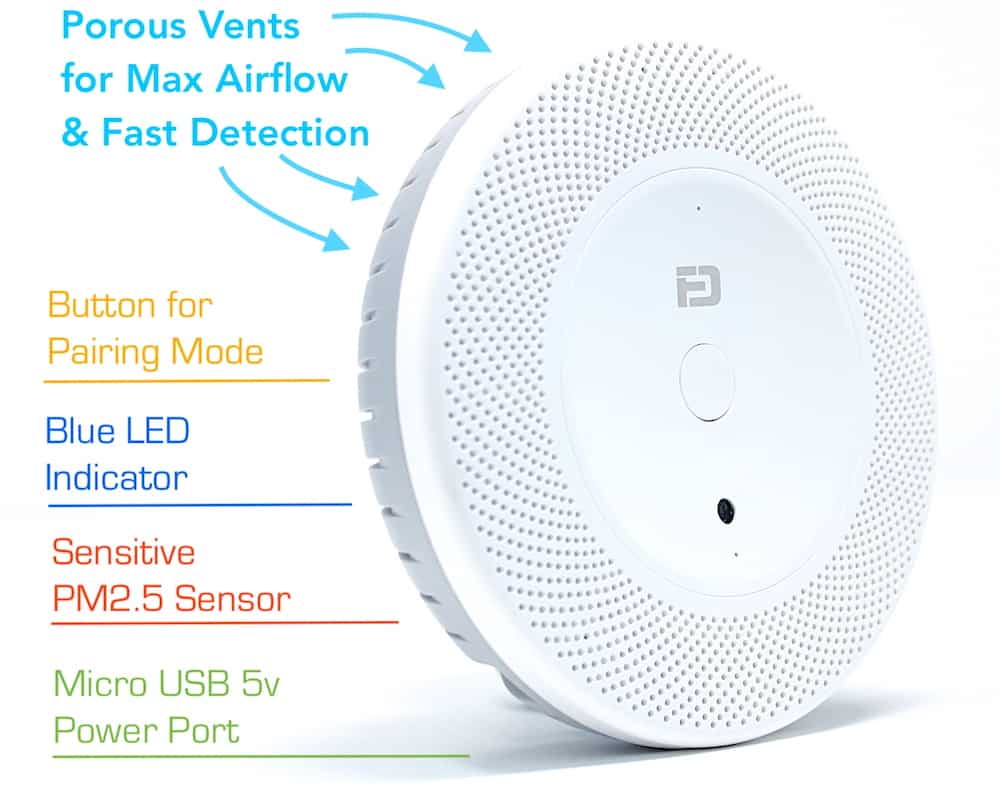
Modern hotels, particularly those managed by major brands like the Marriott International, now frequently utilize specialized environmental sensors. Unlike basic smoke alarms, these devices are designed to detect the specific chemical composition of vape aerosols. They measure fine particulate matter (PM2.5) and volatile organic compounds (VOCs) that are signature components of e-liquid vapor. When these levels spike, the sensor alerts management or security in real-time, pinpointing exactly which room triggered the alarm.
The Role of Air Quality Monitors
Beyond just detecting vapor, these smart sensors are often integrated into the building management systems. If you are staying at a luxury location like the Ritz-Carlton in Dubai, the ventilation systems are often synchronized with air quality monitors. If an anomaly is detected, the HVAC system may automatically increase airflow to the room, or security may be dispatched to investigate the source of the air pollution.
Why Hotels Enforce Strict No-Vaping Policies
It is a common misconception that vaping is harmless to a hotel room environment. While it does not leave behind the same pungent, lingering odor as traditional tobacco smoke, it creates a unique set of maintenance and legal challenges that hotels are desperate to avoid.
Damage to Sensitive Electronics
Hotel rooms are packed with high-end technology and delicate surfaces. E-cigarette vapor often contains humectants like propylene glycol and glycerin, which leave a sticky, invisible residue on surfaces. Over time, this residue can coat sensitive electronics, including televisions, smart room interfaces, and climate control panels. In a property as meticulously maintained as the Waldorf Astoria, even minor degradation of equipment leads to expensive repairs and shortened lifespans for room amenities.
The Problem of Housekeeping and Turnaround
One of the primary concerns for hotel operators is the “turnaround” process. If a room is vaped in, the residue can settle into soft furnishings, curtains, and carpets. Housekeeping staff are trained to identify the faint, sweet, or chemically distinct scents associated with various vape juices. Even if you believe you are being discreet, these scents often linger in enclosed spaces, forcing management to pull a room out of inventory for deep cleaning. This results in significant revenue loss, which is why most luxury resorts in destinations like Singapore or London have strict no-tolerance policies.
Consequences for Guests
If you are caught vaping, the consequences are rarely just a warning. Most hotels include a “no-smoking/no-vaping” clause in the digital agreement you sign during check-in. By violating this, you are effectively breaking a contract.
Cleaning Fees and Penalties
The most immediate repercussion is a steep cleaning fee. These are not merely administrative costs; they are designed to be punitive to deter future behavior. At a premium property like the St. Regis, these fines can range from $250 to $500, depending on the severity of the cleaning required (e.g., if curtains or carpets require specialized professional cleaning).
Eviction and Blacklisting
For repeat offenders or guests who trigger fire alarms due to excessive vapor, the consequences can be much more drastic. Hotels have the right to evict guests for violating safety policies. If you are evicted from a hotel, you will not receive a refund for the remainder of your stay. Furthermore, large hospitality groups often maintain “Do Not Rent” lists. If you are flagged for smoking or vaping in a Hilton Hotels and Resorts property, you may find that your profile is flagged across their global network, making it difficult to book future stays at any of their associated brands.
Best Practices for Travelers
If you are a traveler who uses vaping products, it is essential to navigate hotel policies with respect and transparency to avoid unnecessary expenses or travel disruptions.
Understanding Hotel Policy Before You Arrive
Before finalizing your booking, check the property’s policy on smoking and vaping. Most websites, including those for the Mandarin Oriental, clearly state that their facilities are entirely smoke-free, which includes all e-cigarettes and vaping devices. If you are uncertain, a quick call to the concierge desk can clarify where the designated outdoor smoking areas are located.
Utilize Designated Areas
Almost every major hotel, from the InterContinental in Paris to the Park Hyatt in Tokyo, provides clearly marked outdoor zones for smoking. While it may be inconvenient to leave your room and walk to a designated area, it is the only way to ensure you are compliant with the hotel’s rules.
Honesty Goes a Long Way
If you have accidentally triggered an alarm, it is almost always better to be honest with front desk staff immediately. If you proactively report the incident and offer to pay for any necessary cleaning before the hotel has to discover it themselves, management may be more lenient. However, attempting to cover up the scent with perfumes or by spraying aerosols can often make the situation worse, as it creates a mixture of odors that are even more noticeable to housekeeping staff.
Conclusion
As smart detection technology becomes more affordable and reliable, the days of being able to discreetly vape inside a hotel room are effectively over. The modern hospitality environment is designed to be monitored, and hotels are increasingly protective of their air quality and the longevity of their furnishings. By respecting the rules and utilizing the designated outdoor areas, you ensure a stress-free experience, avoid hefty, unexpected fines, and maintain your standing as a welcome guest at world-class accommodations. When traveling to iconic locations like Las Vegas or Hong Kong, remember that your room is a shared space, and keeping it fresh and smoke-free is an expectation that will continue to be enforced with increasing precision.
LifeOutOfTheBox is a participant in the Amazon Services LLC Associates Program, an affiliate advertising program designed to provide a means for sites to earn advertising fees by advertising and linking to Amazon.com. Amazon, the Amazon logo, AmazonSupply, and the AmazonSupply logo are trademarks of Amazon.com, Inc. or its affiliates. As an Amazon Associate we earn affiliate commissions from qualifying purchases.