
For many travelers, the dream of a vacation begins with the click of a “book now” button. However, the excitement of planning a trip to a destination like Paris or securing a room at the Ritz Carlton can quickly turn into frustration if your payment method is declined or questioned at the front desk. A common question arises for those who prefer not to use credit: can you book a hotel with a debit card? The short answer is yes, but the long answer involves understanding how hotels manage financial risk, handle security deposits, and process authorizations.
Understanding the Hotel Perspective on Debit Cards
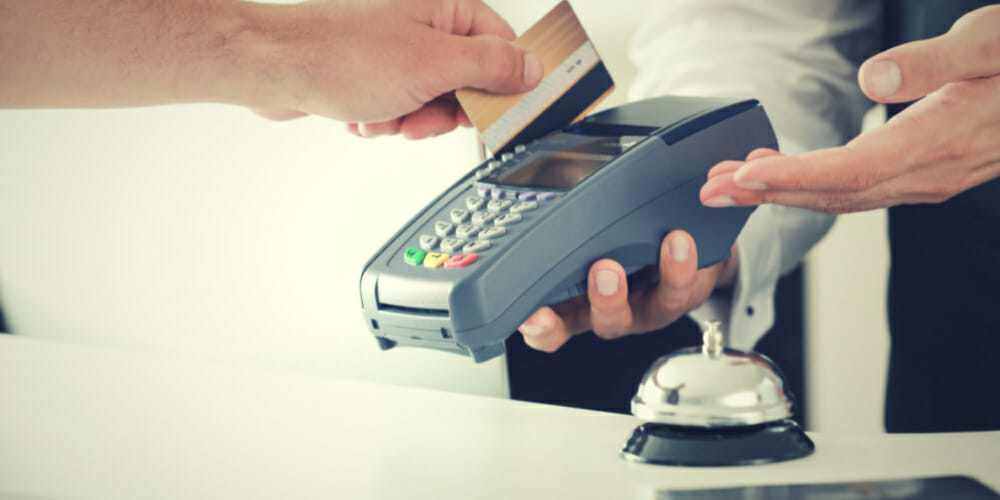
Hotels operate on a business model that relies heavily on “holds” or “authorizations.” When you check into a property, the hotel is not just charging you for the room rate; they are reserving a specific amount of money to cover potential incidentals—such as room service, minibar usage, or accidental damage.
The Mechanism of Authorizations
When you present a credit card, the bank simply places a temporary hold on your available credit line. This does not physically remove money from your bank account; it merely earmarks it for the hotel. When you check out, the hotel settles the final bill, and the temporary hold is lifted.
With a debit card, the process is fundamentally different. Because a debit card is linked directly to your checking account, a “hold” acts as a reduction in your actual, liquid cash. If a hotel places a $200 hold on your debit card for incidentals, that money is effectively frozen. You cannot use it for dinner, gas, or other travel expenses until the hotel releases the funds. This is why many travelers prefer credit cards, but for those who do not have one or choose not to use one, navigating these policies requires a bit of strategy.
Why Hotels Are Wary of Debit Cards
Hotels are businesses designed to minimize loss. When a guest pays with a credit card, the bank assumes the risk of the transaction. With a debit card, if a guest damages a room or runs up a massive bill that exceeds their bank balance, the hotel may find it difficult or impossible to recover those funds once the guest has checked out. Consequently, some independent boutique hotels or high-end luxury resorts in cities like New York may have stricter policies regarding debit cards compared to large, standardized chains like Marriott International.
Best Practices for Booking with a Debit Card
If your primary payment method is a debit card, you do not need to cancel your trip to the Grand Canyon. Instead, you should focus on preparation. Being proactive can prevent the embarrassment of a declined transaction or the stress of having your funds tied up longer than necessary.
Call Ahead to Confirm Policies
The most important step is to contact the specific property directly before you arrive. While a brand might have a global policy, the local management of a hotel in London or Tokyo may have the final say. When you call, ask specific questions:
- “Do you accept debit cards for the final payment?”
- “What is the amount of the incidental hold for a standard room?”
- “How long does it typically take for the hold to be released after I check out?”
Maintain a Buffer in Your Account
If you are traveling on a budget, ensure your checking account has a significant buffer beyond the cost of your room. If your room costs $500 and the hotel places a $200 hold, you need to ensure you have $700 available. If you have only $550, you might find yourself unable to purchase food or transit tickets because the hotel has restricted your liquidity.

Use a Debit Card with a Visa or Mastercard Logo
Most hotels will only accept debit cards that are issued through major payment networks like Visa or Mastercard. These cards are processed through the credit network, which is generally more reliable for hotel systems than basic ATM cards or local banking cards that lack a major network emblem.
What to Expect at Check-In and Check-Out
The friction often occurs at the front desk. To streamline your experience, have your documentation ready and understand the lifecycle of your payment.
Presenting Identification
Because debit cards carry a higher risk of fraud, front desk agents are often more diligent about verifying identity. You will almost certainly be asked for a government-issued photo ID that matches the name on the debit card. If you are booking a room at the Four Seasons Resort as a surprise for a partner, ensure the cardholder is present, or the hotel may refuse the check-in entirely.
The Checkout Delay
The most common complaint from travelers using debit cards is the “lingering hold.” After you check out, the hotel sends a signal to your bank to release the funds. However, the speed of this release depends entirely on your financial institution. While some major banks release these funds within 24 to 48 hours, smaller regional banks or credit unions may take up to a week.
If you are concerned about your cash flow, ask the front desk at checkout to provide you with a printed folio of your final charges. Having this receipt can sometimes help you expedite the process if you need to call your bank and request that they manually remove the hold.
Debit Cards vs. Prepaid Cards
It is crucial to distinguish between a standard bank-issued debit card and a prepaid card. Many hotels, especially those near Las Vegas or other high-traffic destinations, strictly prohibit the use of prepaid cards or gift cards for check-in. This is because these cards lack the overdraft capability that a traditional bank account offers, leaving the hotel with no recourse if incidental charges accrue. If you arrive with only a prepaid card, you may be denied a room, regardless of how much credit is loaded onto it.
Alternative Solutions for Frictionless Stays
If you find that the debit card process is becoming too cumbersome for your travel lifestyle, there are alternatives that provide the security of a debit card with the convenience of a credit card.
Prepaid Travel Cards
Some modern fintech companies offer travel-specific cards that function similarly to debit cards but offer higher transparency regarding holds. Before you travel to a historic destination like Rome, research cards that are designed for international travel, as they often have lower foreign transaction fees and clearer policies regarding how merchants handle deposits.
Using a Credit Card for Security Only
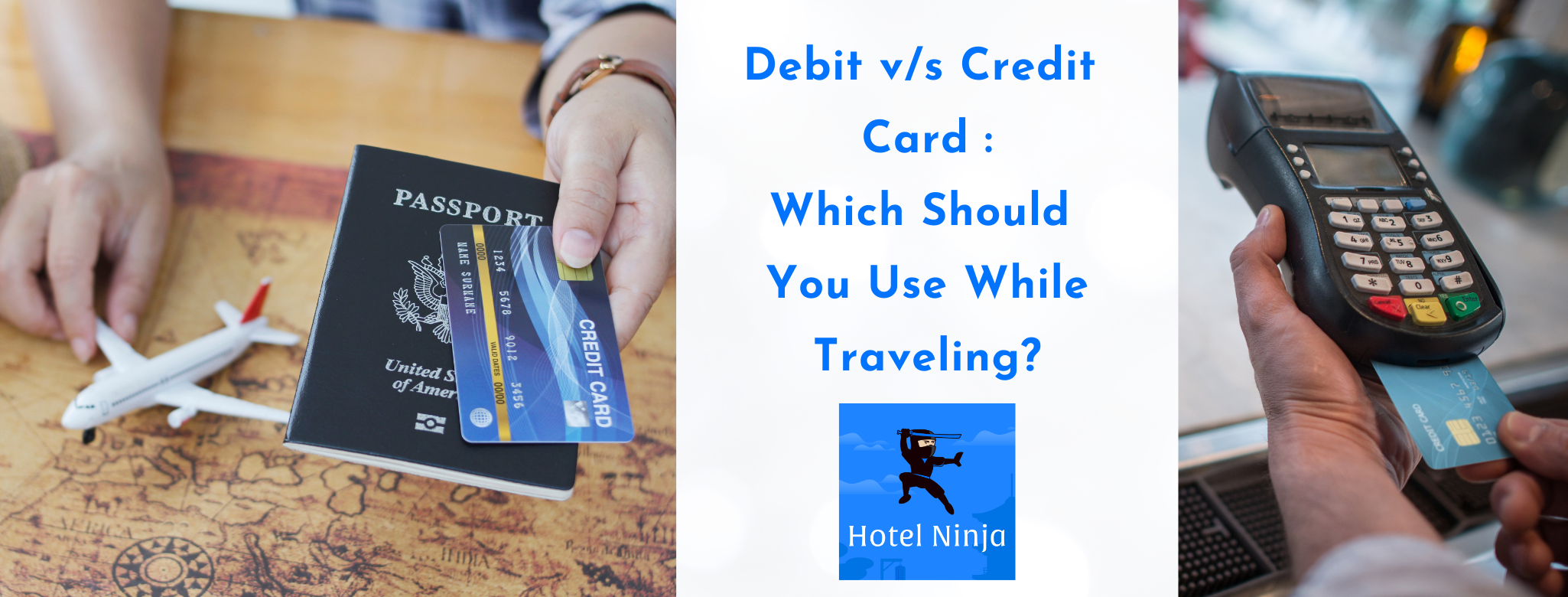
If you have access to a credit card but prefer to pay your final bill with a debit card to keep your expenses organized, you can often provide the credit card at check-in to satisfy the security deposit requirement. Once you check out and pay the final bill with your debit card, the credit card hold is removed. This allows you to use the credit card as a “guarantee” without actually incurring any debt, ensuring your liquid cash remains untouched throughout your stay.
Ultimately, while the banking world clearly favors credit cards for the hospitality industry, you can absolutely book a hotel with a debit card. By understanding the authorization process, confirming policies with your hotel in advance, and maintaining a healthy balance in your account, you can enjoy your time at places like the Burj Al Arab or a cozy bed and breakfast without any financial stress. Preparation is the hallmark of a seasoned traveler, and knowing your payment options is the first step toward a seamless vacation experience.
LifeOutOfTheBox is a participant in the Amazon Services LLC Associates Program, an affiliate advertising program designed to provide a means for sites to earn advertising fees by advertising and linking to Amazon.com. Amazon, the Amazon logo, AmazonSupply, and the AmazonSupply logo are trademarks of Amazon.com, Inc. or its affiliates. As an Amazon Associate we earn affiliate commissions from qualifying purchases.