
Navigating the legal landscape of firearm ownership and carry, particularly when traveling or considering relocation, can be complex. For many, understanding the regulations in a specific state is paramount to ensuring compliance and personal safety. This article delves into the specifics of carrying a handgun in Alabama without a permit, a topic of significant interest for residents and visitors alike. We will explore the legal framework, essential considerations, and practical implications for those wishing to carry a concealed or openly carried handgun within the state.
Alabama’s Approach to Firearm Carry
Alabama has historically taken a favorable stance on firearm rights, and its laws reflect a commitment to the Second Amendment. The state operates under a system that significantly simplifies the process of carrying a handgun compared to many other jurisdictions.
Constitutional Carry
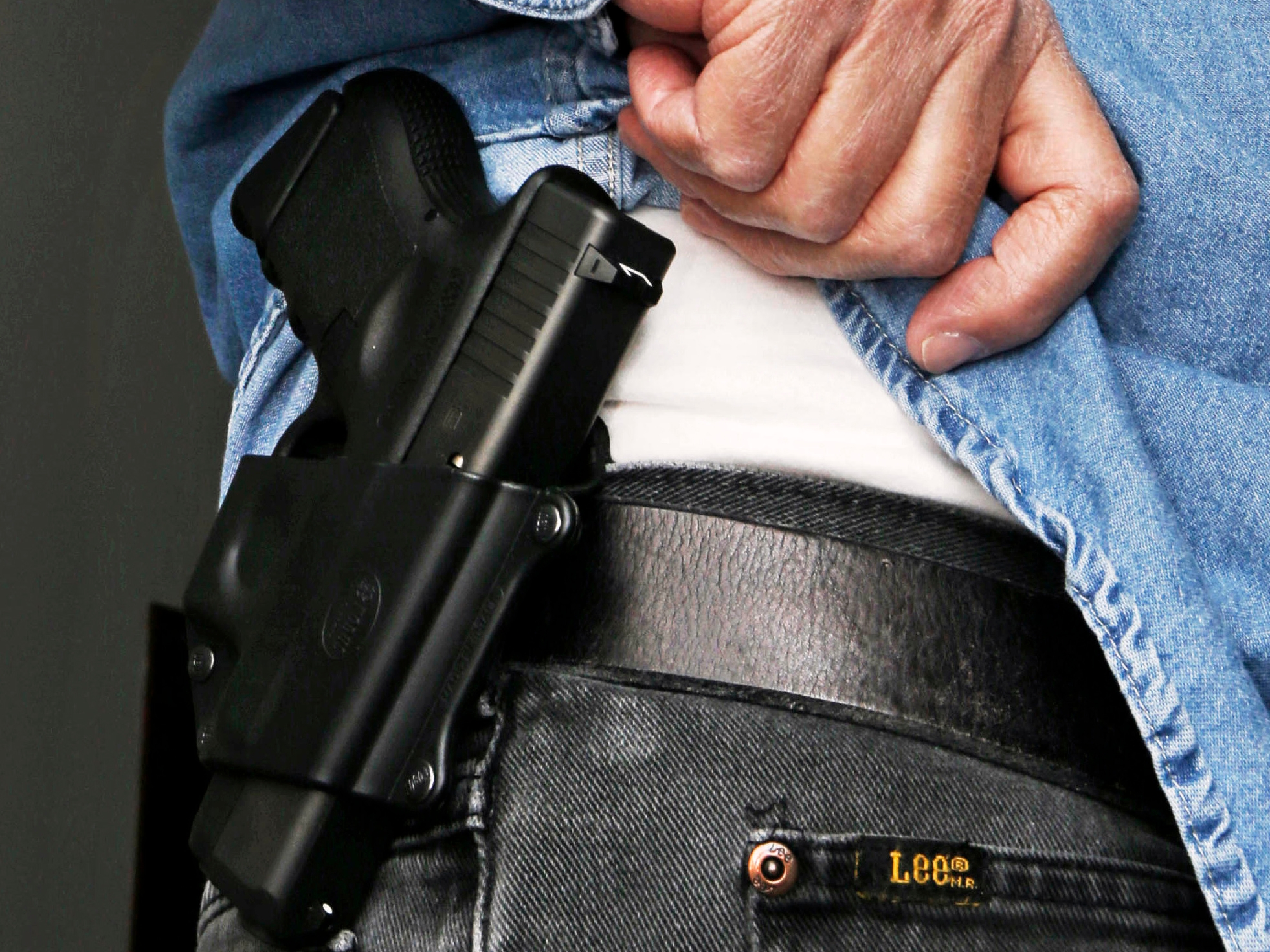
The key piece of legislation that governs this topic in Alabama is often referred to as “constitutional carry” or “permitless carry.” This means that eligible individuals can legally carry a pistol, either openly or concealed, without the need to obtain a specific permit from the state. This has been a significant shift, allowing for greater freedom of carry for law-abiding citizens.
Eligibility Requirements
While Alabama permits carry without a permit, it is crucial to understand that not everyone is automatically eligible. There are specific criteria that must be met to legally carry a handgun under this provision.
Age
Individuals must be at least 18 years of age to carry a pistol in Alabama without a permit. This aligns with the general age of majority and the ability to enter into contracts and assume legal responsibilities.
Criminal Background
A fundamental requirement for permitless carry is a clean criminal record. Those who have been convicted of certain felonies or misdemeanors, particularly those involving violent crimes, drug offenses, or domestic violence, are prohibited from carrying firearms. This prohibition extends to individuals who are subject to domestic violence restraining orders or have been adjudicated as mentally defective.
Other Prohibitions
Beyond felony convictions, Alabama law also prohibits individuals who have been dishonorably discharged from the U.S. Armed Forces, are unlawfully present in the United States, or have renounced their U.S. citizenship from carrying firearms. Understanding these disqualifications is vital to avoid legal entanglements.
Where You Can and Cannot Carry
Even with permitless carry, there are restrictions on where firearms can be legally carried in Alabama. These restrictions are in place to ensure public safety in sensitive locations.
Prohibited Locations
Certain locations are designated as firearm-free zones, regardless of whether you have a permit or are carrying under constitutional carry. These typically include:
- Courthouses: Buildings that house judicial proceedings are generally off-limits.
- Polling Places: During voting hours and on election days, firearms are prohibited at polling stations.
- Schools: This includes K-12 schools and institutions of higher learning. While specific exceptions might exist for licensed educators in some contexts, general carry by the public is usually restricted.
- Federal Buildings: Buildings owned or operated by the federal government are subject to federal firearms regulations.
- Law Enforcement Buildings: Facilities where law enforcement agencies operate are typically restricted.
- Correctional Facilities: Prisons and jails are strictly firearm-free zones.
It is imperative for individuals to be aware of signage posted at these locations, as ignorance of the law is generally not a valid defense.
Carrying in Vehicles
Alabama law generally permits individuals to carry firearms in their vehicles. The firearm can be openly displayed or concealed within the vehicle. However, it is crucial to ensure that the firearm is not readily accessible to minors. If a minor gains access to the firearm, the owner could face legal consequences.
Carrying on Private Property
Generally, property owners have the right to prohibit firearms on their private property. This can be done through verbal communication or by posting signage. If you are asked to leave private property with a firearm, you must do so without delay.

Considerations for Travelers and Residents
For those planning a trip to Alabama or considering establishing residency, understanding these firearm laws is crucial.
Reciprocity with Other States
While Alabama recognizes permits from other states, the permitless carry law means that a permit is not necessary for a Alabama resident or a visitor to carry. However, if you are traveling from a state that does require a permit to carry, you will need to ensure you have that permit and are adhering to Alabama’s regulations. It is always advisable to research the laws of any state you plan to travel through or visit.
Open Carry vs. Concealed Carry
Alabama’s permitless carry law allows for both open carry and concealed carry.
- Open Carry: This involves carrying a handgun in plain view, such as in a holster on your hip. While legal, open carry can sometimes attract unwanted attention or cause alarm in certain communities.
- Concealed Carry: This involves carrying a handgun discreetly, so it is not visible to others. This is often the preferred method for those who wish to carry a firearm without drawing attention.
There is no legal distinction in Alabama between open carry and concealed carry when it comes to permit requirements, as both are allowed without a permit for eligible individuals.
Safe Storage and Transportation
Even though Alabama has permitless carry, responsible firearm ownership and handling are paramount. This includes:
- Safe Storage: When not carrying your firearm, it should be stored securely to prevent unauthorized access, especially by children. This typically means using a gun safe, lockbox, or trigger lock.
- Transportation: When transporting a firearm that is not on your person, it should be unloaded and secured in a case. Ammunition should be stored separately from the firearm.
The Importance of Training
While a permit may not be required, that does not negate the importance of proper firearm training. Taking a certified firearms safety course can provide invaluable knowledge and skills, including safe handling, marksmanship, and an understanding of the legal responsibilities associated with carrying a firearm. Many responsible gun owners choose to obtain a concealed carry permit anyway, even in permitless carry states, as it can provide reciprocity in other states and serve as a valuable identification for law enforcement.
Legal Nuances and Best Practices
Understanding the letter of the law is essential, but so is practicing responsible gun ownership.
Duty to Inform Law Enforcement
In Alabama, if you are lawfully carrying a handgun and are stopped by a law enforcement officer, you are generally required to inform the officer that you are carrying a firearm. Failure to do so can lead to legal trouble. It is advisable to remain calm, follow the officer’s instructions, and clearly state that you are armed.
Ammunition and Magazine Capacity
Alabama does not currently have restrictions on the type of ammunition that can be used or the capacity of magazines for handguns. However, this is an area of law that can evolve, and it is always wise to stay informed about any potential legislative changes.
Responsible Citizenry
Carrying a firearm is a significant responsibility. It is vital to be a responsible citizen, understand the laws thoroughly, and act with prudence and respect for the rights and safety of others. This includes avoiding situations that could lead to confrontation and only using a firearm as a last resort in self-defense situations, in accordance with Alabama law.
Seeking Legal Counsel
For specific legal questions or unique circumstances, consulting with a qualified attorney specializing in firearms law in Alabama is always the most prudent course of action. Laws can be complex, and individual situations may have nuances that only legal counsel can adequately address.

Conclusion
In summary, Alabama allows eligible individuals to carry a handgun, either openly or concealed, without the need for a specific permit, under its constitutional carry provisions. However, this freedom comes with significant responsibilities. Eligibility requirements, prohibited locations, and safe handling practices are all critical components of legally and responsibly carrying a firearm in the state. For visitors and residents alike, a thorough understanding of these laws and a commitment to safe and lawful conduct are paramount.
LifeOutOfTheBox is a participant in the Amazon Services LLC Associates Program, an affiliate advertising program designed to provide a means for sites to earn advertising fees by advertising and linking to Amazon.com. Amazon, the Amazon logo, AmazonSupply, and the AmazonSupply logo are trademarks of Amazon.com, Inc. or its affiliates. As an Amazon Associate we earn affiliate commissions from qualifying purchases.