
The logistics of modern travel often defy the standard nine-to-five schedule. Whether it is a delayed flight landing at Heathrow Airport in the middle of the night, a long-distance road trip across the United States, or a business meeting in Tokyo that ran well into the evening, many travelers find themselves asking: “Can I check in late to a hotel?” The short answer is yes, but the execution depends heavily on the type of property, the specific policies of the hotel brand, and the level of communication established before you arrive at the front desk.
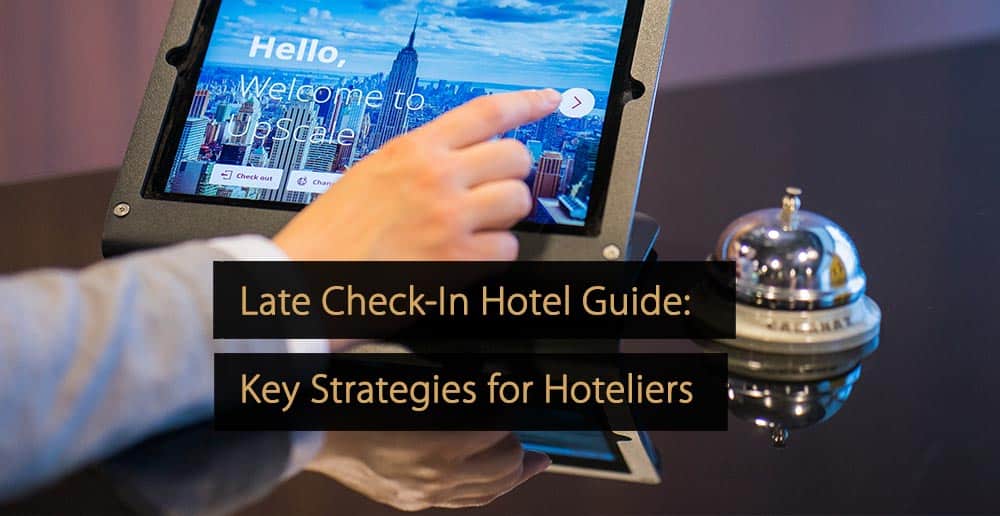
In the high-stakes world of hospitality, understanding the nuances of late arrivals is essential for ensuring your suite or room is waiting for you, rather than being released to a walk-in guest. From luxury landmarks like the Burj Al Arab in Dubai to budget-friendly options like Holiday Inn, the protocols for handling “no-shows” and late-night check-ins vary significantly.
Understanding Hotel Check-In Protocols and the Night Audit
Most hotels have a standard check-in time, typically ranging from 2:00 PM to 4:00 PM. However, the “end” of the check-in window is often more ambiguous. In the hospitality industry, the day doesn’t technically end at midnight; it ends when the “Night Audit” is performed. This is a critical administrative process where the hotel’s property management system (PMS) rolls over to the next business day.
The Role of the Night Auditor
At major international chains such as Marriott or Hilton, a dedicated staff member known as the Night Auditor typically comes on duty around 11:00 PM. Their primary responsibility is to reconcile the day’s accounts and transition the system. If you arrive at a hotel in New York City or London at 2:00 AM, the Night Auditor is the person who will facilitate your check-in. Because large-scale hotels operate 24/7, arriving late is rarely an issue as long as the reservation is “guaranteed.”
The “No-Show” Risk
The primary danger of a late arrival without prior notification is being marked as a “no-show.” Most hotels hold a room until a specific time—often midnight or 2:00 AM. If the Night Auditor begins their process and sees an unfulfilled reservation, they may cancel it to free up the inventory or charge the first night’s stay as a penalty. In high-demand cities like Paris or Hong Kong, where occupancy rates are frequently near 100%, a room that appears empty at 1:00 AM might be reassigned to a traveler seeking a last-minute place to stay.
How to Secure Your Reservation for a Late Arrival
The key to a successful late check-in is proactive communication. Hotels are service-oriented businesses, and they generally want to accommodate your schedule, provided they know what that schedule is.
Communication is Paramount
If you know your flight to Changi Airport will land late, or your train into Berlin is delayed, the first step is to call the hotel directly. While central reservation lines are helpful, speaking to the front desk at the actual property in Singapore ensures that a note is placed directly on your profile. Mention your estimated time of arrival (ETA) and request that they keep the reservation active past the Night Audit.
Using Digital Tools and Mobile Apps
Modern hospitality technology has made late check-ins more seamless than ever. Brands like Hyatt and The Ritz-Carlton offer mobile apps that allow for digital check-in. In many cases, you can check in via your smartphone while still in transit. Some properties even provide a “Digital Key,” allowing you to bypass the front desk entirely and go straight to your room using your phone’s Bluetooth capabilities. This is particularly common in tech-forward cities like San Francisco or Seoul.
Guaranteed Reservations
Always ensure your booking is “guaranteed” with a credit card. A guaranteed reservation means the hotel is contractually obligated to hold the room for you regardless of how late you arrive, provided they can successfully process the payment. If you are staying at a high-end resort like the Bellagio in Las Vegas, they are accustomed to guests arriving at all hours of the night and will maintain your booking as long as the financial guarantee is in place.
Navigating Different Property Types and Regional Variations

The experience of checking in late can differ wildly depending on the type of accommodation you have booked and the country you are visiting.
Luxury Hotels and Global Chains
Full-service hotels and luxury resorts, such as those managed by Four Seasons or InterContinental, are the most accommodating for late arrivals. These properties maintain 24-hour staffing, including bellhops, security, and sometimes even limited room service. In major hubs like Dubai or Los Angeles, these hotels are designed for the international traveler whose internal clock may be set to a completely different time zone.
Boutique Hotels and Bed & Breakfasts
Smaller boutique hotels, particularly in Europe, may not have 24-hour reception. A small villa in Tuscany or a boutique lodge in Kyoto might lock their front doors at 10:00 PM. In these instances, the hotel may provide you with a code for a key box or have a designated staff member live on-site to let you in. If you fail to inform a smaller property in Italy or France of a late arrival, you could find yourself locked out with no way to contact the staff until morning.
Apartment-Style Accommodations and Long-Term Stays
For those staying in serviced apartments or long-term stay facilities in cities like Sydney or Toronto, the check-in process often involves a concierge or a secure lockbox. Brands like Westin or Sheraton often have clear protocols for these arrivals, but it is vital to check if the check-in desk is located at a separate administrative building, which is common in some resort complexes in Mexico or Spain.
Potential Challenges and How to Overcome Them
Even with the best planning, late-night arrivals can present unique challenges that travelers should be prepared to handle.
The Problem of “Overbooking”
In rare cases, a hotel might overbook its rooms, assuming that a certain percentage of guests will not show up. If you arrive very late at a property in Chicago and the hotel is full, you may be “walked.” This means the hotel must find you a room at a comparable property nearby and pay for your transportation and the first night’s stay. While this is a standard industry practice for brands like Marriott, it is an inconvenience that is best avoided by confirming your arrival early in the day.
Limited Services and Amenities
While you can check in late, you should manage your expectations regarding hotel amenities. The award-winning restaurant at a hotel in Barcelona will likely be closed by 2:00 AM. Similarly, spa facilities, gyms, and even certain elevators may have restricted access during the late-night hours. If you are arriving late at a resort in Bali and were hoping for a late meal, it is wise to check the availability of 24-hour dining or “grab-and-go” pantries.
Safety and Security Considerations
Arriving in a new city like Rome or Rio De Janeiro late at night requires an extra layer of caution. Ensure you have the exact address of the hotel written down and, if possible, use a reputable taxi service or a ride-sharing app. Most reputable hotels have security personnel on duty at night, but the entrance may be restricted to guests with key cards. Use the intercom at the main entrance to alert the Night Auditor of your arrival.
Best Practices for the Late-Night Traveler
To ensure that your late-night check-in is as stress-free as possible, follow these professional tips:
- Reconfirm the Day Of: On the morning of your arrival, send a quick email or use the hotel’s chat feature to reconfirm your ETA. This is especially important in high-traffic destinations like Orlando or Las Vegas.
- Keep Your Phone Charged: Your phone is your lifeline for communication and, potentially, your digital key. If you are traveling through Japan or Germany, ensure you have the necessary power adapters to keep your device functional.
- Check the “End of Day” Time: Ask the hotel when they perform their Night Audit. If the audit happens at 3:00 AM and you arrive at 3:30 AM, you might technically be checking in on the “next” day in their system, which can sometimes cause confusion with billing.
- Join Loyalty Programs: Members of loyalty programs for brands like Hilton or Marriott often receive priority handling. If a hotel is overbooked, a loyalty member is far less likely to be “walked” than a guest who booked through a third-party discount site.
- Review the Cancellation Policy: If your late arrival turns into a “no arrival” due to a cancelled flight at John F Kennedy International Airport, knowing the cancellation window is crucial for avoiding unnecessary charges.
In conclusion, checking in late to a hotel is a standard part of the modern travel experience. While the hospitality industry is built to accommodate the weary traveler at any hour, the success of a late-night arrival depends on the infrastructure of the property and the clarity of the guest’s communication. Whether you are seeking the luxury of a suite at the Four Seasons or a simple room at a Holiday Inn, a few minutes of preparation can ensure that the transition from the road to your bed is a seamless one.
LifeOutOfTheBox is a participant in the Amazon Services LLC Associates Program, an affiliate advertising program designed to provide a means for sites to earn advertising fees by advertising and linking to Amazon.com. Amazon, the Amazon logo, AmazonSupply, and the AmazonSupply logo are trademarks of Amazon.com, Inc. or its affiliates. As an Amazon Associate we earn affiliate commissions from qualifying purchases.