
Navigating financial shifts is a fundamental aspect of maintaining one’s desired lifestyle, especially in a vibrant and often costly state like California. For many, reduced work hours can introduce significant financial strain, prompting questions about eligibility for unemployment benefits. Understanding the mechanisms available through the California Employment Development Department (EDD) is crucial for individuals seeking to stabilize their economic footing and preserve their lifestyle amidst income reductions. This guide delves into the specifics of collecting Unemployment Insurance (UI) in California when your hours are cut, framing it as a vital component of financial resilience and proactive lifestyle management.
Navigating Financial Stability Amidst Reduced Work Hours
A reduction in work hours, whether due to economic downturns, seasonal changes, or employer-specific decisions, directly impacts an individual’s financial health. For many California residents, maintaining a certain quality of life hinges on consistent income. When that income is threatened, it necessitates a strategic approach to financial management, with Unemployment Insurance potentially serving as a critical bridge.
The Impact on Your California Lifestyle
Life in California offers diverse opportunities and experiences, from coastal living to urban adventures, but it also comes with a significant cost of living. Reduced hours can quickly compromise discretionary spending, savings plans, and even the ability to cover essential expenses like housing and utilities. This financial pressure directly impacts lifestyle choices, potentially forcing individuals to scale back on leisure activities, educational pursuits, or even fundamental necessities. Understanding the available safety nets, such as UI, becomes paramount in mitigating these impacts and striving to maintain a semblance of one’s accustomed lifestyle. Proactive engagement with these resources is not merely about surviving but about strategically managing one’s financial ecosystem to support a desired way of life.
Understanding Your Financial Lifeline Options
The primary lifeline for many experiencing reduced hours is the California Unemployment Insurance program. Unlike traditional unemployment, which typically applies to individuals who have lost their jobs entirely, California’s UI system also provides provisions for those experiencing significant reductions in work hours and corresponding wages. This is a nuanced area of eligibility, designed to offer partial support that complements reduced earnings, thereby helping to stabilize household finances. Beyond individual UI claims, California also offers the Work Sharing Program, an innovative option for employers and employees alike, which allows for a more structured approach to maintaining employment while reducing hours.
Eligibility for Unemployment Insurance (UI) in California
Determining eligibility for UI when hours are reduced involves several key criteria set forth by the EDD. These criteria ensure that benefits are directed to those genuinely in need while encouraging a return to full employment when possible.
Meeting Wage Requirements and Reasons for Reduction
To qualify for California UI, you must have earned sufficient wages during a “base period,” which is typically the first four of the last five completed calendar quarters before your claim. The EDD calculates your potential weekly benefit amount based on these earnings. Crucially, your hour reduction must not be due to your own fault. This means voluntary reductions without good cause, or reductions due to misconduct, are generally disqualifying. The reduction must be involuntary, such as an employer cutting hours due to lack of work or economic conditions. If your employer provides a specific reason for the hour reduction, it’s vital to have this documented. Your gross earnings for the week you claim benefits must also fall below a certain threshold related to your weekly benefit amount.
The “Able and Available” Mandate
A cornerstone of UI eligibility is the requirement that you be “able and available” for work. While collecting UI benefits due to reduced hours, this means you must remain willing and able to accept suitable work if it becomes available, beyond your current reduced hours. For those still employed part-time due to reduced hours, this generally means you are available to work your usual full-time hours if they become available again, or to seek additional part-time work that would not conflict with your existing job. The EDD may require you to report any efforts to find additional work, although this requirement can sometimes be modified for those still partially employed. This condition underscores UI as a temporary support system, not a permanent income supplement, aligning with a lifestyle that values active participation in the workforce.
Impact of Earnings on Benefit Payments
When you are still working but with reduced hours, your weekly earnings directly impact your UI benefit payment. California UI has a specific formula to calculate how much of your reduced earnings will be deducted from your potential weekly benefit amount. Generally, the first $25 or 25% of your gross weekly wages (whichever is greater) is disregarded. The amount remaining after this disregard is then deducted dollar-for-dollar from your weekly benefit amount. This means if your reduced earnings are substantial, your UI benefit might be minimal or zero. Therefore, it’s essential to accurately report all gross wages earned for each week you claim benefits. This system is designed to provide partial wage replacement, helping you bridge the gap between your reduced income and the financial needs of your lifestyle without fully replacing your lost wages.
The Work Sharing Program: A Proactive Lifestyle Choice
Beyond individual UI claims, California offers the Work Sharing Program, an innovative alternative that can be particularly beneficial for both employers and employees facing economic challenges. This program allows employers to retain their workforce during temporary slowdowns by reducing employees’ hours and wages, while employees receive partial UI benefits to offset the wage loss. For individuals invested in their current employment and seeking to maintain stability, Work Sharing Program represents a thoughtful approach to preserving their professional and financial lifestyle.
How Work Sharing Program Supports Lifestyles
The Work Sharing Program is a crucial tool for lifestyle preservation because it prevents full job loss. By allowing a company to reduce hours for an entire unit or department instead of laying off a portion of its staff, it stabilizes the income for more families. Employees continue to work, often maintaining their benefits, and receive a percentage of their weekly UI benefit based on their percentage reduction in hours. For instance, if an employee’s hours are cut by 20%, they could receive 20% of their weekly UI benefit amount. This structured approach helps individuals maintain continuity in their professional life, minimize financial shock, and continue to afford the essentials of their California lifestyle.
Employer Participation and Employee Benefits
Participation in the Work Sharing Program is initiated by the employer, who submits a plan to the EDD for approval. The plan outlines the participating employees, the percentage of hour and wage reduction, and the duration. Once approved, employees under the plan can collect UI benefits directly related to their reduced hours. A key advantage for employees is that they avoid the typical job search requirements associated with regular UI claims, as they are still employed. This reduces stress and allows them to focus on their current role, knowing their employer is actively working to retain them. This collaborative strategy between employers and the state supports a more resilient workforce and helps individuals navigate economic fluctuations with greater financial security, allowing them to better manage their overall lifestyle.
Applying for Benefits: Maintaining Your Lifestyle Proactively
The process of applying for Unemployment Insurance or participating in the Work Sharing Program requires diligence and accuracy. Proactive engagement with the application and reporting requirements is essential for ensuring timely receipt of benefits and maintaining financial stability.
The Application Process with Employment Development Department (EDD)
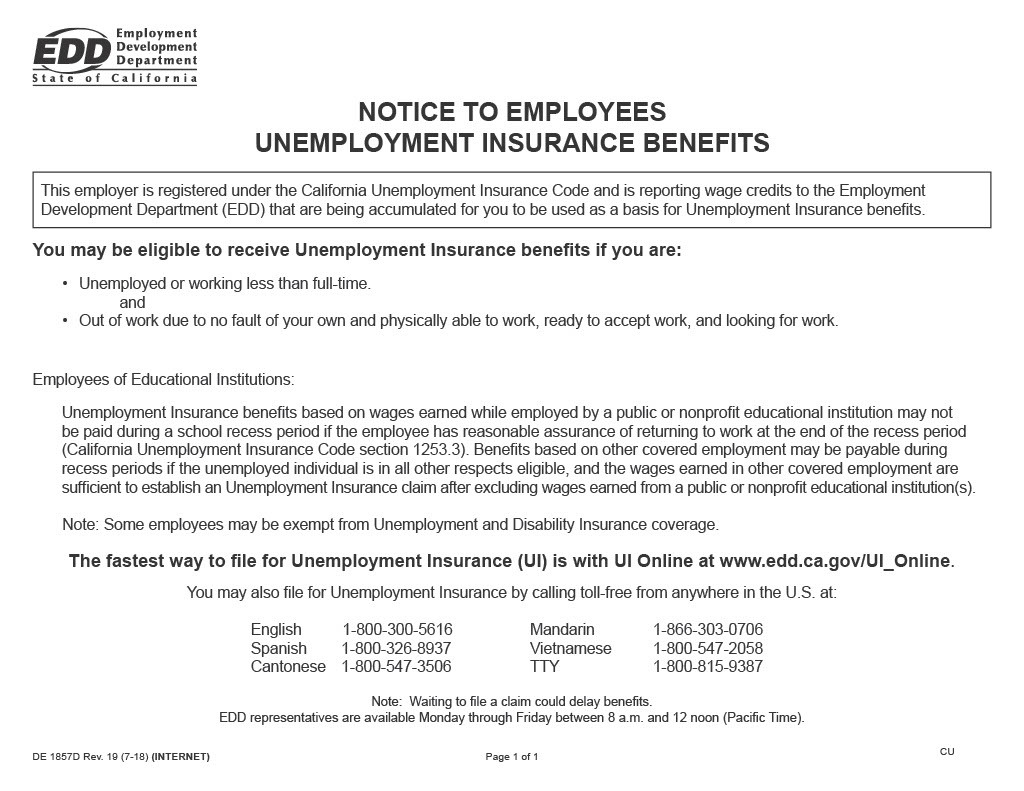
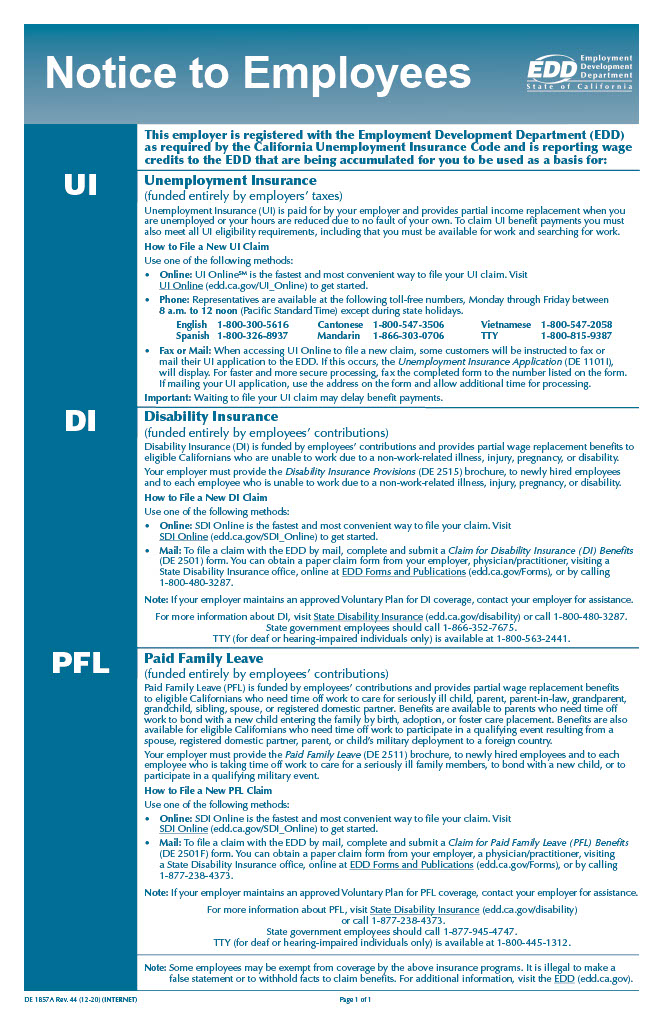
For individual UI claims due to reduced hours, you apply directly through the EDD’s online portal, mail, or phone. You will need to provide personal information, employment history, and detailed information about your current employer and the reduction in hours and wages. It’s crucial to explain clearly that your hours were reduced involuntarily. If you are part of an approved Work Sharing Program, your employer will provide you with specific instructions on how to file your initial claim under the program. Accuracy in reporting your wages and the reason for reduced hours is paramount to avoid delays or disqualifications.
Reporting Requirements and Continued Eligibility
Once you begin receiving benefits, whether through a standard UI claim for reduced hours or the Work Sharing Program, you must continue to certify for benefits every two weeks. This involves reporting any wages earned during those weeks, any changes in your ability or availability to work, and any job search efforts (if applicable). Failing to report accurate earnings can lead to overpayments, which you will be required to repay, potentially with penalties. Consistent and honest reporting is the cornerstone of maintaining continued eligibility and ensuring that these critical benefits can support your lifestyle without complications.
Strategic Financial Planning with UI Benefits
Receiving UI benefits, even partial ones, offers a critical opportunity for strategic financial planning. Rather than simply using the benefits to cover immediate shortfalls, consider how they can be integrated into a broader budget to sustain your lifestyle. This might involve re-evaluating discretionary spending, prioritizing essential expenses, and perhaps even allocating a portion to a contingency fund. For those in California who find their income close to the Federal Poverty Level due to reduced hours, UI benefits can make a significant difference in covering basic needs and preventing further financial hardship, allowing them to focus on stability and eventual recovery.
Beyond Benefits: Cultivating a Resilient California Lifestyle
While Unemployment Insurance provides essential temporary support, true lifestyle resilience in California extends beyond collecting benefits. It involves a holistic approach to financial health, career development, and personal well-being.
Budgeting and Financial Prudence
When hours are reduced, a thorough review of your budget becomes imperative. Differentiate between needs and wants, identify areas where spending can be reduced, and explore strategies to make existing resources go further. This might include negotiating with service providers, exploring public assistance programs for which you may now qualify, or consolidating debts. Adopting a mindset of financial prudence during challenging times helps to stretch your resources, preserve savings, and protect your long-term financial stability, which is integral to maintaining your desired lifestyle in California.

Exploring New Opportunities
Reduced hours, while challenging, can also present an unexpected opportunity for growth or career pivoting. Consider using the additional time to upskill through online courses, pursue certifications, or explore part-time entrepreneurial ventures. Networking, updating your resume, and researching industries with higher demand can prepare you for future full-time employment or a career change that better aligns with your long-term lifestyle aspirations. The proactive pursuit of new opportunities, even while receiving partial unemployment benefits, reinforces a commitment to a thriving lifestyle and positions you for greater financial security down the line.
Ultimately, navigating reduced work hours in California requires a blend of informed decision-making regarding unemployment benefits and a commitment to proactive financial and career management. By understanding your eligibility and leveraging available resources, you can effectively mitigate the impact of reduced income and work towards sustaining a stable and fulfilling California lifestyle.
LifeOutOfTheBox is a participant in the Amazon Services LLC Associates Program, an affiliate advertising program designed to provide a means for sites to earn advertising fees by advertising and linking to Amazon.com. Amazon, the Amazon logo, AmazonSupply, and the AmazonSupply logo are trademarks of Amazon.com, Inc. or its affiliates. As an Amazon Associate we earn affiliate commissions from qualifying purchases.