
The dream of plucking ripe, sweet cherries from your own backyard tree is a common one, embodying a self-sufficient and rewarding lifestyle. For residents or those considering a move to the Sunshine State, the question inevitably arises: can this idyllic vision manifest in Florida? The short answer is nuanced, blending horticultural challenges with rewarding alternatives that perfectly fit the unique Florida lifestyle. While traditional sweet and tart cherries (members of the Prunus genus) face an uphill battle against Florida’s climate, a vibrant world of “tropical cherries” and specialized low-chill varieties offers a delightful path to growing your own cherry-like fruits.
The Allure of Homegrown Cherries in the Sunshine State
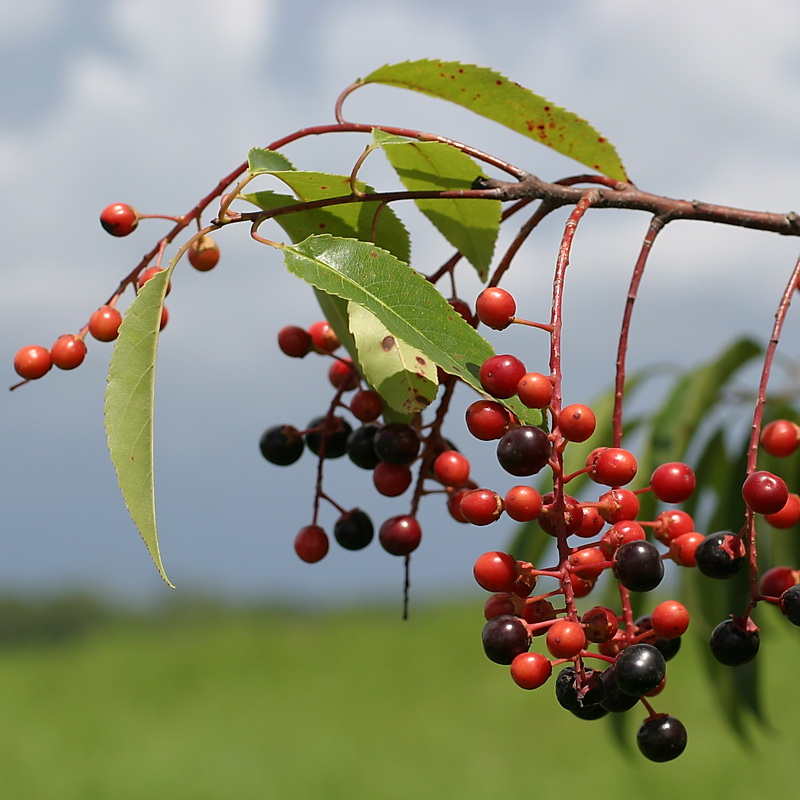
For many, the act of gardening transcends a mere hobby; it’s a profound lifestyle choice. Growing your own food connects you to nature, provides fresh, organic produce, and offers immense personal satisfaction. Imagine a morning stroll through your Florida garden, picking sun-ripened fruits for breakfast – a truly enriching experience. While the iconic image of a cherry tree laden with dark red fruit might conjure images of cooler climates, the desire to cultivate such a treasure doesn’t diminish in Florida’s subtropical warmth. The challenge lies in understanding the specific environmental needs of different cherry varieties and adapting one’s gardening approach to suit the local conditions, a hallmark of sustainable Florida living.
Understanding Florida’s Climate and Cherry Tree Requirements
Florida’s climate is distinct and presents specific hurdles for many temperate fruit trees, including most traditional cherry varieties. Successfully growing any fruit tree here requires a deep appreciation for these environmental factors.
The Chill Hour Conundrum
Perhaps the most significant obstacle for traditional sweet and tart cherries (Prunus avium and Prunus cerasus) in Florida is the lack of sufficient “chill hours.” Chill hours refer to the cumulative time a plant spends at temperatures between 32°F and 45°F (0°C and 7°C) during its dormant winter period. This cold exposure is crucial for breaking dormancy and enabling proper bud development, leading to flowering and fruit set in the spring.
Most commercial sweet cherry varieties, such as Bing or Rainier, require 700 to 1,000+ chill hours. Florida, even its northernmost regions, typically receives only 100 to 400 chill hours in an average winter. Central and South Florida receive even fewer, often less than 100. Without enough chill, cherry trees will either fail to flower, produce very few flowers, or experience erratic bud break, resulting in poor or no fruit production. This fundamental biological requirement makes growing most Prunus cherries impractical for the average Florida gardener.
Heat and Humidity: A Double-Edged Sword
Beyond chill hours, Florida’s high temperatures and persistent humidity during much of the growing season pose additional challenges. Temperate cherry trees are not well-adapted to the intense heat and can suffer from heat stress, leading to stunted growth, reduced fruit quality, and increased susceptibility to pests and diseases.
The high humidity, while beneficial for many tropical plants, creates an ideal environment for various fungal and bacterial diseases that can devastate Prunus trees. Leaf spot, brown rot, and anthracnose are common issues that can quickly defoliate and weaken traditional cherry trees, making consistent disease management a perpetual battle for Florida gardeners attempting to grow them.
Soil and Water Management
Florida soils are predominantly sandy, often lacking in organic matter and nutrients, and can drain very quickly. While excellent drainage is crucial for cherry trees (they detest “wet feet” and are prone to root rot), the rapid drainage means frequent irrigation is necessary, especially during dry spells. Conversely, if soils are too poorly drained, particularly in low-lying areas, root rot becomes a significant threat, exacerbated by the humid conditions. Managing soil moisture balance is a delicate act in Florida.
Low-Chill Cherry Varieties: Your Best Bet for Florida
While traditional sweet cherries are largely out of reach, the good news for the Florida lifestyle gardener is that several excellent “cherry” alternatives thrive in the state, along with a few true cherry varieties bred for minimal chill. These options allow you to enjoy homegrown, cherry-like fruits and the satisfaction of successful cultivation.
Specific Varieties to Consider
-
Barbados Cherry (Malpighia emarginata or Malpighia glabra): Often called Acerola Cherry, this is by far the most reliable “cherry” for Florida gardeners. It’s not a true cherry (Prunus species) but produces small, bright red, tart fruits that ripen quickly.
- Characteristics: Barbados Cherry is a fast-growing shrub or small tree, reaching 6-12 feet. It’s exceptionally high in Vitamin C (far exceeding oranges) and offers a tangy, slightly apple-like flavor. It thrives in full sun, is drought-tolerant once established, and requires minimal care. It fruits prolifically throughout the warmer months, often producing multiple crops.
- Lifestyle Fit: Perfect for those seeking superfoods and a continuous harvest. Its low maintenance makes it ideal for busy Florida lifestyles.
-
Surinam Cherry (Eugenia uniflora): Another fantastic tropical cherry, often grown as an ornamental hedge or small tree in Florida.
- Characteristics: Produces distinctive ribbed, red-to-dark-purple fruits that are juicy, sweet-tart, and aromatic. The flavor can vary greatly depending on the ripeness and cultivar, ranging from pleasantly sweet to somewhat resinous if picked unripe. It grows well in various soil types, is cold-hardy down to about 28°F (-2°C), and can be pruned into many shapes.
- Lifestyle Fit: Offers a unique flavor experience and aesthetic appeal, often used in jams, jellies, and pies. It’s a robust plant that adds both beauty and bounty to the Florida landscape.
-
Florida Cherry (Eugenia aggregata): Also known as Cherry of the Rio Grande, this is another Eugenia species well-suited to Florida.
- Characteristics: Produces small, deep red to purplish-black fruits with a sweet-tart, flavorful pulp. The tree is attractive, grows to a manageable size (10-15 feet), and is more tolerant of cooler temperatures than Barbados Cherry. It’s quite ornamental and makes a good specimen plant.
- Lifestyle Fit: Provides delicious, flavorful fruit with relatively low maintenance, enhancing the edible landscape.
-
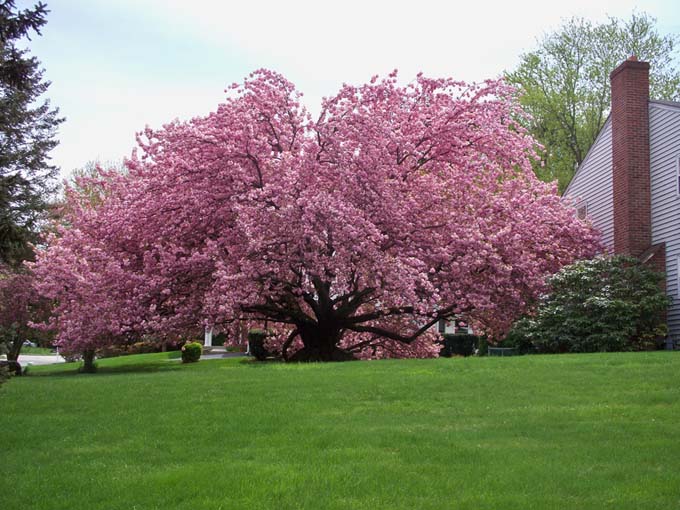
True Low-Chill Prunus Varieties: For the adventurous and dedicated gardener in North Florida, a few true cherry varieties have been specifically bred for extremely low chill hour requirements.
- Varieties: Examples include ‘Royal Lee’, ‘Minnie Royal’, and ‘Stella’ (though ‘Stella’ still requires more chill than Florida typically provides, it’s often cited for its self-pollinating nature). ‘Royal Lee’ and ‘Minnie Royal’ are cross-pollinators, meaning you’d need both to get fruit. They generally require around 200-300 chill hours.
- Considerations: Even with these, success in Florida is highly localized to the coolest parts of northern Florida and often remains experimental. They will demand significant attention to soil health, disease prevention, and precise watering to compensate for the less-than-ideal climate. This is a challenge for the truly committed and experienced Florida gardener.
Cultivation Tips for Success in the Florida Lifestyle
To maximize your chances of success with any cherry or cherry-like tree in Florida, consider these cultivation practices.
Site Selection and Soil Preparation
- Sunlight: All cherry trees, whether tropical or temperate, require full sun (at least 6-8 hours daily) for optimal growth and fruit production.
- Drainage is Key: This cannot be overstated. Dig a wide, shallow hole rather than a deep one. For inherently poorly draining Florida soils, consider planting in a raised bed or on a mound to elevate the root crown, ensuring excellent drainage and preventing root rot.
- Soil Amendment: Amend sandy soils with plenty of organic matter like compost, aged manure, or pine bark fines to improve water retention, nutrient availability, and overall soil structure. A slightly acidic to neutral pH (6.0-7.0) is generally preferred.
Watering and Fertilization
- Consistent Moisture: Newly planted trees need consistent moisture to establish their root systems. Water deeply and regularly, especially during dry periods. Once established, tropical cherries like Barbados Cherry are quite drought-tolerant, but regular watering will enhance fruit production.
- Avoid Waterlogging: While consistent moisture is good, standing water or constantly soggy soil is detrimental. Use mulch around the base of the tree (keeping it away from the trunk) to conserve moisture and regulate soil temperature.
- Nutrient Management: Use a balanced, slow-release fertilizer designed for fruit trees. For Prunus varieties, follow specific recommendations for chill-deprived trees if available. Tropical cherries generally thrive with a balanced fertilizer or organic amendments applied seasonally. Avoid over-fertilization, which can lead to excessive foliage and reduced fruiting.
Pest and Disease Management
- Scouting: Regularly inspect your trees for signs of pests or diseases. Early detection is key to effective management.
- Common Pests: Florida fruit trees can attract fruit flies, birds (who love ripe cherries), and various sap-sucking insects. Netting can protect fruit from birds and some insects. Introduce beneficial insects like ladybugs for natural pest control.
- Fungal Issues: The high humidity favors fungal diseases. Ensure good air circulation through proper pruning. Consider preventative organic fungicides if fungal issues are a recurring problem, especially for true Prunus cherries.
- Pruning: Prune for shape, air circulation, and to remove dead or diseased branches. For tropical cherries, pruning can help maintain size and encourage new fruiting wood.
Pollination Considerations
For true Prunus cherry varieties, pollination is often a crucial factor. Many require a compatible cross-pollinator nearby to set fruit. Research the specific pollination requirements of any Prunus variety you choose to ensure you plant the necessary companion trees if required. Tropical cherries like Barbados Cherry and Surinam Cherry are generally self-fertile and do not require another plant for fruit production.

The Florida Gardener’s Reward: Beyond Traditional Cherries
While the quest for traditional sweet cherries in Florida may primarily appeal to the most dedicated and experimental gardeners in specific northern regions, the broader Florida lifestyle gardener has a bounty of delicious, resilient, and unique “tropical cherries” to cultivate. Embracing these climate-appropriate alternatives, such as the Barbados Cherry, Surinam Cherry, and Florida Cherry, offers a truly rewarding experience.
These fruits not only provide a delightful, often exotic flavor profile but also integrate seamlessly into the Florida landscape and lifestyle. They require less intensive care than their temperate counterparts, boast impressive nutritional benefits, and contribute to the vibrant biodiversity of your garden. The satisfaction of harvesting your own fresh, sun-kissed fruits, perfectly adapted to the Sunshine State’s climate, is a unique pleasure that truly defines the successful Florida gardener’s lifestyle.
LifeOutOfTheBox is a participant in the Amazon Services LLC Associates Program, an affiliate advertising program designed to provide a means for sites to earn advertising fees by advertising and linking to Amazon.com. Amazon, the Amazon logo, AmazonSupply, and the AmazonSupply logo are trademarks of Amazon.com, Inc. or its affiliates. As an Amazon Associate we earn affiliate commissions from qualifying purchases.