
The traditional hospitality model has long been anchored by the 3:00 PM check-in and the 11:00 AM check-out. For decades, travelers were forced to pay for a full overnight stay regardless of whether they needed the room for twenty hours or just two. However, the modern accommodation landscape is undergoing a radical shift. The answer to “Can I rent a hotel for a few hours?” is now a resounding yes. Known as “day-use,” “micro-stays,” or “hourly bookings,” this segment of the industry is rapidly expanding to meet the needs of a mobile, globalized workforce and the weary traveler in transit.

The Evolution of Micro-Stays in the Accommodation Industry
The concept of renting a room for a fraction of the day was once associated with budget motels or niche markets. Today, the practice has moved into the mainstream, adopted by major international brands and luxury boutiques alike. This evolution is driven by the realization that hotel inventory is a perishable commodity; an empty room during the daylight hours represents lost revenue.
The Shift Toward On-Demand Living
In an era of on-demand services, the hospitality sector has had to adapt. Much like how shared workspaces revolutionized the office environment, micro-stays are revolutionizing how we view personal space. Whether in London or New York City, the demand for “space as a service” is at an all-time high. Travelers no longer want to be tethered to rigid schedules that don’t align with flight times or business meetings.
Why the 24-Hour Model is Changing
The rise of the “gig economy” and remote work has blurred the lines between home, office, and travel. A professional visiting Paris for a single day of meetings may not need a bed for the night, but they certainly need a quiet environment to prepare, shower, and perhaps take a conference call. By offering rooms in blocks of three, six, or twelve hours, hotels in France and beyond are filling a gap that traditional booking platforms ignored for years.
Strategic Use Cases for Hourly Hotel Rentals
Understanding the utility of hourly rentals requires looking at the diverse needs of modern travelers. It is not just about a place to sleep; it is about accessing the infrastructure of a hotel—privacy, high-speed internet, and premium amenities—on a flexible timeline.
Managing Long Layovers in International Hubs
One of the most common reasons for an hourly rental is the dreaded long layover. Major aviation hubs like Heathrow Airport in the United Kingdom or Changi Airport in Singapore see thousands of passengers daily who are stuck between flights for eight to ten hours. Rather than reclining on a plastic chair in the terminal, these travelers can book a room at an on-site hotel like Yotel or Aerotel. This allows for a refreshing shower and a nap in a soundproof environment, significantly reducing the impact of jet lag.
The Remote Work Office Alternative
The “work from hotel” trend gained significant momentum during the early 2020s. For those living in cramped urban apartments in cities like Tokyo or Hong Kong, a hotel room provides a dedicated, distraction-free “office” for the day. Hotels often include high-speed Wi-Fi and coffee service in their day-use packages, making it a competitive alternative to crowded coworking spaces.
Refreshing During One-Day City Tours
Day-trippers often find themselves exhausted after a morning of sightseeing. Imagine spending several hours exploring the Eiffel Tower or the Louvre Museum and needing a place to recharge before a late-night flight home. A three-hour booking at a nearby Novotel or Ibis provides a base camp to drop shopping bags, refresh, and change clothes.
Top Platforms and Brands Pioneering Daytime Bookings
As the demand for hourly rentals grew, several technology platforms emerged to bridge the gap between consumers and hotels. These platforms negotiate “day rates” with properties that are typically 30% to 75% cheaper than overnight rates.

Specialized Booking Sites for Micro-Stays
Websites like Dayuse and ByHours have become the industry leaders in this space. Dayuse focuses on daytime slots (typically 9 AM to 6 PM), while ByHours, based in Spain, allows users to choose specific check-in times for 3, 6, or 12-hour stays. These platforms operate extensively throughout Europe and the United States, partnering with thousands of properties.
Global Chains Offering Day Rates
Recognizing the profitability of this niche, major hotel conglomerates have integrated micro-stays into their business models. Marriott launched its “Work Anywhere” program, while Hilton offers “WorkSpaces by Hilton” across many of its global locations. Other major players like Hyatt and Accor have also introduced similar initiatives. Even luxury brands like Sofitel and InterContinental offer daytime access to their suites and spas, targeting the high-end “day-cation” market.
Key Logistics: Pricing, Policies, and Amenity Access
Booking a hotel for a few hours is slightly different from a standard reservation. It is essential to understand the logistics to ensure the experience is seamless and cost-effective.
Understanding Check-in Windows and Time Blocks
Unlike standard bookings, where you can arrive anytime after 3 PM, hourly rentals usually operate on strict windows. For instance, a “6-hour stay” might be fixed between 10:00 AM and 4:00 PM. If you arrive late, your checkout time remains the same. Some forward-thinking hotels in Dubai and Germany are experimenting with “rolling” check-ins, where your six hours start the moment you receive the key, but this is not yet the global standard.
Full Access to Luxury Amenities
One of the primary benefits of renting a room for a few hours is that you are considered a “full guest.” This means you usually have access to the hotel’s fitness center, swimming pool, and business lounge. For a business traveler in Los Angeles or Sydney, this could mean getting in a workout and a sauna session between meetings, adding a layer of wellness to a hectic schedule.
Identifying Hidden Fees and Policies
While day rates are cheaper, always check if taxes and “resort fees” are included. In cities like Las Vegas or Miami, resort fees can be substantial. Additionally, most hourly rentals require a credit card for a security deposit, just like an overnight stay, so ensure you have the necessary funds available.
Global Trends: From Capsule Hotels to Luxury Day-Suites
The way hourly rentals are implemented varies significantly by region, reflecting local culture and urban density.
The Rise of Capsule Hotels in Asia
Japan has been a pioneer in the micro-stay industry. In Tokyo, capsule hotels have offered hourly rates for decades, primarily catering to “salarymen” who missed the last train. Today, these have evolved into stylish, high-tech pods. Brands like Nine Hours allow guests to book a pod for a “nap and shower” sequence, making it one of the most efficient uses of urban space in Asia.
High-End Day-Cations in Major Capitals
In luxury markets like London or Berlin, the trend is moving toward “day-cations.” Properties like The Ritz-Carlton or Four Seasons may offer day-use rates that allow guests to enjoy a five-star suite and spa facilities without the thousand-dollar overnight price tag. This has become popular for locals celebrating anniversaries or looking for a “staycation” experience during daylight hours.
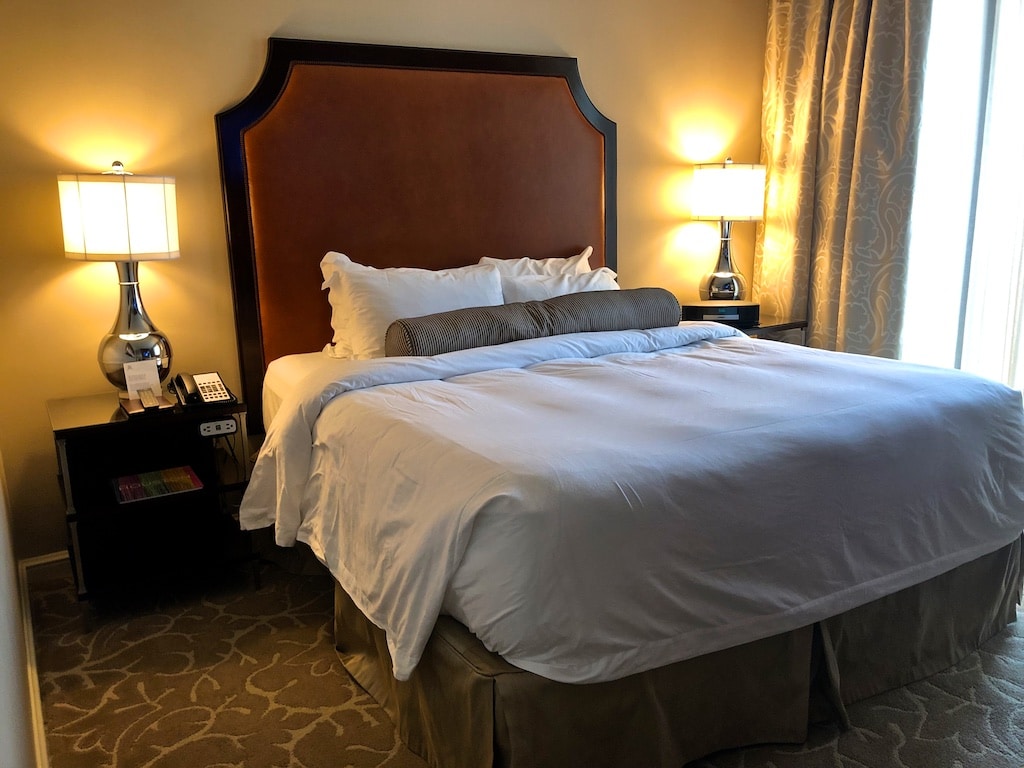
Transit Hotels Within Airport Terminals
For the ultimate convenience, transit hotels located inside the security perimeter are the pinnacle of hourly accommodation. At Dubai International Airport, Schiphol Airport in Amsterdam, and JFK Airport in the United States, hotels like CitizenM allow travelers to sleep and shower without passing through customs. This is a game-changer for international travelers on tight connections who need a few hours of deep sleep.
In conclusion, the ability to rent a hotel for a few hours is no longer a luxury or a rarity—it is a practical solution for the modern traveler. Whether you are navigating a layover at Charles de Gaulle Airport, looking for a quiet office near the Empire State Building, or simply needing a place to rest in Madrid, the hospitality industry has finally caught up to your schedule. By utilizing specialized booking platforms and understanding the flexible policies of global chains, you can maximize your productivity and comfort while only paying for the time you actually need.
LifeOutOfTheBox is a participant in the Amazon Services LLC Associates Program, an affiliate advertising program designed to provide a means for sites to earn advertising fees by advertising and linking to Amazon.com. Amazon, the Amazon logo, AmazonSupply, and the AmazonSupply logo are trademarks of Amazon.com, Inc. or its affiliates. As an Amazon Associate we earn affiliate commissions from qualifying purchases.